Xiaomi Redmi Note Series Review Still the Best Budget Choice
Redmi Note series review with Pakistan prices, real strengths, ads, privacy concerns and grey market risks. An honest look at who should buy one in 2026.
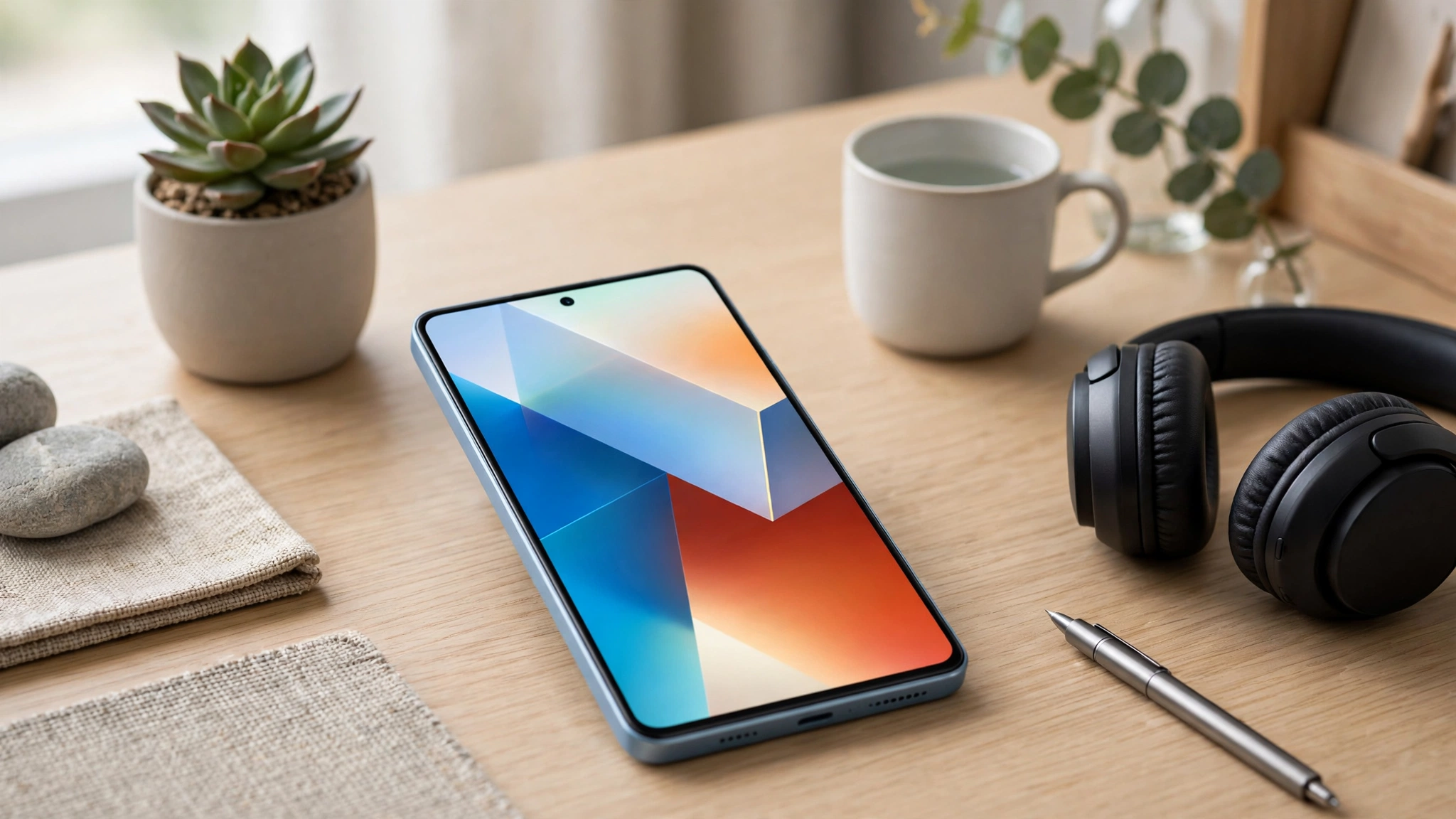
Xiaomi Redmi Note Series Review: Still the Best Budget Choice?
Introduction
The Redmi Note series has been the default answer to “which phone should I buy on a budget?” for almost a decade. Walk into any mobile market in Lahore, Karachi or Bahawalpur and you will find a Redmi Note on the counter, usually priced a little below what you expected for what it offers. That reputation was earned. Older models like the Redmi Note 7 and Note 8 gave millions of people their first decent camera and a battery that lasted all day.
But 2026 is not 2019. The Redmi Note 15 now costs around Rs. 69,999 in Pakistan, the Redmi Note 15 Pro starts near Rs. 94,999, and the Pro+ crosses Rs. 159,999. Infinix, Tecno, Samsung and Realme have all caught up on screens and batteries. At the same time, Xiaomi carries baggage that most spec reviews skip: ads inside its software, privacy questions raised by a European government, a record fund seizure in India, and a grey market in Pakistan full of non-PTA and IMEI-tampered Redmi units.
This Xiaomi Redmi Note review looks at all of it. You will get current Pakistan prices, what each model does well and badly, the real cases that should shape how you buy, and a short checklist to protect yourself. The question is simple: is the Redmi Note series still the best budget phone choice, or has it lost its edge?
Redmi Note Series Prices in Pakistan (2026 Lineup)
The current Redmi Note series in Pakistan is the Note 15 family, with older Note 14 models still on shelves at lower prices. Here is what each one costs with official warranty, based on listings from WhatMobile’s Redmi price list and ProPakistani:
| Model | Price (official warranty) | Key points |
|---|---|---|
| Redmi Note 15 Pro+ 5G (12GB/512GB) | Around Rs. 159,999 | Snapdragon 7s Gen 4, Gorilla Glass Victus 2, plastic frame |
| Redmi Note 15 Pro (12GB/512GB) | Around Rs. 114,999 | Same phone, more storage |
| Redmi Note 15 Pro (8GB/256GB) | Around Rs. 94,999 | 7000mAh battery, 45W charging, Gorilla Glass Victus 2 |
| Redmi Note 14 Pro | Around Rs. 82,999 | Last year’s model, still sold |
| Redmi Note 15 (256GB) | Around Rs. 74,999 | Entry model with more storage |
| Redmi Note 15 | Around Rs. 69,999 | Cheapest current Note |
| Redmi Note 14 | Around Rs. 57,999 | Older budget option |
Prices move with the dollar and with stock, so a difference of a few thousand rupees between shops is normal. A difference of Rs. 15,000 or more is not.
Redmi Note 15 Pro Price in Pakistan and What You Get
The Redmi Note 15 Pro price in Pakistan starts at about Rs. 94,999 for 8GB RAM and 256GB storage, and Rs. 114,999 for 12GB and 512GB. Its biggest selling point is a 7000mAh battery with 45W fast charging, which is huge for a phone in this range. Local listings show the Pakistan model uses a MediaTek Helio G200 Ultra chip and does not record 4K video. That is a gaming-friendly 4G chip, but not a 5G one, so check this before you buy if 5G matters to you.
Redmi Note 15 Pro+ 5G: The Expensive One
The Redmi Note 15 Pro+ finally reached Pakistan in July 2026, about seven months after its international release. It runs the Snapdragon 7s Gen 4 on a 4nm process, ships with 12GB RAM and 512GB storage, and costs about Rs. 159,999. The odd part is the build: a plastic frame at a price where Infinix and Samsung offer aluminum.
Redmi Note 15: The Entry Point
At around Rs. 69,999, the base Redmi Note 15 is where most budget buyers will land. It is the model that carries the old Redmi promise of “good enough everything” at a fair price, and it competes directly with the Infinix Note and Samsung Galaxy A series.
Redmi Note Series Review: 7 Honest Truths
Specs only tell you what a phone has. These seven points tell you how the Redmi Note series actually fits Pakistani buyers in 2026.

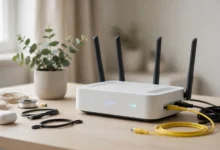
1. Battery Life Is Still the Biggest Win
This is where Redmi has pulled ahead again. A 7000mAh battery on the Note 15 Pro is one of the largest you can get at this price. For people who spend long hours on mobile data, ride-hailing apps or WhatsApp calls, and who deal with load shedding, that capacity means one less thing to worry about. Even heavy users should finish the day with charge left, and light users can stretch it close to two days.
2. Displays Are Good, Not Special Anymore
Redmi Note phones use bright AMOLED screens with high refresh rates, and the Note 15 Pro gets a 6.83-inch panel protected by Gorilla Glass Victus 2. They look sharp and smooth, and outdoor visibility is solid.
The catch is that rivals now match this. Infinix ships 144Hz AMOLED screens at similar prices, and Samsung’s A series has excellent panels too. The screen is a reason to buy a Redmi, but it is no longer a reason to pick Redmi over everyone else.
3. Performance Depends Heavily on Which Model You Buy
This is where buyers get confused. The name “Redmi Note 15 Pro” sounds premium, yet the Pakistan model runs a 4G MediaTek chip. The Pro+ gets the far stronger Snapdragon 7s Gen 4. For daily use, social media, banking apps and light gaming, both feel fine. For long PUBG or COD sessions at higher settings, the Pro+ is clearly better.
All current models use UFS 2.2 storage and none has a memory card slot, so pick storage carefully. Apps and photos only get bigger.
4. Cameras Are Decent in Daylight, Average at Night
Redmi loves big megapixel numbers on the box. In practice, daylight photos are bright and colorful and look great on social media. At night, results vary more, and Samsung and Google still process low light photos better. The Note 15 Pro does have OIS on the main camera, which helps with sharper night shots and steadier video, but the lack of 4K recording on the Pakistan model is a real gap at Rs. 95,000.
5. HyperOS Is Smooth, but the Ads Are Real
Xiaomi’s HyperOS is fast and full of features. It is also known for something many buyers hate: ads and promoted content inside system apps like the file manager, music player, themes and the default browser. You can turn most of them off, but it takes digging through settings, and new ones sometimes appear after updates.
For a first-time smartphone user, like a parent or grandparent, this can be confusing. Spend 15 minutes after setup turning off recommendations and personalized ads in each system app.
6. Updates Are Better Than Before, Still Not Samsung Level
Xiaomi has improved its update promises on recent Redmi Note models, but timing in Pakistan often lags behind other regions. Samsung still leads this segment on long term support. If you want to keep a phone for four or five years, this matters.
7. Resale Value Is Moderate
Redmi phones hold value better than most Chinese budget brands in the used market, but they still lose value faster than Samsung or Apple. The plastic build on several models also shows wear sooner, which hurts resale.
The Reality Behind the Redmi Note Series: Legal Cases, Privacy and the Grey Market
A fair review has to look past the phone. Xiaomi is a giant company with a mixed record, and the Redmi Note series is one of the most smuggled and tampered phone lines in Pakistan’s grey market. None of this means you should never buy a Redmi. It means you should buy one with your eyes open.
Xiaomi’s Record Fund Seizure in India
In April 2022, India’s Enforcement Directorate seized about Rs. 5,551 crore (Indian rupees) from Xiaomi’s Indian unit under the country’s foreign exchange law. The agency said the company had sent this money abroad to three foreign entities, one of them a Xiaomi group company, and labeled it as royalty payments.
What happened next:
- In September 2022, the FEMA competent authority confirmed the seizure, and the ED called it the highest amount of seizure confirmed in India up to that point. You can read the Enforcement Directorate’s official press release.
- Xiaomi disputed the case. It said more than 84% of the money was royalty paid to Qualcomm, an unrelated US chip company, for licensed technology, and that all its royalty payments were legitimate.
- In April 2023, the Karnataka High Court rejected Xiaomi’s petition challenging the asset freeze.
For a buyer in Pakistan, this case does not change how a Redmi phone performs. It does show how a company’s financial conduct can draw serious action from regulators, and it is worth knowing about the brand you trust.
Privacy and Censorship Concerns: The Lithuania Report
In September 2021, Lithuania’s National Cyber Security Centre tested phones from Xiaomi, Huawei and OnePlus. Its report on the Xiaomi Mi 10T 5G made three main claims:
- Some preinstalled apps, including the Mi Browser, regularly received a list of blocked keywords from Xiaomi. The list included politically sensitive terms like “Free Tibet” and “democracy movement.”
- The filtering was turned off for the EU, but the report said it could be switched on remotely.
- The phone sent encrypted usage data to a server in Singapore.
Lithuania’s defense ministry went as far as advising people to avoid buying Chinese phones. Xiaomi responded that its devices do not censor communications to or from users and that it complies with the EU’s data protection rules (GDPR).
This was not a court finding or a crime. It was one government’s security assessment, made during tense relations between Lithuania and China. But it raised fair questions about what preinstalled apps do in the background. A sensible takeaway: use Chrome or another browser you trust instead of the default one, and review app permissions after setup.
The Pakistani Grey Market and Redmi Phones
This is the risk that hits buyers most directly. Popular, mid-priced models like the Redmi Note are prime targets for:
- Non-PTA units smuggled in without duty, which get blocked by DIRBS after the free usage period
- Patched phones whose IMEI number has been illegally changed to copy an approved device
- Stolen phones given a new IMEI and sold again in local markets
Real enforcement shows how common this is. PTA and the FIA have raided shops in Sheikhupura, Faisalabad, Gujranwala and Gilgit and seized phones with tampered IMEIs. In Gujranwala in June 2025, a single raid recovered 19 cloned or tampered phones and the shop owner was arrested. In Karachi, a man arrested for altering IMEIs told police that one IMEI could be planted into five different phones. In 2019, the FIA arrested gangs that used overseas Pakistanis’ passport details to register smuggled and blocked phones.
Why Buying Legally Is the Ethical Choice
A patched Redmi at Rs. 20,000 less feels like a smart deal. In reality, PTA has warned that cloned and tampered phones help criminals stay anonymous and are linked to fraud, cybercrime and even abductions. When a snatched phone gets a new IMEI, the victim loses any chance of recovery and the thief gets paid. Paying full price for a PTA approved unit with official warranty is the only way to be sure your money is not feeding that chain.
How to Check Any Redmi Before You Pay
- Dial *#06# to see the IMEI and match it to the box and the bill.
- Send the IMEI to 8484 by SMS or check it on the PTA DIRBS portal.
- Confirm the result shows the same brand and model you are holding.
- If the seller refuses to let you check, leave.
Is the Redmi Note Series Still the Best Budget Choice?
Honest answer: it is still one of the best, but no longer the automatic winner. The Redmi Note series leads on battery size and brand trust in the local market. It trails on build quality at the top end, clean software, and value per rupee against Infinix. Which one wins depends on what you care about most.
Buy a Redmi Note If You
- Want the biggest battery you can get at this price and hate charging twice a day
- Prefer a well known brand with service centers across Pakistan
- Do not mind spending a little time turning off ads and recommendations
- Mostly use social media, video, calls and banking apps
Skip It or Look Elsewhere If You
- Want a metal build at around Rs. 100,000 to Rs. 160,000
- Need 4K video recording on a mid-range budget (check the exact model first)
- Care strongly about clean software with no ads
- Want the longest update support, where Samsung still leads
Which Redmi Note Model Gives the Best Value?
- Redmi Note 15 (around Rs. 69,999): Best value in the lineup for most people. Covers daily needs without paying for extras you may not use.
- Redmi Note 15 Pro 8GB/256GB (around Rs. 94,999): Worth it mainly for the 7000mAh battery. Check that the chip and camera features match your needs.
- Redmi Note 14 Pro (around Rs. 82,999): A fair pick if you find it with official warranty, though it will get fewer future updates.
- Redmi Note 15 Pro+ (around Rs. 159,999): Hard to recommend at this price because of the plastic frame. Compare it with Samsung, Infinix and Xiaomi’s own higher models first.
Alternatives Worth Comparing
- Infinix Note 60 Pro: Around Rs. 111,999 with an aluminum body, 144Hz AMOLED and Snapdragon 7s Gen 4. Strong value, weaker resale.
- Samsung Galaxy A series: Usually costs more for similar specs, but wins on software support and resale.
- Tecno Camon and Realme Number series: Worth a look if you want good screens and cameras on a tight budget.
Smart Buying Checklist
- Buy from Xiaomi’s official store, an authorized dealer, or a large retailer you trust. Model details are on the official Xiaomi website.
- Get a printed bill that shows the IMEI.
- Verify the IMEI on DIRBS before paying.
- Confirm the official warranty card and its start date.
- Compare prices at two or three sellers. Anything far below the rest is a warning sign.
- Never accept an offer to “make it PTA approved” for a fee. That is IMEI tampering, and it is illegal for the seller and risky for you.
- After setup, turn off personalized ads, review app permissions and switch to a browser you trust.
Conclusion: Is the Redmi Note Series Worth It in 2026?
The Redmi Note series is still a strong budget choice in 2026, especially the Redmi Note 15 at around Rs. 69,999 and the Note 15 Pro with its 7000mAh battery, but it has lost the clear lead it once had, as rivals now match its screens, beat it on build quality at higher prices, and ship cleaner software without the ads HyperOS still carries. Xiaomi’s record, from the Rs. 5,551 crore fund seizure in India to the privacy questions raised by Lithuania’s security agency, is worth knowing even if it does not change how the phone works, while the bigger everyday risk in Pakistan is the grey market of non-PTA, patched and stolen Redmi units that PTA and the FIA keep uncovering in raids. Buy the right model for your needs from an authorized seller, verify the IMEI on DIRBS, turn off the ads after setup, and a Redmi Note can still be one of the smartest ways to spend your money.