Best VPN for Pakistan: 7 Proven Picks Users Trust for Privacy and Speed (2026)
Find the best VPN for Pakistan in 2026. We compare 7 trusted services on privacy, speed, PTA rules, streaming access, and value for everyday users.

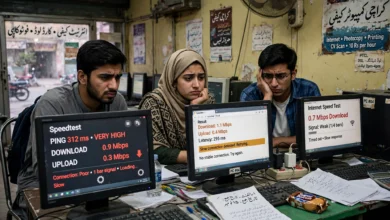
The best VPN for Pakistan in 2026 has to do more than hide your IP address. It has to stay connected when the network gets shaky, keep your banking and work traffic private, and still be fast enough for a client call or a PSL match without constant buffering. That is a tall order in a country where platforms like X have faced long blocks, mobile data has been switched off during protests, and the PTA keeps tightening its rules on VPN registration in Pakistan.
Most people here are not trying to do anything shady. Freelancers need a stable line to clients abroad. Students want access to research tools and course platforms. Families want their phones protected on public Wi-Fi at cafes, airports, and university campuses. A good VPN service handles all of that quietly in the background.
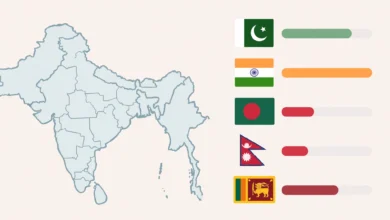
The problem is that the market is crowded, and plenty of free apps on the Play Store collect more data than they protect. So we focused on what actually matters for Pakistani users: online privacy, real-world speed on local networks like PTCL, Nayatel, StormFiber, Jazz, and Zong, server locations close to Pakistan, obfuscation features that help when VPN traffic gets filtered, and fair pricing in a market where every rupee counts.
Below you will find seven services that hold up under those conditions, a plain-English look at the legal side, a side-by-side comparison, and setup tips you can follow in five minutes.
Why You Need the Best VPN for Pakistan in 2026
A VPN creates an encrypted tunnel between your device and a server somewhere else. Your ISP can see that you are connected to a VPN, but it cannot see which sites you open or what you send. For people in Pakistan, that matters for a few very practical reasons.
Platform Blocks and Network Shutdowns
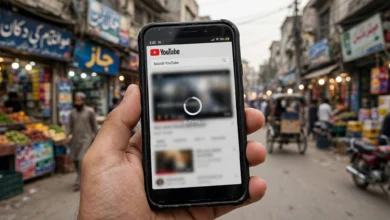
Pakistan has a long history of blocking websites and apps. YouTube was blocked for years, X was restricted for well over a year starting in 2024, and mobile internet has been suspended in whole cities during political unrest. A reliable secure VPN will not fix a full shutdown, since no internet means no VPN either, but it does help when specific platforms are filtered or throttled.
Public Wi-Fi Is Not as Safe as It Looks
The free Wi-Fi at a cafe in Gulberg, a hostel in Islamabad, or the lounge at Jinnah International is convenient, but anyone on the same network with basic tools can try to snoop on unencrypted traffic. A VPN encrypts everything leaving your phone or laptop, which shuts that door. This is one of the simplest reasons to keep a VPN app switched on by default.
Freelancing and Remote Work
Pakistan has one of the largest freelance workforces in the world. Upwork, Fiverr, and direct clients often expect stable video calls, secure file transfers, and access to company tools that may sit behind regional restrictions. A fast VPN with nearby servers keeps latency low, so calls do not drop and uploads do not crawl.
Overseas Pakistanis Who Need a Pakistani IP
If you live in Dubai, Riyadh, London, or Toronto, some local banking apps, mobile wallets, and streaming services may behave differently or refuse to load without a Pakistani IP address. A VPN with a Pakistan server or a virtual Pakistan location solves that, letting you check your account or watch local channels as if you were home.

Privacy From Data Collection
Even when nothing is blocked, your ISP can log the domains you visit, and advertisers track you across apps. A no-logs VPN limits how much of your browsing history ends up in someone else’s database.
Is Using a VPN Legal in Pakistan?
Short answer: using a VPN is not a crime for ordinary users, but it sits in a regulated grey zone, and the rules keep shifting. Here is where things stand as of late 2026.
How PTA Registration Works
The Pakistan Telecommunication Authority (PTA) has required businesses, software houses, and freelancers to register the IP addresses they use for VPN connections. Registration runs through an online portal, and freelancers usually need a CNIC plus some proof of their client or project work. The official reason is security: the government says it wants to stop unregistered VPNs being used to reach banned content or misuse VoIP channels.
In early 2026 the PTA also started licensing local VPN providers. According to ProPakistani’s report on PTA VPN licensing, nine local providers had been licensed and more than 30,000 users had registered by January 2026.
What This Means for Everyday Users
- Personal use of an international VPN is widespread and has not led to action against ordinary users.
- Unregistered VPN traffic can be throttled or filtered by ISPs, which is why obfuscation features matter so much here.
- Freelancers and businesses are better off registering, since a registered IP is less likely to face disruption during a crackdown.
- Illegal activity stays illegal with or without a VPN. Laws like PECA apply to what you do online, not just how you connect.
Digital rights groups have pushed back on these rules. The Digital Rights Foundation’s analysis of Pakistan’s VPN policy argues that limiting registration to companies and freelancers leaves ordinary users exposed. It is worth keeping an eye on PTA announcements, because policy changes often arrive with short deadlines.
This section is general information, not legal advice. If your work depends on a VPN, check the latest PTA guidance or speak to someone qualified.
How to Choose the Best VPN for Pakistan
Not every big-name VPN works well here. A service that flies in Europe can struggle on a congested Jazz 4G connection in Multan. These are the factors we weighed most heavily.
- Obfuscation and stealth protocols. When ISPs filter VPN traffic, a normal connection may fail. Features like obfuscated servers, Stealth mode, or Camouflage mode disguise VPN traffic as regular HTTPS so it is harder to detect and block.
- Nearby servers. Servers in the UAE, Singapore, India, and Turkey usually give Pakistani users the lowest ping. A Pakistan location is a bonus for overseas users who need a local IP.
- Verified no-logs policy. Look for providers whose privacy claims have been checked by independent auditors. A logging VPN just moves your data from your ISP to another company.
- Modern protocols. WireGuard and the protocols built on it (like NordLynx and Lightway) are faster and lighter on mobile batteries than older options such as OpenVPN.
- Kill switch. If the VPN drops, a kill switch cuts your internet until the tunnel is back, so your real IP never leaks. On unstable connections this is essential.
- Apps for every device. Android dominates in Pakistan, so a solid Android app matters more than anything else. Windows, iOS, and router support come next.
- Fair pricing and payment options. Long-term plans are much cheaper per month. Check whether your Pakistani debit card works for international payments, or whether the provider accepts other methods.
- Refund window. A 30-day money-back guarantee lets you test speeds on your own ISP before committing.
Keep these points in mind as you read the reviews below. The best VPN for Pakistan for a gamer in Lahore may not be the best pick for a journalist in Quetta.
7 Best VPN for Pakistan Picks Reviewed
These seven services consistently show up in independent reviews and user reports as dependable choices in Pakistan. Prices and server counts change often, so check each provider’s site before you buy.
1. NordVPN: Best Overall VPN for Pakistan
NordVPN is the safest all-round choice for most people. Its network runs to roughly 9,000 servers worldwide, with plenty in the Gulf and Asia, and its NordLynx protocol (built on WireGuard) keeps speeds high even on mobile data. When standard connections get filtered, its obfuscated servers usually get through.
On the privacy side, NordVPN is based in Panama and its no-logs policy has been audited more than once. Threat Protection blocks ads, trackers, and known malware sites, which is useful on Android where shady ads are common.
- Pros: fast, audited no-logs policy, obfuscated servers, strong streaming support
- Cons: obfuscation only works with OpenVPN, renewal prices are higher than the first term
- Best for: most users who want one VPN that does everything well
2. ExpressVPN: Best for Ease of Use and Reliability
ExpressVPN is the one to pick if you want something that simply works. Its Lightway protocol connects in a second or two and recovers quickly when your connection switches between Wi-Fi and mobile data. Every server runs on RAM only, so data is wiped on each reboot.
It has also offered a Pakistan location, which is handy for overseas users who need a local IP for banking or local streaming. The catch is price: ExpressVPN is usually the most expensive option on this list.
- Pros: very easy apps, fast reconnects, RAM-only servers, Pakistan location
- Cons: premium pricing, fewer advanced settings
- Best for: beginners and anyone who values reliability over cost
3. Surfshark: Best Value for Families and Multiple Devices
Surfshark allows unlimited simultaneous connections on one plan, which makes it great value for a household with several phones, laptops, and a smart TV. Its Camouflage mode hides VPN use, and NoBorders mode is designed for restrictive networks.
CleanWeb blocks ads and trackers, and speeds on WireGuard hold up well for HD streaming. It is often one of the cheapest premium VPNs on a two-year plan.
- Pros: unlimited devices, low long-term price, NoBorders and Camouflage modes
- Cons: speeds can dip on distant servers, some extras cost more
- Best for: families and budget-conscious users
4. Proton VPN: Best Free and Privacy-First Option
Proton VPN comes from the Swiss team behind Proton Mail, and privacy is its core focus. Its apps are open source, its no-logs policy is audited, and its Stealth protocol was built specifically to get past VPN blocking.
Its free plan is the standout: unlimited data, no ads, and no logging, which is rare. Free users get fewer server locations and lower priority speeds, but for basic online privacy it is far safer than random free apps.
- Pros: genuinely safe free plan, Stealth protocol, Swiss privacy laws, open-source apps
- Cons: free tier is slower at peak times, paid plan costs more than Surfshark
- Best for: students, journalists, and anyone who wants a free VPN for Pakistan that does not sell their data
5. Private Internet Access: Best for Custom Settings
Private Internet Access (PIA) is the tinkerer’s choice. You can adjust encryption strength, ports, protocols, and split tunneling in detail. Its no-logs claim has been tested in real court cases, where it had no user data to hand over.
PIA supports unlimited devices and has a huge server network. Its apps look a bit busy, but power users will appreciate the control.
- Pros: deep customization, unlimited devices, court-tested no-logs claims
- Cons: based in the US, interface can overwhelm beginners
- Best for: tech-savvy users and developers
6. CyberGhost: Best for Streaming Beginners
CyberGhost labels its servers by purpose, so you can pick one optimized for Netflix, BBC iPlayer, or torrenting without guessing. That makes it friendly for people new to VPNs. Long-term plans come with an unusually long 45-day money-back window.
- Pros: streaming-labeled servers, simple apps, long refund window
- Cons: weaker at getting past heavy filtering, owned by the same group as PIA and ExpressVPN
- Best for: casual streamers who want simple setup
7. Windscribe: Best Lightweight Option With a Free Tier
Windscribe offers a free plan with a monthly data allowance (about 10 GB with a confirmed email), plus Stealth and WStunnel protocols that help on restrictive networks. Its built-in blocker, R.O.B.E.R.T., lets you filter ads, trackers, and malware domains.
The paid plan is affordable, and you can even build a custom plan with just the locations you need.
- Pros: useful free tier, strong anti-censorship protocols, flexible pricing
- Cons: smaller network than the big names, free data cap runs out fast with video
- Best for: light users and anyone testing a VPN before paying
Best VPN for Pakistan: Quick Comparison
| VPN | Best for | Anti-blocking feature | Free plan | Devices per plan |
|---|---|---|---|---|
| NordVPN | Overall performance | Obfuscated servers | No | 10 |
| ExpressVPN | Ease of use | Lightway, auto obfuscation | No | Up to 14, varies by plan |
| Surfshark | Families, value | Camouflage, NoBorders | No | Unlimited |
| Proton VPN | Privacy, free use | Stealth protocol | Yes, unlimited data | 10 (paid) |
| PIA | Custom settings | Obfuscation via proxy | No | Unlimited |
| CyberGhost | Streaming beginners | Limited | No | 7 |
| Windscribe | Light use | Stealth, WStunnel | Yes, about 10 GB/month | Unlimited (paid) |
Free VPN vs Paid VPN in Pakistan
It is tempting to grab whatever free VPN tops the Play Store charts. That is usually a mistake. Running a VPN network costs real money, so many free apps make it back by showing aggressive ads, selling browsing data, or bundling trackers into the app.
There are two honest exceptions on this list: Proton VPN and Windscribe. Both offer free tiers from companies with transparent privacy policies. For anything beyond light browsing, though, a paid plan is worth it. A two-year subscription to a budget option often works out to less than a single dinner out per month.
How to Set Up a VPN in Pakistan
- Download from the official source. Use the provider’s website, Google Play, or the App Store. Avoid APK files from random sites, since modified apps can carry malware.
- Sign up and pay. If your local card fails for international payments, try a virtual card from your bank or another method the provider accepts.
- Turn on the kill switch. Find it in settings and enable it before your first connection.
- Pick a protocol. Start with WireGuard (or the provider’s version of it). If it fails to connect, switch to the obfuscated or stealth option.
- Choose a nearby server. UAE, Singapore, or Turkey usually give the best speeds from Pakistan. Pick a Pakistan location only when you need a local IP.
- Run a leak test. Visit a DNS leak test site to confirm your real IP and ISP are hidden.
- Register if you work online. Freelancers and businesses should consider registering their IP through the PTA portal to reduce the chance of disruption.
Common Mistakes Pakistani Users Make With VPNs
- Using a VPN for banking without checking first. Some Pakistani banks flag logins from foreign IPs as suspicious. Use split tunneling to keep your banking app outside the VPN, or connect to a Pakistan server.
- Leaving the kill switch off. On patchy connections the VPN drops more often than you notice, and every drop can expose your real IP.
- Trusting “lifetime” deals. Cheap lifetime VPN offers often come from unknown companies that disappear or start selling data.
- Ignoring app permissions. A VPN app asking for your contacts or SMS is a red flag.
- Assuming a VPN makes you anonymous. It hides your traffic from your ISP, but logging into Google or Facebook still tells those companies exactly who you are.
Frequently Asked Questions
Which is the best VPN for Pakistan right now?
For most people, NordVPN is the best balance of speed, privacy, and reliability. Surfshark is the better value for families, and Proton VPN is the safest free option.
Is there a free VPN that works in Pakistan?
Yes. Proton VPN’s free plan offers unlimited data with no ads, and Windscribe gives you around 10 GB a month. Both are far safer than unknown free apps.
Will a VPN slow down my internet?
A little, because your data travels to an extra server. With WireGuard and a nearby server, most users lose only a small share of their speed. On some throttled connections a VPN can even feel faster.
Do I need to register my VPN with the PTA?
The registration rules mainly target businesses and freelancers. If your income depends on a stable connection, registering is a sensible step. Individuals should follow PTA announcements, since requirements can change.
Can I get a Pakistani IP address while abroad?
Yes. ExpressVPN has offered a Pakistan location, and several other providers have Pakistan or nearby virtual servers. Connect to one to use local apps and services from overseas.
Conclusion
Choosing the best VPN for Pakistan comes down to how you use the internet: NordVPN is the strongest all-rounder, ExpressVPN is the easiest to live with, Surfshark gives families the most for their money, Proton VPN is the safest free option, PIA suits people who like control, CyberGhost keeps streaming simple, and Windscribe is a good lightweight starting point.
Whichever you pick, look for stealth or obfuscation features, a verified no-logs policy, a kill switch, and servers close to Pakistan, keep an eye on PTA registration rules if you work online, and use the money-back window to test speeds on your own connection before you commit.