Careers in Cybersecurity in Pakistan: Opportunities, Skills & Salaries
Explore top careers in cybersecurity in Pakistan — discover high-paying roles, essential skills, certifications, and salary ranges for 2026 and beyond.
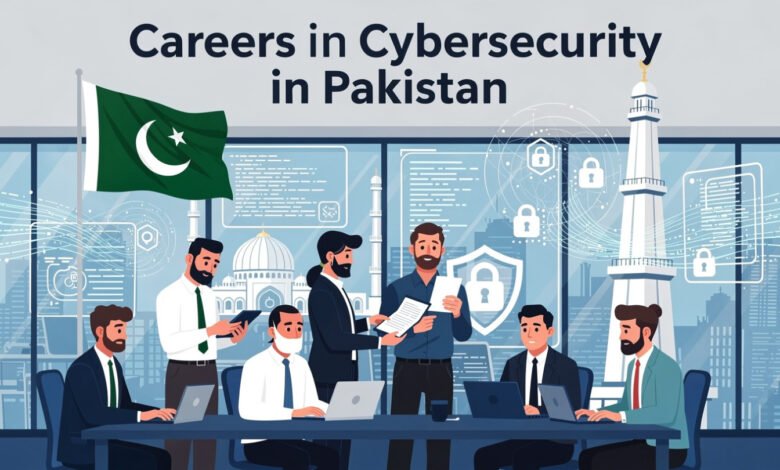
Careers in cybersecurity in Pakistan are no longer a niche conversation — they are fast becoming one of the most urgent topics in the country’s tech landscape. Pakistan is currently ranked 79th globally in cybersecurity readiness, and the government has set an ambitious target of breaking into the top 50. With over 20,000 cyberattacks reported in the past two decades, causing an estimated $20 billion in losses, the urgency to build a skilled cybersecurity workforce in Pakistan has never been greater.
The numbers tell a compelling story. Pakistan’s cybersecurity market is projected to grow at 12.85% annually, reaching US$288.70 million by 2028. Banking malware attacks jumped 114% in 2024 alone. The government launched the National Centre for Cyber Security (NCCS) in 2018, and as of 2026, a full National Cyber Security Authority is being established to coordinate national-level digital defense.
For students, fresh graduates, and working professionals looking to pivot, this is one of the best windows of opportunity the Pakistani tech industry has offered in years. The demand is real, the salaries are competitive, and the career paths are varied. Whether you are drawn to ethical hacking, cloud security, digital forensics, or governance and compliance, this guide breaks down everything you need to know — from entry-level roles and essential skills to certifications, universities, and what you can realistically expect to earn.
Why Cybersecurity Careers in Pakistan Are Booming Right Now
Pakistan’s digital economy is growing at a pace that has outrun its security infrastructure. More businesses are moving online, more financial transactions are happening through mobile apps, and government services are being digitized at scale. Every one of these shifts creates new vulnerabilities — and that is where cybersecurity professionals come in.
A few developments are particularly driving demand:
- Rising cybercrime: The Federal Investigation Agency’s (FIA) National Response Centre for Cyber Crimes (NR3C) has reported a consistent increase in cyberattacks targeting banks, telecom providers, and government institutions.
- Digital Pakistan initiative: The government’s push to expand broadband access and digital public services has dramatically expanded the attack surface for bad actors.
- Banking sector pressure: With banking malware attacks up 114% in 2024, financial institutions are under serious pressure to hire qualified information security specialists.
- International compliance requirements: Companies working with overseas clients — especially in the EU and US — need to meet data protection standards like GDPR, which requires dedicated compliance and risk management professionals.
- PECA updates: Amendments to the Prevention of Electronic Crimes Act are aligning Pakistani law with international standards, creating demand for legal-tech and GRC (Governance, Risk, and Compliance) professionals.
The professional services sector in cybersecurity is growing at 7.45% annually, Karachi alone is expected to see a 30% increase in cybersecurity jobs by 2026, and Lahore is positioning itself as a serious technology hub with strong hiring from both local and multinational firms.
Top Careers in Cybersecurity in Pakistan
1. Security Analyst
A security analyst is often the first line of defense in any organization. This role involves monitoring networks for suspicious activity, analyzing security incidents, and recommending fixes. In Pakistan, security analysts are in demand across banking, telecom, fintech, and government agencies.
Typical responsibilities:
- Monitoring SIEM (Security Information and Event Management) tools
- Investigating alerts and security incidents
- Writing reports on vulnerabilities and recommended fixes
- Coordinating with IT teams to patch security gaps
Salary range: PKR 600,000 to PKR 1,200,000 annually at the entry to mid level. Senior analysts can earn upward of PKR 2,500,000.


2. Penetration Tester (Ethical Hacker)
Ethical hacking is one of the most exciting and well-compensated paths in Pakistani cybersecurity. Penetration testers are hired to legally hack into systems before bad actors can. They simulate real-world attacks to find weaknesses.
Companies like banks, telecom firms, and IT consultancies hire penetration testers regularly. Pakistani freelancers in this space also compete on international platforms, earning in foreign currency.
Key skills needed: Knowledge of tools like Metasploit, Burp Suite, and Kali Linux; understanding of TCP/IP protocols; scripting in Python or Bash.
Salary range: PKR 1,200,000 to PKR 2,500,000 annually, depending on experience and certifications.
3. SOC Analyst (Security Operations Center)
SOC analysts are the around-the-clock watchdogs of an organization’s digital environment. They work in shifts, monitoring dashboards, correlating logs, and responding to threats in real time.
This is a great entry point for fresh graduates because many organizations — especially banks and large tech companies — run dedicated SOC teams and are actively hiring. The career path from a junior SOC analyst to a senior threat hunter can be very lucrative.
Salary range: PKR 700,000 to PKR 1,500,000 at mid level. Senior SOC analysts at international companies can command USD 95,000 to USD 120,000.
4. Network Security Engineer
Network security engineers design and maintain the defenses protecting an organization’s internal and external networks. This includes setting up firewalls, VPNs, intrusion detection systems, and ensuring traffic filtering rules are properly configured.
With Pakistan’s growing enterprise IT sector — especially in Karachi and Islamabad — network security engineers are one of the most consistently in-demand roles.
Salary range: PKR 1,500,000 to PKR 3,800,000 annually. The average for senior-level positions in Islamabad sits around PKR 3,808,456 per year.
5. Cloud Security Specialist
As Pakistani businesses adopt cloud platforms like AWS, Azure, and Google Cloud, the demand for cloud security specialists has gone from a nice-to-have to a critical hire. This role focuses on securing cloud infrastructure, managing access controls, and ensuring data encryption and compliance in cloud environments.
This is one of the fastest-growing specializations globally and in Pakistan. Professionals combining cloud knowledge with security certifications are in short supply and command strong salaries.
Salary range: PKR 1,800,000 to PKR 4,000,000 annually, depending on cloud platform expertise and certifications.
6. Digital Forensics Analyst
Digital forensics involves investigating cybercrime after it has occurred. Analysts recover deleted data, trace attack origins, and prepare evidence for legal proceedings. In Pakistan, the FIA, NADRA, and private law firms all hire digital forensics professionals.
This role sits at the intersection of law, IT, and investigative work — making it appealing for people who want more than just a technical career.
Salary range: PKR 900,000 to PKR 2,000,000 annually, with government positions on the lower end and private consultancies paying more.
7. Chief Information Security Officer (CISO)
The CISO is the senior executive responsible for an organization’s entire security strategy. This is the pinnacle of a cybersecurity career and requires years of experience across multiple domains. In Pakistan, large banks, telecom companies, and multinationals are actively recruiting CISOs as data protection becomes a board-level priority.
Salary range: PKR 4,000,000 to PKR 8,000,000+ annually, with additional benefits and performance bonuses.
Essential Skills for a Cybersecurity Career in Pakistan
Regardless of which specific role you are targeting, a few foundational skills are non-negotiable in Pakistan’s cybersecurity job market:
Technical Skills
- Network security: Understanding firewalls, VPNs, IDS/IPS systems, and protocols like TCP/IP
- Operating systems: Proficiency with Linux (especially Kali Linux for security testing) and Windows Server environments
- Programming and scripting: Python, Bash, and PowerShell are widely used for automation and tool development
- Cloud platforms: Familiarity with AWS, Azure, or Google Cloud security services
- SIEM tools: Hands-on experience with Splunk, IBM QRadar, or Microsoft Sentinel
- Incident response: Ability to detect, contain, and recover from security breaches
- Vulnerability assessment: Using tools like Nessus, Nmap, and OpenVAS
Soft Skills
Technical skills alone won’t carry you far. Pakistani employers in the cybersecurity space are actively looking for professionals who can also:
- Communicate complex security findings clearly to non-technical management
- Work effectively under pressure during live incidents
- Think critically and creatively — because attackers do
- Write clear reports and documentation
- Stay current with a rapidly evolving threat landscape
Cybersecurity Certifications That Actually Matter in Pakistan
Certifications are arguably the fastest way to signal credibility in the Pakistani cybersecurity job market, especially for those without years of experience. Here are the certifications that employers in Pakistan specifically look for:
CEH — Certified Ethical Hacker
Offered by EC-Council, the CEH certification is widely recognized in Pakistan and is a common requirement for penetration testing and ethical hacking roles at banks, fintech companies, and IT firms.
CISSP — Certified Information Systems Security Professional
The CISSP is the gold standard globally and carries real weight in Pakistan, particularly for senior roles. CISSP-certified professionals in Pakistan earn up to 25–30% more than their uncertified peers. It covers eight domains of security, from risk management to software development security.
CompTIA Security+
A good starting point for those entering the field. CompTIA Security+ is vendor-neutral, internationally recognized, and increasingly accepted as a baseline qualification in Pakistan’s IT hiring process.
OSCP — Offensive Security Certified Professional
For those targeting serious penetration testing roles, the OSCP is the most respected hands-on certification in the field. It requires passing a 24-hour practical exam. It’s demanding but commands significantly higher salaries.
CISM — Certified Information Security Manager
Ideal for those moving into governance, risk, and compliance (GRC) roles. The CISM is valued by banks, regulatory bodies, and large enterprises in Pakistan.
AWS/Azure Security Certifications
Cloud-specific security certifications from AWS (like the AWS Certified Security – Specialty) or Microsoft (AZ-500) are gaining traction in Pakistan as cloud adoption accelerates.
Where to Study Cybersecurity in Pakistan
Pakistan’s higher education system has made meaningful progress in building cybersecurity capacity. Several universities now offer dedicated programs, and the government has backed this through the National Centre for Cyber Security (NCCS), a joint initiative of the Higher Education Commission (HEC) and the Planning Commission, which established R&D labs across 11 universities.
Notable universities and institutions for cybersecurity education in Pakistan include:
- NUST (National University of Sciences and Technology): One of the top choices, with dedicated labs and strong industry ties including partnerships with Huawei and the PAF Cyber Range
- Air University, Islamabad: Serves as the NCCS secretariat and hosts labs in cyber crime forensics and smart device security
- COMSATS University: Offers programs with a focus on information security and cloud security
- Capital University of Science and Technology (CUST): Provides a BS in Cyber Security covering ethical hacking, digital forensics, and network security
- UET Lahore: Strong engineering foundation with emerging cybersecurity specializations
- NED University, Karachi: Nationally recognized, with cybersecurity programs backed by the NCCS network
For those who prefer shorter, skills-focused training, platforms like Al Nafi International College, NexSkill, and several Lahore-based institutes offer diplomas and certification prep courses in cybersecurity, ethical hacking, and cloud security.
You can explore academic programs at NCCS-affiliated universities through the National Centre for Cyber Security official website.
Cybersecurity Salaries in Pakistan — A City-by-City Breakdown
Salaries in cybersecurity in Pakistan vary significantly by city, role, and level of experience. Here is a practical breakdown:
Karachi
Karachi is the country’s commercial hub and hosts the highest concentration of banks, telecom companies, and IT firms. The average cybersecurity specialist salary in Karachi sits around PKR 3,340,261 annually as of 2026 — about 9% above Pakistan’s national average. Senior cybersecurity engineers can earn up to PKR 4,200,000.
Islamabad
As the capital and a growing tech hub, Islamabad is attracting international firms and government investment. Security engineer positions in Islamabad average around PKR 3,808,456 per year. The city’s digital transformation agenda is actively creating new cybersecurity roles in both the public and private sectors.
Lahore
Lahore’s tech scene has grown rapidly, with a predicted 28% job growth in the sector. Mid-level cybersecurity roles in Lahore typically range between PKR 600,000 to PKR 1,200,000, while senior security architects average PKR 3,483,376 annually.
Entry-Level vs. Senior Salaries Across Pakistan
| Role | Entry Level (PKR/year) | Mid Level (PKR/year) | Senior Level (PKR/year) |
|---|---|---|---|
| Security Analyst | 600,000 – 800,000 | 1,000,000 – 1,500,000 | 2,000,000 – 2,500,000 |
| Penetration Tester | 800,000 – 1,200,000 | 1,500,000 – 2,000,000 | 2,500,000+ |
| Network Security Engineer | 900,000 – 1,200,000 | 1,800,000 – 2,500,000 | 3,500,000 – 4,000,000 |
| SOC Analyst | 700,000 – 900,000 | 1,000,000 – 1,500,000 | 2,000,000+ |
| Cloud Security Specialist | 1,000,000 – 1,500,000 | 2,000,000 – 3,000,000 | 3,500,000 – 4,500,000 |
| CISO | N/A | 3,000,000 – 5,000,000 | 6,000,000 – 8,000,000+ |
Certifications like CISSP and CEH can increase salaries by up to 25% across all levels, making them well worth the investment.
Top Employers Hiring Cybersecurity Professionals in Pakistan
If you are actively looking for work, knowing where to look is half the battle. The following types of organizations are the most active hirers in Pakistan’s cybersecurity industry:
Financial Institutions: HBL, UBL, Meezan Bank, and other major banks are under constant regulatory pressure to strengthen their security posture. They hire SOC analysts, security engineers, and compliance officers regularly.
Telecom Companies: PTCL, Jazz, and Telenor all run large network security teams. These companies deal with millions of users and critical national infrastructure, making cybersecurity a core operational function.
IT and Consulting Firms: Companies like System Limited, 10Pearls, and Netsol Technologies actively hire cybersecurity professionals for both internal security and client-facing work.
Government and Defense: FIA’s NR3C, NADRA, and the Ministry of IT regularly recruit for digital forensics, cybercrime investigation, and national infrastructure protection roles.
Multinationals: Huawei, IBM Pakistan, and other global firms operating in Pakistan hire cybersecurity talent, often with competitive compensation and international career exposure.
Job platforms to watch: LinkedIn, Rozee.pk, Indeed Pakistan, and Upwork for freelance and remote cybersecurity work.
Remote and Freelance Cybersecurity Work from Pakistan
One of the most exciting aspects of a cybersecurity career in Pakistan today is the ability to earn in foreign currency without leaving the country. The global cybersecurity talent shortage means Pakistani professionals with the right credentials are in demand worldwide.
Platforms like Upwork, Toptal, and Freelancer.com have active demand for:
- Penetration testing services
- Security code reviews
- Vulnerability assessments
- SOC-as-a-service for small businesses abroad
Pakistani freelancers with an OSCP or CEH certification can charge between $50 to $150 per hour for specialized work, which represents extraordinary earning potential given Pakistan’s currency differential.
The Pakistan Information Security Association (PISA) is also a valuable community for networking, attending workshops, and finding mentors who can help you break into this side of the market.
How to Start Your Cybersecurity Career in Pakistan — A Step-by-Step Path
For anyone starting from scratch, here is a realistic roadmap:
- Build your foundation: Get a bachelor’s degree in Computer Science, Information Technology, or Cybersecurity, or complete a structured diploma program if you are making a career switch.
- Learn the basics independently: Use free platforms like TryHackMe, Hack The Box, and Cybrary to practice hands-on skills.
- Get your first certification: Start with CompTIA Security+ or CEH to signal baseline competency to employers.
- Build a portfolio: Complete Capture the Flag (CTF) challenges, write penetration testing reports, and document your work on GitHub.
- Apply for internships: NR3C, banks, and telecom companies offer internships that provide real-world experience.
- Join communities: PISA and university cybersecurity clubs are excellent for networking and mentorship.
- Target your first job: Apply for SOC analyst or junior security analyst roles. These are the most accessible entry points.
- Keep learning: The cybersecurity field moves fast. Commit to continuous learning and aim for CISSP or CISM as you gain experience.
Challenges in Pakistan’s Cybersecurity Job Market
It would not be honest to write this without acknowledging the real barriers:
- Skill gap: There are more open roles than qualified candidates, which is actually good news for those who invest in their skills but also means the market rewards genuine expertise heavily over superficial knowledge.
- Awareness: Many organizations, especially SMEs, still underestimate cybersecurity risk, which can limit job quality in that segment.
- Brain drain: Talented cybersecurity professionals are often hired by international firms or relocate abroad for better pay. This remains a challenge for building a deep local talent pool.
- Education quality: While top universities like NUST and Air University are strong, not all institutions offering cybersecurity programs provide a level of training that prepares graduates for real-world work. Self-study and certifications fill a critical gap here.
Despite these challenges, the trajectory is positive. Government investment, rising corporate awareness, and a growing community of practitioners are gradually addressing each of these issues.
Conclusion
Careers in cybersecurity in Pakistan represent one of the most promising professional paths available to the country’s young, tech-savvy workforce today. With the cybersecurity market projected to reach US$288.70 million by 2028, a 12.85% annual growth rate, the establishment of a National Cyber Security Authority, and consistent demand from banking, telecom, and enterprise IT, the opportunities are real and expanding. Entry-level professionals can start earning PKR 600,000 to PKR 800,000 annually, while experienced specialists with certifications like CISSP, CEH, or OSCP routinely command PKR 3,000,000 to PKR 4,500,000 or more. The key is a deliberate combination of formal education or structured training, recognized certifications, hands-on practice, and active community engagement — the professionals who put these pieces together will find themselves in serious demand in Pakistan’s cybersecurity industry for years to come.