The Rise of AI Influencers: What It Means for Pakistani Content Creators
AI influencers in Pakistan are reshaping brand deals and audience trust. Here's what this shift really means for local content creators.
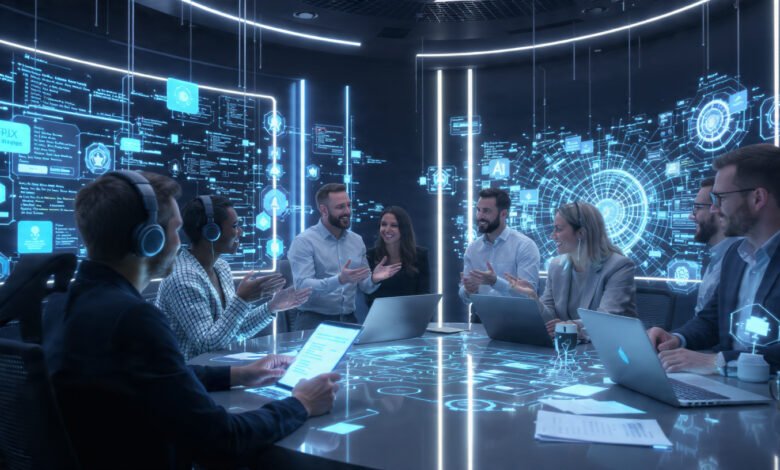
Scroll through Instagram or TikTok in Pakistan today and you might come across a stunningly polished creator who never actually existed. No camera crew, no sick days, no bad hair mornings. Just code, a design team, and a personality built from scratch. AI influencers have quietly moved from a niche experiment into a real force in the digital economy, and Pakistan is not sitting on the sidelines.
For years, the country’s creator economy has been built on personality, relatability, and cultural connection. Local vloggers, beauty reviewers, and comedians built their followings by being unmistakably human. Now that model is being tested by digital personas who can post at any hour, speak in multiple languages instantly, and never ask for a raise.
This shift raises real questions for Pakistani content creators. Are AI-generated personalities a threat to their livelihoods, or just another tool they can use to their advantage? This article looks at how AI influencers work, why brands are drawn to them, what risks come with the trend, and how creators in Pakistan can stay relevant and competitive as this technology becomes part of everyday digital marketing.
What Are AI Influencers, Exactly?
An AI influencer is a computer-generated persona, usually built with 3D modeling, generative image tools, and sometimes AI voice or video generation, that behaves like a real social media personality. These digital characters have names, backstories, personalities, and consistent visual styles. Some are photorealistic. Others lean into an obviously animated or stylized look.
Well-known global examples include Lil Miquela, a virtual influencer with millions of followers, and Aitana Lopez, a Barcelona-based AI model created by a marketing agency after it struggled to work reliably with human influencers. These personas post fashion content, promote products, and even “collaborate” with real celebrities, all managed entirely behind the scenes by a human team.
In Pakistan, the trend is still young but growing. Search interest and social content around terms like “Pakistani AI influencer” have picked up noticeably on platforms like TikTok, where creators are experimenting with AI-generated Pakistani models, actresses, and lifestyle personas built using tools like Midjourney, Stable Diffusion, and AI video generators.
Why AI Influencers Are Gaining Ground in Pakistan
A few practical and economic factors explain why this trend is picking up speed locally.
Lower Production Costs
Hiring a human influencer means paying for their time, their team, travel, wardrobe, and often a fee tied to their follower count. An AI influencer, once built, can be reused indefinitely. A brand can generate new content in minutes without booking a shoot, coordinating a location, or managing a talent contract. For small and mid-sized Pakistani businesses working with tight marketing budgets, that difference matters.
Rising Digital Literacy and Smartphone Penetration
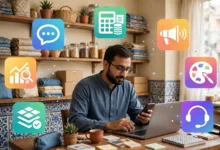
Pakistan has one of the fastest-growing mobile internet populations in the region, and platforms like TikTok and Instagram dominate daily screen time among younger users. As access to generative AI tools becomes easier and cheaper, more creators and small agencies are experimenting with building their own digital personas rather than relying solely on human talent.
Brand Interest in Fresh, Controllable Content
Brands like predictability. A human influencer can go off-script, get involved in controversy, or simply lose interest in a partnership. An AI influencer says exactly what it’s programmed to say, stays on-brand permanently, and never generates a scandal that a PR team didn’t plan for. That level of control is appealing to marketing teams that want consistency above all else.
How AI Influencers Actually Work
Building an AI influencer generally follows a similar process:
- Character design using AI image generation tools to create a consistent face, body type, and style.
- Personality development, including a backstory, tone of voice, and content themes.
- Content generation, using AI tools to produce images, short videos, or even voice clips.
- Platform management, where a human team handles posting schedules, captions, audience replies, and brand outreach.
Despite looking automated, most successful AI influencers are actually run by real people behind the scenes. The “AI” part is mostly about how the visual content and voice are produced, not that the account runs itself without human oversight.
What This Means for Pakistani Content Creators
This is the part that matters most to anyone building a career as a creator in Pakistan right now.
New Competition for Brand Deals
Brands that once had a fixed budget for human influencer partnerships now have an alternative. If an AI influencer can deliver similar reach at a lower cost with none of the scheduling headaches, some marketing budgets may shift away from traditional creator deals, especially for straightforward product promotion content that doesn’t rely heavily on personal storytelling.
This is a genuine concern for Pakistani content creators working in categories like beauty, fashion, and lifestyle, where visuals often matter more than personal narrative.
New Opportunities to Collaborate with AI
On the flip side, AI is also becoming a production tool rather than just a competitor. Creators can use AI to:
- Generate background visuals or B-roll footage without expensive equipment
- Write and refine captions faster
- Create thumbnails and cover art
- Translate content into Urdu, English, or regional languages instantly
- Experiment with voiceovers or dubbing for wider reach
Used this way, AI becomes an assistant that helps a real creator produce more content with fewer resources, rather than a replacement for their voice.
A Shift in Required Skills
The skills that made someone a successful creator five years ago (consistency, camera presence, editing basics) are no longer enough on their own. Understanding how to work alongside AI tools, from scripting to visual generation, is becoming a practical requirement for creators who want to stay efficient and competitive.
Real Examples Emerging in Pakistan
While Pakistan doesn’t yet have an AI influencer with the global reach of Lil Miquela, activity is building. TikTok has seen a rise in accounts producing AI-generated Pakistani models and actresses, along with tutorial content teaching people how to build their own AI persona from scratch. Meanwhile, rankings of the country’s top digital talent, such as the ones published by Favikon’s influencer directory, still show human creators dominating the top spots, particularly those built around personal connection, humor, and lifestyle content that feels authentically local.
Instagram influencer rankings, including data tracked by platforms like StarNgage, also confirm that Pakistan’s influencer economy is still overwhelmingly driven by real personalities with engaged, culturally connected audiences. That’s an encouraging sign for human creators, at least for now.
The Risks and Ethical Questions
The rise of AI influencers in Pakistan doesn’t come without real concerns, both for creators and for audiences.
Authenticity and Trust
Pakistani audiences, like most audiences, follow creators because they feel like real people they can relate to. When a persona turns out to be entirely AI-generated without disclosure, it can damage trust, not just in that account but in influencer marketing generally. Transparency about AI-generated content is becoming a bigger expectation from both regulators and audiences worldwide.
Job Displacement Fears
For creators who depend on brand partnerships as a primary source of income, the idea of being undercut by a cheaper, always-available AI persona is a legitimate worry. Entry-level influencer work, such as basic product placement content, is the most exposed to this shift.
Cultural Sensitivity
AI-generated content is often trained on global datasets that may not reflect local Pakistani culture, dress, language nuance, or social norms accurately. Poorly executed AI personas can come across as tone-deaf or disconnected from the audience they’re meant to represent, which can backfire for brands trying to build genuine local trust.
How Pakistani Creators Can Adapt and Thrive
Rather than treating AI as an enemy, many successful creators are learning to work with it. A few practical steps can help:
- Lean into personal storytelling. AI can mimic a look and a script, but it can’t replicate lived experience, humor rooted in local culture, or genuine personal history.
- Learn the tools instead of avoiding them. Understanding basic AI content tools makes a creator faster and more efficient, not less relevant.
- Build a community, not just a following. Engagement built on real conversation and trust is far harder for an AI persona to replicate.
- Diversify income streams. Relying solely on brand deals leaves creators vulnerable. Courses, merchandise, memberships, and consulting can add stability.
- Be transparent when using AI tools. Audiences tend to respect honesty about how content is made, and disclosure builds long-term trust rather than eroding it.
- Specialize in niches AI struggles with. Live events, in-person appearances, and community-driven content are harder to fake convincingly.
The Road Ahead
It’s unlikely that AI influencers will fully replace human creators in Pakistan anytime soon. What’s more realistic is a hybrid future, where brands mix AI-generated content for routine promotional work with human creators for content that depends on genuine trust and cultural relevance. The creators who adapt fastest, by learning the tools rather than resisting them, are likely to be the ones who come out ahead.
For Pakistani content creators, the message isn’t that AI is coming to take their jobs. It’s that the definition of a successful creator is expanding to include technical fluency alongside personality and storytelling. Those who treat AI as a production tool rather than a threat will likely find themselves with more opportunities, not fewer.
Conclusion
The rise of AI influencers is changing the rules of content creation in Pakistan, introducing new competition in brand partnerships while also opening up new tools for creators to produce content faster and reach wider audiences. Pakistani content creators who understand how AI works, use it to strengthen rather than replace their personal voice, and stay transparent with their audiences are best positioned to thrive as this technology becomes a permanent part of the digital landscape. The creators who succeed won’t be the ones who ignore AI, but the ones who learn to work alongside it while holding on to what makes them genuinely human.