In-Depth Review Local Payment Gateways for Online Sellers
Payment gateways in Pakistan reviewed for online sellers: JazzCash, Easypaisa, PayFast, Safepay and XPay, with fees, taxes, and fraud lessons.
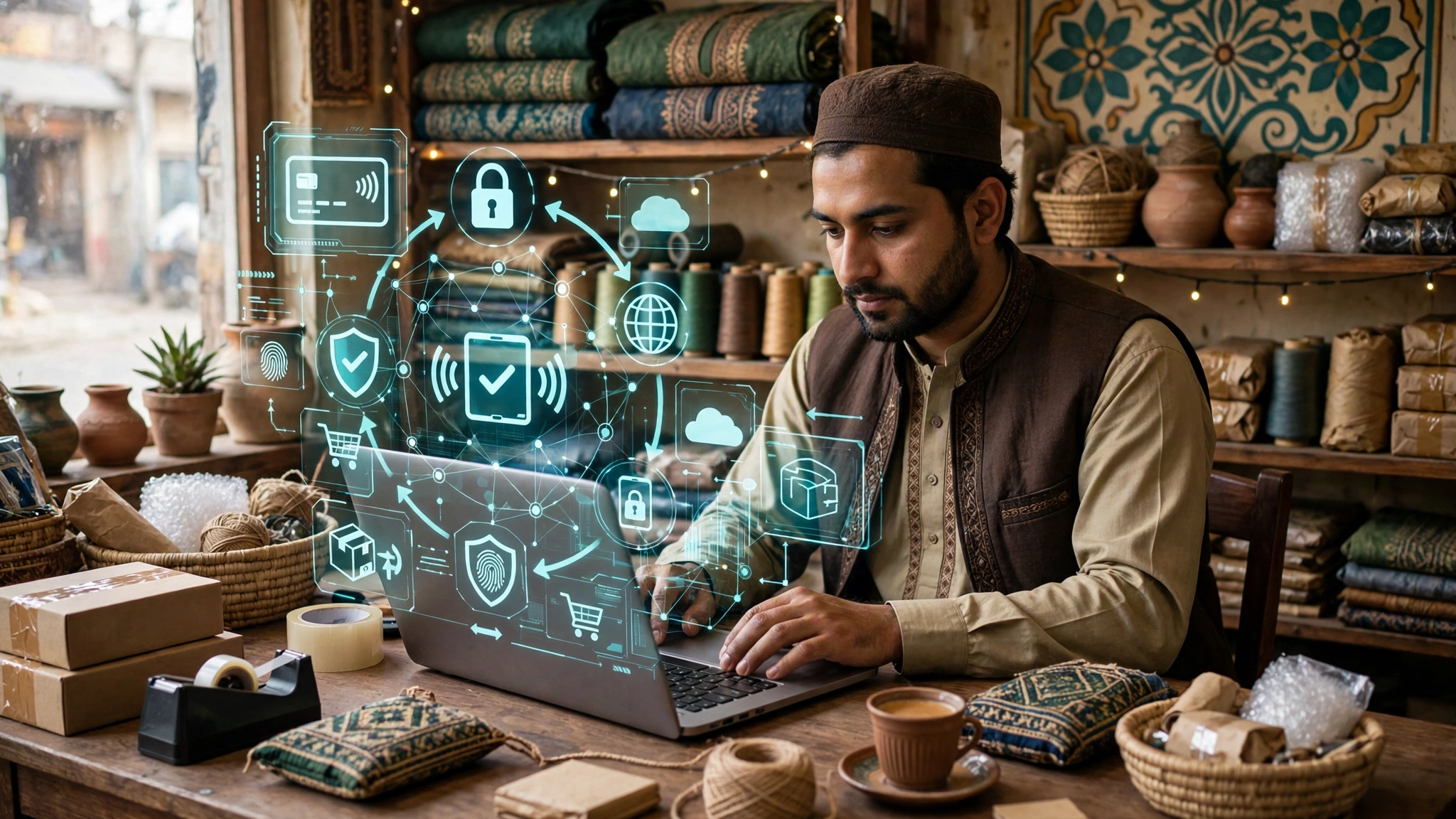
Payment Gateways in Pakistan: 6 Proven Options for Online Sellers and Risky Pitfalls
Introduction
Payment gateways decide whether a Pakistani online store feels like a real business or a risky experiment. For years, most sellers relied on cash on delivery: the customer orders, the courier collects cash, and the seller waits days or weeks for the money, often after paying for returns from customers who simply changed their minds. Digital payments promise faster settlement, fewer fake orders, and a more professional checkout.
The options have grown. Mobile wallets like JazzCash and Easypaisa offer merchant accounts, banks provide card gateways, and newer players such as PayFast, Safepay, and XPay compete on easier integration and modern checkouts. Meanwhile, the State Bank’s Raast instant payment system keeps expanding. PayPal and Stripe, the default choices in many countries, have not been available to Pakistan-based merchants, which pushes most sellers toward local solutions.
Choosing well matters more than ever because the rules have changed. Since July 2025, payment intermediaries must deduct tax on many domestic online sales, and couriers deduct a higher rate on cash-on-delivery orders. At the same time, regulators have cut illegal loan apps off from payment channels, and abroad, the collapse of the payments company Wirecard showed how badly things can go wrong behind a polished brand.
This review compares the main local options honestly, explains fees, settlement, and taxes in plain terms, walks through real cases of misuse, and gives sellers a practical checklist.
How Payment Gateways Work for Pakistani Sellers
The basic flow
- A customer chooses a product and clicks “Pay” on your website, app, or a payment link you sent on WhatsApp or Instagram.
- The gateway shows payment options: card, JazzCash or Easypaisa wallet, bank account, or Raast.
- The customer approves the payment, usually with an OTP or wallet PIN.
- The gateway confirms the payment to your store and moves the money (minus fees and any tax deducted) into your bank account or wallet after a settlement period.
Who regulates them
In Pakistan, payment services fall under the State Bank of Pakistan (SBP). Banks, microfinance banks, Electronic Money Institutions, and licensed payment system operators and providers can offer merchant payment services. A legitimate gateway should be able to show its licence or its partnership with a licensed bank. If a provider can’t explain who holds its licence, don’t trust it with your money.
Fees and settlement
Each gateway charges a transaction fee, usually a percentage of the sale, sometimes plus a fixed amount. Published and reported rates in Pakistan commonly sit somewhere around 1.5 to 3 percent for wallets and cards, but they vary by provider, payment method, and your sales volume. Banks may also charge setup or annual fees for card gateways.
Settlement time is how long it takes for money to reach your account. It can range from same day to several days. For small sellers managing tight cash flow, faster settlement can matter more than a slightly lower fee.
The 2025 e-commerce tax rules
The Finance Act 2025 introduced a new regime for digitally ordered goods. From July 2025, payment intermediaries, including banks and digital gateways, must withhold 1 percent tax on payments for such sales, while couriers handling cash-on-delivery orders withhold 2 percent before passing money to the seller. Online sellers also face registration requirements, with penalties for those who fail to register. The FBR implemented these rules through a notification in August 2025, as summarised in KPMG’s note on Pakistan’s withholding tax for digitally ordered goods.
Two things follow for sellers. First, digital payments currently carry a lower deduction than cash on delivery, which adds to the case for accepting them. Second, tax rules change with each budget, so check whether the 2026 Finance Act revised these rates before you plan your pricing, and speak to a tax adviser if you’re unsure.

Security basics
Reputable gateways follow PCI DSS, the global security standard for card data, and use hosted checkout pages or secure fields so card numbers never touch your own server. That protects both your customers and you from data breaches you’d otherwise be responsible for.
6 Local Payment Gateways Reviewed
Fees and features below come from published information and third-party reporting, and they change often. Always ask for a written quote based on your expected monthly volume.
| Gateway | Type | Payment methods | Best for | Watch out for |
|---|---|---|---|---|
| JazzCash Merchant | Mobile wallet provider | Wallet, cards, bank transfer | Sellers whose customers mostly use JazzCash | Integration and support quality vary |
| Easypaisa Merchant | Mobile wallet provider | Wallet, cards | Small businesses reaching wallet users | Check fees and settlement terms |
| PayFast | Licensed payment gateway (APPS) | Cards, wallets, bank accounts | Sellers wanting a broad local gateway | Checkout design and integrations feel basic to some |
| Safepay | Fintech gateway | Cards, wallets | Developer-friendly stores, modern checkout | Reported fees around 2.9% + Rs 30 domestic |
| XPay | Fintech gateway (XStak) | Cards, wallets, payment links | Stores wanting on-site checkout | Newer; compare pricing carefully |
| Bank gateways (e.g. Alfa, HBL, MCB, UBL) | Bank-run | Cards, sometimes wallets via partners | Established businesses | Setup and yearly fees can be high |
JazzCash and Easypaisa merchant accounts
These are the most familiar options for Pakistani customers. Many buyers, especially outside big cities, don’t have debit cards but do have a wallet. Offering JazzCash and Easypaisa can therefore reach customers that card-only gateways miss. Both offer merchant accounts, QR payments, and online integration. The trade-off is that each covers mainly its own wallet users, so many sellers either add both or use an aggregator gateway that includes them.
PayFast
PayFast, operated by Avanza Premier Payment Systems, is a homegrown gateway that received commercial approval from the SBP in 2021. It supports cards, wallets, and bank accounts in one place and integrates with common platforms like WooCommerce and Shopify. Some competitors argue its checkout is less modern, but its broad method coverage makes it a sensible all-round option.
Safepay
Safepay targets developers and online stores wanting a clean checkout with cards and wallets. It offers APIs and plugins for popular store platforms. Third-party reporting lists its domestic fees at around 2.9 percent plus Rs 30 per transaction, which may be higher than some wallet options, so weigh fees against the conversion benefit of a smoother checkout.
XPay
XPay, part of XStak, focuses on on-site checkout, payment links, and omnichannel tools for retailers selling both online and in stores. It’s worth considering if you want customers to pay without being redirected. As with any newer provider, check its licensing partners and settlement terms clearly.
Bank gateways
Major banks run card gateways for established businesses. They’re stable and widely trusted, but can involve setup fees, annual charges, and more paperwork. Some, like Bank Alfalah’s Alfa gateway, also offer pay-by-link and e-invoicing tools that let social media sellers accept payments without building a full website.
Raast for merchants
The SBP’s Raast system enables instant account-to-account transfers, and its merchant payment features allow customers to pay directly from bank apps, often through QR codes. For sellers already working with a bank that supports it, Raast can be a low-cost way to accept payments, though it’s not yet a full replacement for a gateway with cards and wallets.
Which should you choose?
- Instagram or WhatsApp seller, low volume: wallet merchant accounts or pay-by-link tools.
- Small website store: an aggregator such as PayFast, Safepay, or XPay that covers cards and both major wallets in one integration.
- Growing brand: an aggregator plus a direct bank gateway, negotiated on volume.
- Everyone: keep cash on delivery available if your customers expect it, but encourage prepayment with small discounts.
Real Cases: When Payment Channels Are Misused
Wirecard: the payments giant that wasn’t
Wirecard was once one of Europe’s most celebrated fintech companies, processing payments for merchants worldwide and joining Germany’s top stock index. In June 2020, it admitted that about €1.9 billion supposedly held in trustee accounts in Asia probably didn’t exist. The company filed for insolvency within days. Former CEO Markus Braun was arrested and later went on trial in Munich, while former chief operating officer Jan Marsalek fled and became one of Europe’s most wanted fugitives.
Lesson for sellers: a slick brand, big partnerships, and impressive growth claims don’t prove a payment company is sound. Check licensing, keep settlement cycles short, and don’t let large balances sit with any single provider longer than necessary.
Illegal loan apps cut off from payment channels
In 2022 and 2023, Pakistan saw a wave of unlicensed digital loan apps that lent small sums at extreme costs and then harassed borrowers, including by contacting their families and sharing personal information. Public anger grew after reports linked the harassment to a suicide in Rawalpindi in 2023. The SBP issued a circular in June 2022 denying illegal apps access to banking and payment channels, and the SECP worked with Google, Apple, the PTA, and the FIA to remove about 120 illegal loan apps from app stores in 2023, as reported in Dawn’s coverage of the SECP crackdown. The FIA opened dozens of cases, arrested suspects, and sealed offices.
Lesson for sellers and gateways alike: payment providers are expected to know who their merchants are. If a gateway onboards anyone without checks, it may also be serving criminals, and it may suddenly freeze accounts when regulators step in. Choose providers with proper merchant verification, even if signing up takes a little longer.
Call-centre fraud networks using banks and wallets
More recently, Pakistan’s National Cyber Crime Investigation Agency began investigating a multibillion-rupee network linked to illegal call centres involved in online gambling, fraudulent loan apps, bogus investment platforms, and other scams. Investigators arrested a private bank manager among others, and for the first time recovered Bitcoin from suspects’ crypto wallets, as reported by Gulf News on the call-centre fraud investigation.
Lesson: criminal networks need accounts to receive money. Sellers should never let anyone use their merchant accounts, wallets, or payment links to collect money for other businesses, even for a commission. That’s how ordinary sellers become part of money laundering cases.
Everyday fraud against online sellers
Not every risk involves big headlines. Small sellers in Pakistan regularly face:
- Fake payment screenshots sent on WhatsApp, showing a transfer that never happened.
- Overpayment scams, where a buyer “accidentally” sends too much and asks for a refund before the original payment bounces or is reversed.
- Stolen card purchases, which lead to chargebacks weeks later, after goods have been shipped.
- Fake COD orders and repeated returns that cost courier fees.
A proper gateway helps by confirming payments in your dashboard, flagging suspicious transactions, and handling disputes with evidence.
A Seller’s Checklist for Choosing Payment Gateways
Before you sign up
- Confirm licensing. Ask which SBP-licensed bank or payment institution stands behind the service.
- Match methods to your customers. If most buyers use wallets, make sure both JazzCash and Easypaisa are covered. If you sell to professionals, card support matters more.
- Get the full price. Ask for transaction fees per method, setup fees, annual fees, refund fees, and chargeback fees, in writing.
- Check settlement terms. How many days until money reaches your account? Is there a minimum payout or a rolling reserve?
- Test integration. Use the sandbox or test mode to check the plugin works with your WooCommerce, Shopify, or custom site before going live.
- Ask about support. Find out how disputes and failed payments are handled and whether there’s a real contact person.
Documents you’ll usually need
- CNIC and contact details of the owner.
- A business bank account, ideally in the business name.
- NTN and, where required, sales tax registration.
- A working website or social media business page with clear product, price, refund, and contact information.
Reducing fraud and chargebacks
- Only ship once the payment shows as confirmed in your gateway dashboard, never based on a screenshot.
- Keep proof of delivery, especially for high-value orders.
- Publish a clear refund and return policy, and follow it.
- Be cautious with unusually large first orders, rushed delivery requests to unrelated addresses, or buyers who insist on paying with multiple cards.
- Never refund an “overpayment” until the original payment has fully settled in your account.
Staying on the right side of the law
- Register with the FBR and keep records of all digital sales.
- Reconcile your gateway statements with the tax deducted, and keep certificates so you can claim credit when filing.
- Don’t sell restricted or illegal products. Gateways must close accounts linked to them, and funds can be frozen.
- Never let others process payments through your merchant account.
The Ethical Side of Online Payments
Trust is the real product
Customers in Pakistan prefer cash on delivery mainly because they don’t trust online sellers to deliver. Every seller who takes payment and then ships late, ships the wrong item, or refuses fair refunds makes it harder for honest sellers to move customers to digital payments. Clear policies, honest product photos, and prompt refunds are as important as any gateway feature.
Protect customer data
When customers pay you, they share names, phone numbers, addresses, and sometimes payment details. Use gateways that keep card data off your systems, limit who on your team can see customer information, and never sell or share buyer data. Leaked customer lists fuel exactly the kind of phishing and fraud described in this article.
Don’t become part of someone else’s crime
Renting out your merchant account, wallet, or payment links, sometimes promoted online as “easy commission” work, can tie you to money laundering, illegal gambling, or loan-app extortion. The person whose account receives the money is often the first one investigators contact.
Fair pricing and honest fees
It’s reasonable for sellers to pass on payment costs, but be transparent. Show any extra fee for a payment method clearly before checkout, rather than surprising customers at the last step. Similarly, gateways should publish clear pricing instead of hiding fees in long agreements.
Paying your share
The 2025 tax rules frustrated many small sellers, and the debate over fairness is legitimate. But hiding sales or pushing customers to off-record transfers to avoid tax undermines the move to a documented economy that ultimately makes digital payments cheaper and safer for everyone.
Conclusion
Payment gateways give Pakistani online sellers a way out of the slow, return-heavy cash-on-delivery cycle, and the local options are now strong enough for most businesses: JazzCash and Easypaisa merchant accounts reach wallet users across the country, aggregators like PayFast, Safepay, and XPay combine cards and wallets in one checkout, bank gateways suit established brands, and Raast offers a growing low-cost channel. The right choice depends on your customers’ payment habits, your sales volume, settlement needs, and how easily the gateway fits your store, and since July 2025 it also affects how much tax is deducted, with digital payments currently withheld at a lower rate than cash on delivery. The real cases show why diligence matters: Wirecard’s collapse proved that impressive payment brands can hide serious problems, the crackdown on illegal loan apps showed regulators cutting off payment channels used for abuse, and call-centre fraud networks showed how criminals rely on other people’s accounts. Choose a licensed provider, get fees and settlement terms in writing, confirm payments in your dashboard rather than trusting screenshots, protect customer data, never rent out your merchant account, and keep your tax records clean.