Rising Fuel Prices in Pakistan: 7 Surprising Ways They’re Transforming Car Buying Trends
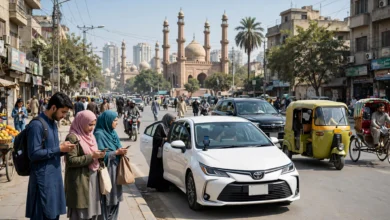
Rising fuel prices in Pakistan are reshaping how buyers choose cars, pushing demand toward fuel-efficient and hybrid vehicles nationwide.
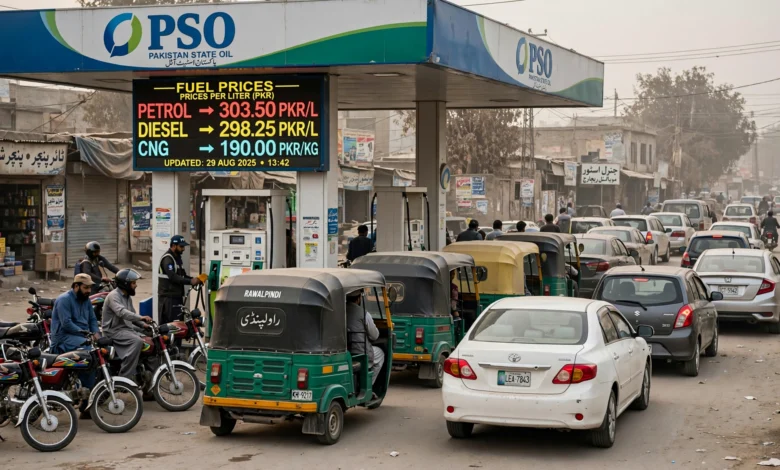
Rising fuel prices in Pakistan have quietly rewritten the rulebook for anyone shopping for a car. A decade ago, buyers mostly asked about engine power, seating comfort, and resale value. Today, the first question at almost every showroom is simple: how many kilometers will this car give me per liter? That shift did not happen overnight.
It followed years of currency depreciation, import duty hikes, and petrol prices that have more than doubled since 2020. For a country where the average household spends a large chunk of its income on transportation, this is not a minor inconvenience. It is a financial decision that touches nearly every family.
This article looks at how fuel prices in Pakistan are changing what people buy, how they finance it, and even where they choose to live relative to work. We will walk through the shift toward smaller engines, the rise of hybrid and electric ve
hicles, changing preferences between sedans and SUVs, and what this means for the used car market. Whether you are planning your next car purchase or simply curious about where the auto market in Pakistan is heading, this guide breaks down the trends with real numbers and practical context, not just guesswork.
1. Why Rising Fuel Prices Are Reshaping the Pakistani Auto Market
Pakistan’s fuel prices have climbed sharply over the past few years, driven by a mix of global oil price swings, rupee devaluation, and government taxation through the petroleum levy. Petrol that once cost under PKR 100 per liter now regularly trades well above PKR 250, depending on international crude trends and the exchange rate at the time.
This matters because car buying trends in Pakistan are closely tied to running costs, not just the sticker price. A car that costs PKR 3 million but burns fuel quickly can end up costing a buyer more over five years than a slightly pricier but more efficient alternative. Buyers have caught on to this math, and dealerships across Lahore, Karachi, and Islamabad report that fuel economy questions now come up in nearly every customer conversation.
A few forces are driving this shift:
- Currency depreciation has made imported fuel and imported vehicle parts more expensive across the board.
- Petroleum levy increases by the government have added a fixed tax burden on every liter sold, regardless of the global oil price.
- Reduced household purchasing power means buyers are stretching every rupee further, and fuel is one of the largest recurring costs of car ownership.
2. The Shift Toward Smaller, More Fuel-Efficient Engines
One of the clearest changes in car buying trends in Pakistan is the steady move away from larger engines toward smaller, more efficient ones. Cars with 1300cc to 1500cc engines, once considered a mid-range choice, are now the sweet spot for many families who previously would have opted for 1800cc or larger vehicles.
Why Smaller Engines Are Winning
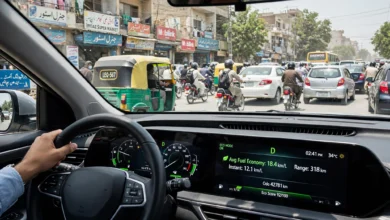
Smaller engines consume less fuel per kilometer, and with fuel prices in Pakistan eating deeper into monthly budgets, that difference adds up fast. A car averaging 18 km/l versus one averaging 12 km/l can mean a difference of tens of thousands of rupees a year for someone who commutes daily.
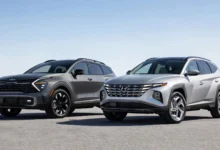
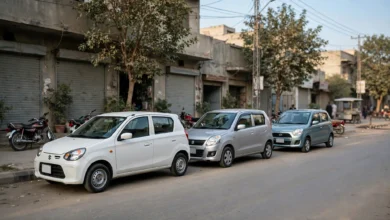
- Compact hatchbacks and small sedans have seen renewed interest, especially among first-time buyers.
- 660cc to 800cc kei cars, popular in the used import segment, continue to sell well because of their exceptional mileage.
- Buyers are increasingly comparing fuel consumption figures before comparing features, which was rarely the case a decade ago.
The Trade-Off Buyers Are Accepting
Choosing a smaller engine often means giving up some power, cabin space, or highway comfort. Many buyers say they are willing to accept this trade-off because the monthly fuel bill matters more to them than occasional long-distance comfort. This is a notable change in mindset, and it reflects how deeply rising fuel prices have influenced everyday financial priorities.
3. Hybrid Vehicles Are Moving From Niche to Mainstream
Hybrid cars used to be a niche choice in Pakistan, bought mostly by early adopters or people bringing in used imports from Japan. That is changing quickly. Local assemblers have started offering hybrid variants of popular models, and buyers are increasingly willing to pay a premium upfront if it means lower fuel costs down the road.
What’s Driving Hybrid Demand
- Lower running costs: Hybrid vehicles typically offer 30 to 40 percent better fuel economy than their petrol-only counterparts in city driving conditions.
- Government incentives: Reduced duties on hybrid electric vehicles (HEVs) have made them more price competitive compared to a few years ago.
- Resale confidence: Hybrid models are holding their value better in the used car market because demand for them keeps growing.
Buyers who previously dismissed hybrids as too expensive are now running the numbers over a five-year ownership period and finding that the higher purchase price often pays for itself through fuel savings, particularly for people who drive long distances for work.
4. Electric Vehicles: Still Small, But Growing Fast
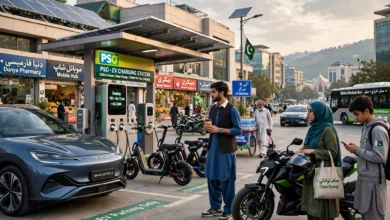
Electric vehicles (EVs) remain a small slice of the Pakistani market, but interest is growing faster than most industry watchers expected two or three years ago. Charging infrastructure is still limited outside major cities, and that remains the biggest barrier to wider adoption.
Where EV Interest Is Concentrated
- Urban buyers in Karachi, Lahore, and Islamabad, where charging stations are more available.
- Buyers who already have solar panels at home and can charge vehicles at a fraction of grid electricity costs.
- Younger, tech-savvy buyers who are comfortable with newer technology and less attached to traditional petrol engines.
The government has introduced policy support for local EV assembly and reduced import duties on electric vehicle components, which should help prices come down over the next few years. For now, EVs are a growing story rather than a dominant one, but they represent where car buying trends in Pakistan could be heading as fuel prices continue to climb and battery technology becomes cheaper.
5. SUVs Lose Ground to Sedans and Crossovers
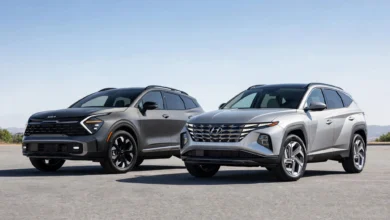
For years, SUVs were the aspirational purchase for many Pakistani families who could afford them. That preference is softening. SUVs generally consume more fuel due to their weight and engine size, and with fuel prices in Pakistan at record highs, many buyers are downsizing to sedans or compact crossovers that offer a similar feel with better mileage.
What Buyers Are Choosing Instead
- Compact crossovers that offer higher seating and a roomier cabin without the fuel penalty of a full-size SUV.
- Mid-size sedans that balance comfort, boot space, and better fuel economy for daily city driving.
- Hatchbacks for buyers who prioritize low running costs above all else, particularly in dense urban traffic where fuel efficiency matters most.
This does not mean SUVs have disappeared from the market. Buyers with higher incomes or those who need the space for large families still purchase them. But the overall share of SUV sales relative to sedans and hatchbacks has shifted noticeably, and dealers report that fuel economy is now a deciding factor even for SUV shoppers, many of whom are gravitating toward hybrid SUV variants where available.
6. Financing and Ownership Patterns Are Changing Too
Rising fuel prices are not just changing what people buy. They are changing how people buy. Car financing in Pakistan has always been sensitive to interest rates, but now buyers are also factoring in total cost of ownership, including fuel, when deciding how much car they can actually afford.
Key Shifts in Buyer Behavior
- Longer ownership periods: Buyers are keeping cars longer rather than upgrading every few years, partly to avoid the cost of adjusting to a new vehicle’s fuel and financing terms.
- Smaller loan amounts: With banks tightening auto financing and interest rates remaining high, buyers are choosing lower-priced, more fuel-efficient models to keep monthly installments manageable alongside fuel costs.
- Growing interest in used cars: The used car market has seen a boost as new car prices climb and buyers look for fuel-efficient options at a lower upfront cost.
According to reporting from Reuters on Pakistan’s economic pressures, rising inflation and currency pressures have directly squeezed household budgets, and transportation costs are one of the first areas where families look to cut back. This economic backdrop helps explain why fuel efficiency has become such a dominant factor in car buying decisions.
7. Regional and Rural Buying Patterns Are Diverging From Urban Trends
Car buying trends in Pakistan are not uniform across the country. Urban buyers in major cities have more access to hybrid and electric options, better dealership networks, and, in some cases, access to public transport alternatives that reduce dependence on personal vehicles. Rural and smaller-city buyers face a different reality.
Rural Buyer Priorities
- Durability and low maintenance cost often outweigh fuel efficiency alone, since long-distance travel over rough roads is common.
- Locally assembled models with widely available spare parts remain popular because repair access is limited outside major cities.
- Motorcycles and small commercial vehicles continue to dominate rural transport choices, partly because they offer far better fuel economy than any car.
This divergence means automakers and dealers cannot apply a single strategy nationwide. What works in Karachi’s showroom floor does not necessarily translate to demand in smaller towns in Punjab or Khyber Pakhtunkhwa, where affordability and durability often outweigh the appeal of newer hybrid technology.
What This Means for Car Buyers in Pakistan Right Now
If you are in the market for a car today, the practical takeaway is straightforward: fuel economy deserves as much attention as price and features. A few points worth keeping in mind:
- Calculate your expected monthly fuel cost based on your typical driving distance, not just the advertised mileage figure, since real-world consumption is usually lower than lab-tested numbers.
- Compare hybrid and petrol variants of the same model over a five-year ownership period before assuming the petrol version is cheaper overall.
- Check resale trends for fuel-efficient models in your city, since demand for these cars tends to hold value better as fuel prices keep rising.
- Consider your actual driving needs rather than aspirational ones. A smaller, efficient car that fits your daily routine will usually save more money than a larger vehicle bought for occasional use.
For broader context on how fuel prices are calculated and adjusted in Pakistan, the Ogra (Oil and Gas Regulatory Authority) pricing mechanism offers useful background on how petroleum levies and international crude prices combine to set the pump price consumers pay each month.
Conclusion
Rising fuel prices in Pakistan have fundamentally changed how people approach car buying, pushing demand toward smaller engines, hybrid technology, and fuel-efficient sedans and crossovers while SUVs and larger vehicles lose some of their earlier appeal. Financing decisions, ownership timelines, and even the growing used car market all trace back to the same underlying pressure: fuel is now one of the biggest ongoing costs of owning a car, and buyers are adjusting accordingly.
As currency pressures and petroleum levies continue to influence pump prices, this trend toward efficiency and practicality is likely to strengthen rather than fade, making fuel economy one of the most important factors for anyone buying a car in Pakistan today.