Hybrid Cars in Pakistan: 7 Powerful Reasons They’re Winning Over Buyers
Hybrid cars in Pakistan are gaining ground fast. Here's why buyers are switching, which models lead the pack, and what to expect next.
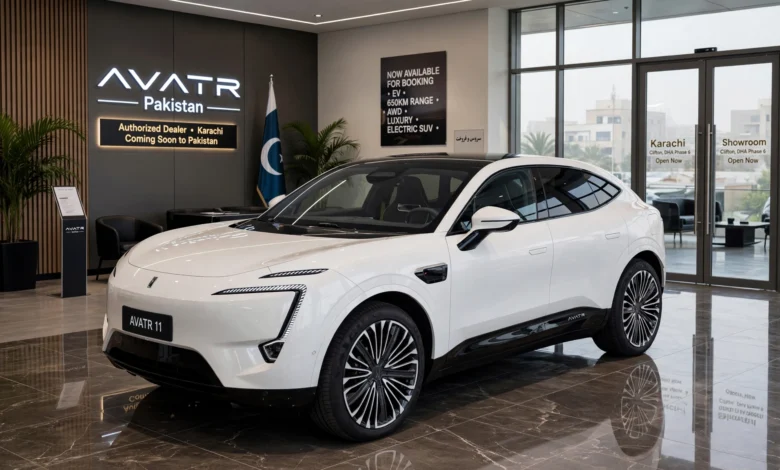
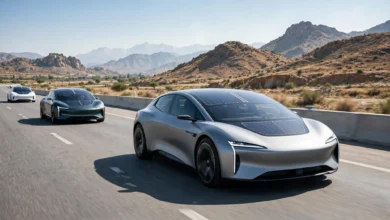
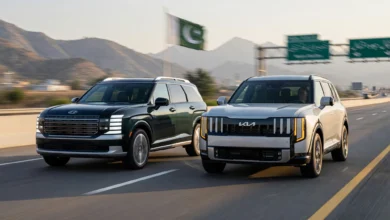
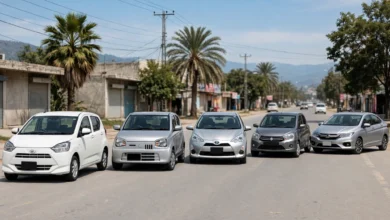
Hybrid cars in Pakistan have moved from a niche curiosity to a mainstream choice in just a few years. Drive through Karachi, Lahore, or Islamabad today and you’ll spot far more Toyota Aqua, Prius, and Honda Fit Hybrid badges than you would have a decade ago. This shift didn’t happen by accident. Rising petrol prices, an unstable rupee, and a growing number of affordable used and locally assembled hybrid options have all pushed buyers to rethink what they drive.
For a country where fuel costs eat a large chunk of the monthly household budget, a car that sips petrol instead of guzzling it makes a real difference. Add to that the government’s tax breaks on hybrid vehicles and the fact that Japanese used imports flood the market with reliable, well-maintained units, and it’s easy to see why hybrids have found such a strong foothold here.
This article looks at the actual reasons behind this trend, the models Pakistani buyers are choosing, the hurdles still standing in the way, and where the market seems to be heading. Whether you’re weighing a new purchase or just curious about the shift happening on Pakistani roads, this should give you a clear picture of what’s driving the change.
What Are Hybrid Cars and How Do They Work?
Before getting into why they’re popular, it helps to understand what a hybrid car actually is. A hybrid vehicle combines a traditional petrol engine with an electric motor and a small battery pack. The two power sources work together, or independently, depending on driving conditions.
At low speeds or during stop-and-go traffic, the electric motor often takes over, cutting fuel use significantly. Once you pick up speed or need more power, the petrol engine kicks in, sometimes working alongside the motor for extra performance. The battery recharges itself through regenerative braking, so there’s no need to plug it in, unlike a fully electric car.
This setup is exactly why hybrids suit Pakistani cities so well. Traffic here means a lot of idling and slow crawling, which is precisely the kind of driving where hybrid technology shines.
Why Hybrid Cars Are Becoming Popular in Pakistan
1. Rising Fuel Prices Are Pushing Buyers Toward Hybrids
This is probably the single biggest factor. Petrol prices in Pakistan have climbed sharply over the past several years, and the swings have made budgeting for fuel unpredictable for a lot of families. A hybrid car can offer fuel economy that’s 30 to 40 percent better than a comparable petrol-only vehicle, particularly in city driving.
For someone doing a daily commute in Lahore or Karachi, that difference adds up fast. A Toyota Aqua, for example, is known to return fuel efficiency well above what most local sedans manage, which is one reason it became one of the best-selling used imports in the country.
2. Lower Import Duties and Tax Incentives
Pakistan’s government has, at various points, offered reduced duties and taxes on hybrid electric vehicles as part of a broader push toward cleaner transport. These policies have made new and used hybrid imports more affordable than they would otherwise be. While the specific tax structure has changed over time and buyers should always check current rates before importing, the general direction has favored hybrids over conventional petrol vehicles.

This kind of policy support, even when it’s inconsistent, has been enough to nudge many buyers who were on the fence toward a hybrid rather than a standard petrol car.
3. Better Resale Value
Hybrid vehicles, especially well-known Japanese models like the Toyota Prius, Aqua, and Honda Vezel, tend to hold their resale value better than many petrol-only cars in the same price bracket. Buyers know hybrids are in demand, fuel savings are real, and Toyota’s hybrid battery systems in particular have built a strong reputation for durability.
This resale confidence matters a lot in Pakistan, where a large share of car buyers eventually plan to sell and upgrade. A car that doesn’t lose value quickly is simply a smarter purchase.
4. Growing Environmental Awareness
Air quality has become a serious concern in major Pakistani cities, with Lahore regularly ranking among the most polluted cities in the world during winter months. While one car switching to hybrid power won’t solve smog on its own, more buyers are factoring emissions into their decision, especially younger, urban car owners who are more tuned into environmental issues.
According to the International Energy Agency, transport is one of the largest contributors to urban air pollution globally, and hybrid and electric vehicles are increasingly seen as part of the solution in developing markets, not just wealthy ones.
5. More Model Options from Toyota, Honda, and Others
A few years ago, hybrid buyers in Pakistan had limited choices. That’s changed. Today you’ll find a solid range of hybrid cars available through both local assemblers and the used Japanese import market, including:
- Toyota Aqua
- Toyota Prius
- Toyota Corolla Cross Hybrid
- Honda Vezel
- Honda Fit Hybrid
- Toyota Yaris Hybrid (in select markets)
This variety means buyers can find a hybrid that fits their budget, whether that’s a compact hatchback for city driving or a larger crossover for families.
6. Improved Reliability and Lower Maintenance Costs
There used to be a common worry that hybrid batteries would fail early and cost a fortune to replace. That fear has largely faded as more hybrids have proven themselves on Pakistani roads over the years. Toyota’s hybrid system, in particular, has a strong track record, with many battery packs lasting well past 150,000 kilometers with proper care.
Routine maintenance costs are often comparable to, or lower than, petrol cars, since the electric motor takes some of the load off the engine and brakes, reducing wear over time.
7. Word of Mouth and Real-World Fuel Savings
Pakistan’s car culture relies heavily on personal recommendations. Once a neighbor or coworker starts talking about how much less they’re spending on petrol each month, others take notice. This kind of organic, real-world proof has done more to sell hybrid cars in Pakistan than any advertising campaign could.
Most Popular Hybrid Cars in Pakistan
If you’re shopping for a hybrid car in Pakistan, these are the models that consistently show up as top choices:
- Toyota Aqua – Compact, affordable, and known for excellent fuel economy in city driving.
- Toyota Prius – The original hybrid icon, still respected for reliability and low running costs.
- Honda Vezel – A popular crossover choice for families wanting more space without giving up efficiency.
- Toyota Corolla Cross Hybrid – A newer entrant that combines SUV-style practicality with hybrid savings.
- Honda Fit Hybrid – A small, practical hatchback favored for tight city streets and easy parking.
Most of these arrive in Pakistan as Japanese used imports, though locally assembled hybrid options have started appearing as manufacturers respond to demand.
Challenges Facing Hybrid Car Adoption in Pakistan
It wouldn’t be a fair picture without mentioning the obstacles that still hold some buyers back:
- Battery replacement costs: While rare, when a hybrid battery does need replacing, the cost can be a shock for buyers unfamiliar with the technology.
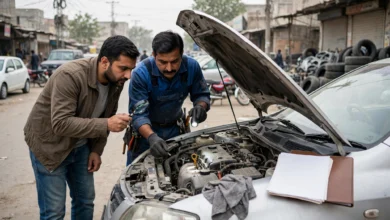
- Limited local expertise: Not every mechanic outside major cities is trained to service hybrid systems properly.
- Import policy changes: Duty and tax structures on hybrid imports have shifted more than once, creating uncertainty for buyers trying to time a purchase.
- Higher upfront price for new units: Brand-new hybrid models still cost more than comparable petrol-only cars, even if the long-term savings even things out.
- Charging and parts availability: While hybrids don’t need external charging, sourcing genuine hybrid-specific parts can sometimes take longer outside big cities.
These aren’t dealbreakers for most buyers, but they’re worth knowing before making a purchase decision.
Hybrid vs Petrol vs Electric Cars in Pakistan
A common question buyers ask is how hybrids stack up against both traditional petrol cars and fully electric vehicles.
Hybrid cars offer a middle ground. You get better fuel economy than a petrol car without needing charging infrastructure, which is still limited in most of Pakistan outside major urban centers. Fully electric vehicles (EVs) are becoming more visible, and government policy has shown interest in encouraging EV adoption, but the lack of widespread charging stations and higher upfront costs still make hybrids the more practical choice for the average buyer right now.
Petrol-only cars remain the cheapest to buy upfront, but with fuel prices where they are, the running costs over a few years often end up higher than what a hybrid owner pays. For buyers trying to balance affordability, practicality, and long-term savings, a hybrid frequently comes out as the sensible middle option.
Future Outlook for Hybrid Cars in Pakistan
The trajectory looks favorable for continued hybrid growth in Pakistan. A few trends point in that direction:
- More local assembly: As demand grows, more manufacturers are likely to assemble hybrid models locally rather than relying solely on imports, which could bring prices down.
- Government policy direction: Pakistan’s broader energy and transport policy has repeatedly signaled interest in reducing fuel import dependence, and hybrids play into that goal.
- Wider service network: As more hybrids hit the road, mechanics and service centers are gradually building up the expertise to support them, even outside the biggest cities.
- Consumer habits shifting: Once a critical mass of buyers experience the fuel savings firsthand, that word-of-mouth effect tends to snowball.
None of this means petrol cars are disappearing anytime soon. But the direction of travel is clear, and hybrids are positioned to keep gaining share of the Pakistani car market. For context on how these trends compare globally, the Pakistan Automotive Manufacturers Association publishes regular data on vehicle sales and market shifts that’s worth checking for anyone tracking the industry closely.
Conclusion
Hybrid cars in Pakistan have gone from a rare sight to a genuine mainstream option, and the reasons are straightforward: rising fuel costs, tax incentives, strong resale value, a wider range of available models, and growing environmental awareness have all combined to make hybrids an appealing choice for everyday buyers. Challenges around battery costs, service availability, and shifting import policies still exist, but they haven’t slowed the momentum.
With more local assembly on the horizon and buyers increasingly convinced by real fuel savings, hybrid vehicles look set to keep growing their presence on Pakistani roads for years to come.