7 Proven Ways to Check a Used Car’s History Before Buying in Pakistan
Check a Used Car's History in Pakistan? Learn how to verify ownership, check for accidents, and confirm documents before you pay.
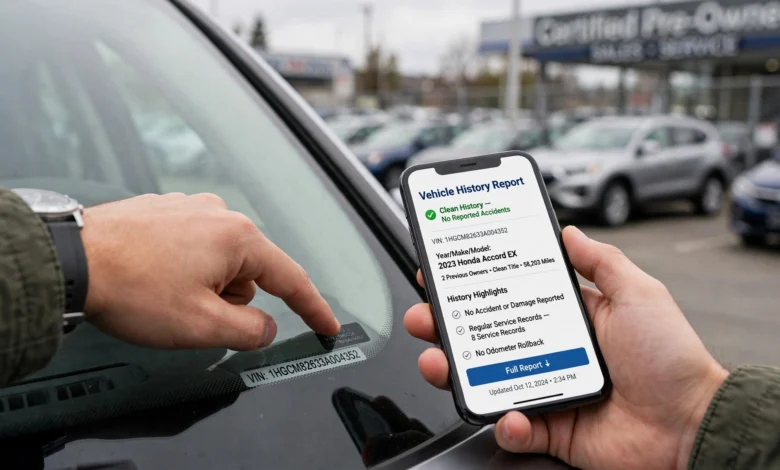
Buying a used car in Pakistan can feel like a gamble if you don’t know what you’re looking for. Every year, thousands of buyers end up with vehicles that have hidden accident damage, disputed ownership, or even stolen chassis numbers, and most of them find out only after the deal is done. The used car market here runs largely on trust and paperwork, which means a seller can hide a lot behind a clean paint job and a confident smile.
That’s why learning how to check a used car’s history before buying isn’t optional anymore, it’s basic due diligence. Whether you’re eyeing a Suzuki Mehran from a friend of a friend or a Toyota Corolla listed on an online marketplace, the steps are largely the same: verify the paperwork, confirm the vehicle’s identity, check for accidents or flood damage, and make sure there’s no loan or legal dispute attached to it.
In this guide, we’ll walk through the practical, real-world methods people in Pakistan use to check a used car history before handing over their hard-earned money. None of this requires special connections or insider knowledge, just a bit of patience and knowing where to look.
Why Checking a Used Car’s History Actually Matters
Pakistan doesn’t have a single centralized, publicly accessible vehicle history database the way some countries do. Registration records are split across provincial excise departments, and information doesn’t always sync smoothly between them. This gap is exactly what dishonest sellers count on.
A car with a rebuilt chassis after a major accident can look perfectly normal from the outside. A vehicle still tied to a bank loan can be sold to an unsuspecting buyer who only finds out when the bank comes looking. And a car reported stolen in one city can quietly reappear for sale in another. Skipping the history check doesn’t just risk your money, it can pull you into legal trouble you never signed up for.
1. Verify the Registration Book and Ownership Documents
The registration book (commonly called the “book” or “smart card” in newer registrations) is your starting point. Before you even think about the engine or the paint, sit down and go through the paperwork carefully.
Things to confirm:
- The name on the registration book matches the seller’s CNIC.
- The chassis and engine numbers in the book match the actual numbers stamped on the vehicle.
- The registration is current and hasn’t lapsed for years without renewal.
- There’s no visible tampering, overwriting, or mismatched ink on the document itself.
If the seller isn’t the original owner, ask for the full chain of ownership transfers. A car that has changed hands five times in two years is worth asking harder questions about.
2. Confirm Vehicle Verification Through the Excise Department
Every province in Pakistan has an Excise and Taxation Department responsible for vehicle registration, and most now offer some form of online or SMS-based verification. You can typically check a vehicle’s registration status, current owner name, and token tax payment history through these portals.
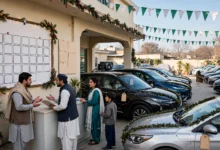
For example, the Punjab Excise and Taxation Department allows residents to verify vehicle registration details online, which is a useful first filter before you go further.
What this step tells you:
- Whether the registration is genuine and matches what the seller claims.
- Whether outstanding token tax or fines are attached to the vehicle (these usually become the new owner’s problem after transfer).
- Whether the vehicle has been reported for any official flags in the system.
This won’t catch everything, but it’s a free and quick way to rule out obvious red flags before spending more time or money.
3. Physically Inspect the Chassis and Engine Numbers
This is one of the most overlooked steps, and one of the most important. Sellers involved in fraud sometimes tamper with or re-stamp chassis numbers to disguise a stolen or accident-damaged vehicle.
Here’s how to do it properly:
- Locate the chassis number stamped on the vehicle body (usually near the engine bay, under the hood, or on the driver’s side door frame) and compare it character by character with the registration book.
- Check the engine number in the same way.
- Look for signs of grinding, re-welding, or fresh paint around the stamped area, which can indicate the numbers were altered.
- If anything looks off, even slightly, walk away or bring in a professional to inspect it before proceeding.
A mismatch here isn’t a minor paperwork error. It’s usually a sign of something you don’t want to buy into.
4. Check for Accident, Flood, or Structural Damage
A car’s history isn’t just about paperwork, it’s also about what’s physically happened to it. Pakistan sees its share of monsoon flooding, and flood-damaged vehicles are sometimes cleaned up and resold without disclosure.
Signs to look out for:
- Uneven panel gaps or paint that doesn’t quite match between panels, which can point to bodywork after an accident.
- A musty smell inside the cabin, water stains under the carpet, or rust in unusual spots like under the seats, all common signs of past flooding.
- Overspray on rubber seals, plastic trims, or the engine bay, which suggests recent repainting.
- Check the odometer reading against the car’s overall condition. A car with 40,000 km on the clock but heavily worn pedals and seats might have had its mileage rolled back.
If you’re not confident spotting these signs yourself, this is exactly where a professional inspection earns its cost back many times over.
5. Make Sure the Car Isn’t Stolen or Under a Loan
This step is non-negotiable. Buying a car that’s still financed or reported stolen can leave you out of pocket and without a vehicle, even if you paid in good faith.
To check for this:
- Ask directly whether the vehicle has any outstanding bank loan or leasing agreement, and request written confirmation if the seller says no.
- Where available, check with local police or through the excise verification portal whether the vehicle has been reported stolen.
- For leased vehicles, banks typically hold the original registration book until the loan is fully paid off. If the seller can only show a photocopy or a “duplicate” book, treat that as a serious warning sign.
- Insist on a No Objection Certificate (NOC) from the financing bank if the car was ever leased, confirming the loan has been cleared.
Skipping this step is how buyers end up in court over a car they thought they legally owned.
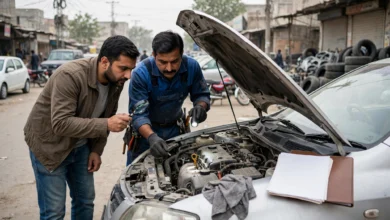
6. Get a Professional Pre-Purchase Inspection
Even if you’ve done all the paperwork checks yourself, it’s worth paying for an independent, professional inspection before finalizing the deal. A trained mechanic or inspection service can catch things an untrained eye simply won’t, like a poorly repaired accident, a worn-out suspension hiding under new tires, or early signs of engine trouble.
A typical pre-purchase inspection covers:
- Engine health and compression testing
- Suspension and steering condition
- Body and paint thickness measurement (to detect repainted panels)
- Electrical systems, air conditioning, and other functional checks
- A test drive to assess how the car actually performs
Many inspection services in major cities like Karachi, Lahore, and Islamabad now offer this at a reasonable, flat fee, and it’s one of the smartest few thousand rupees you’ll spend in the entire buying process.
7. Use Online Platforms and Verified Listings
Online marketplaces have made the used car buying process in Pakistan considerably more transparent than it used to be. Platforms like PakWheels list detailed vehicle information, seller history, and in some cases inspection reports or certified listings, which can give you an extra layer of confidence before you even meet the seller.
Ways to use these platforms to your advantage:
- Look for listings that include inspection certificates or detailed condition reports.
- Check the seller’s profile and posting history on the platform, a seller who’s flipped ten cars in six months is likely a dealer, not a private owner, and that changes how you should negotiate.
- Compare the asking price against similar listings to see if the price is unusually low, which can sometimes signal a hidden problem.
- Read buyer reviews or forum discussions about the specific make and model to learn about common issues with that car.
These platforms aren’t a replacement for physical inspection, but they’re a genuinely useful starting filter.
Red Flags That Should Make You Walk Away
Some warning signs are strong enough on their own to end the deal, no matter how good the car looks otherwise:
- The seller is unwilling to provide the original registration book, only photocopies.
- Chassis or engine numbers don’t match the registration document.
- The seller pressures you to close the deal quickly, discouraging inspection or verification.
- The price is significantly below market value with no clear explanation.
- The seller isn’t the person named on the registration book and can’t explain the ownership gap clearly.
Trust your instincts here. If something feels rushed or evasive, it usually is.
Final Thoughts
Checking a used car’s history in Pakistan takes a bit more legwork than in countries with centralized vehicle databases, but it’s far from impossible. Between verifying the registration book, confirming details through the excise department, physically checking chassis and engine numbers, inspecting for accident or flood damage, ruling out loans or theft, getting a professional inspection, and using verified online listings, you can significantly reduce your risk of buying a problem car.
It takes an afternoon or two of extra effort, but it’s a small price to pay compared to the cost, financial and legal, of discovering these issues after the sale is final. Take your time, ask direct questions, and don’t let anyone rush you past the checks that protect your money.