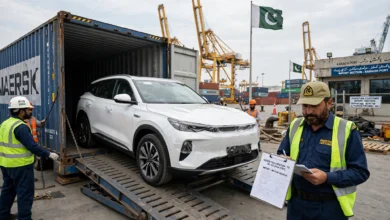
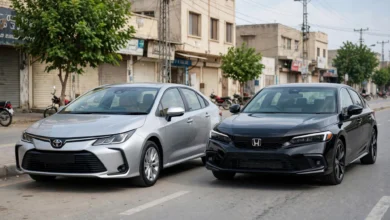
A Complete Guide to Buying Your First Car in Pakistan
Buying your first car in Pakistan? Here's a practical, step-by-step guide covering budget, financing, paperwork, and inspection.
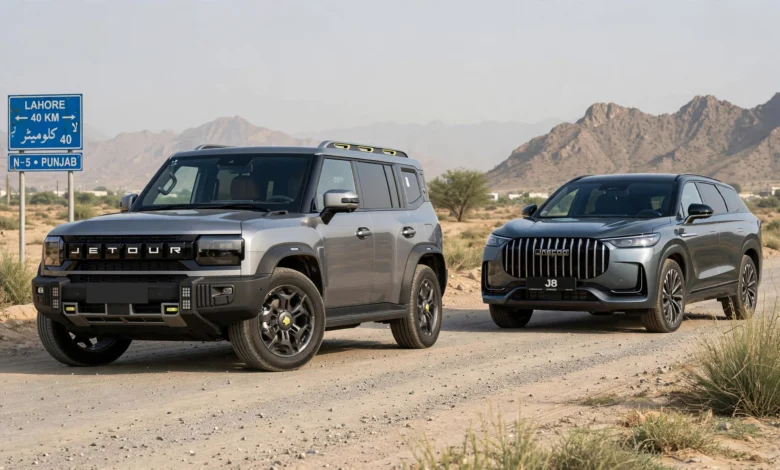
Buying your first car in Pakistan is one of those milestones that feels exciting and overwhelming at the same time. You’re not just picking a color and a brand. You’re dealing with fluctuating prices, confusing paperwork, dealer tricks, and a resale market that doesn’t always play fair. Whether you’re eyeing a brand-new Suzuki Alto, a used Toyota Corolla, or a compact Honda City, the process in Pakistan has its own quirks that don’t always match what you’d read in a generic car-buying guide from abroad.
This guide walks you through the entire journey of buying your first car in Pakistan, from figuring out what you can actually afford to registering the vehicle in your name without getting stuck at the excise office for three visits instead of one. We’ll cover new versus used cars, financing options through banks like Meezan and HBL, what to check during a physical inspection, and the paperwork that trips up almost every first-time buyer.
By the end, you’ll have a clear roadmap instead of a vague idea. You’ll know what questions to ask a dealer, how to spot a car with a shady history, and what documents you need before you even step into a showroom. Buying a car doesn’t have to be a gamble. With the right preparation, it can be a straightforward decision you feel confident about long after you drive off the lot.
1. Set a Realistic Budget Before You Start Looking
The single biggest mistake first-time buyers make is falling in love with a car before checking whether it actually fits their finances. Car buying in Pakistan involves more than just the sticker price, so your budget needs to account for the full picture.
What Your Budget Should Include
- On-road price, not just the ex-factory or showroom price (registration, number plate, and token tax add up)
- Insurance costs, whether comprehensive or third-party
- Fuel type and mileage, since petrol prices in Pakistan shift often and can quietly wreck a tight monthly budget
- Maintenance and spare parts availability, particularly for imported or less common models
- Resale value, because some cars hold their value far better than others in the local market
A general rule that works well for most salaried buyers is to keep your total car cost, including any loan installment, under 15–20% of your monthly income. This keeps room for fuel, servicing, and the unexpected repair that always shows up sooner than you’d like.
New Car or Used Car?
This is usually the first real decision in the process of buying your first car in Pakistan, and there’s no universally right answer.
- New cars come with warranty coverage, no hidden history, and the satisfaction of being the first owner. The downside is a steep depreciation hit in the first year, often 10–15%.
- Used cars are more budget-friendly and skip that initial depreciation, but they require careful inspection and carry more uncertainty about past accidents or flood damage.
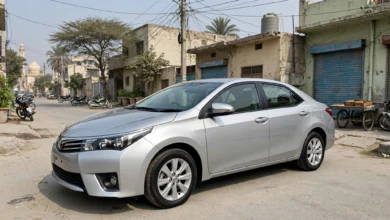
If your budget is under PKR 2.5 million, a well-maintained used Corolla, City, or Civic from a trusted seller often gives you more car for your money than a brand-new entry-level hatchback.
2. Understand Your Financing Options
Very few first-time buyers pay the full amount upfront, so understanding car financing in Pakistan is essential before you commit to anything.
Bank Auto Loans
Most major banks, including HBL, Meezan Bank, UBL, and Bank Alfalah, offer auto financing with tenures ranging from 1 to 7 years. The State Bank of Pakistan periodically adjusts prudential regulations for auto financing, including down payment requirements and debt-burden ratios, so it’s worth checking current rules before applying. You can review the latest regulatory framework directly on the State Bank of Pakistan’s official website, which publishes updated circulars on consumer financing.
Key things to compare across banks:
- Markup rate (fixed or variable, usually tied to KIBOR)
- Down payment percentage, typically 15–30%
- Processing fees and early settlement charges
- Insurance bundling, since most banks require comprehensive coverage for the loan tenure
Islamic Auto Financing (Ijarah)
If you prefer a Shariah-compliant option, Islamic banks offer Ijarah-based financing, structured as a lease-to-own arrangement rather than an interest-based loan. Meezan Bank and Dubai Islamic Bank Pakistan are among the more prominent providers of this product.
Manufacturer and Dealer Financing
Companies like Indus Motors (Toyota), Pak Suzuki, and Honda Atlas sometimes run their own financing schemes or partner with specific banks for promotional rates, especially around new model launches. These can occasionally beat standard bank rates, so it’s worth asking the dealer directly rather than assuming your bank has the best deal.
3. Research the Right Car for Your Needs
Once your budget is set, narrow down your options based on how you’ll actually use the car, not just what looks impressive.
Questions to Ask Yourself
- Is this mainly for city driving, or will you be doing long highway trips?
- Do you need space for a family, or is this a single-person commuter car?
- How important is fuel efficiency versus power?
- Are spare parts and mechanics for this model easy to find in your city?
Popular First-Car Choices in Pakistan
- Suzuki Alto: affordable, fuel-efficient, and widely serviced, making it a common entry point
- Suzuki Wagon R: more interior space with similar running costs
- Toyota Corolla: strong resale value and a reputation for reliability
- Honda City: a comfortable middle ground between economy and features
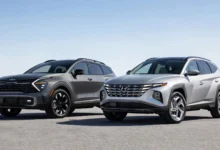
- Kia Sportage or Hyundai Tucson: for buyers who want an SUV as their first car and have a slightly higher budget
Stick with models that have a strong presence on the road. It’s not just about brand preference, it directly affects how easily you can find spare parts and skilled mechanics later on.
4. Where to Buy: Showroom, Used Car Market, or Online Platforms
Authorized Showrooms
Buying new from an authorized dealer of Toyota, Honda, Suzuki, Kia, or Hyundai guarantees you get a genuine vehicle with manufacturer warranty. The trade-off is limited room for price negotiation and sometimes long waiting periods for popular variants.
Used Car Markets
Cities like Lahore, Karachi, and Islamabad all have well-known used car markets. These offer variety and room to negotiate, but they also require more caution, since you’re relying heavily on the seller’s honesty about the car’s history.
Online Platforms
Websites and apps dedicated to buying and selling cars in Pakistan have become the go-to starting point for most first-time buyers, letting you compare prices, mileage, and condition across hundreds of listings before ever visiting in person. Just remember that photos and descriptions online don’t replace a physical inspection.
5. Inspect the Car Thoroughly Before Buying
This step matters most for used cars, but even new vehicles deserve a careful once-over before you sign anything.
Exterior Checks
- Look for mismatched paint, which can indicate previous accident repairs
- Check panel gaps for unevenness
- Inspect tires for uneven wear, which might point to alignment or suspension issues
Interior and Mechanical Checks
- Test all electronics: power windows, AC, infotainment system, and lights
- Check the odometer reading against the general wear of the seats, pedals, and steering wheel
- Start the engine cold if possible, since a rough cold start can reveal hidden issues
- Look under the car for oil leaks or rust, especially in used vehicles that may have been exposed to flooding
Documentation Checks
Before finalizing any used car purchase, verify:
- Original registration book matches the chassis and engine number
- No pending challans or legal disputes tied to the vehicle
- Token tax is paid and up to date
- The car hasn’t been reported stolen or involved in a dispute
Many buyers also get a trusted mechanic to do a paid inspection before purchase. It typically costs a small fraction of the car’s price and can save you from a costly mistake.
6. Negotiate Smartly
Negotiation in Pakistan’s car market is expected, especially for used vehicles, but it works best when you come prepared rather than just haggling on gut feeling.
Tips for Effective Negotiation
- Research comparable listings for the same make, model, and year to know the fair market range
- Point out specific issues you found during inspection as leverage, rather than vague complaints
- Be ready to walk away, since sellers often reconsider their price once they see you’re not desperate
- Negotiate the total price, not just the monthly installment if you’re financing, since a lower price reduces the loan amount and total interest paid
For new cars, there’s typically less room to negotiate the price itself, but you can often negotiate on free accessories, extended warranty, or waived registration fees.
7. Complete the Paperwork and Registration
This is the part that trips up most first-time buyers in Pakistan, mostly because the process varies slightly by province and city.
Documents You’ll Typically Need
- CNIC copies of both buyer and seller
- Original registration book (for used cars)
- Sale receipt/agreement, ideally on stamp paper for used car transactions
- Vehicle transfer form, available from the excise and taxation department
- Proof of tax payment (token tax, income tax on transfer where applicable)
Registration Process Overview
- For a new car, the dealer usually handles initial registration, though you should confirm the number plate and registration book are issued in your name correctly.
- For a used car, ownership transfer must be completed at the relevant Excise and Taxation Department office in your province. You can find province-specific procedures and fee schedules through your provincial excise department’s official portal, such as the Punjab Excise, Taxation and Narcotics Control Department, which outlines current transfer fees and required documents.
Common Mistakes to Avoid
- Delaying ownership transfer, which leaves you legally exposed if the car is involved in any incident before the transfer is complete
- Skipping verification of outstanding loans against the vehicle, since some cars are sold while still under bank financing
- Not updating your address or contact details in the registration record
Frequently Overlooked First-Time Buyer Tips
- Get comprehensive insurance, even if it’s not mandatory for your specific case. Third-party coverage alone often isn’t enough for a first car, especially while you’re still building driving experience.
- Budget for the first service and maintenance costs within the first few months, since new owners often underestimate this.
- Join local owner forums or groups for your specific car model. They’re a genuinely useful source of real-world advice on common issues, fair repair pricing, and trustworthy mechanics in your city.
- Avoid over-financing. Just because a bank approves a higher loan amount doesn’t mean it fits comfortably into your monthly budget.
Conclusion
Buying your first car in Pakistan doesn’t have to be a stressful or confusing experience if you approach it step by step. Start with a realistic budget that accounts for the full cost of ownership, understand your financing options whether through conventional bank loans or Islamic Ijarah products, and take the time to properly inspect and verify any used vehicle before handing over your money.
Compare authorized showrooms, used car markets, and online platforms to find the right fit for your needs, negotiate with facts rather than guesswork, and never skip the paperwork, since a smooth registration and transfer process protects you legally down the line. With this preparation, your first car purchase becomes a confident decision rather than a leap of faith, and one that sets you up well for years of reliable driving ahead.