Pakistan’s EV Policy Explained: What It Means for Car Buyers
Pakistan's EV Policy explained in plain terms — tax breaks, import duties, and what car buyers should know before choosing an electric vehicle.
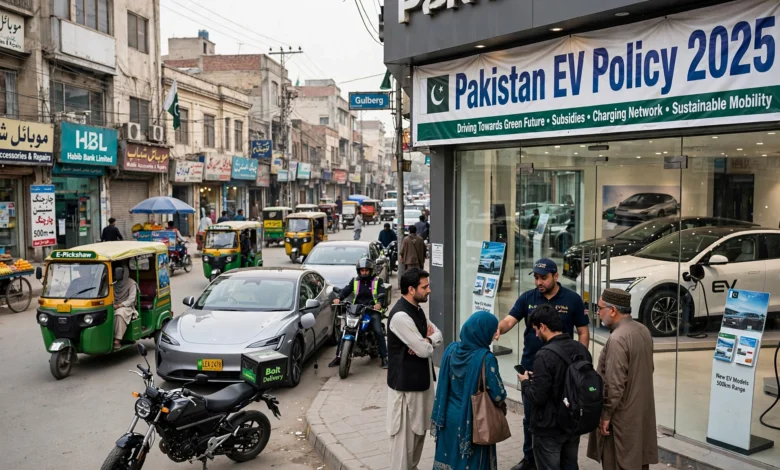
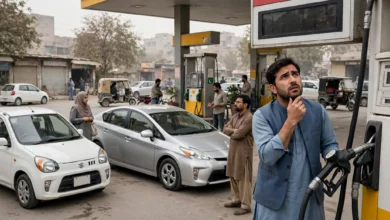
Pakistan’s EV policy has become one of the most talked-about topics among car buyers in the last few years, and for good reason. Fuel prices keep climbing, the rupee keeps sliding against the dollar, and every trip to the petrol pump feels a little more painful than the last. Against that backdrop, the government’s push toward electric vehicles isn’t just an environmental talking point anymore — it’s starting to shape real buying decisions.
But here’s the problem: most people have heard bits and pieces about tax cuts, import duty relief, and charging stations, without ever getting the full picture. Is buying an electric car actually cheaper right now? Will spare parts be a nightmare? Is the charging network even ready for daily use outside Karachi and Lahore?
This article breaks down Pakistan’s EV policy in plain language, without the bureaucratic jargon that usually surrounds these announcements. We’ll cover what the policy actually says, which incentives are currently on the table, how it affects the price you pay at the dealership, and what challenges still stand in the way. Whether you’re seriously shopping for an electric vehicle or just trying to figure out if it’s worth waiting a year or two, this guide should give you a clear, honest answer.
What Is Pakistan’s EV Policy?
Pakistan’s EV policy, formally introduced as the National Electric Vehicle Policy, is a government framework designed to accelerate the shift from petrol and diesel vehicles to electric ones. The original policy was rolled out for two-wheelers and three-wheelers first, with a separate track for cars, vans, and buses following soon after.
The core idea is simple: make electric vehicles cheap enough to buy and easy enough to run that people actually choose them over conventional cars, without the government forcing anyone’s hand. It does this mainly through:
- Reduced import duties and taxes on EVs and EV components
- Incentives for local manufacturers to set up assembly plants
- Targets for building out public charging infrastructure
- Long-term goals for what share of new vehicle sales should be electric
The policy has been revised more than once since it was first announced, mostly because early sales targets were too ambitious given how few charging stations existed and how expensive imported EVs remained for the average buyer. Anyone reading policy documents from a few years ago should treat the numbers with some caution, since targets and timelines have shifted.
Key Features of Pakistan’s EV Policy
Import Duty and Tax Relief
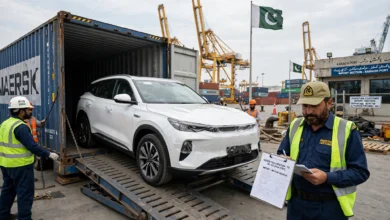
The single biggest lever in Pakistan’s EV policy is tax relief on imported electric vehicles and their components. Import duties on EVs have historically been lower than those on comparable petrol vehicles, and sales tax on electric vehicles has also been reduced compared to standard rates. This matters because a large chunk of what you pay for any car in Pakistan isn’t the car itself — it’s the taxes stacked on top of it.
For buyers, this translates into electric vehicles being priced closer to their international sticker price than a typical imported petrol car would be. It doesn’t make EVs cheap by any global standard, but it narrows the gap.
Incentives for Local Assembly
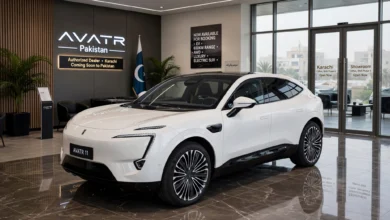
The policy also leans on local manufacturing incentives to bring EV assembly plants into the country rather than relying purely on imports. Companies that commit to local assembly get preferential tax treatment, which is meant to eventually bring EV prices down further as parts stop being shipped in fully built.

A few local and international brands have already announced assembly plans in Pakistan, though production volumes remain modest compared to markets like China or India.
Charging Infrastructure Targets
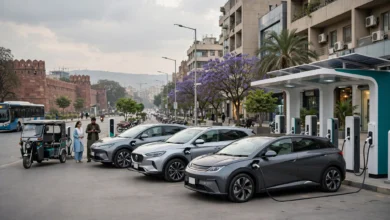
No EV policy works without somewhere to plug in, and this is where Pakistan’s EV policy has faced the most criticism. The government set targets for public charging stations along major highways and in urban centers, with support from private companies and utility providers. Progress has been slower than promised, particularly outside the two biggest cities.
If you live in Karachi, Lahore, or Islamabad, charging access is improving. If you’re outside those areas, it’s still a real limitation worth thinking about before you buy.
Sales Targets and Timelines
The policy originally aimed for a meaningful share of new car sales to be electric by the early 2030s, with intermediate milestones along the way. These targets have been adjusted more than once, so treat any specific percentage you see quoted online with some skepticism unless it comes from a recent official source.
How Pakistan’s EV Policy Affects Car Buyers
This is the part most people actually care about: what does this mean for you, right now, if you’re shopping for a car?
Lower Upfront Costs Than Before
Thanks to reduced duties, electric vehicles in Pakistan are no longer priced at the extreme premium they once were compared to petrol equivalents. Entry-level electric cars and locally assembled models have narrowed the price gap considerably, though EVs still tend to sit above comparable petrol models at the lower end of the market.
Lower Running Costs Over Time
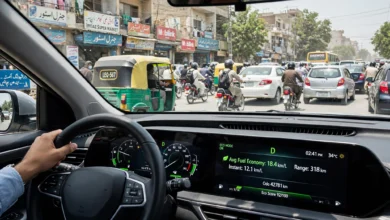
Even with the upfront price still higher in many cases, electricity costs per kilometer are generally lower than petrol costs per kilometer, especially if you can charge at home overnight on off-peak rates. Maintenance costs also tend to be lower since EVs have fewer moving parts, no oil changes, and simpler drivetrains.
For buyers who drive long distances regularly, like ride-hailing drivers or people with long commutes, the running cost savings can add up quickly and offset a higher purchase price within a few years.
More Model Choices, But Still Limited
A few years ago, buying an electric car in Pakistan meant choosing between one or two options. That’s changed. There are now several electric car and motorcycle models available, spanning different price points, from budget-friendly city cars to higher-end options. That said, the selection is still nowhere near what you’d find in markets with more mature EV infrastructure, and some popular international models simply aren’t imported here yet.
Financing Is Catching Up
Banks and leasing companies have started offering car financing specifically for electric vehicles, sometimes with slightly better terms than conventional auto loans, as part of the broader push tied to Pakistan’s EV policy. It’s worth shopping around, since not every bank offers the same rates or down payment requirements for EVs.
Government Incentives and Tax Benefits for EV Buyers
Beyond the general duty reductions, there are a few specific benefits worth knowing about if you’re close to buying:
- Reduced sales tax on electric vehicles compared to petrol and diesel cars of similar size
- Lower registration fees in some provinces for electric vehicles
- Reduced or waived token tax in certain provinces, which can add up to meaningful annual savings
- Preferential import duty rates on fully imported EVs compared to petrol imports in the same category
These benefits vary by province and can change with each federal budget announcement, so it’s worth checking current rates directly with your dealership or a tax consultant before finalizing a purchase, rather than relying on numbers from an older article or social media post.
Challenges Facing EV Adoption in Pakistan
It wouldn’t be an honest breakdown of Pakistan’s EV policy without covering what’s still holding things back, because there are real gaps between the policy on paper and the experience of actually owning an EV here.
Charging Infrastructure Gaps
This is the most common concern raised by potential buyers. Public charging stations remain concentrated in major cities, and highway coverage between cities is still thin. For anyone doing regular intercity travel, this is a legitimate planning issue, not just a minor inconvenience.
Power Grid Reliability
Pakistan’s ongoing power outages and load shedding in various regions raise a fair question: what happens when you need to charge your car and the power is out? Home charging setups with backup power (solar or battery storage) help, but they add to the overall cost of EV ownership that isn’t always factored into the sticker price.
Resale Value Uncertainty
Because the EV market here is still young, resale values for electric vehicles are harder to predict compared to the well-established petrol car resale market. Buyers used to Pakistan’s strong culture of reselling used cars a few years down the line should factor in this uncertainty.
Spare Parts and Service Networks
While major cities have decent service support for popular EV brands, smaller towns often don’t. Anyone buying outside a major city should check service network coverage before committing, since finding a qualified EV technician isn’t as simple as finding a mechanic for a Corolla.
Future Outlook: What’s Next for Pakistan’s EV Policy
The direction of travel is fairly clear even if the pace has been slower than originally promised. Expect to see:
- Continued expansion of charging networks, particularly along the major highways connecting Karachi, Lahore, and Islamabad
- More local assembly announcements as manufacturers respond to tax incentives
- Gradual introduction of more affordable EV models aimed at the mass market rather than just premium buyers
- Periodic revisions to tax and duty structures as the government balances EV promotion against revenue needs
For a broader sense of how EV adoption is trending globally and what policy tools tend to work best, the International Energy Agency’s Global EV Outlook is a useful reference point, since Pakistan’s approach mirrors strategies used in several other developing markets.
Tips for Car Buyers Considering an EV in Pakistan
If you’re weighing whether to buy an electric vehicle under the current policy, a few practical steps can save you a lot of hassle:
- Check your daily driving pattern first. If most of your driving is within a city and you can charge at home, an EV makes a lot more sense than if you regularly drive long distances between cities.
- Confirm current tax and duty rates before buying. These change with federal budgets, so don’t rely on outdated figures from last year.
- Look into home charging setup costs. Factor in the price of a home charger and, if power outages are a concern in your area, a backup power source.
- Compare total cost of ownership, not just sticker price. Include fuel savings, maintenance savings, and any tax benefits over a 3–5 year period.
- Check service network coverage for your specific model in your city before you buy, not after.
- Ask your bank about EV-specific financing rather than assuming standard auto loan terms apply.
Buyers wanting a deeper technical comparison of running costs between electric and petrol vehicles can also refer to independent consumer resources such as Consumer Reports’ EV guides, which break down real-world cost data that applies broadly even outside the US market.
Conclusion
Pakistan’s EV policy has made real progress in closing the price gap between electric and petrol vehicles through tax relief, import duty reductions, and incentives for local assembly, but it hasn’t fully solved the practical concerns that come with owning an EV here, particularly around charging infrastructure and power reliability outside major cities.
For car buyers, the current environment favors people who drive mostly within urban areas, can charge at home, and are willing to do a bit of homework on current tax rates and service coverage before buying. It’s not a perfect system yet, but it’s a meaningfully better one than it was even two or three years ago, and it’s likely to keep improving as infrastructure catches up with policy ambition.