Best Business Ideas Around Ramadan and Eid Seasons in Pakistan
Ramadan business ideas for Pakistan, from iftar catering to Eid clothing and Qurbani services, with the legal rules and scams every seller must avoid.
Ramadan Business Ideas: 12 Proven, Profitable Ventures for Eid in Pakistan
Introduction
Ramadan business ideas come up every year in Pakistan because the season changes almost everything about how people spend. Grocery bills rise in the first week. Pakoray and samosa stalls appear on every corner by Asr. Tailors stop taking new orders by the 15th roza. Chand Raat turns markets into all-night festivals. Two months later, Eid ul Adha brings cattle markets, butchers on overtime and a rush for freezers and spices.
For a small seller, a home cook or a student with a phone, this is the best window of the year. Many home-based sellers earn more in these weeks than in the rest of the year combined, and night bazaars like Islamabad’s Suhoor and Eid events now feature more than a hundred small brands at a time.
But this season also has a darker side that most “business ideas” lists ignore. Every year, price control teams fine shopkeepers for overcharging, food authorities seal shops selling reused oil and adulterated sweets, and police act against unlicensed fireworks makers and fake charity collectors. Those sellers made fast money for a few days and then lost far more.
This guide covers practical, halal and legal Eid business ideas in Pakistan for Ramadan, Eid ul Fitr and Eid ul Adha. For each, you will see what it takes to start, what customers actually want, and which mistakes and illegal shortcuts to avoid so your seasonal income becomes a real, repeatable business.
Why Ramadan Business Ideas Work So Well in Pakistan
The season works for small sellers because demand rises fast, shifts to new products and runs on a predictable calendar. You know roughly when Ramadan starts, when Eid shopping peaks and when Eid ul Adha arrives. Few other markets give you that kind of advance notice.
A few patterns stay the same every year:
- Daily routines move. Shopping and eating shift to the hours around iftar and sehri, and many markets stay busy past midnight.
- Giving goes up. Zakat, sadqa, ration drives and Eid gifts all raise spending on food packs and hampers.
- Eid shopping is non-negotiable. Even when budgets are tight, families still buy new clothes, shoes, mehndi and bangles, especially for children.
- Eid ul Adha creates its own economy. Animals, fodder, butchers, spices, freezers and meat packaging all see huge demand in a short window.
The best Ramadan business ideas use these patterns instead of fighting them. Below are twelve options, grouped by season, with honest notes on cost, effort and legal requirements.
Ramadan Business Ideas for Food and Iftar
Food is the heart of the season. It also carries the most legal responsibility, because people are breaking their fast with what you sell.
1. Iftar Snacks and Pakora Stalls
Pakoray, samosay, dahi bhallay, fruit chaat and jalebi sell in huge volumes in the hour before iftar. A small stall outside a market, office area or mosque can turn a profit within days.


What it takes: a fryer, a clean setup, a reliable supplier for oil and gram flour, and permission to use the spot. Many city administrations issue temporary stall permits during Ramadan, and setting up on a footpath without one can get your stall removed.
How to stand out: fresh oil, visible hygiene, and consistent taste. Customers in Pakistan know exactly which stall reuses black oil for days, and they talk about it.
2. Iftar and Sehri Catering From Home
Busy working families, students in hostels and offices hosting iftar dinners all need ready meals. A home-based business can offer daily iftar boxes, sehri delivery or full iftar party catering.
- Start with a fixed weekly menu so you can buy ingredients in bulk.
- Take orders a day in advance through WhatsApp to control waste.
- Offer corporate iftar packages for offices, which pay better and order in volume.
- Use local riders or delivery apps for distance orders.
If you are cooking commercially, register with your provincial food authority. The Punjab Food Authority’s official website explains licensing for food businesses, and Sindh, KP and Balochistan have similar bodies.
3. Dates, Sharbat and Ramadan Ration Packs
Dates, sharbat, dry fruit, gram flour, oil and sugar sell heavily at the start of Ramadan. Many families, companies and charities also buy ready-made ration bags to distribute to those in need.
You can earn by sourcing good quality dates and dry fruit, packing them attractively, or assembling standard ration bags for donors at a fair price. The key is transparency. Show exactly what is in each pack, its weight and its price, so donors trust that their money is reaching people properly.
Eid Business Ideas in Pakistan for Clothing and Gifts
From the middle of Ramadan, attention moves to Eid. This is where clothing, accessories and gifting take over.
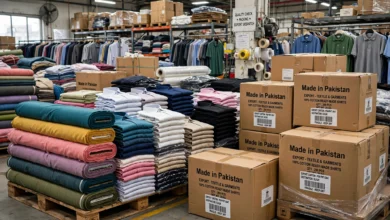
4. Eid Clothing and Stitching Services
The Eid clothing business is the biggest seasonal market for small sellers. Options include:
- Stitching services for women’s and children’s suits
- Ready-to-wear kurtas and shalwar kameez for men and boys
- Unstitched lawn and embroidered suits sold online
- Children’s Eid outfits, which sell well even in tough years
Tailors usually stop taking orders around the middle of Ramadan, so start early. Stitching your own small ready-to-wear range before Ramadan begins lets you catch last-minute buyers who missed the tailor cutoff. In recent Eid seasons, Dawn reported that home-based dress makers and small footwear brands often outperformed big formal retailers, so the opportunity is real.
5. Eid Gift Hampers and Mithai Boxes
Eid gift hampers have become popular for families, offices and overseas Pakistanis sending gifts home. A hamper might include dates, dry fruit, chocolates, sewaiyan, mithai, attar or small home decor items.
- Offer three clear price tiers so buyers can choose quickly.
- Partner with local bakeries for fresh items instead of storing perishables yourself.
- Take pre-orders for corporate clients early in Ramadan.
- Offer delivery across the city on Chand Raat and Eid morning, when demand peaks.
6. Footwear, Bags and Accessories
Khussay, sandals, clutches and jewellery sell fast in the last ten days of Ramadan. Buying from local makers in places like Multan, Peshawar or Lahore’s wholesale markets and reselling online or at night bazaars can work well with a modest budget.
Chand Raat Business Ideas
Chand Raat is one night, but it can be the most profitable night of the year for a small stall.
7. Mehndi Artists and Bangle Stalls
Mehndi artists can earn well by taking bookings at home, at salons or at market stalls on the last two nights of Ramadan. Bangle stalls, especially glass and matching sets for children, sell out quickly.
Use only natural henna. So-called black mehndi often contains PPD, a chemical that can cause severe skin burns and allergic reactions, particularly in children. Safe, natural products protect your customers and your reputation.
8. Eidi Envelopes, Cards and Personalised Gifts
Printed Eidi envelopes, name-tagged gift boxes for children, custom mugs and calligraphy cards are low-cost products that sell well online and at school or office stalls. Students with design skills can run this business entirely from a laptop and a local printer.
9. Night Bazaar and Pop-Up Stalls
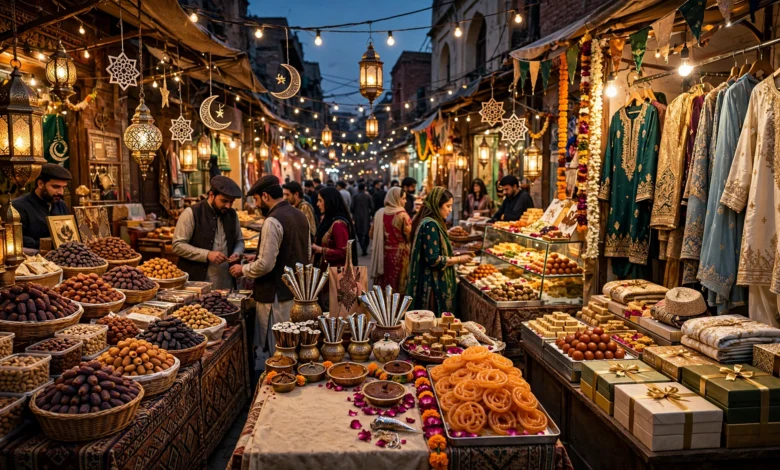
Ramadan and Eid night bazaars have grown fast in cities like Islamabad, Lahore and Karachi. Arab News reported on an Islamabad Suhoor and Eid night bazaar that featured more than a hundred small businesses selling food, textiles, home decor and jewellery. A stall costs far less than a shop and gives you direct contact with customers who may follow you online for the rest of the year.
Eid ul Adha Business Ideas in Pakistan
Eid ul Adha is a separate season with its own Qurbani animal business and support services. It needs more capital and more care, but demand is guaranteed.
10. Sacrificial Animal Sourcing and Care
Some people raise goats or calves for months before Eid ul Adha. Others buy from rural farmers and sell in city markets. Both models can work if you understand animal health and pricing.
- Sell only in designated cattle markets or from approved locations. City administrations set up official mandis, and unauthorised roadside animal sales are often removed.
- Keep animals vaccinated and healthy. Selling sick animals is unethical, can spread disease and leads to angry buyers.
- Offer delivery and animal care until Eid day for urban families without space.
- Be honest about age and weight. Buyers increasingly check teeth and ask for scale weight.
11. Butcher Booking and Meat Processing Services
Finding a reliable butcher on the first day of Eid is a struggle in every city. A small business that books trained butchers in advance, schedules slots and supervises hygiene can charge a fair premium. You can add meat cutting, packing into labelled bags and doorstep distribution to relatives.
12. Spices, BBQ Supplies and Freezer Rentals
After Qurbani, families need marinades, spice mixes, skewers, charcoal and storage. Packed BBQ masala, ready marinade kits and short-term freezer or deep-freezer rentals all see sharp demand in the week of Eid ul Adha.
Ramadan Business Ideas to Avoid: Illegal Practices That Hurt Sellers
The same season that creates honest opportunities also attracts people looking for fast money. These practices have a long record in Pakistan, and many sellers who tried them ended up fined, sealed or in court.
Hoarding and Price Gouging
Every Ramadan, provincial governments issue official price lists and send price control magistrates to markets. Sellers caught overcharging for fruit, vegetables, sugar or flour are fined, and repeat offenders have been arrested and had shops sealed. Hoarding essential goods to create artificial shortages is a criminal offence, and hoarding and profiteering during Ramadan has repeatedly triggered crackdowns across Punjab and Sindh.
Beyond the law, it destroys trust. Customers remember who doubled the price of lemons in the first week of Ramadan.
Adulterated and Unsafe Food
Food authority teams routinely raid samosa and pakora shops, milk sellers, sweet shops and bakeries during Ramadan and before Eid. Common findings include reused black oil, artificial colours not fit for food, watered or chemically treated milk, and expired ingredients in mithai. Inspectors have sealed shops, destroyed thousands of litres of adulterated milk and fined owners. A food business that cuts corners in the one month people eat its products most is gambling with customers’ health.
Selling Fresh Currency Notes at a Premium
Before every Eid, roadside sellers offer bundles of fresh notes for Eidi at a markup. The State Bank of Pakistan issues fresh notes through banks and has repeatedly warned the public against buying them at a premium, and it has acted against bank staff caught diverting notes to the open market. The State Bank of Pakistan’s official website shares its fresh note schedules and public notices each season. A better business idea is designing Eidi envelopes or promoting digital Eidi through mobile wallets.
Illegal Fireworks and Firecracker Production
Firecrackers sell around Chand Raat, Shab-e-Barat and celebrations, and many are produced in unlicensed units inside residential areas. Deadly explosions at such units have been reported in several cities over the years, killing workers and neighbours. Manufacturing or storing explosives without a licence is a serious crime. This is one seasonal product to stay away from entirely.
Fake Charity Drives and Online Qurbani Scams
Ramadan giving and Eid ul Adha bookings attract fraud. Fake charity pages collect zakat in the name of real hospitals or flood victims. Online “Qurbani share” sellers take advance payments and disappear. People have filed complaints with the FIA’s cybercrime wing after such scams. Separately, the government regularly bans the collection of sacrificial hides by proscribed organisations, which have used hide collection to raise funds.
If you run a charity ration service or online Qurbani business, publish your registration, share proof of distribution and keep clean records. That transparency is your biggest selling point.
Planning Timeline for Seasonal Business in Pakistan
A seasonal business in Pakistan succeeds or fails on timing. Use this rough timeline:
- Six to eight weeks before Ramadan: Choose your idea, register or update your food licence, find suppliers and test products.
- Two to four weeks before Ramadan: Build your WhatsApp catalogue and social pages, take bulk orders for ration packs and corporate iftars, and book stall spots.
- First ten days of Ramadan: Focus on food, dates and ration sales. Collect customer feedback daily.
- Middle of Ramadan: Push Eid clothing, stitching cutoffs and hamper pre-orders.
- Last ten days and Chand Raat: Mehndi, bangles, accessories, Eidi envelopes and gift deliveries.
- Six to eight weeks before Eid ul Adha: Arrange animals, butchers, spices and freezer stock.
- After each season: Message every customer with a thank-you note and stay in touch for the next year.
If you need help with costing and feasibility, SMEDA’s free pre-feasibility studies cover many food, garment and retail businesses that fit these small business ideas for Ramadan and Eid.
Conclusion
The best Ramadan business ideas in Pakistan follow the season’s natural rhythm, starting with iftar snacks, home catering, dates and ration packs in the first weeks, moving to Eid clothing, stitching, hampers and accessories by the middle of the month, peaking with mehndi, bangles, Eidi envelopes and night bazaar stalls on Chand Raat, and continuing into Eid ul Adha with animal sourcing, butcher bookings, spices and freezer rentals, while the sellers who last are those who stay away from hoarding, price gouging, adulterated food, premium note selling, illegal fireworks and fake charity or Qurbani schemes that have cost others their money, licences and freedom, so if you plan early, get the right permits, keep your prices fair and your quality honest, these Ramadan business ideas can give you more than seasonal cash and become the foundation of a trusted business that customers come back to every year.
Keywords