How Currency Devaluation Impacts Pakistani Import Businesses
Currency devaluation in Pakistan raises import costs, freezes cash and kills margins. See how importers cope legally and what the hawala crackdown taught.
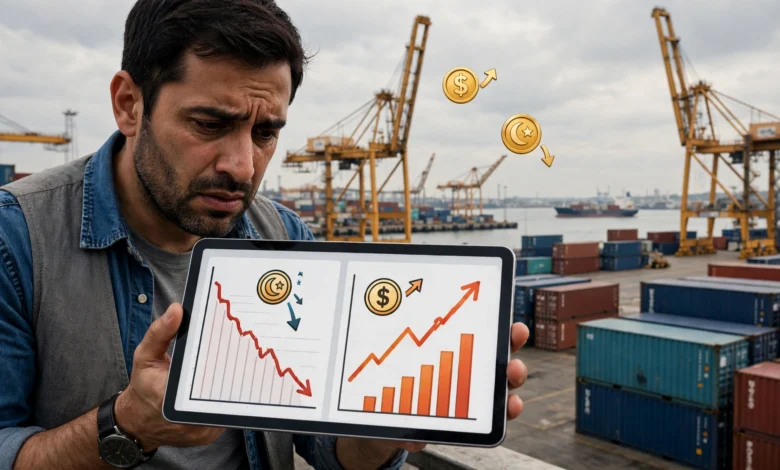
Currency Devaluation in Pakistan: 7 Painful Impacts on Importers and Proven Ways to Survive
Introduction
Currency devaluation in Pakistan is not an abstract economics topic for anyone who imports goods. It is the difference between a profitable container and a loss-making one. Ask any importer who placed an order in early 2022, when a dollar cost around Rs 176, and had to pay for it in 2023, when the interbank rate crossed Rs 300. The same shipment suddenly cost about 70% more in rupees, and customers were not willing to pay 70% more.
That period also brought LC restrictions, containers stuck at Karachi port, and a grey market where the open market dollar traded far above the official rate. Some traders turned to hawala, hoarded dollars or manipulated invoices to survive. Many of them later faced FIA raids, frozen accounts and customs cases when the government launched a major crackdown in September 2023.
Today the rupee is calmer. SBP data shows it trading around Rs 277 to 279 per dollar through most of 2026. But calm periods in Pakistan have rarely lasted forever, and importers who forget the last crisis are the ones most exposed to the next one.
This guide explains how rupee depreciation actually hits Pakistani import businesses, from landed costs and working capital to pricing and debt. It looks honestly at the illegal shortcuts people used last time and why they backfired, and it lays out practical, legal ways to protect your business when the exchange rate moves against you.
What Currency Devaluation in Pakistan Really Means
Devaluation simply means the rupee buys fewer dollars than before. Technically, “devaluation” refers to a deliberate cut in a fixed exchange rate, while “depreciation” is a fall driven by the market. Since Pakistan moved toward a more market-based exchange rate under IMF programmes, most of the decline has been depreciation, but in everyday business talk both words mean the same thing: imports get more expensive.
Why the Rupee Falls
The causes are well known and tend to repeat:
- Current account deficits: Pakistan often imports far more than it exports, especially oil, LNG, machinery, edible oil and electronics.
- Low foreign exchange reserves: When the State Bank has few dollars, it cannot defend the rupee for long.
- Debt repayments: Large external debt payments drain dollars from the system.
- Political uncertainty: Investors and exporters hold back dollars when the outlook is unclear.
- Global shocks: Oil price spikes, global interest rate hikes and commodity booms all hit Pakistan’s import bill.
The State Bank of Pakistan’s official website publishes daily exchange rates, reserve data and monetary policy statements. Any serious importer should follow these regularly rather than relying on rumours in the market.
The 2022-23 Crisis: A Case Study for Importers
The most painful recent episode came between early 2022 and September 2023. Reserves fell to dangerously low levels, the IMF programme stalled for months, and the rupee slid from the mid-170s per dollar to above Rs 300 in the interbank market. The open market rate went even higher, opening a wide gap that fed the grey market.
To protect reserves, the State Bank required prior approval for many imports and banks rationed letters of credit. Thousands of containers piled up at Karachi port in late 2022 and early 2023 because importers could not get dollars to clear them. Many paid heavy demurrage and detention charges for goods sitting at the port. Some industries, from auto assembly to pharmaceuticals, reported shortages of raw materials and temporary shutdowns.


After a new IMF arrangement and a government crackdown on illegal currency trading in September 2023, the rupee recovered to the 280s and has stayed in a relatively narrow range since. But for importers, the lesson was clear: exchange rate risk is not theoretical.
7 Impacts of Currency Devaluation in Pakistan on Import Businesses
Here is how a falling rupee actually shows up in an importer’s books.
1. Landed Costs Jump Immediately
The most obvious effect is cost. Suppose you import goods worth $10,000.
- At Rs 176 per dollar, the invoice costs Rs 1.76 million.
- At Rs 300 per dollar, the same invoice costs Rs 3 million.
That is before duties. Because customs duty, sales tax and withholding taxes are calculated on the rupee value of imports, your tax bill rises in the same proportion. Freight, insurance and port charges quoted in dollars also go up. Your total landed cost can rise faster than the exchange rate itself.
2. Working Capital Gets Squeezed
Banks often ask for cash margins on letters of credit, and during a crisis those margins can rise sharply. You need more rupees upfront to open the same LC. At the same time, your customers may delay payments because they are under pressure too. Many importers who were profitable on paper ran out of cash in 2022-23 because their money was stuck in margins, port charges and unpaid receivables.
3. Profit Margins Shrink Before Prices Catch Up
Most importers cannot raise prices overnight. Retailers resist, contracts fix prices for months, and some goods face government price controls. That creates a dangerous gap between when your costs rise and when your selling price adjusts. During that lag, you may be selling stock below replacement cost, which feels profitable until you try to restock.
4. Customer Demand Falls
Devaluation feeds inflation. Fuel, electricity, food and transport all become more expensive, so customers have less to spend. Importers of non-essential goods, such as electronics, cosmetics, home appliances and luxury food, often see sales volumes drop just as their costs peak.
5. Supply Chains Get Disrupted
During reserve crises, the problem is not just price but access. LC restrictions, prior approval requirements and bank rationing can delay shipments for weeks or months. Foreign suppliers may demand advance payment or stop extending credit to Pakistani buyers. Every delay adds storage, demurrage and lost sales.
6. Foreign Currency Debts Become Heavier
If you bought goods on deferred payment terms or borrowed in dollars, a weaker rupee increases what you owe. A supplier credit of $50,000 that looked manageable at Rs 180 becomes a much larger rupee liability at Rs 280 or Rs 300. Many importers learned too late that “buy now, pay in 90 days” can be the most expensive deal of all during a slide.
7. Honest Importers Face Unfair Competition
When legal imports become expensive and slow, smuggled and misdeclared goods gain an advantage. Traders who avoid duties through smuggling, under-invoicing or misuse of transit trade can sell far cheaper than an importer who pays every rupee of tax at the higher exchange rate. This is one of the most frustrating effects of currency devaluation in Pakistan, and it leads directly to the illegal practices covered next.
Illegal Shortcuts Importers Took During the Crisis
When the official system could not supply enough dollars, some traders went around it. These shortcuts looked like survival tactics at the time. Many ended in frozen accounts, seized goods and criminal cases.
Hawala, Hundi and the Grey Market
With banks rationing dollars and the open market rate far above the interbank rate, many importers paid foreign suppliers through hawala and hundi networks. Some exporters and remitters also kept dollars out of the banking system to sell them at higher grey market rates. This widened the gap between official and open market rates and drained dollars from the formal economy.
In September 2023, the government, FIA and intelligence agencies launched a nationwide crackdown on illegal currency dealers, hawala operators and dollar smugglers. Hundreds of people were arrested and large amounts of foreign currency were seized. The State Bank also tightened rules for exchange companies. Within weeks the rupee strengthened sharply, which showed how much damage the grey market had been doing. Importers who relied on hawala found their payment channels gone overnight, and some faced investigations for money laundering and foreign exchange violations.
Dollar Hoarding and Smuggling
During the slide, some traders and individuals bought dollars to hold as a bet on further depreciation, and large amounts were smuggled across the border to Afghanistan, where dollars fetched a premium. This made the shortage worse for genuine importers. Under foreign exchange regulations, dealing in foreign currency outside authorised channels or moving it across the border without declaration is illegal, and seizures at airports and border crossings continued throughout 2023.
Under-Invoicing and Misdeclaration
When a higher exchange rate pushes up duties, the temptation to under-declare import values grows. Some importers show a lower price on the invoice and pay the difference to the supplier through hawala, cutting both duty and dollar requirements. Others misdeclare expensive goods as cheaper items or understate quantities. Pakistan Customs uses valuation rulings, post-clearance audits and data from exporting countries to catch these cases, and penalties include fines, confiscation of goods and prosecution.
Over-Invoicing to Move Money Abroad
The opposite scheme is just as serious. In 2024, an FBR investigation into solar panel imports reported that a group of companies had inflated import values by tens of billions of rupees, using the extra payments to move money out of Pakistan. Accounts were frozen and inquiries were opened. Over-invoicing may look like a clever way to keep money safe in dollars, but it is money laundering, and banks now scrutinise unusual import pricing closely.
Misuse of Afghan Transit Trade
Goods imported duty-free for Afghanistan under transit trade arrangements have long been diverted back into Pakistani markets, where they undercut legal importers. In 2023, the government restricted several categories of goods under transit trade and introduced additional charges to curb this misuse. Buying or reselling such diverted goods exposes you to confiscation and legal action.
Why These Shortcuts Fail
- They depend on networks that can disappear in a single crackdown.
- They leave no legal record, so you cannot recover money if a hawala dealer or supplier cheats you.
- They make your business unbankable, since banks file suspicious transaction reports.
- They hurt honest competitors and the wider economy, which deepens the very crisis you are trying to escape.
Legal Ways to Protect Your Business From Rupee Depreciation
You cannot control the exchange rate, but you can control how exposed you are to it. These strategies are legal, practical and used by well-run Pakistani import businesses.
1. Use Forward Contracts and Bank Advice
Banks in Pakistan can offer forward contracts to importers with genuine trade transactions, locking in an exchange rate for a future payment. This costs a premium, but it turns an unknown risk into a known cost. Ask your bank’s treasury or trade desk what is available for your LC or contract, and what documents they need.
2. Build Exchange Rate Clauses Into Customer Contracts
If you supply other businesses, add a clause that adjusts your price when the exchange rate moves beyond an agreed band, for example more than 3% from the rate on the order date. Many industrial suppliers in Pakistan already quote prices linked to the dollar. Clear clauses avoid arguments later.
3. Price for Replacement Cost, Not Historical Cost
When the rupee is falling, price your stock based on what it will cost to replace it, not what you paid. Selling at old prices feels kind to customers, but it can leave you without enough money to restock.
4. Shorten the Gap Between Ordering and Paying
The longer you hold a dollar liability, the more exposed you are. During volatile periods, consider:
- Paying suppliers sooner rather than taking long credit in dollars
- Ordering smaller, more frequent shipments
- Avoiding large dollar-denominated loans for working capital
5. Diversify Suppliers and Currencies
Depending on one supplier or one country increases risk. Explore alternative suppliers in China, Turkey, the Gulf or Southeast Asia. The State Bank has allowed trade settlement in Chinese yuan for some transactions, which may help importers who buy heavily from China. Discuss options with your bank before changing payment arrangements.
6. Develop Local Sourcing Where Possible
Some imported inputs can be replaced with local alternatives, at least partly. Many manufacturers who could not import during 2022-23 found local suppliers for packaging, chemicals or components. These relationships can protect you in the next crisis.
7. Earn Some Foreign Currency Yourself
The strongest protection is a natural hedge. If part of your business exports goods or services and earns dollars, a weaker rupee helps that side while hurting the import side. Even a small export line can balance your exposure.
8. Keep a Cash Buffer and Watch the Indicators
Hold enough rupee liquidity to cover higher LC margins and a few months of unexpected cost increases. Track reserve levels, IMF reviews, oil prices and the gap between interbank and open market rates. A widening gap is often an early warning sign.
9. Stay Fully Compliant
Declare true values, file proper documents and use only banking channels. Compliant importers are the first to receive LC approvals and bank support when dollars are scarce. You can check customs procedures, valuation rulings and tax rules on the Federal Board of Revenue’s official website.
Currency Devaluation in Pakistan: Importer Readiness Checklist
- We know how much of our cost base is linked to the dollar
- We have discussed forward cover with our bank
- Our customer contracts include exchange rate adjustment clauses
- We price stock on replacement cost during volatile periods
- We have at least two suppliers for key products
- We hold a cash buffer for higher LC margins and port delays
- We track SBP reserves, IMF reviews and the open market gap
- All our payments go through banks, and our invoices show true values
Conclusion
Currency devaluation in Pakistan hits importers from every direction at once, raising landed costs and the duties calculated on them, tying up working capital in LC margins and port charges, squeezing margins before prices can adjust, reducing customer demand through inflation, disrupting supply when dollars are rationed, inflating dollar debts and handing an unfair edge to smugglers and misdeclaring traders, and the 2022-23 crisis showed how traders who turned to hawala, dollar hoarding, under-invoicing, over-invoicing or diverted transit goods ended up facing crackdowns, frozen accounts and prosecution rather than safety, so while the rupee has been relatively stable through 2026, the smarter response to the next bout of currency devaluation in Pakistan is to prepare now with forward cover, exchange rate clauses, replacement cost pricing, shorter dollar exposure, diversified and local suppliers, some foreign currency income, a solid cash buffer and full compliance, because those are the importers banks, suppliers and customers stand behind when the pressure returns.
Keywords