Freelancing in Pakistan: 7 Powerful Ways It’s Transforming the Economy
Freelancing in Pakistan is reshaping household income, foreign exchange inflows, and job creation. Here's how, and what stands in the way.
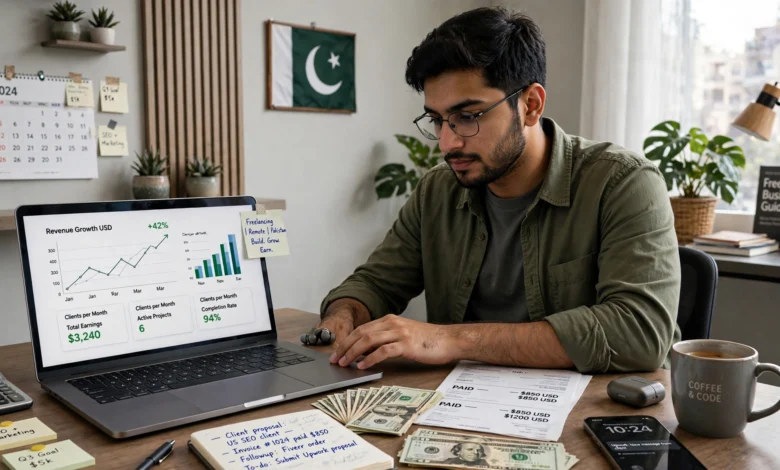
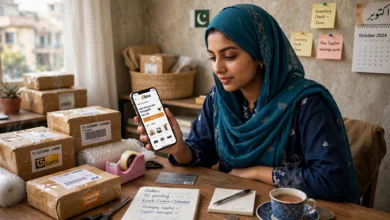
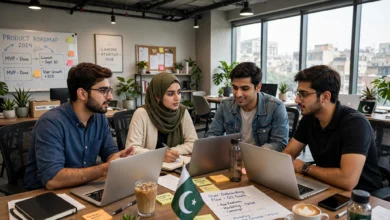
Freelancing in Pakistan has stopped being a side hustle for tech-savvy college kids and turned into something much bigger: a genuine economic force. Walk through almost any mid-sized city in Pakistan today and you’ll find someone, often young, often working from a bedroom or a shared coworking desk, writing code for a client in California, designing logos for a startup in Berlin, or managing social media for a small business in Dubai.
Multiply that by hundreds of thousands of people, and you start to see why freelancing in Pakistan is showing up in conversations about the country’s economic future.This shift didn’t happen overnight. It grew out of a mix of necessity and opportunity: a formal job market that hasn’t kept pace with the number of young graduates entering it each year, a rupee that has lost significant value against the dollar, and a generation that grew up with cheap mobile internet and global platforms like Upwork, Fiverr, and Payoneer at their fingertips.
Add remote work becoming normalized worldwide after 2020, and Pakistan found itself perfectly positioned to supply skilled digital labor to a global market hungry for it.In this article, we’ll look at what’s actually driving Pakistan’s freelance economy, how it’s affecting everything from remittances to gender inclusion, which industries are leading the charge, and what still needs fixing before this momentum turns into something more permanent.
What Is Freelancing and Why Pakistan Is Paying Attention
Freelancing, in simple terms, means working independently for multiple clients rather than being tied to a single employer. A freelancer might build websites for five different companies in a month instead of reporting to one office every day. What makes this model so relevant to Pakistan right now is timing.
Pakistan has one of the youngest populations in the world, with a median age under 21. Every year, universities produce hundreds of thousands of graduates in computer science, business, and design, but the formal economy simply doesn’t generate enough white-collar jobs to absorb them. Freelancing in Pakistan has become the pressure valve for that mismatch. Instead of waiting months for a corporate opening that may never come, graduates are building client bases on their own terms, often earning more in dollars than they would in rupees at a local company.
There’s also a currency angle worth mentioning. Since freelance income is typically paid in US dollars, freelancers have effectively been earning a form of protection against rupee depreciation, something that has made this work path even more attractive during Pakistan’s recent economic turbulence.
The Numbers Behind Pakistan’s Freelance Boom
It’s worth grounding this in actual data rather than just anecdotes, though readers should independently verify the latest figures since freelance market statistics shift quickly and different sources use different methodologies.
Freelance Earnings and Global Rankings
Pakistan has repeatedly ranked among the top four or five countries globally in terms of freelance earnings, according to the Payoneer Global Freelancer Income Report, which tracks cross-border freelance payments. Estimates from industry bodies and the State Bank of Pakistan have put annual freelance export earnings somewhere in the range of $400 million to over $1 billion in recent years, depending on how informal channels are counted. That’s a meaningful contribution when you consider Pakistan’s broader export basket is dominated by textiles and agriculture, sectors that have grown slowly for years.
Academic tracking projects like the Oxford Internet Institute’s Online Labour Index have also placed Pakistan consistently in the top tier of countries supplying labor to global online platforms, often just behind India, Bangladesh, and the United States.


Popular Freelance Platforms Among Pakistani Freelancers
Most Pakistani freelancers work through a handful of well-known platforms:
- Upwork – dominant for software development, writing, and virtual assistance
- Fiverr – popular for design, video editing, and short-form creative gigs
- Freelancer.com – widely used for entry-level and competitive-bid projects
- Toptal and Turing – increasingly used by more experienced developers seeking premium clients
- Direct client relationships – built through LinkedIn, referrals, or agency work, bypassing platform fees entirely
How Freelancing Is Changing Pakistan’s Economy
This is where things get interesting. The impact of freelancing in Pakistan’s economy isn’t limited to individual paychecks. It ripples outward in several distinct ways.
Foreign Exchange Reserves and Remittances
Pakistan has long relied on remittances from overseas workers, mostly in the Gulf, as a major source of foreign currency. Freelance earnings function similarly, except the “workers” never leave the country. Every dollar a Pakistani freelancer earns from a foreign client and brings home through Payoneer, Wise, or direct bank transfer adds to the country’s foreign exchange position without requiring anyone to emigrate. Given how tightly Pakistan’s dollar reserves have been squeezed in recent years, this steady, decentralized inflow matters more than it might first appear.
Job Creation in a Struggling Formal Job Market
Unemployment and underemployment among educated youth have been persistent problems in Pakistan. Freelancing offers an alternative path that doesn’t depend on the government or large corporations creating enough vacancies. A single skilled freelancer can also become an employer themselves, subcontracting overflow work to friends or hiring a small team as their client base grows. This organic, bottom-up job creation is harder to measure than formal employment statistics, but it’s very real on the ground.
Empowering Women and Rural Communities
One of the more underreported effects of freelancing in Pakistan is its role in expanding economic participation for women, particularly those who face cultural or logistical barriers to working outside the home. Freelance work lets women in conservative households or smaller towns earn an independent income without needing to commute or work in mixed-gender office environments.
Similarly, freelancers in smaller cities and towns, places with limited formal job markets, can now compete for the same global contracts as someone sitting in Karachi or Lahore, as long as they have a laptop and a stable connection.
Reducing Brain Drain
Pakistan has historically lost a lot of its skilled talent to emigration, as engineers and IT professionals move abroad for better pay. Freelancing offers a middle path: professionals can earn dollar-equivalent income while staying close to family and community. It doesn’t eliminate the desire to emigrate, but it does reduce the financial pressure that often drives that decision.
Key Industries Driving Freelance Growth in Pakistan
Not all freelance work is created equal, and certain sectors have become particularly strong for Pakistani professionals:
- Software development and programming – web development, mobile apps, and increasingly, AI and machine learning projects
- Content writing and copywriting – blog posts, SEO articles, technical writing, and marketing copy for international clients
- Graphic design and video editing – branding, social media content, and YouTube production
- Digital marketing – SEO, paid ads management, and social media strategy
- Virtual assistance and customer support – administrative and client-facing roles for small businesses abroad
- Data entry and transcription – lower-barrier entry points for newer freelancers building a track record
Software development and digital marketing tend to command the highest rates, while content writing and virtual assistance remain the most accessible entry points for people just starting out.
Challenges Facing Pakistani Freelancers
None of this growth has been without friction, and it’s worth being honest about what’s holding the freelance economy in Pakistan back from reaching its full potential.
Internet and Infrastructure Issues
Frequent internet outages, deliberate slowdowns during periods of political unrest, and inconsistent broadband quality outside major cities remain a persistent headache. A freelancer who can’t reliably meet a deadline because of a connectivity issue risks losing clients to freelancers in countries with more stable infrastructure.
Payment and Banking Restrictions
Getting paid is often harder than it should be. Platforms like PayPal still don’t offer full functionality for Pakistani users, forcing freelancers to rely on intermediaries like Payoneer or local banks, which can involve delays, fees, and paperwork that eat into already modest margins.
Lack of Formal Recognition and Taxation Clarity
Many freelancers operate in a gray zone when it comes to taxation and legal status. While Pakistan has introduced tax incentives for IT and freelance exports in recent budgets, awareness and consistent enforcement remain patchy. This makes it harder for freelancers to access loans, build credit history, or plan long-term, since they aren’t always recognized as formal businesses by banks or regulators.
Government and Private Sector Initiatives
To its credit, Pakistan’s government and private sector have started responding to this shift, even if implementation has been uneven:
- Tax exemptions and reduced rates for IT and IT-enabled services exports, aimed at encouraging freelancers to report income formally
- Digital skills training programs, such as those run through initiatives like DigiSkills and various provincial IT boards, offering free or subsidized courses in coding, design, and digital marketing
- State Bank of Pakistan reforms easing foreign currency accounts and payment processing for freelancers and small IT exporters
- Special Technology Zones and IT parks designed to formalize and cluster the tech and freelance ecosystem
These efforts are a step in the right direction, but freelancers on the ground often say the gap between policy announcements and actual day-to-day ease of doing business is still wide.
The Future of Freelancing in Pakistan
Looking ahead, a few trends seem likely to shape where this goes next. AI tools are changing what clients expect from freelancers, pushing many toward higher-value work like AI-assisted development or specialized consulting rather than commoditized tasks that automation can now handle. Competition from freelancers in other low-cost countries, especially in Africa and Southeast Asia, is also increasing, meaning Pakistani freelancers will need to keep upgrading their skills rather than relying on price alone.
At the same time, if internet reliability improves and payment infrastructure catches up with global standards, there’s a real case that freelancing in Pakistan could become one of the country’s largest sources of export revenue within the next decade, rivaling more traditional sectors.
Conclusion
Freelancing in Pakistan has grown from a niche activity into a genuine pillar of the country’s economy, bringing in foreign exchange, creating jobs outside the traditional corporate ladder, opening doors for women and people in smaller cities, and giving skilled professionals a reason to build their careers at home instead of abroad.
It hasn’t solved every problem, internet reliability, payment friction, and unclear tax treatment still hold back a lot of potential, but the direction of travel is clear. With the right infrastructure and policy support, freelancing could become one of Pakistan’s most important economic stories over the next several years.