Top Franchise Opportunities Available in Pakistan
Franchise opportunities in Pakistan across food, education, courier and fuel, with real costs, legal checks and past scams every investor should know.
Franchise Opportunities in Pakistan
Introduction
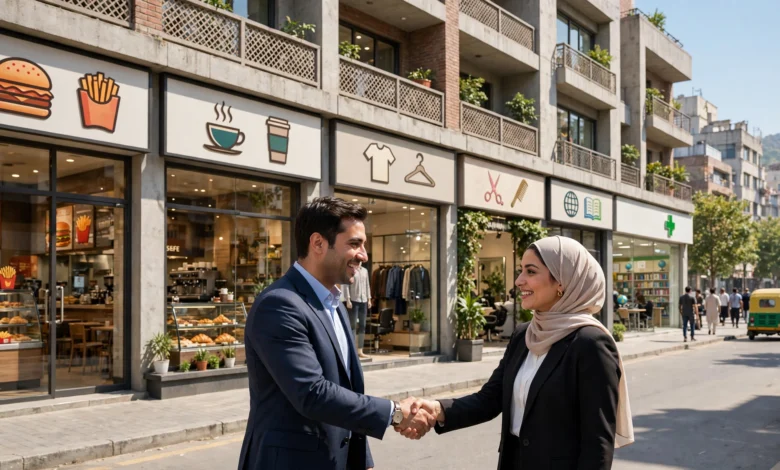
Looking for franchise opportunities in Pakistan usually starts with a simple idea: instead of building a brand from scratch, you buy into one that people already know and trust. You get a proven menu, a recognised logo, training, and a system that has worked elsewhere. On paper, it sounds like the safest way to start a business.
In reality, franchising in Pakistan is a mixed picture. Some local brands in food, education, courier services, and fuel retail have built strong franchise networks, and many franchise owners earn steady incomes. Others have struggled with high rents, rising costs, and royalty fees that eat into thin margins. Big international names are often not open to individual investors at all, because one company holds the master rights for the whole country.
There is also a darker side. Fraudsters regularly advertise fake “franchises” and “dealerships” of well-known companies, take large deposits, and disappear. Others use the word franchise to dress up pyramid schemes. Because Pakistan has no dedicated franchise disclosure law, buyers need to do their own homework.
This guide covers how franchising actually works in Pakistan, which sectors offer real opportunities, what kind of investment to expect, how to check a franchise before you sign, and which scams and illegal practices have hurt investors in the past. The aim is simple: help you invest with your eyes open.
How Franchise Opportunities in Pakistan Actually Work
A franchise is a business arrangement where a brand owner (the franchisor) lets you (the franchisee) run an outlet under its name, using its systems, in exchange for fees. You own and fund the outlet. They provide the brand, know-how, and support.
The usual costs involved
Most franchise business in Pakistan deals include some mix of these payments:
- Franchise fee: A one-time payment for the right to use the brand, sometimes for a fixed period.
- Setup cost: Shop fit-out, furniture, equipment, signage, and initial stock. This is usually the largest cost.
- Security deposit: Common in courier and fuel businesses, often refundable when the agreement ends.
- Royalty: An ongoing percentage of revenue or a fixed monthly fee paid to the brand.
- Marketing fee: A contribution to national or regional advertising.
- Working capital: Money to cover rent, salaries, and bills until the outlet becomes profitable.
Franchise, dealership, or agency?
In Pakistan, the word “franchise” is used loosely. Some arrangements are true franchises with a full operating system, like school chains. Others are closer to dealerships (fuel stations, where you sell the company’s products) or commission-based agencies (courier outlets, mobile network franchises, and branchless banking agents). The difference matters because it changes how you earn money, who controls prices, and what happens if the relationship ends.
The legal reality
Unlike some countries, Pakistan does not have a specific franchise law that forces brands to disclose financial performance, number of failed outlets, or litigation history. Your rights depend almost entirely on the franchise agreement you sign, along with general contract law and trademark law. That makes reading and negotiating the contract critical.
Realities franchise owners face
- Rent is often the biggest risk. A good location in a main market can cost more per month than the royalty.
- Payback takes time. Even well-run outlets may need two to four years to recover the investment.
- You follow their rules. Menu, pricing, suppliers, and design are usually controlled by the brand.
- Brand problems become your problems. A food safety scandal or negative social media campaign against the brand hits every outlet.
- Inflation squeezes margins. Rising electricity, fuel, and ingredient costs hurt franchisees who cannot freely raise prices.
10 Best Franchise Opportunities in Pakistan by Sector
The options below are grouped by sector rather than ranked by brand, because the right choice depends on your budget, location, and experience. Investment figures are rough ranges drawn from public listings, third-party guides, and government feasibility studies. Brands change their terms often, so always confirm directly with the company’s official office.


| Sector | Rough investment | How you earn | Best for |
|---|---|---|---|
| School franchise | Around Rs 5 million and up | Tuition fees minus royalty | Investors with a building and long-term view |
| Courier outlet | A few lakh to around Rs 2.5 million | Commission per parcel | Busy market areas, e-commerce hubs |
| Fuel station dealership | Tens of millions, plus land | Margin per litre plus services | Landowners on main roads |
| Food and QSR outlet | Several million and up | Food sales minus royalty | Owners able to manage staff and quality |
| Café and bakery | Several million | Product sales | Upscale and student areas |
| Tuition and skills academy | Under Rs 1 million to a few million | Course fees | Educators and trainers |
| Diagnostic lab collection point | Varies by brand | Share of test revenue | Areas near clinics and hospitals |
| Mobile network franchise | Varies, often with security deposit | Commissions on SIMs, loads, services | Established retailers |
| Branchless banking agent | Low | Commission per transaction | Existing shops in any area |
| Laundry, fitness, and service brands | Varies widely | Service fees | Dense urban neighbourhoods |
1. School franchises
Education is one of the largest franchise sectors in Pakistan. School systems such as Allied Schools and The Educators have built nationwide networks through franchising. A franchise listing for Allied Schools, for example, shows a total investment of around Rs 6 million, a franchise fee of about Rs 1 million, and a 10 percent royalty. A SMEDA pre-feasibility study for a high school franchise, published through the Ministry of Commerce, estimated a total project cost of about Rs 5.8 million.
Reality check: Schools need a suitable building, registration with provincial education authorities, qualified teachers, and years of reputation building. Fee collection can suffer when families face financial pressure.
2. Courier franchises
With online shopping growing every year, courier outlets for companies like TCS, Leopards, and M&P are popular. You usually earn a commission on each parcel booked, and cash on delivery services add volume. Third-party guides suggest smaller courier franchises can start with a few lakh rupees, while bigger brands in prime areas may need much more, including refundable security deposits.
Reality check: Margins are thin, so success depends on parcel volume. Location near markets, offices, or e-commerce sellers matters more than anything else. Only apply through the courier company’s official website or head office.
3. Fuel station dealerships
Oil marketing companies such as PSO, Shell, TotalEnergies, and Attock Petroleum appoint dealers to run fuel stations. These are some of the biggest investments on this list, usually requiring land on a busy road, construction, and several licences and NOCs, including from OGRA and explosives authorities.
Reality check: Margins per litre are set by the government, so profit depends on volume and add-on services like convenience stores, tyre shops, and car washes. Regulatory oversight is strict, as the 2026 subsidy fraud case below shows.
4. Food and quick-service restaurant outlets
Food is the most visible franchise business in Pakistan. Many big international chains in Pakistan are run by large local groups under master franchise agreements, so they are rarely open to individual investors. Several local burger, pizza, shawarma, and desi food brands do offer franchises, especially in growing cities.
Reality check: Food outlets have high running costs, staffing challenges, and strict food authority inspections. Taste and hygiene must be consistent, or the brand will pull the franchise.
5. Cafés and bakery chains
Coffee shops, dessert brands, and bakery chains have expanded quickly in urban Pakistan. A franchise gives you an established menu and supply chain.
Reality check: Customer spending on cafés drops quickly during inflation. Choose areas with steady footfall, like near universities, offices, and upscale residential markets.
6. Tuition centres and skills academies
Coaching academies, language centres, IT and digital skills institutes, and test preparation brands often offer franchises at lower costs than full schools.
Reality check: Your reputation depends on results. Check whether the brand’s courses are recognised, and avoid any academy that promises guaranteed jobs or foreign visas.
7. Diagnostic lab collection points
Some diagnostic lab chains partner with investors to open sample collection points, where samples are collected locally and tested at the brand’s central labs.
Reality check: Healthcare is sensitive and regulated. You need trained phlebotomy staff, proper hygiene, and secure sample handling. Mistakes can harm patients and lead to legal action.
8. Mobile network franchises
Mobile operators appoint franchises and retailers to sell SIMs, handle biometric verification, and provide customer services.
Reality check: These appointments are made by the operators directly, often for established retailers. Biometric SIM issuance rules are strict, and franchises caught issuing SIMs illegally have faced cancellations and legal cases.
9. Branchless banking agents
Becoming an agent for mobile wallet and branchless banking services is one of the cheapest entry points. Existing shops can add cash-in, cash-out, and bill payment services.
Reality check: Earnings per transaction are small. Agents must follow KYC rules strictly, and must never lend their agent accounts to others.
10. Laundry, fitness, and service franchises
Dry cleaning, laundry, gyms, salons, and car care brands are growing in large cities as busy households pay for convenience.
Reality check: These businesses depend heavily on repeat customers in a small area. Study the neighbourhood carefully before signing.
How to Check a Franchise Before You Invest
Because Pakistan has no franchise disclosure law, due diligence is entirely your job. These checks take a few weeks but can save you millions.
Verify the company and its trademark
- Check company registration. Confirm the franchisor is a registered company through the SECP’s online company search, and that the name on the agreement matches.
- Check the trademark. A brand that does not own its trademark cannot legally license it to you. Search the trademark records at the Intellectual Property Organization of Pakistan or ask a lawyer to do it.
- Confirm tax status. The franchisor should have an NTN and be an active taxpayer.
- Contact the head office yourself. Use the phone number and email from the brand’s official website, not from an ad, WhatsApp message, or social media page.
Talk to existing franchisees
The most honest information comes from people already running outlets. Visit at least three, ideally including one that has been open for years and one that opened recently. Ask about:
- Real monthly sales and costs
- How long it took to break even
- Quality of training and support
- Hidden costs, such as mandatory supplies at high prices
- How the brand handles disputes
If the franchisor refuses to let you speak to existing franchisees, treat it as a warning sign.
Read the franchise agreement carefully
Key clauses to check with a lawyer:
- Term and renewal: How many years, and what renewal will cost.
- Territory: Whether you get exclusive rights in your area, or the brand can open another outlet next door.
- Royalty basis: Whether royalty is on gross sales or profit, and whether it rises over time.
- Supply obligations: Whether you must buy ingredients or stock only from the brand, and at what prices.
- Termination and exit: When the brand can end the agreement, and whether you can sell your outlet.
- Refund conditions: What happens to your fee and deposit if the outlet never opens.
- Dispute resolution: Whether disputes go to arbitration or courts, and in which city.
Build your own financial plan
Do not rely only on the brand’s projections. Prepare your own estimate using local rent, salaries, electricity, and realistic sales. SMEDA’s pre-feasibility studies are useful for comparing assumptions. Plan for at least six to twelve months of working capital before the outlet becomes profitable.
Franchise Scams and Illegal Practices to Learn From
Any honest guide to franchise opportunities in Pakistan has to cover the fraud side. Scammers know that people looking for franchises have savings ready to invest, and that the word “franchise” sounds safe. Some illegal practices also come from franchisees and dealers themselves.
Fake franchise and dealership offers
The most common trick is simple. A Facebook ad, WhatsApp message, or website offers the franchise of a famous courier company, fuel brand, food chain, or telecom operator. You are asked to pay a “registration fee”, “processing fee”, or “security deposit” into a personal bank account or mobile wallet. Once the money arrives, the contact disappears.
This pattern is so widespread in South Asia that oil companies in neighbouring India have issued repeated public warnings that they never offer dealerships through personal emails, messages, or private bank accounts. The same tactics appear in Pakistan, often using lookalike websites with names close to real brands. The rule is simple: real brands take payments into company accounts, after signed agreements, through their official offices.
“Business opportunity” schemes dressed up as franchises
Some Ponzi schemes call their members “franchise holders” or “partners” to look respectable. In 2015, the FIA uncovered a Rs 2 billion online scam run through a website called e2click, which asked people to register by paying money and promised profits for posting and clicking ads. More than 5,000 people were affected, some investing over Rs 10 million, as Dawn reported.
If the main way to earn is recruiting others or paying for a “package” rather than selling real products or services to real customers, it is not a franchise. It is a pyramid scheme.
Fake trademark and registration services
A franchise is only as good as the trademark behind it. In 2021, the FIA charged dozens of people linked to a Karachi company with running a large trademark services scam that targeted overseas clients. Investigators alleged that most customers received fake or fabricated trademark documents. The lesson for franchise buyers and new brands alike: verify trademark registration directly with IPO Pakistan, not through an agent’s certificate alone.
The 2026 ghost petrol pump subsidy case
Not all wrongdoing comes from outside the franchise system. In 2026, after the government announced a fuel price subsidy during the regional oil crisis, OGRA began investigating around 500 petrol pumps that had been inactive or closed for much of the year but suddenly reported large sales and claimed subsidy payments, according to ARY News. The regulator asked for electricity bills to check whether the stations had really been operating.
For anyone considering a fuel dealership, this is a reminder that regulators track sales, stock, and claims closely. Inflated sales figures or fake claims can lead to cancelled licences and criminal cases.
Illegal SIM issuance and agent account misuse
Telecom franchises and branchless banking agents handle biometric verification and customer identities. Some retailers have been caught issuing SIMs on other people’s thumbprints or letting criminals use their agent accounts to move fraud proceeds. These cases have led to franchise cancellations, arrests, and blocked accounts. Following KYC rules strictly protects both your customers and your business.
Unauthorised lookalike outlets
Some businesses copy a famous brand’s name, logo, or menu without permission, sometimes even calling themselves a franchise. This is trademark infringement. Owners of such outlets can face court orders, closure, and damages, and anyone who “bought” a franchise from them may lose everything.
Red flags checklist
- Payment requested into a personal account or mobile wallet
- Pressure to pay quickly before “slots fill up”
- No physical head office you can visit
- Guaranteed monthly profit promises
- Refusal to let you meet existing franchisees
- No written agreement before payment
- Contact details that differ from the brand’s official website
Financing and Running a Franchise Business in Pakistan Successfully
Buying the franchise is the beginning, not the finish line. How you fund it and run it decides whether it pays off.
Ways to finance a franchise
- Personal savings: The safest option, since there is no interest burden while the outlet grows.
- Bank SME financing: Commercial and Islamic banks offer SME loans, and some brands have tie-ups with banks for their franchisees. You will need a business plan, collateral, and clean financial records.
- Government-backed schemes: Youth and SME loan programmes have offered subsidised financing at times. Check current terms on official websites only.
- Partnerships: Many investors pool money with a trusted partner. Put roles, profit sharing, and exit terms in a written partnership deed.
Avoid informal lenders and committee schemes for large amounts. High interest or sudden repayment demands can sink an otherwise healthy outlet.
Practical tips for franchise owners
- Location first. Spend more time choosing the location than choosing the brand. Footfall, parking, visibility, and competition nearby matter enormously.
- Be involved. Absentee owners often see quality slip and theft rise. Even if you hire a manager, visit regularly and review numbers weekly.
- Control costs early. Watch electricity, wastage, and staff overtime from day one. Consider solar for outlets with heavy power use.
- Train and keep good staff. Fair salaries, timely payment, and respect reduce turnover, which saves training costs.
- Stay tax compliant. Register with the FBR and provincial revenue authorities. Larger retail outlets may need to integrate their point-of-sale systems with the FBR.
- Build a good relationship with the franchisor. Share problems early, attend trainings, and use their marketing support.
- Keep a cash reserve. Unexpected repairs, price increases, or slow months happen. A reserve keeps you from panic decisions.
Conclusion
The best franchise opportunities in Pakistan today are spread across schools, courier outlets, fuel dealerships, food and café brands, tuition academies, lab collection points, telecom and branchless banking agencies, and urban service businesses, each with very different costs, earnings models, and risks. A franchise can give you a trusted brand and a tested system, but it does not remove the need for a strong location, hands-on management, careful cost control, and enough working capital to survive the first year. Because Pakistan has no dedicated franchise disclosure law, your protection comes from your own due diligence: verifying the company with the SECP, checking the trademark with IPO Pakistan, talking to existing franchisees, and having a lawyer review the agreement. Past cases, from fake dealership offers and the e2click scheme to fake trademark services and the 2026 ghost petrol pump investigation, show that fraud can come from outsiders and insiders alike. Pay only into official company accounts, never trust guaranteed profits, follow every regulatory rule, and you will give yourself a real chance of building a franchise that lasts.