Why Is Internet More Expensive in Rural Pakistan
Internet in rural Pakistan costs more for real reasons: sparse towers, diesel power, little fiber and theft. Here is why, and how families can pay less.
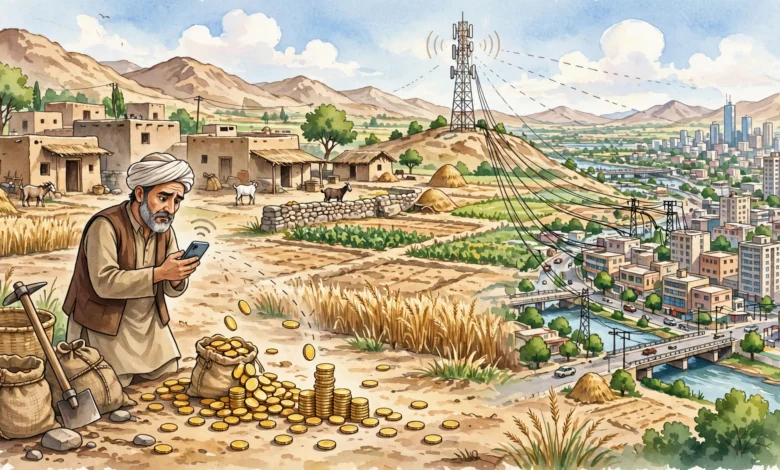
Internet in Rural Pakistan: 8 Harsh Truths Behind Higher Costs and Proven Ways to Save in 2026
Introduction
Internet in rural Pakistan often costs more and delivers less than in the cities, even when the bundle price looks the same on paper. A student in a village near Layyah may pay the same for a monthly data bundle as a student in Lahore, but get weaker signal, slower speeds and frequent outages. Once you count the extra data burned by failed downloads, the travel to find a stronger signal and the lack of cheap home broadband, the real cost per useful gigabyte is much higher.
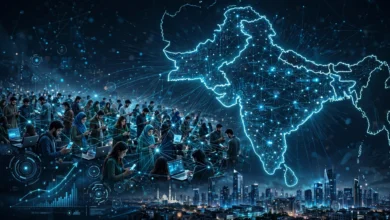
The gap is visible in the numbers. According to GSMA’s State of Mobile Internet Connectivity 2026 report, only about 50% of rural adults in Pakistan use mobile internet, compared with 65% in urban areas, and just 46% of rural adults own an internet-enabled handset.
Why does this happen? Some reasons are economic: towers in sparsely populated areas serve fewer paying customers, run on diesel when the grid fails, and need long, expensive backhaul links. Some are geographic. And some are criminal. PTA has told a Senate committee about more than 9,200 theft and vandalism incidents at telecom sites in just 11 months, and unlicensed internet operators have been raided in rural towns across Punjab and Sindh.
This guide explains the eight main reasons rural connectivity costs more, the hidden costs families pay, the illegal activities that push prices up, what the government and operators are doing about it, and practical ways rural users can save today.
The Rural-Urban Digital Divide in Numbers
To understand the cost of internet in rural Pakistan, start with who is actually online. GSMA’s State of Mobile Internet Connectivity 2026 report, based on its 2025 consumer survey and summarized by TechJuice, shows a clear gap.
| Measure | Rural adults | Urban adults |
|---|---|---|
| Use mobile internet | 50% | 65% |
| Own a mobile phone | 78% | 85% |
| Own an internet-enabled handset | 46% | 62% |
| Aware of mobile internet | 84% | 87% |
| Use mobile internet daily | 42% | 59% |
Awareness is not the problem
The striking finding is that awareness is almost the same in villages and cities. Rural people know what the internet is and what it can do. The barriers are cost, devices and the quality of the connection itself.
Devices are a big part of the gap
Only 46% of rural adults own a smartphone or other internet-enabled handset, compared with 62% in cities. A phone is a large upfront cost for a rural household, and cheaper phones often have older radios that perform worse on weak signal.
Women in rural areas
There has been real progress for women’s access to internet in rural Pakistan. According to PTA, citing the GSMA Mobile Gender Gap Report 2025, Pakistan’s mobile internet gender gap fell from 38% in 2023 to 25% in 2024, the largest improvement among 80 countries surveyed, with about 8 million women coming online in that year, driven mainly by rural women. Even so, affordability and social norms still keep many rural women offline or dependent on someone else’s phone.
Home broadband is mostly an urban service
Fiber providers have concentrated on cities and large towns. In many villages, there is no fixed broadband at all, so families rely entirely on mobile data, which usually costs more per GB than an unlimited home line.


8 Reasons Internet in Rural Pakistan Costs More
The price on the bundle may be national, but the cost of delivering it is not. Here is why rural connectivity is more expensive to provide and use.
1. Fewer customers per tower
A tower in a dense city neighborhood can serve thousands of paying users. A tower covering scattered villages may serve a fraction of that. The equipment, land lease, maintenance and power cost roughly the same, so the cost per customer is much higher. Operators respond by building fewer rural sites, which leaves coverage thin.
2. Expensive backhaul
Every tower needs a link back to the main network, called backhaul. In cities, that is usually fiber. In rural areas, laying fiber across long distances, fields and hills is expensive, so many sites use microwave links with limited capacity. When many users share a narrow link, speeds drop, especially in the evening.
3. Diesel and power costs
Rural areas often face longer power outages and weaker grid supply. Towers then run on generators and batteries. Diesel is expensive, must be transported to remote sites, and is a frequent target for theft, all of which raises running costs.
4. Difficult terrain and weather
Mountains in the north, deserts in Balochistan and Thar, and floodplains in Sindh and Punjab make building and maintaining sites harder. Floods and storms damage equipment, and repair teams take longer to reach remote locations.
5. Security and theft
Rural sites are harder to guard. Theft of diesel, batteries, solar panels and cables forces operators to spend more on replacement and security, and some sites stay down for days. This is covered in detail later.
6. Little or no home broadband competition
In cities, fiber providers compete on price. In most villages there is no fixed broadband, so families rely on mobile data. Mobile bundles generally cost more per GB than an unlimited home connection, which makes heavy use, like online classes or video calls, especially expensive.
7. Weak signal wastes data and time
On a weak connection, downloads fail and restart, apps retry in the background, and videos buffer. All of that burns data without delivering value. Rural users often need bigger bundles to do the same work an urban user does with less.
8. Lower incomes make the same price heavier
Even when a bundle costs the same everywhere, it takes a bigger share of a rural household’s income. Combined with the cost of an internet-capable handset, this makes internet in rural Pakistan less affordable in real terms.
Hidden Costs of Internet in Rural Pakistan
The bundle price is only one part of what internet in rural Pakistan really costs families. Several hidden costs rarely appear in any comparison.
Travel to find signal
In many villages, people walk to a rooftop, a hill or the main road to get usable signal. Students sometimes travel to a nearby town to attend online classes or submit assignments. That travel costs money and time.
Charging phones during outages
Long power cuts mean paying a shop to charge phones or buying power banks and small solar chargers. Without them, even a paid bundle is useless.
Wasted data on weak connections
Failed downloads, repeated app updates and buffering videos consume data without delivering anything useful. Over a month, this can mean buying an extra bundle.
Higher device costs
Rural shops often have fewer choices and higher prices for smartphones. Some families buy used or non-PTA-registered phones, which can be blocked by the Device Identification Registration and Blocking System, losing the whole investment.
Relying on middlemen
Where official franchises are far away, people depend on local shopkeepers for recharges and SIM services. Most are honest, but some charge extra or sell SIMs without proper biometric verification, which creates its own risks.
The opportunity cost
The biggest hidden cost is what people miss. Poor or expensive connectivity limits access to online education, freelancing, telemedicine, digital banking and government services. For young people in particular, it can mean losing out on income opportunities that their urban peers take for granted.
Illegal Activities That Push Up the Cost of Internet in Rural Pakistan
Crime is one of the least discussed reasons internet in rural Pakistan costs more. Theft, vandalism and unlicensed operators all raise costs for operators and, eventually, for users.
Theft at telecom towers
PTA officials told a Senate sub-committee that more than 9,200 theft and vandalism incidents had hit telecom infrastructure in 11 months, affecting about 16% of Pakistan’s cellular network, mainly targeting diesel fuel and equipment, according to Nukta. Committee members also heard allegations that some security guards were complicit. When proposals to switch towers to solar power were discussed, a PTA official warned that solar panels can be stolen too.
The problem is especially severe in remote areas. The Universal Service Fund, which has deployed more than 4,000 telecom sites in rural and remote locations, reported over 300 theft incidents at its own installations.
Local arrests show how this happens on the ground. In Malakand, Levies personnel arrested four suspects accused of stealing expensive batteries from mobile towers and copper coils from electricity transformers, recovering stolen material worth hundreds of thousands of rupees. Officials said the suspects had been involved in multiple thefts over a long period.
Every stolen battery or tank of diesel means a tower that goes dark during the next power cut, leaving an entire village without signal and forcing operators to spend more on security and replacement.
Cable theft and vandalism
Copper and fiber cables are also targeted. Police in Kohat, for example, arrested two men accused of cutting and stealing electricity wires and PTCL cables at night. Cable cuts in remote areas take longer to repair, so outages last longer than in cities.
Unlicensed internet providers in rural towns
Where licensed broadband is missing, unlicensed operators step in. Several of PTA and FIA’s raids have taken place in smaller towns and rural districts:
- Daharki, District Ghotki, 2023: An illegal ISP’s equipment was confiscated.
- Kot Addu, 2023: Raids on an unlicensed provider led to arrests and seized internet setups.
- Layyah, 2023: Operational internet equipment was confiscated and two people were taken into custody.
- Toba Tek Singh, 2024: Authorities seized switches, routers, ONTs and an illegal tower fitted with 12 dish antennas, according to a PTA press release.
These setups may look like a solution for underserved areas, but they operate outside quality, tax and consumer protection rules. When they are shut down, every customer loses service at once.
Illegal signal boosters
Rural users with weak signal are frequent buyers of cheap mobile boosters. Unless type approved by PTA, these are illegal, and they can interfere with the network and worsen service for everyone else nearby. PTA has seized illegal boosters in raids, including 25 sets from a Karachi retailer in December 2024.
Illegally activated SIMs
Networks selling SIMs activated with fake fingerprints have been raided in places ranging from Rawalpindi and Faisalabad to smaller towns such as Lala Musa. Where official franchises are far away, informal sellers are more common, and these SIMs can be blocked at any time and may be linked to other people’s identities.
What Is Being Done to Improve Internet in Rural Pakistan
The picture is not static. Several policy and industry changes could lower costs and improve coverage over the next few years.
Universal Service Fund projects
The Universal Service Fund (USF) collects a share of telecom operators’ revenue and uses it to subsidize coverage in areas that would not be commercially viable. It has deployed more than 4,000 telecom sites in rural and remote areas, along with fiber backhaul projects to connect tehsils and union councils. These projects are the main reason many villages have any mobile signal at all.
New spectrum, including 700 MHz
In the March 2026 spectrum auction, Jazz acquired 700 MHz spectrum, which its CEO said would be used to expand services in rural and sparsely populated areas. Low-band spectrum like 700 MHz travels farther and penetrates buildings better, so fewer towers can cover a wider area. Officials also said the auction would roughly double available spectrum, which should improve 4G quality nationwide.
Right-of-way reforms
Laying fiber requires permission to dig along roads and public land, and those right-of-way charges have long been cited as a major cost. Alongside the 2026 auction, the government announced the abolition of right-of-way charges for fiber deployment, a change that could make extending fiber to smaller towns more affordable.
Network consolidation
The merger of Telenor Pakistan into Ufone’s parent company in 2026 combines two networks. As consolidation progresses, sites from both networks can be shared, which may improve coverage in some rural areas where one operator was previously weak.
Solar-powered sites and security
Operators are moving more rural sites to solar and battery power to cut diesel costs. As PTA officials noted, solar equipment can also be stolen, so better site security and community involvement remain important.
Digital inclusion programs
PTA’s Digital Gender Inclusion Strategy and operator commitments under the GSMA Connected Women initiative have helped bring millions of rural women online. Continued focus on affordable handsets and digital skills will matter as much as new towers.
Practical Ways to Save on Internet in Rural Pakistan
Rural users cannot fix national infrastructure, but they can cut what they spend on internet in rural Pakistan and get more from every rupee.
Choose the network with the best local signal
Do not choose by brand or advertising. Ask neighbors and relatives which network works best indoors in your village. A stronger signal wastes less data and battery. If one network performs much better, switching may save more than any discount.
Buy monthly bundles and use app offers
Monthly bundles usually give the lowest cost per GB for regular users. Operator apps often show personalized discounts, so check them before buying from a shop.
Download when signal is best
Signal often improves late at night or early morning when fewer people are online. Download lectures, videos and app updates then, and watch them offline later.
Reduce wasted data
- Turn off automatic app updates on mobile data.
- Stop WhatsApp from auto-downloading photos and videos.
- Lower video quality on YouTube and other apps.
- Turn on data saver mode on your phone.
Share a connection within the household
One good 4G device or a phone with a strong signal can share a hotspot with family members at home. Keep sharing within the household, since commercial resale can break operator rules.
Place your phone or MiFi where signal is strongest
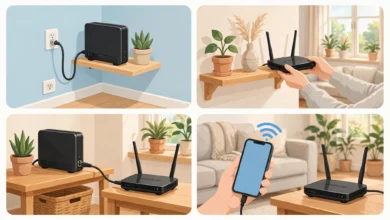
A window, rooftop or upper floor often gets much better signal. Some 4G home routers can be placed near a window to share Wi-Fi throughout the house.
Protect yourself from scams
- Buy SIMs only from official franchises with proper biometric verification.
- Never give your thumbprint or CNIC copy to strangers for “free SIMs” or “aid programs.”
- Ignore free data links and never share OTPs.
- Avoid unregistered phones that can be blocked.
- Avoid illegal boosters and unlicensed internet sellers.
Use community and public access
Schools, colleges, union council offices and community centers sometimes offer internet access. Use these for heavy tasks like large downloads or online forms where available.
Conclusion
Internet in rural Pakistan costs more not because villagers are charged a different bundle price, but because every useful gigabyte is harder and more expensive to deliver and to use. Towers serve fewer customers, depend on costly backhaul and diesel, face tough terrain and long repair times, and leave families relying on mobile data with no cheaper home broadband alternative. Weak signal wastes data, devices take a bigger share of lower incomes, and hidden costs like travel, phone charging and lost opportunities add up. Crime makes it worse: PTA has reported more than 9,200 theft and vandalism incidents at telecom sites in 11 months, the Universal Service Fund has recorded over 300 thefts at its rural sites, and unlicensed ISPs have been raided in towns like Daharki, Kot Addu, Layyah and Toba Tek Singh. There are real reasons for hope, including USF coverage projects, new 700 MHz spectrum from the 2026 auction, the abolition of right-of-way charges for fiber, network consolidation and the rapid rise in rural women coming online. Until those changes fully arrive, choosing the network with the best local signal, buying monthly bundles, downloading at off-peak hours, reducing wasted data and avoiding illegal shortcuts are the most effective ways to make internet in rural Pakistan more affordable.