How Satellite Internet Like Starlink Could Work in Pakistan
Starlink in Pakistan could reach villages fiber never will. Here is how it works, where licensing stands, the real risks, and what it may cost buyers.

Starlink in Pakistan: 7 Powerful Benefits and Tough Challenges Ahead
Introduction
Starlink in Pakistan has been “coming soon” for years. Starlink first approached the telecom regulator in 2022, and since then the story has gone back and forth between headlines about breakthroughs and headlines about delays. For a student in a Balochistan village, a freelancer in Gilgit, or a family in a flood-hit district of Sindh, though, this isn’t a tech curiosity. It’s a question of whether they’ll ever have internet that works.
Satellite internet promises something Pakistan has struggled to deliver through cables and towers alone: fast, usable internet in places where laying fiber is too expensive or simply impossible. Low-orbit satellites can reach mountain valleys, desert towns and disaster zones within days of a dish being installed. That’s the hopeful part.
The harder part is everything around it. Who licenses it, and under what security conditions? What happens to the government’s ability to monitor or shut down networks? Can ordinary people afford it? And what stops criminals from misusing it, as they already have in other countries?
This article walks through how satellite internet in Pakistan could actually work, from the technology itself to the licensing process as it stands in late 2026. You’ll see the real benefits, the real challenges, and real cases where satellite terminals were used illegally abroad, so you can form a clear, honest picture of what to expect.
How Satellite Internet Like Starlink Works
To understand how Starlink in Pakistan could work, it helps to know what makes it different from older satellite internet.
Low Earth Orbit vs. Traditional Satellites
Old satellite internet used a few large satellites parked about 36,000 km above the Earth. Signals had to travel that huge distance up and back, which caused long delays. Video calls lagged, online games were unplayable, and speeds were modest.
Low earth orbit internet works differently. Starlink uses thousands of small satellites orbiting roughly 550 km up. Because they’re much closer, the delay drops to a level similar to many cable or DSL connections. The tradeoff is that you need a lot of satellites, constantly moving, with ground stations to connect them to the wider internet.
What Users Actually Need
For a home or business, the setup is simple:


- A Starlink dish (the terminal), which you place outdoors with a clear view of the sky.
- A router, usually included in the kit, which creates a Wi-Fi network inside the home.
- Power. The dish and router need steady electricity, which matters in areas with load-shedding.
- A subscription, paid monthly to the provider.
The dish automatically finds and tracks satellites overhead. There’s no technician needed in most cases, which is a big reason satellite internet can spread quickly into remote areas.
Ground Stations and Local Control
Satellites pass your data to ground stations, called gateways, which connect to the internet backbone. Where those gateways sit matters a lot to governments. A gateway inside Pakistan means traffic can be routed under Pakistani law and oversight. Traffic routed through gateways abroad is much harder for local authorities to monitor, which is one of the central issues in the licensing debate.
Where Starlink in Pakistan Stands Today
As of October 2026, Starlink in Pakistan is still not commercially available. The licensing path has moved forward, but no operating license has been issued. Here’s how the process has unfolded, newest first:
.
Who Approves Satellite Internet in Pakistan
The Starlink Pakistan license isn’t a single stamp from one office. It moves through several bodies:
- Pakistan Space Activities Regulatory Board (PSARB): registers satellite operators under the National Space Policy and Space Activities Rules of 2024.
- Pakistan Telecommunication Authority (PTA): issues the actual telecom license once PSARB clears an operator.
- Ministry of Interior and security agencies: review security and monitoring arrangements.
- Ministry of IT and Telecommunication: sets policy and moves frameworks to the federal cabinet.
Starlink isn’t the only applicant. PTA has said several satellite companies have shown interest, so the same rules will shape how OneWeb, Amazon Kuiper and others enter the market too.
A Warning About Pre-Orders and Fake Sellers
Back in 2022, PTA publicly clarified that it had not licensed Starlink, after people began placing pre-orders. That warning still matters for anyone waiting on Starlink in Pakistan. Until an official license and pricing are announced, treat any local “Starlink Pakistan booking” offers with suspicion. Paying someone for an unlicensed connection, or importing a dish through unofficial channels, can cost you money and may put you on the wrong side of the law.
7 Powerful Benefits of Starlink in Pakistan
If licensing goes through and prices are reasonable, Starlink in Pakistan could make a real difference for specific groups of people. It won’t replace fiber or mobile networks in big cities, but it can fill the gaps they leave behind.
1. Rural Connectivity Where Fiber Doesn’t Reach
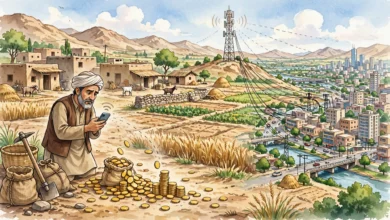
Large parts of Balochistan, interior Sindh, south Punjab, Khyber Pakhtunkhwa’s tribal districts, Gilgit-Baltistan and Azad Kashmir have weak or no broadband. Running fiber across mountains and deserts is slow and expensive, and mobile towers need power and backhaul that many areas lack. Rural connectivity is exactly the problem PTA itself points to when it talks about satellite broadband. A single dish can connect a school, a clinic or a small shop in a matter of hours.
2. Closing the Digital Divide
Pakistan’s digital divide isn’t only about cities versus villages. It also affects women, low-income households and smaller towns that get slower, patchier service. Satellite internet won’t fix affordability on its own, but it does remove the “no coverage at all” problem, which is the first barrier for millions of people.
3. A Lifeline for Freelancers and Remote Workers
Pakistan has one of the world’s largest pools of online freelancers. Many of them deal with dropped calls, slow uploads and network outages that cost them clients. For freelancers working from smaller cities and rural areas, a stable connection could be the difference between earning in dollars and losing contracts. Satellite internet in Pakistan could let skilled people stay in their hometowns instead of moving to Lahore, Karachi or Islamabad just for better internet.
4. Education in Remote Areas
Online classes, recorded lectures and digital libraries are only useful if students can actually load them. Once Starlink in Pakistan is licensed, schools in remote districts could use satellite connections for teacher training, virtual classrooms and access to resources that city students take for granted.
5. Disaster Response and Emergencies
The 2022 floods showed how quickly ground networks can fail. Towers lose power, cables wash away, and whole districts go silent right when communication matters most. With Starlink in Pakistan, terminals could be flown or driven into disaster zones and set up quickly. Rescue teams, field hospitals and relief organizations could stay connected even when local networks are down.
6. Healthcare and Telemedicine
Rural clinics often have no specialist doctors. With reliable internet, a local health worker can consult a specialist by video, share test results and get guidance on serious cases. That kind of telemedicine depends on low delay and steady connections, which is where low-orbit satellites have an edge over older systems.
7. More Competition for Existing Providers
Even people who never buy a dish could benefit from Starlink in Pakistan. A credible new option tends to push existing internet providers to improve service, expand coverage and rethink pricing. Competition from Starlink in Pakistan, along with OneWeb and Amazon Kuiper, could raise the bar for the whole market.
Tough Challenges Facing Starlink in Pakistan
The benefits are real, but so are the obstacles. Some are practical, like cost and power. Others are political and legal, and those are the ones that have kept Starlink in Pakistan stuck in approvals for years.
Cost and Affordability
No official Starlink price in Pakistan has been announced, and anyone quoting an exact rupee figure is guessing. What we do know from other markets is that users pay two things: an upfront hardware cost for the dish and router, and a monthly subscription. In most countries, the hardware alone costs more than many Pakistani households earn in a month, and monthly fees are well above what local broadband users pay today.
That creates an uncomfortable reality. The people who most need satellite internet, in remote and poor areas, are often the least able to pay for it. Without subsidies, shared community connections, or government programs for schools and clinics, early users will likely be businesses, NGOs, and wealthier households.
Power and Practical Limits
For Starlink in Pakistan to work in villages, a dish needs continuous electricity. In areas with long load-shedding hours, users would need batteries, UPS units or solar setups, which adds cost. Heavy rain and snow can also reduce performance, and dishes need a clear view of the sky, which can be tricky in narrow valleys or crowded city neighborhoods.
Data Security and Government Oversight
This is the biggest sticking point. Pakistan’s authorities have said they’re worried that satellite traffic could bypass local monitoring and security checks. Regulators want local gateways, lawful interception arrangements and data handling under Pakistani law before granting a Starlink Pakistan license.
There’s a genuine tension here. Governments have legitimate interests in fighting crime and terrorism. At the same time, Pakistan has a record of internet shutdowns, including suspensions of mobile internet during protests and restrictions on platforms like X. Digital rights groups worry that strict control requirements could simply extend those powers to satellite networks. Any honest discussion of satellite internet in Pakistan has to hold both concerns at once: security matters, and so does people’s right to stay connected.
Competition and Local Industry Concerns
Existing telecom companies, which would compete with Starlink in Pakistan, have invested heavily in towers and fiber, and they pay significant license fees and taxes. They’ll expect satellite operators to face similar obligations. Getting the rules fair for both sides takes time, which is part of why the process has been slow.
When Satellite Internet Goes Wrong: Real Cases of Illegal Use
Satellite internet is powerful precisely because it works anywhere. That same strength makes it attractive to criminals. These real cases show why regulators move carefully, and why using unlicensed terminals is a bad idea for ordinary users.
Myanmar’s Scam Centers (2025)
Along the Myanmar-Thailand border, criminal groups run huge “scam centers” where trafficked workers are forced to carry out romance and investment fraud. When Thailand cut internet and power to the border area in 2025, many of these compounds installed Starlink dishes on their rooftops to stay online. Starlink wasn’t licensed in Myanmar.
In October 2025, after media investigations, Myanmar’s military raided one of the most notorious compounds, KK Park, and said it seized 30 terminals. SpaceX then said it had disabled more than 2,500 Starlink kits near suspected scam centers. You can read Arab News coverage of SpaceX disabling 2,500 Starlink devices for the details.
Lesson: unlicensed satellite terminals can let criminal networks operate beyond the reach of national law. This is exactly the kind of risk Pakistani regulators cite.
Smuggled Terminals in India (2024)
Indian authorities reported two separate cases in late 2024 where Starlink devices turned up in illegal hands. In one, the Coast Guard seized a boat carrying several tonnes of methamphetamine near the Andaman and Nicobar Islands, and officials said the smugglers had used a Starlink device for navigation. In another, security forces in Manipur recovered a Starlink-type terminal during operations against armed groups. Starlink was not licensed in India at the time, and Elon Musk said its satellite beams were switched off over Indian territory.
Lesson: dishes can be carried across borders and used in places where they were never authorized, which is why tracking and licensing matter.
Grey-Market Terminals in Conflict Zones
During the war in Ukraine, Ukrainian officials reported that Russian forces were using Starlink terminals bought through third countries and grey-market sellers. SpaceX said it doesn’t do business with the Russian government and works to deactivate terminals it finds being used without authorization.
Lesson: once hardware enters unofficial supply chains, it’s very hard to control where it ends up.
What These Cases Mean for Pakistan
These examples explain a lot about the cautious approach to Starlink in Pakistan. They also carry a clear message for users:
- Don’t buy smuggled or unofficial dishes. Importing unlicensed telecom equipment can lead to seizure and legal trouble, and service can be cut without warning.
- Don’t pay for “pre-orders” from unofficial sellers. Wait for an announcement from PTA or the operator.
- Expect registration rules. Licensed service will likely require ID-linked accounts, similar to SIM registration, to prevent misuse.
- Support fair rules. Good regulation should block criminals without turning satellite internet into another tool for blanket shutdowns.
What Starlink in Pakistan Could Realistically Look Like
Putting it all together, a realistic picture of how Starlink in Pakistan could work looks something like this:
- Licensing first. Starlink and other operators complete PSARB registration, meet security conditions and receive PTA licenses under the Fixed Satellite Services framework.
- Local gateways and compliance. Operators build or lease ground stations inside Pakistan and agree on lawful interception and data rules.
- Business and institutional users early. Companies, NGOs, banks, schools and government projects are likely to be the first customers because of high upfront costs.
- Gradual consumer rollout. Home users in remote areas follow as prices settle and sales channels open.
- Partnerships for reach. Deals with local telecom companies, community Wi-Fi projects or government subsidies could make service affordable for villages that need it most.
None of this is guaranteed. Political decisions, security concerns and pricing will all shape the final outcome. But the regulatory groundwork that now exists makes satellite internet in Pakistan more likely than at any point since Starlink first applied.
Conclusion
Starlink in Pakistan could bring fast, low-delay internet to villages, mountain valleys and disaster zones that fiber and towers have never properly reached, giving freelancers, students, clinics and relief teams a connection they can rely on. The groundwork is finally in place, with PSARB registration rules and PTA’s Fixed Satellite Services framework, but as of October 2026 no operating license has been issued, and security, monitoring and pricing questions are still open. Real cases from Myanmar’s scam centers, smuggled terminals in India and grey-market dishes in Ukraine show why regulators are cautious, and why ordinary users should avoid unofficial pre-orders and smuggled equipment. If the rules end up fair, protecting security without enabling blanket shutdowns, and if prices or subsidies make service affordable, Starlink in Pakistan could become one of the most practical tools the country has for closing its digital divide.