Inflation Crisis: 7 Ways It’s Crushing Small Businesses in Pakistan (2026)
Inflation Crisisin Pakistan is squeezing small business owners through higher costs, weak demand, and credit gaps. Here's what's really happening.
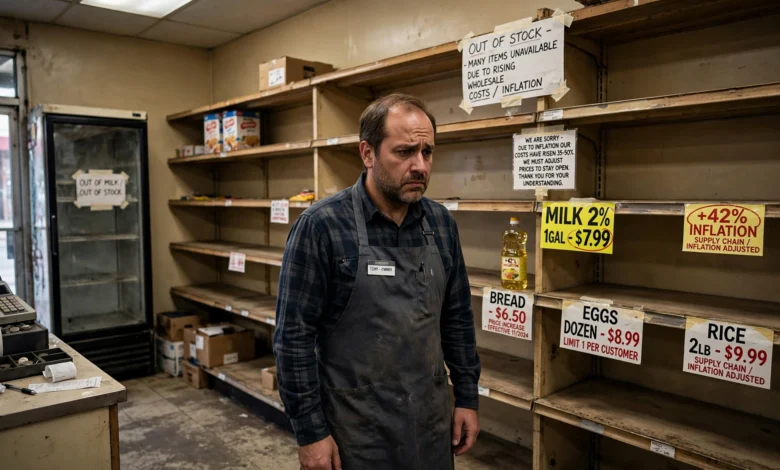
Inflation Crisis has become the word every shopkeeper, trader, and small manufacturer in Pakistan mutters under their breath these days. After a brief period of relief in late 2025, prices came roaring back in 2026, with inflation in Pakistan climbing to 11.1% in August, up from 9.2% in July and more than triple the 3.56% rate recorded a year earlier, according to Pakistan Bureau of Statistics data. For a country where small businesses in Pakistan employ the bulk of the private-sector workforce, that kind of swing isn’t a footnote in an economic report.
It’s the difference between keeping the shop open or shutting the shutters for good.If you run a tailoring shop in Lahore, a hardware store in Faisalabad, or a small textile unit in Karachi, you don’t need a chart to tell you prices are up. You feel it every time you restock inventory, pay a supplier, or open an electricity bill that seems to grow every single month.
This article breaks down exactly how inflation is hitting small and medium enterprises (SMEs) across the country, which sectors are hurting most, and what practical steps business owners can take to protect their margins while the broader economy sorts itself out. We’ll also look at what’s driving the price surge in the first place, because understanding the cause matters just as much as managing the effect.
What’s Really Driving Inflation in Pakistan Right Now
Before getting into the impact on businesses, it helps to understand why inflation in Pakistan has been so volatile. The country went from a peak of nearly 38% in May 2023 down to an average of just 3.53% for all of 2025, only to bounce back into double digits by mid-2026. That’s an unusually wide swing even by Pakistan’s own historical standards, where average inflation since 1957 sits around 8.4%.
A few forces are behind the recent spike:
- Transport and fuel costs jumped over 20% year-on-year in August 2026, driven by rising international oil prices tied partly to conflict in the Middle East.
- Food inflation rose nearly 14% annually, with items like onions and eggs seeing sharp monthly increases.
- Currency pressure has made imported raw materials, machinery parts, and packaging more expensive for manufacturers.
- Energy tariffs, particularly electricity, have climbed close to 30% annually in some readings, hitting any business that runs machinery, refrigeration, or extended operating hours.
- Credit tightening, where banks prefer lending to the government through securities rather than extending loans to the private sector, has left many SMEs starved of working capital exactly when they need it most.
The State Bank of Pakistan has responded with policy rate adjustments aimed at cooling demand, but analysts have pointed out that much of the current inflation is supply-driven rather than demand-driven, meaning higher interest rates alone won’t fix the root problem. You can track the latest official figures directly through the Pakistan Bureau of Statistics monthly inflation reports, which publish updated Consumer Price Index data every month.
How Inflation Is Affecting Small Businesses in Pakistan Day to Day
For a small business owner, inflation doesn’t arrive as an abstract percentage. It shows up as a series of small, compounding shocks that eat into cash flow one invoice at a time.
1. Rising Input and Raw Material Costs
Whether it’s cotton for a garment maker, steel for a fabrication workshop, or flour for a bakery, the cost of raw materials has climbed steadily through 2026. Suppliers are passing on higher import and transport costs almost as soon as they receive them, often revising price lists monthly instead of quarterly. Business owners who lock in prices with customers in advance are finding those contracts unprofitable within weeks.
2. Soaring Utility and Energy Bills
Electricity and gas tariffs have become one of the biggest fixed-cost headaches for small businesses in Pakistan. A tailoring unit, a small printing press, or a neighborhood restaurant that used to budget a fixed amount for utilities each month now has to treat that line item as a variable, unpredictable expense. Some owners have shifted operating hours to off-peak tariff windows, while others have invested in solar panels despite the upfront cost, simply to gain some predictability.
3. Squeezed Profit Margins
Here’s the trap most small businesses fall into during high inflation: costs rise faster than they’re able to raise prices, because customers are also feeling the pinch and will simply walk away if prices jump too quickly. This creates a margin squeeze where revenue looks stable on paper, but real profitability, once adjusted for inflation, is shrinking month after month.
4. Reduced Consumer Spending Power
When inflation eats into household budgets, people cut back on discretionary spending first. That means:
- Restaurants and cafes see smaller average bills or fewer repeat visits.
- Clothing and footwear retailers face longer sales cycles and heavier reliance on discounting.
- Non-essential service providers, such as salons or event planners, notice clients cancelling or downgrading bookings.
Essential goods sellers, like grocery stores, tend to hold up better, but even they see customers switching to cheaper brands or buying smaller quantities more frequently.
5. Difficulty Accessing Affordable Credit
Access to financing has always been a challenge for small businesses in Pakistan, and rising interest rates have made it worse. Banks, wary of default risk in an inflationary environment, have tightened lending criteria and, in many cases, prefer parking funds in government securities over extending credit to private enterprises. This leaves SMEs without a financial cushion at the exact moment they need working capital to cover higher costs. The State Bank of Pakistan does offer subsidized green financing schemes for businesses adopting energy-efficient equipment, and details are available through the State Bank of Pakistan’s official website.
6. Currency Volatility and Import Dependency
Businesses that rely on imported raw materials, spare parts, or finished goods face a double hit: global commodity prices plus currency depreciation. A small electronics retailer or an auto parts dealer, for example, has to reprice inventory almost continuously just to keep up with the exchange rate, which frustrates customers who don’t understand why the same item costs more this month than last.
7. Talent Retention and Wage Pressure
Employees feel inflation too, and many are asking for wage increases just to maintain their standard of living. Small business owners are caught between the need to retain skilled staff and the reality that revenue isn’t growing fast enough to support significant raises. Some owners report losing experienced workers to larger firms or overseas opportunities that can offer inflation-adjusted pay.
Which Sectors Are Hit Hardest
Not every industry experiences inflation in Pakistan the same way. Based on how costs and consumer behavior have shifted through 2026, a few sectors stand out:
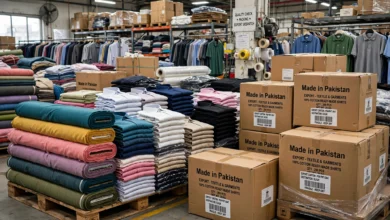
- Textile and garment manufacturing: Heavy reliance on imported dyes, machinery parts, and energy makes this sector especially vulnerable to both currency swings and utility tariff hikes.
- Food and restaurant businesses: Squeezed by rising ingredient costs on one side and cautious consumer spending on the other.
- Retail and general trade: Struggling to manage inventory pricing while keeping loyal customers who are shopping more carefully.
- Transport and logistics: Fuel price increases directly raise operating costs, which then ripple through nearly every other sector that depends on delivery and distribution.
- Construction and hardware: Cement, steel, and other building material costs have risen sharply, slowing down small-scale construction projects and renovation work.
Practical Ways Small Businesses Can Cope With Inflation
While no single business owner can control national inflation, there are concrete steps that help protect margins and keep operations stable.
- Review financials monthly, not annually. Waiting until year-end to check profitability means discovering problems long after they could have been fixed. A monthly profit and loss review helps catch margin erosion early.
- Diversify suppliers. Relying on a single supplier for raw materials leaves a business exposed to sudden price hikes. Comparing multiple vendors, even informally, can reveal meaningful savings.
- Adjust pricing strategically, not reactively. Small, regular price adjustments are usually easier for customers to accept than sudden, large jumps.
- Explore energy efficiency investments. Solar panels, energy-efficient machinery, or simply shifting production to off-peak hours can meaningfully reduce one of the largest variable costs many businesses face.
- Negotiate payment terms with suppliers. Extending payment cycles, even by a few weeks, can ease cash flow pressure without changing the underlying cost structure.
- Look into government and bank support schemes. Subsidized financing programs exist specifically to help SMEs manage rising costs, though awareness of these schemes remains low among small business owners.
- Keep a cash buffer where possible. Even a modest reserve can be the difference between weathering a rough month and having to take on high-interest debt.
The Bigger Picture: Why This Matters for Pakistan’s Economy
Small businesses in Pakistan are not a side note in the economy. They account for the vast majority of private-sector employment and a significant share of GDP. When inflation squeezes these businesses, the effects ripple outward: fewer jobs, less tax revenue, and reduced consumer confidence. Economic forecasts from institutions like the Asian Development Bank suggest inflation may moderate somewhat into 2027, but for now, business owners are having to manage through real uncertainty rather than wait for conditions to improve.
Government policy responses, including interest rate decisions and energy sector reforms, will play a role in how quickly relief arrives. But in the meantime, the businesses most likely to survive this period are the ones treating financial discipline, not sheer resilience, as their main strategy.
Conclusion
Inflation in Pakistan has moved in sharp, unpredictable swings over the past few years, and 2026 has brought a fresh wave of pressure that’s landing squarely on the shoulders of small business owners. Rising raw material costs, soaring utility bills, shrinking margins, tighter credit conditions, currency volatility, and wage pressure are combining to make day-to-day operations harder across nearly every sector, from textiles and food service to retail and transport.
The businesses that come through this period intact are largely the ones paying closer attention to their numbers, diversifying where they can, and making small, deliberate adjustments rather than waiting for the economy to sort itself out. Until inflation cools in a lasting way, financial awareness isn’t optional for small businesses in Pakistan, it’s the main thing standing between staying open and closing down.