Best Business Loan Options for Small Entrepreneurs in Pakistan: 7 Proven Picks for 2026
Compare the best business loan options for small entrepreneurs in Pakistan, from government schemes to bank and microfinance loans.
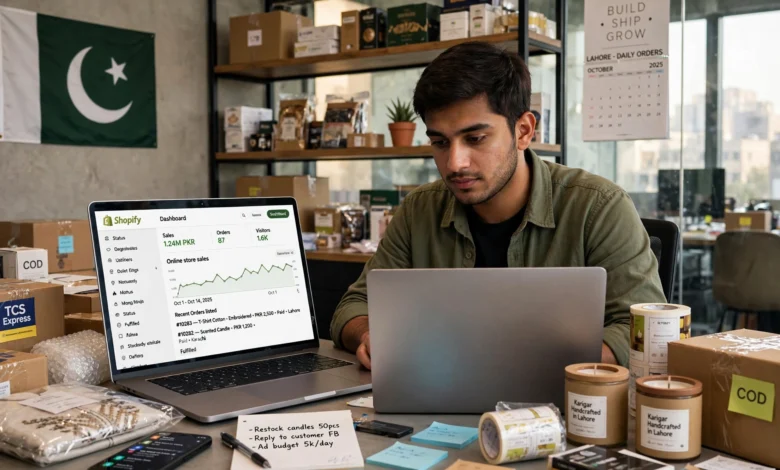
Finding the best business loan options for small entrepreneurs in Pakistan can feel overwhelming when you’re staring at a dozen bank websites and government portals, all promising the lowest markup and the fastest approval. The truth is, there isn’t one “best” loan for everyone. A shopkeeper in Lahore looking for Rs. 300,000 in working capital has very different needs than a tech founder in Karachi trying to raise Rs. 5 million to scale a delivery business. What matters is knowing which doors are actually open to you, what they cost, and what they’ll ask for in return.
Pakistan’s lending landscape for small business has changed a lot over the last few years. The State Bank of Pakistan has pushed banks to simplify SME lending, the government has kept its youth loan scheme running under different names, and microfinance institutions have quietly become one of the biggest sources of capital for people who can’t offer traditional collateral. On top of that, more digital lenders and fintechs are entering the market, which means entrepreneurs now have more choices than they did even five years ago.
This guide walks through the main business loan options in Pakistan available to small entrepreneurs right now: government-backed schemes, commercial bank SME products, Islamic financing, microfinance loans, and women-focused programs. We’ll also cover eligibility, documents, and how to pick the right one without wasting months on an application that was never going to get approved.
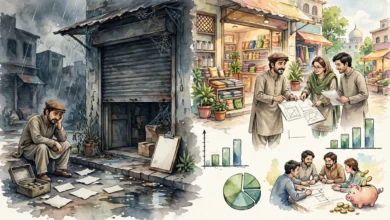
Why Small Entrepreneurs in Pakistan Struggle to Get Business Loans
Before getting into the options themselves, it’s worth understanding why so many small business owners in Pakistan give up on formal financing altogether.
Most traditional bank loans were built with large, established companies in mind. They ask for years of audited financial statements, tax filings, and hard collateral like property or gold. A small trader running a shop out of a rented space, or a home-based seller running an Instagram store, simply doesn’t have those things to offer.
A few recurring problems keep coming up:
- Lack of collateral – Many entrepreneurs don’t own property or other assets a bank will accept as security.
- Thin credit history – If you’ve never borrowed formally before, banks have nothing to base a risk decision on.
- Documentation gaps – Missing NTN registration, no business bank account, or informal bookkeeping can stall an application before it even starts.
- Slow processing – Some conventional loans take weeks or months to approve, which doesn’t help someone who needs working capital now.
This is exactly the gap that government-backed schemes and microfinance institutions were designed to close, and it’s why they’re often a more realistic starting point than a regular commercial loan.
1. Government-Backed Business Loan Schemes
Government schemes are usually the first stop for small entrepreneurs because they carry lower markup rates and, in some cases, no collateral requirement at all.
Prime Minister’s Youth Business and Agriculture Loan Scheme (PMYB&ALS)
The PMYB&ALS, often still called Kamyab Jawan by its earlier name, is the largest government business loan scheme in Pakistan aimed at young entrepreneurs. It’s run through the State Bank of Pakistan in coordination with more than a dozen partner banks, including HBL, NBP, MCB, Bank Alfalah, and UBL.


The scheme is split into three tiers based on loan size:
- Tier 1: Loans up to Rs. 500,000, offered at zero markup with no collateral, secured only by a personal guarantee.
- Tier 2: Loans above Rs. 500,000 up to Rs. 1.5 million, carrying a subsidized markup and still classified as a clean, unsecured loan.
- Tier 3: Loans above Rs. 1.5 million up to Rs. 7.5 million, where banks generally ask for some form of security depending on internal policy.
One detail that makes this scheme genuinely useful for wider access is that a quarter of the loans are set aside for women, who also get priority processing. There’s also no minimum education requirement to apply, so it isn’t limited to university graduates or people with formal business training.
Applications go through the official PMYB&ALS portal, and eligibility generally covers Pakistani residents between 21 and 45 years old, with the age floor dropping to 18 for IT and e-commerce businesses. Because the government subsidizes part of the markup, the final rate a borrower pays ends up well below what a standard commercial loan would cost.
SBP Refinance and Credit Guarantee Schemes
Separate from PMYB&ALS, the State Bank of Pakistan also runs refinance and credit guarantee facilities that don’t lend to businesses directly but instead reduce the risk banks take on when they lend to small enterprises. In practice, this is what allows banks to extend unsecured or lightly secured SME loans that they otherwise wouldn’t approve. These credit guarantee schemes partially cover bank losses on SME loans, particularly for businesses that can’t offer full collateral, and this mechanism is what has allowed unsecured SME lending to grow over the past several years.
If you’re applying for an SME loan at a commercial bank and get asked about a “credit guarantee” or “refinance scheme,” this is usually what they’re referring to, and it’s often the reason your application gets approved despite limited collateral.
2. Commercial Bank SME Loans
Nearly every major bank in Pakistan now has a dedicated SME lending arm, and these products cover a wider range of purposes than government schemes, from working capital to machinery purchase and trade finance.
Typical SME loan categories offered by banks include:
- Working capital loans – short-term financing to cover day-to-day operating expenses like inventory and payroll
- Term loans – for buying equipment, machinery, or expanding physical premises
- Trade finance – letters of credit and guarantees for businesses dealing in imports or exports
- Warehouse financing – financing secured against stored goods rather than fixed property
- Lease-to-own arrangements – for acquiring vehicles or equipment without a large upfront payment
Banks like Allied Bank, HBL, and Bank of Punjab run some of the more comprehensive SME portfolios in the country, with products designed for businesses at different stages, from a newly registered shop to an established manufacturer looking to expand. One practical improvement worth knowing about: a Single Loan Application Form, introduced under SBP guidelines, now lets SME owners apply for financing across multiple banks using one standardized document, which cuts down significantly on repetitive paperwork.
If you’re comparing bank business loans in Pakistan, it’s worth applying to two or three banks in parallel rather than waiting on one decision, since approval criteria and processing speed can vary noticeably between institutions even for similar products.
Islamic Business Financing
For entrepreneurs who want Sharia-compliant financing, most major banks including Meezan Bank, Bank Islami, and the Islamic banking windows of conventional banks offer SME financing structured around Murabaha, Ijarah, and Diminishing Musharakah models instead of interest-based lending. The underlying purpose is the same as a conventional business loan (working capital, asset purchase, or expansion), but the profit is structured as a markup on a trade or lease transaction rather than interest. This is a solid option if compliance with Islamic finance principles is a priority alongside the loan itself.
3. Microfinance Loans for Small and Home-Based Businesses
Microfinance is often the most realistic path for very small or informal businesses that can’t meet a commercial bank’s documentation or collateral standards.
Microfinance loans are provided by specialized banks and non-bank microfinance institutions, and they usually involve minimal documentation and are designed for quick disbursal, which makes them well suited to home-based sellers, small retail shops, and first-time borrowers.
Akhuwat Foundation
Akhuwat is one of the best-known names in this space because it operates on an interest-free lending model rather than charging markup. It runs dedicated business loan programs aimed at helping small business owners, startups, and entrepreneurs across Pakistan turn ideas into profitable ventures, with a particular focus on people who lack the capital to get started at all. Loan sizes here tend to be smaller than bank or government-scheme financing, but the lack of interest and simplified process make it a strong option for micro-entrepreneurs.
ASA Pakistan and Other Microfinance Banks
Institutions like ASA Microfinance Bank offer small business loan products aimed specifically at low-income entrepreneurs who don’t have access to traditional bank credit. These loans are typically smaller in size and come with group or community-based guarantee structures instead of collateral, which is exactly what makes them accessible to people running very small operations.
4. Loans and Financing Programs for Women Entrepreneurs
Access to capital has historically been harder for women running businesses in Pakistan, and several programs now exist specifically to close that gap.
- JS Khud Mukhtar, run by JS Bank, is a financing product built exclusively for women entrepreneurs, and it operates under the State Bank of Pakistan’s Refinance and Credit Guarantee Scheme for Women, supporting women who are setting up new businesses or expanding existing ones.
- PMYB&ALS’s 25% women’s quota, mentioned earlier, effectively makes the youth loan scheme one of the larger women-focused financing channels in the country simply because of its scale.
- Several microfinance institutions, including Akhuwat and ASA Pakistan, report a high share of female borrowers, since group-lending and interest-free models tend to work well for women running home-based or informal businesses.
If you’re a woman entrepreneur weighing your business loan options in Pakistan, it’s worth checking eligibility for these programs specifically, since priority processing and relaxed collateral terms can meaningfully shorten your approval timeline.
5. Digital Lending and Fintech-Based Financing
A newer but growing category is digital lending, where fintech platforms and digital banks assess creditworthiness using transaction history, mobile data, or e-commerce sales records instead of traditional collateral. This is particularly relevant for online sellers, freelancers, and small businesses that operate primarily through digital payment channels. These platforms tend to move faster than traditional banks since much of the underwriting is automated, though loan sizes are usually smaller and markup rates can run higher than subsidized government schemes. For a business that needs a quick, short-term cash injection rather than long-term financing, this can still be a practical bridge option.
Eligibility Criteria for Business Loans in Pakistan
While each lender sets its own specific requirements, most business loan applications in Pakistan are built around a common baseline. Generally, you’ll need to meet the following:
- Be a Pakistani national with a valid CNIC
- Fall within the age range typically required, usually 18 to 60 years, though government youth schemes cap this at 45
- Hold a National Tax Number (NTN), which most formal lenders require for business loans
- Have a registered business or a clear, documented plan to start one
- Show some ability to repay, whether through existing business revenue or a credible business plan and projections
Startup-focused financing, in particular, tends to weigh your business plan heavily since there’s no operating history to fall back on. If you’re applying for a loan to launch something new rather than expand an existing business, a well-prepared feasibility study or projection sheet can make a real difference in approval odds.
Documents You’ll Typically Need to Apply
Having your paperwork ready before you approach a bank or scheme saves weeks of back-and-forth. Most lenders will ask for some combination of the following:
- Valid CNIC (original and copies)
- Proof of business registration or trade license
- NTN certificate
- Bank statements, usually covering the last six to twelve months
- Business plan or feasibility report, especially for startup or Tier 3 government-scheme loans
- Proof of address, both personal and business
- Passport-size photographs
- Collateral documents, where applicable (property papers, guarantor details, etc.)
It’s worth double-checking the exact list with your chosen lender before submitting anything, since requirements can shift slightly between banks and between loan tiers.
How to Choose the Right Business Loan for Your Situation
With this many business financing options in Pakistan, the decision usually comes down to three questions: how much you need, how fast you need it, and what you can realistically offer as security.
- If you need a small amount and have little or no collateral, start with Tier 1 of PMYB&ALS or a microfinance loan from Akhuwat or ASA Pakistan. Both are built for exactly this situation.
- If you’re a woman entrepreneur, look specifically at JS Khud Mukhtar and the PMYB&ALS women’s quota before applying elsewhere, since these come with priority handling.
- If you already have an operating business with revenue and some assets, a commercial bank SME loan will usually offer larger amounts and more flexible use of funds than government schemes.
- If Sharia compliance matters to you, Islamic financing through Meezan Bank, Bank Islami, or another bank’s Islamic window covers most of the same use cases as conventional SME loans.
- If you need cash quickly for a short-term gap, a digital lending platform may get you funded faster, even if the cost ends up somewhat higher.
It’s also reasonable to apply to more than one option at the same time, particularly since the standardized SME application form now makes it easier to approach multiple banks without redoing your paperwork each time.
Common Mistakes Small Entrepreneurs Make When Applying
A lot of loan applications get rejected or delayed for reasons that have nothing to do with the business itself. Some of the most common ones:
- Applying without an NTN or business registration, which disqualifies you from most formal lending before the application is even reviewed
- Submitting a vague or unrealistic business plan, especially for startup financing where the plan is the main basis for approval
- Ignoring the fine print on markup and fees, then getting surprised by the actual repayment amount
- Applying for the wrong tier or loan size, either asking for more than the business can support or less than it actually needs to be viable
- Not checking the SBP Sunwai Portal or bank grievance channels when a legitimate application is stuck for an unreasonably long time, since this exists specifically for SME borrowers dealing with unresponsive banks
Avoiding these issues alone puts you ahead of a large share of applicants who get turned away or delayed for preventable reasons.
Conclusion
Small entrepreneurs in Pakistan today have more genuine financing paths than they did just a few years back, from the government-backed PMYB&ALS and SBP’s credit guarantee schemes, to commercial bank SME products, Islamic financing, microfinance institutions like Akhuwat and ASA Pakistan, and women-focused programs such as JS Khud Mukhtar.
The right choice depends less on which lender has the flashiest marketing and more on matching your loan size, collateral situation, and timeline to the product that was actually built for a business like yours. Start with the schemes designed for smaller, unsecured needs if you’re just getting off the ground, keep your documentation and business plan in order regardless of which option you pursue, and don’t hesitate to apply through more than one channel at once. With the right preparation, getting funded is far more achievable than it looks from the outside.