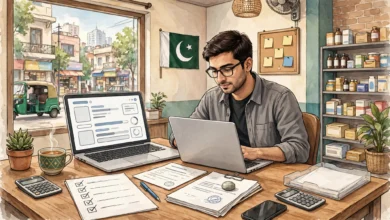
How to Start a Small Business in Pakistan With Limited Capita
Start a small business in Pakistan with limited capital using these 7 practical, low-cost steps that actually work for new entrepreneurs.
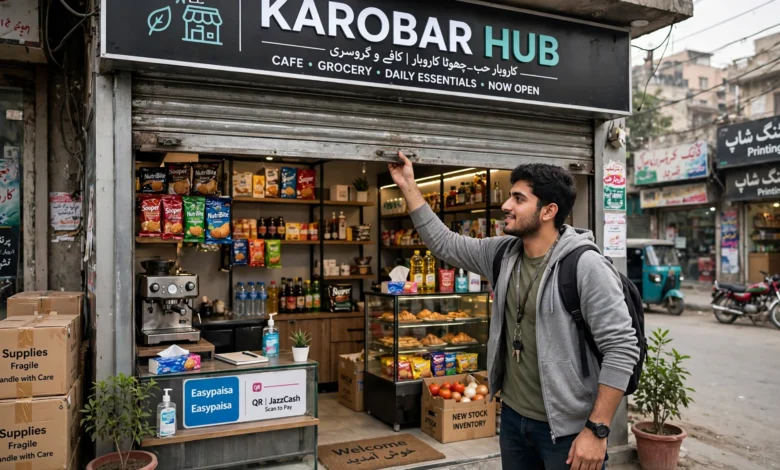
Thousands of people want to start a small business in Pakistan every year, and most of them assume they need a fat bank balance before they can even begin. That’s simply not true anymore. Between low-cost digital tools, freelancing platforms, microfinance schemes, and a growing culture of home-based ventures, it’s genuinely possible to start a small business in Pakistan with limited capital and still build something that pays your bills and grows over time.
This isn’t about get-rich-quick shortcuts. It’s about being smart with the money you do have, picking the right business model for your situation, and avoiding the mistakes that sink new entrepreneurs before they get off the ground. Whether you’re a student in Lahore trying to turn a skill into income, a housewife in Karachi looking to sell homemade products, or a fresh graduate in Islamabad tired of sending out resumes, the path is more accessible than most people think.
In this guide, we’ll walk through exactly how to plan, fund, register, and market a small business in Pakistan even if you’re starting with a small budget. We’ll cover realistic low-investment business ideas, where to find funding when your savings run short, how to handle registration without getting lost in paperwork, and practical ways to get customers without spending a fortune on advertising. By the end, you’ll have a clear, workable roadmap instead of vague motivation.
Why Starting a Small Business in Pakistan Makes Sense Right Now
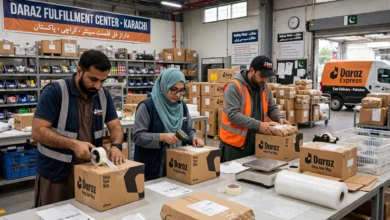
Pakistan’s economy has its ups and downs, but a few things are working in favor of small entrepreneurs right now. Internet penetration keeps rising, mobile payment options like JazzCash and Easypaisa have made transactions simple, and platforms like Daraz, Instagram, and WhatsApp Business have removed the need for a physical shop altogether.
At the same time, unemployment and inflation are pushing more people toward self-employment in Pakistan as a practical alternative to a traditional job search. The government has also introduced schemes aimed at young entrepreneurs, which we’ll get into later. None of this guarantees success, but it does mean the barriers to entry for a low investment business in Pakistan are lower than they were even five years ago.
Step 1: Pick a Business Idea That Fits Your Budget
The single biggest reason new businesses fail isn’t lack of money. It’s picking an idea that doesn’t match the money, time, or skills the person actually has. Before you think about funding or registration, be honest about what you can realistically pull off with a limited budget.
Low-Capital Business Ideas Worth Considering
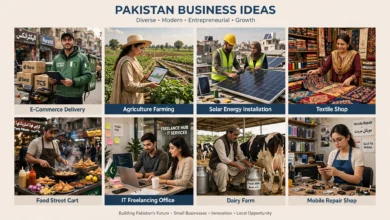
Here are some options that consistently work well for people looking to start a small business in Pakistan with limited capital:
- Freelancing and digital services – writing, graphic design, video editing, or web development sold on platforms like Fiverr and Upwork, requiring almost no upfront cost beyond a laptop and internet connection
- Home-based food business – baking, catering, or selling homemade pickles, spices, or frozen items through Instagram and local delivery
- Reselling and dropshipping – buying products in bulk at wholesale rates and selling them online without holding heavy inventory
- Tailoring and stitching services – especially strong in cities where custom clothing demand is steady year-round
- Tutoring and online courses – teaching academic subjects, Quran recitation, or a specific skill like spoken English or computer basics
- Mobile and computer repair services – a skill-based business that needs tools rather than large capital
- Event decoration and small-scale wedding services – decor, photography, or catering for smaller local events
- Beauty and grooming services from home – a salon setup at home for local clients, which avoids the cost of renting a shop
How to Narrow It Down
Ask yourself three questions before committing:
- Do I already have some skill or experience in this area, or will I need to learn it from scratch?
- Can I test this idea on a tiny scale first, without spending much, to see if people actually want it?
- Is there real demand for this in my city or neighborhood, or am I guessing?
If you can answer these honestly, you’ll avoid wasting your limited capital on an idea that sounds good but has no real customers behind it.


Step 2: Write a Simple, Realistic Business Plan
You don’t need a 40-page document to satisfy investors. What you need is a one or two-page plan that keeps you honest about costs, pricing, and who you’re actually selling to. A basic business plan for a small business in Pakistan should cover:
- What exactly you’re selling and to whom
- How much it will cost to get started and to run monthly
- How you’ll price your product or service and what margin that leaves you
- Where your first ten customers will come from
- What you’ll do if sales are slower than expected in the first three months
Write this down. It doesn’t need to be polished, but putting numbers on paper forces you to notice gaps you’d otherwise miss until it’s too late.
Step 3: Figure Out Your Actual Startup Costs
This is where a lot of people either overestimate or underestimate what they need. To start a small business in Pakistan with limited capital, you need a realistic number, not a guess.
Break your costs into two categories:
One-Time Startup Costs
Equipment, initial inventory, a website or social media setup, business cards, basic branding, and any tools specific to your business.
Recurring Monthly Costs
Rent (if any), utilities, internet, transportation, packaging, marketing, and raw materials.
Add a buffer of at least 20% on top of your estimate, because unexpected costs always show up. If your total comes out higher than what you have available, go back to Step 1 and consider scaling the idea down rather than borrowing more than you can comfortably repay.
Step 4: Explore Low-Capital Funding Options in Pakistan
Once you know your numbers, you can figure out how to cover the gap. There are more options today than just asking relatives for a loan, although that’s still common and not a bad choice if it’s manageable.
Personal Savings and Bootstrapping
The safest route is starting with what you already have and reinvesting profits as you go. It’s slower, but it keeps you debt-free while you test whether the business actually works.
Government and State Bank Schemes
The State Bank of Pakistan has backed several small business financing programs designed for first-time entrepreneurs, including youth and women-focused schemes offering lower markup rates than commercial loans. It’s worth checking current eligibility criteria directly through the State Bank of Pakistan before applying, since terms and available programs change from time to time.
Microfinance Banks
Institutions like Khushhali Microfinance Bank, NRSP, and FINCA offer smaller loan amounts specifically aimed at people starting or expanding a small business, often with fewer documentation requirements than traditional banks.
Business Loans From Commercial Banks
Several commercial banks in Pakistan run dedicated small and medium enterprise (SME) financing desks. These usually require a business plan, some collateral or guarantor, and a clean credit history, so they work better once your business has some track record.
Family, Friends, and Informal Committees (Committee/BC System)
The traditional rotating savings committee system, known locally as a “committee,” remains a genuinely popular way for small entrepreneurs to raise a lump sum without paying interest. It relies entirely on trust, so only join one with people you know well.
Step 5: Register Your Business the Right Way
A lot of people running a home-based business in Pakistan skip registration entirely, thinking it’s only for big companies. That works for a while, but it limits you when you want to open a business bank account, apply for a loan, or work with bigger clients who need an invoice.
Steps to Register a Small Business in Pakistan
- Choose a business structure – most small businesses start as a sole proprietorship, which is the simplest and cheapest option
- Register with the Securities and Exchange Commission of Pakistan (SECP) if you’re forming a private limited company, or register your trade name with your local Chamber of Commerce for a sole proprietorship. Full guidance on company registration is available through the Securities and Exchange Commission of Pakistan
- Get a National Tax Number (NTN) from the Federal Board of Revenue, which is required for opening a business bank account and filing taxes
- Open a separate business bank account so your personal and business finances don’t get mixed together
- Register for sales tax if your business will be selling taxable goods above a certain threshold, or if a client specifically requires it
None of this needs to happen on day one if you’re testing an idea, but plan to formalize things within the first few months once you see the business is actually working.
Step 6: Keep Your Overheads as Low as Possible
The businesses that survive on limited capital are usually the ones that resist the urge to spend on things that look professional but don’t actually bring in customers.
- Work from home instead of renting a shop or office for as long as the business allows it
- Use free or low-cost tools like WhatsApp Business, Google Business Profile, and Canva instead of paying for expensive software early on
- Buy inventory in smaller batches until you understand actual demand, rather than stocking up and tying up your cash
- Negotiate with suppliers for better rates once you can show consistent order volume
- Avoid hiring too early — handle as much as you can yourself before adding payroll to your monthly costs
Every rupee you don’t spend on overhead is a rupee you can put toward marketing or inventory that actually grows the business.
Step 7: Market Your Business Without a Big Budget
You don’t need a large advertising budget to get your first customers. Some of the most effective methods for a new small business in Pakistan cost little to nothing.
Practical, Low-Cost Marketing Methods
- Set up an Instagram and Facebook business page and post consistently, showing your product or service in use rather than just posting prices
- Ask happy customers for referrals and offer a small discount for word-of-mouth recommendations
- Join local Facebook groups and WhatsApp communities relevant to your city or niche, where people already ask for recommendations
- Use WhatsApp Business to manage orders, send catalogs, and reply quickly, since fast responses often win the sale
- Partner with a slightly bigger local business for cross-promotion, especially if your products complement each other
- Run small, targeted paid ads only once you know your product sells organically, starting with a very small daily budget to test what works
Consistency matters more than a big splashy launch. A steady presence over a few months usually beats a one-time expensive push.
Common Mistakes to Avoid When Starting With Limited Capital
- Spending too much on branding before you have customers — a logo doesn’t sell products, a good offer does
- Ignoring cash flow and spending profits immediately instead of reinvesting or keeping a small reserve
- Trying to serve everyone instead of picking a specific, clearly defined customer group
- Skipping proper pricing calculations, which leads to selling at a loss without realizing it
- Taking on debt too early before proving the business model works on a small scale
- Not tracking expenses, which makes it impossible to know if the business is actually profitable
Avoiding these mistakes matters just as much as any funding source or marketing tactic, because they’re what quietly drain limited capital when nobody’s paying attention.
Conclusion
Starting a small business in Pakistan with limited capital isn’t about waiting until you have enough money saved up. It’s about choosing an idea that matches your actual budget and skills, keeping a tight handle on your costs, using the funding options genuinely available to first-time entrepreneurs, registering properly once things gain traction, and marketing consistently without overspending.
Thousands of people across Pakistan have built profitable small businesses this exact way, starting small, staying disciplined with money, and growing step by step rather than trying to do everything at once. If you follow the same approach, limited capital becomes a manageable starting point rather than a permanent obstacle.