E-Commerce in Pakistan: Opportunities and Challenges for New Sellers
E-Commerce in Pakistan is booming fast. Here's what new sellers must know about the real opportunities, risks, and rules of the game.
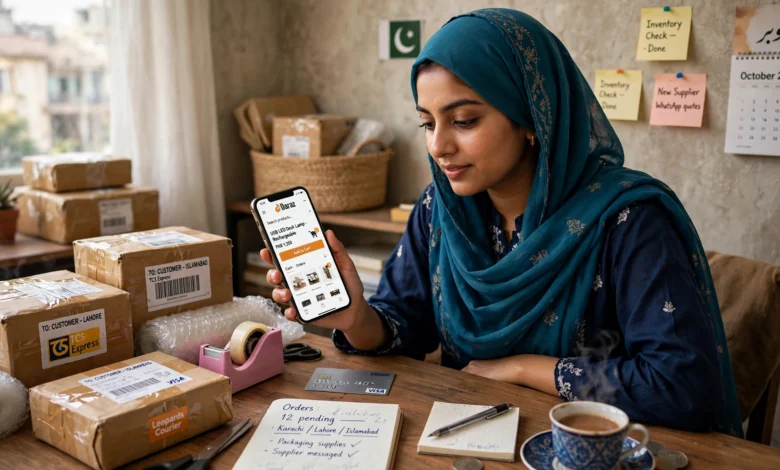
E-commerce in Pakistan is no longer a side hustle experiment. It has turned into one of the fastest-growing digital industries in South Asia, and it’s pulling in everyone from college students running Instagram shops to established retailers building full-scale online stores. If you’re thinking about opening a store on Daraz, launching a Shopify brand, or selling through WhatsApp and TikTok, you’re stepping into a market that’s genuinely full of promise, but also one that comes with a specific set of headaches you won’t find in textbook business plans.
This article breaks down what’s actually happening in online business in Pakistan right now, not the polished version you see in press releases, but the practical reality that new sellers run into once they start taking orders. We’ll look at the numbers driving the excitement, the categories where new sellers are finding traction, and then get honest about the logistics delays, payment trust issues, and tax confusion that trip up a lot of first-time entrepreneurs.
Whether you’re testing your first product on a personal page or planning to register a proper online business, understanding both sides of this equation, the opportunities in e-commerce and the very real challenges for online sellers, will save you months of trial and error. Let’s get into it.
Why E-Commerce in Pakistan Is Growing So Fast
Pakistan has all the raw ingredients for a digital retail boom: a young population, rising smartphone ownership, and internet access that keeps expanding into smaller cities. But the growth isn’t just theoretical anymore, it’s showing up in hard numbers.
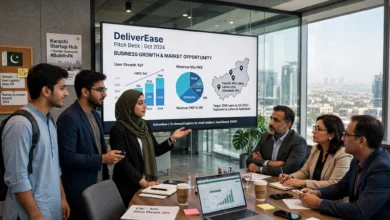
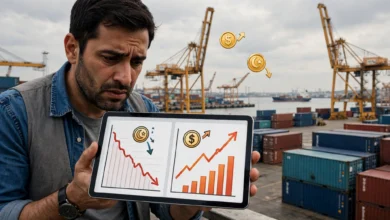
According to industry estimates, Pakistan’s e-commerce revenues crossed USD 7 billion in 2024, up from USD 4.5 billion in 2021, and projections suggest the market could exceed USD 15 billion by 2030 if the current pace continues. That’s not a small jump. For comparison, Pakistan still trails India, which passed USD 100 billion in e-commerce sales in 2023, and Bangladesh has actually grown its sector faster thanks to stronger logistics and mobile financial services. The gap tells you two things at once: there’s a lot of room left to grow, and the countries that got ahead did it by fixing the exact problems Pakistan is still working through.
A few forces are driving this growth:
- Smartphone and internet penetration keeps climbing, particularly in Tier 2 and Tier 3 cities that were largely offline just a few years ago.
- Social commerce on Facebook, Instagram, and TikTok has made it possible to start selling with zero upfront investment in a website.
- Established marketplaces like Daraz, Foodpanda, and Telemart have built consumer habits around ordering online, which smaller sellers now benefit from indirectly.
- Digital payment infrastructure, including the State Bank’s Raast instant payment system, is slowly chipping away at cash dependency.
The pandemic accelerated a lot of this. People who had never shopped online before got comfortable doing it out of necessity, and that habit stuck. What used to be a niche way of shopping is now, for a growing share of urban Pakistanis, the default.
Top Opportunities for New Sellers in E-Commerce in Pakistan
If you’re a new seller, the good news is that demand is broad and still under-served in a lot of categories. Here’s where the real openings are right now.
1. Fashion, Beauty, and Lifestyle Products
Clothing, accessories, and beauty products remain the highest-demand categories in online shopping in Pakistan. Buyers, especially younger ones, are actively looking for products that aren’t already sitting on every shelf at the local mall. Small, design-forward brands have room to build loyal followings here, particularly if they lean into local fashion trends rather than copying international catalogs.


2. Electronics and Mobile Accessories
Demand for phones, chargers, earbuds, and smart gadgets keeps rising alongside smartphone adoption. Margins can be thin if you’re competing on price alone, so sellers who do well here usually focus on bundling, warranty assurance, or faster delivery than the big platforms offer.
3. Niche and Handmade Products
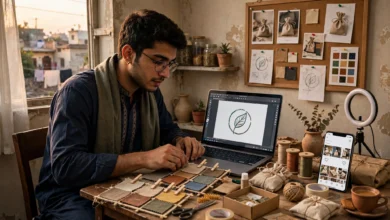
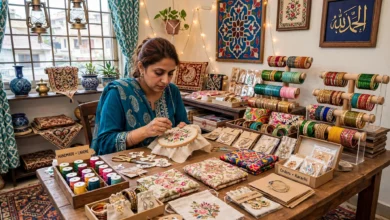
There’s a growing appetite for products that feel personal rather than mass-produced. Handwoven fabrics, truck art items, and other Pakistani handicrafts are finding buyers well beyond local borders. Cross-border platforms like Etsy have opened this up further, and Pakistani handicraft sellers have found active buyers on Etsy for items ranging from truck art to handwoven fabrics. Add in eco-friendly goods and premium, small-batch items, and you’ve got a segment where new sellers can compete on story and quality instead of just price.
4. Groceries and Daily Essentials
Grocery delivery is still maturing in Pakistan compared to fashion or electronics, which makes it one of the more open lanes for regional or city-specific sellers who can move faster than large logistics-heavy competitors.
5. Cross-Border Selling
Selling to buyers outside Pakistan, through Amazon, Etsy, or direct international shipping, has become a realistic path for sellers who can navigate the paperwork. The State Bank has made this more workable by enabling sellers to accept payments through PayPal and other foreign payment gateways, which removes one of the bigger obstacles that used to block Pakistani entrepreneurs from selling globally.
6. Social Commerce and Influencer-Led Sales
You don’t need a full online store to start selling anymore. A well-run Instagram page or TikTok account, paired with a local micro-influencer or two, can generate real sales volume before you’ve spent a rupee on a website. This is arguably the lowest-barrier entry point into e-commerce in Pakistan today.
7. Mobile-First Shopping Experiences
Most Pakistani shoppers browse and buy on their phones, not desktops. Sellers who build mobile-friendly storefronts, quick checkout flows, and WhatsApp-based ordering are converting better than those still designing for a desktop-first experience.
Major Challenges New Sellers Face
None of the above matters much if you can’t get paid, get orders delivered, or stay compliant with the rules. This is where most new sellers underestimate what they’re walking into.
Cash-on-Delivery Dependency
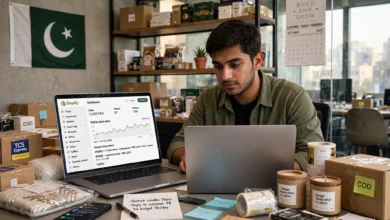
Cash on delivery (COD) is still the backbone of online shopping in Pakistan. Research shows that roughly 55% of e-commerce payments in Pakistan are made through cash on delivery, and other estimates put COD’s share even higher, at more than 70% of total e-commerce transactions. For sellers, this creates real operational strain:
- Higher return and refusal rates, since customers can reject an order at the doorstep with no financial commitment behind it.
- Cash handling risks for delivery staff and increased reconciliation work.
- Delayed cash flow, since payments only come in after successful delivery, not at the point of order.
Digital wallets like JazzCash and Easypaisa, along with the State Bank’s Raast system, are gradually shifting this balance, but COD isn’t disappearing anytime soon.
Consumer Trust Issues
A lot of Pakistani shoppers remain hesitant about digital payments, and it’s not irrational caution. Online scams, a general trust deficit in regulatory oversight, and a desire to maintain control over the buying process are the main reasons people avoid digital payment methods.
Interestingly, this hesitation isn’t limited to less digitally literate buyers, even highly educated and tech-savvy customers often stick with COD because of low trust in online payment security. New sellers need to actively build credibility through clear return policies, responsive customer service, and visible business legitimacy, since trust isn’t something a new storefront gets by default.
Logistics and Delivery Delays
Shipping outside major metro areas can still be slow and unpredictable. Delivery delays and high shipping costs continue to be cited as one of the persistent friction points for online sellers, particularly those shipping to smaller towns where courier networks are thinner. Better coordination between couriers, improved tracking, and warehouse automation are all improving, but a new seller shipping nationally today still needs to plan for delays as the norm rather than the exception.
Regulatory and Tax Confusion
This is the part that catches the most first-time sellers off guard. Pakistan’s e-commerce sector operates under a patchwork of rules, including the Companies Act 2017, the Income Tax Ordinance 2001, provincial sales tax laws, PECA 2016, and State Bank regulations. Sellers are generally required to obtain an NTN (National Tax Number), register for sales tax where applicable, and file regular returns. Unclear or inconsistently enforced regulations can create real hurdles, especially for sellers who are used to running informal, cash-based side businesses and are now trying to formalize.
If you’re serious about growing beyond a hobby-level shop, it’s worth reading a detailed breakdown like the one from Usman Rasheed & Co on Pakistan’s e-commerce regulatory landscape, which lays out the compliance requirements new businesses actually need to meet.
Digital Skills Gaps
Many small sellers lack the marketing, analytics, and automation skills that separate a store that survives from one that scales. Basic things like running ad campaigns effectively, understanding customer data, or automating order confirmations are often learned the hard way, through trial, error, and wasted ad spend.
Infrastructure and ICT Gaps
At a broader level, the sector still faces challenges tied to payment gateway limitations, gaps in ICT infrastructure, multiple layers of taxation on ICT products, and incomplete e-payment regulations. These aren’t problems an individual seller can fix, but they do affect how smoothly your business can operate, from how easily you can integrate a payment gateway to how much of your margin gets eaten by import duties on tech equipment.
How New Sellers Can Position Themselves for Success
Given everything above, here’s a practical approach for anyone starting out in online business in Pakistan:
- Start on an existing marketplace before building your own site. Daraz or a social commerce page lets you test demand without upfront infrastructure costs.
- Offer both COD and digital payment options. Don’t fight the COD preference, work with it, while nudging customers toward digital payment with small incentives like discounts.
- Register properly from the start. Getting your NTN and understanding your sales tax obligations early avoids painful corrections later.
- Build trust deliberately. Clear photos, honest product descriptions, visible contact information, and fast responses to complaints go a long way in a market where skepticism is the default.
- Choose your delivery partners carefully. Test a few courier services in your target cities before committing to one at scale.
- Invest in mobile-first design. If your store or page doesn’t load fast and check out easily on a phone, you’re losing customers before they buy.
- Learn digital marketing basics, or find someone who has. Even a modest, well-targeted ad budget outperforms a large, unfocused one.
The e-commerce landscape in Pakistan is expected to keep evolving through 2026, shaped by rising digital adoption, mobile commerce, AI-driven tools, and growing global selling opportunities, even as key challenges persist. For a broader look at how government policy fits into this picture, the World Bank’s research on digital economy development in South Asia is a useful reference point for understanding the structural side of these changes: World Bank Digital Development resources.
Frequently Asked Questions
Is e-commerce in Pakistan profitable for new sellers? Yes, particularly in fashion, beauty, electronics, and niche handmade categories, but profitability depends heavily on managing COD-related returns and logistics costs carefully.
Do I need to register my online business in Pakistan? If you’re operating beyond a very small, informal scale, you’ll need an NTN and should understand your sales tax obligations under provincial law.
What’s the biggest mistake new online sellers make? Underestimating logistics and payment friction. Many sellers plan for sales volume but not for the operational cost of COD returns and delivery delays.
Is cash on delivery going away in Pakistan? Not soon. Digital payment adoption is rising through platforms like Raast, JazzCash, and Easypaisa, but COD remains dominant for the foreseeable future.
Conclusion
E-commerce in Pakistan sits at a genuinely interesting point right now: the market is growing fast, consumer habits are shifting toward online shopping, and categories like fashion, electronics, niche handmade goods, and cross-border sales all offer real openings for new sellers. At the same time, the challenges are just as real, heavy reliance on cash on delivery, lingering consumer trust issues, inconsistent logistics outside major cities, and a regulatory environment that takes some effort to navigate properly.
New sellers who go in with realistic expectations, register their business correctly, build trust deliberately, and plan for delivery and payment friction from day one will be far better positioned than those chasing quick wins without a foundation. The opportunity is genuinely there. It just rewards the sellers who take the operational side as seriously as the sales side.