Pakistani SMEs Digital Adoption: 7 Alarming Struggles Holding Businesses Back in 2026
Pakistani SMEs digital adoption stays slow due to weak internet, high costs, low digital skills, and distrust in online payments.
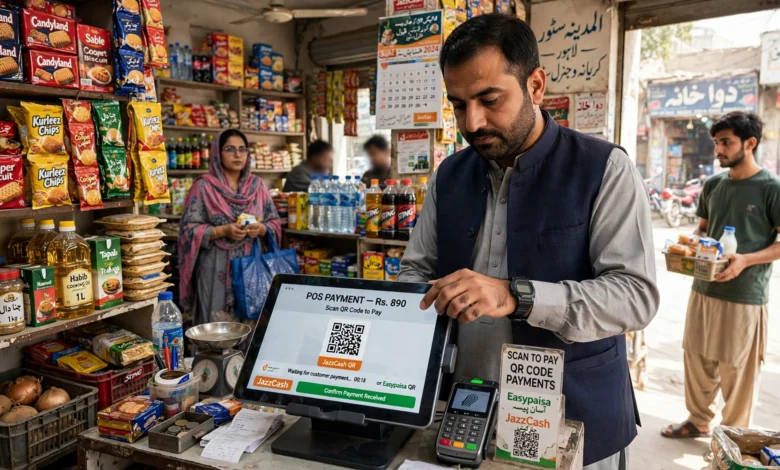
Pakistani SMEs digital adoption is moving at a pace that worries almost everyone who studies the country’s economy. Small and medium enterprises make up roughly 90% of all businesses in Pakistan and contribute close to 40% of the national GDP, yet the majority of them still run on paper ledgers, cash transactions, and word-of-mouth marketing. Walk into any market in Lahore, Faisalabad, or Karachi and you’ll find shopkeepers who know their customers by name but have never touched a point-of-sale system or an online store.
This isn’t because Pakistani business owners lack ambition or intelligence. It’s because the path toward digital transformation is blocked by a combination of infrastructure gaps, financial constraints, skill shortages, and plain old distrust of anything that isn’t cash in hand. A tailor in Multan who could triple his customer base with an Instagram shop often doesn’t have reliable internet to upload a single product photo. A hardware store owner in Peshawar who could save hours every week with simple inventory software can’t justify the monthly subscription fee when profit margins are already razor thin.
In this article, we’ll break down exactly why SME digital adoption in Pakistan remains so slow, what it’s costing the economy, and what realistic steps could actually move the needle. This isn’t a theoretical discussion. It’s grounded in real numbers, real government data, and the everyday reality facing millions of small business owners across the country.
What Digital Adoption Actually Means for a Small Business
Before getting into the reasons behind slow digital adoption among Pakistani SMEs, it helps to define what we’re actually talking about. Digital adoption for a small business isn’t just about having a website. It covers a wide range of practical changes, including:
- Accepting payments through mobile wallets or bank transfers instead of cash only
- Using accounting or inventory software instead of handwritten registers
- Selling products through social media pages, marketplaces, or a dedicated online store
- Communicating with customers and suppliers through digital channels
- Using basic cloud tools for record-keeping and data backup
- Running targeted digital marketing instead of relying purely on foot traffic
None of these require enterprise-level technology. Most are things a business could set up in a weekend with a smartphone and a bit of guidance. Yet a large share of Pakistani SMEs never get there, and the reasons are more structural than most people assume.
The State of Digital Adoption Among Pakistani SMEs Today
The numbers paint a fairly clear picture of where things stand right now. According to a 2024 World Bank assessment of Pakistan’s digital economy, only about 18% of Pakistani SMEs have any kind of online presence, which limits their ability to reach export markets or engage customers digitally. That leaves the overwhelming majority of small businesses operating entirely offline, invisible to anyone searching for their products online.
Recent academic research paints an even starker picture at the operational level. A large-scale study covering Khyber Pakhtunkhwa, Punjab, and Sindh found that Pakistan’s SMEs, which contribute roughly 40% of GDP, show only around 12% ERP (enterprise resource planning) adoption and barely 3% penetration of Industry 4.0 technologies. The same research pointed to average internet speeds of just over 4 Mbps in surveyed regions and power outages stretching over nine hours a day as major barriers explaining much of the gap in adoption between provinces.
On the payments side, the picture is a bit more encouraging but still uneven. Digital transaction shares have grown substantially under the State Bank of Pakistan’s regulatory oversight, with retail digital transactions reportedly reaching close to 88% of total volume by fiscal year 2025. Nano-credit platforms have disbursed tens of millions of small loans. But this growth is concentrated in specific channels. As the Businessmen Panel of the Federation of Pakistan Chambers of Commerce and Industry has pointed out, most of this digital payment volume comes from in-store mobile transactions rather than online sales, and cash-on-delivery still dominates e-commerce because customers simply don’t trust prepaying online.
Why Pakistani SMEs Are Struggling With Digital Adoption
Now let’s get into the actual reasons. These aren’t abstract theories. They come up again and again in surveys, government reports, and conversations with SME owners themselves.


1. Weak and Unreliable Internet Infrastructure
This is the foundation problem, and it’s hard to overstate how much it holds everything else back. Pakistan ranked 97th globally in mobile internet speed as of February 2025, with an average speed of 25.39 Mbps, well behind India at 20th place with 144.33 Mbps and Bangladesh at 87th with 37.98 Mbps, according to Ookla’s Speedtest Index. In many rural and semi-urban areas, the numbers are far worse than the national average, with some regions barely reaching 4-5 Mbps.
You can’t run a smooth online store, process digital payments in real time, or use cloud-based accounting software on a connection that drops every few minutes. Add to this the frequent power outages that many parts of the country still experience, and you get a business environment where even a motivated owner struggles to keep basic digital tools running consistently.
2. High Cost of Technology and Digital Tools
Digital adoption isn’t free. Point-of-sale systems, accounting software, website hosting, digital marketing, and payment gateway fees all add up. For a small shop or workshop operating on tight margins, these costs feel like a luxury rather than a necessity, especially when the return isn’t guaranteed right away.
Many SME owners also face the added burden of currency depreciation, which has made imported hardware, software licenses, and even basic smartphones more expensive over the past few years. When every rupee matters for daily survival, spending on digital transformation tools often gets pushed to the bottom of the priority list.
3. Limited Digital Skills and Training
Even when the tools are affordable, many business owners and their employees simply don’t know how to use them effectively. Research on digital marketing adoption among Pakistani SMEs has consistently found that employee IT skills and owner/manager support are among the strongest predictors of whether a business adopts new technology at all.
Formal digital literacy training is scarce outside major cities, and most owners learn what little they know through trial and error or informal advice from friends and family. This creates a cycle where:
- Owners avoid tools they don’t understand
- Without adoption, there’s no incentive to learn
- Without learning, adoption never happens
Breaking this cycle requires accessible, low-cost training that meets business owners where they are, not generic corporate workshops that assume prior technical knowledge.
4. Owner Mindset and Resistance to Change
This factor doesn’t get discussed as often, but it matters enormously. Many SME owners built their businesses over decades using methods that worked well enough. There’s a natural resistance to changing a system that, in their eyes, “isn’t broken,” even if it’s leaving money on the table.
Compatibility with existing business practices is one of the strongest factors influencing whether a small business adopts digital tools. If a new system feels disconnected from how the owner already thinks about running their business, it gets rejected regardless of its actual benefits. Overcoming this requires demonstrating clear, immediate value rather than asking owners to take a leap of faith on unfamiliar technology.
5. Lack of Access to Financing
Financing is a recurring obstacle across nearly every challenge facing Pakistani SMEs, and digital adoption is no exception. Banks generally view small businesses as high-risk borrowers, and without collateral or a long credit history, most SMEs simply can’t secure the loans needed to invest in technology upgrades.
Fewer than 20% of SMEs in Pakistan are able to access formal banking credit at all. Without external financing, digital investment has to come entirely out of already-thin operating cash flow, which makes owners understandably cautious about spending on anything that isn’t immediately essential.
6. Distrust in Digital Payments and Cybersecurity Concerns
Trust is a massive, underappreciated barrier. Roughly 75% of Pakistani online shoppers still prefer cash-on-delivery over prepaid digital transactions, largely due to concerns about fraud, non-delivery, or simply not trusting unfamiliar sellers with their payment details. This preference forces SMEs into cash-heavy operating models even when they do sell online, which increases the risk of order cancellations and complicates cash flow management.
On the business side, SME owners are also wary of digital fraud, data breaches, and account takeovers, especially since most can’t afford dedicated IT security support. Government-backed payment systems like Raast are a promising step toward building trust, but adoption at scale takes time, consistent public education, and a track record of reliability before businesses and consumers fully embrace it.
7. Weak Policy Support and Regulatory Friction
Government policy plays a bigger role in SME digital adoption than many people realize. Inconsistent regulations, complicated tax registration processes, and fear of increased scrutiny from tax authorities discourage many small business owners from formalizing their operations digitally in the first place. There’s also a documented gender gap in financial inclusion, with only about 14% of adult women in Pakistan financially included, which further limits digital participation among women-led SMEs, a segment that already faces disproportionate barriers to credit and training.
Without clear, SME-friendly digital policies, tax incentives for technology adoption, and streamlined registration processes, many business owners see digitalization as inviting more government attention rather than unlocking growth.
The Real Cost of Staying Offline
The consequences of slow digital adoption in Pakistan’s SME sector go well beyond individual businesses. When roughly 3.3 million SMEs, responsible for around 40% of national GDP, operate largely outside the digital economy, the entire country loses out on efficiency gains, export opportunities, and tax revenue that formal digital transactions would generate.
Some of the broader costs include:
- Limited export potential: SMEs without an online presence struggle to reach international buyers, cutting them off from platforms where global commerce increasingly happens.
- Reduced productivity: Studies tracking matched groups of digital adopters versus non-adopters have found productivity gains of over 20% among businesses that made the shift, a gap that compounds over time.
- Weaker resilience: Businesses without digital sales channels or online customer records are far more vulnerable to disruptions, whether from local supply issues or broader economic shocks.
- Missed economic uplift: Some projections suggest that reaching just 30% digital adoption among Pakistani SMEs could add trillions of rupees to GDP, though realizing that would require sustained investment in infrastructure and training.
What Can Actually Help SMEs Move Forward
None of these challenges are permanent, and there are practical, achievable steps that could shift the trajectory for Pakistani SMEs digital adoption over the next few years.
Improve Basic Infrastructure First
No amount of training or subsidy will matter much if the internet keeps cutting out. Expanding reliable broadband and mobile connectivity to smaller cities and rural areas, alongside more stable electricity supply, has to be the starting point. This is primarily a government and telecom-sector responsibility, but it’s the single highest-leverage fix available.
Offer Affordable, Localized Digital Tools
Software providers and fintech companies need to design products specifically for the realities of Pakistani small businesses; low-cost, mobile-first, and usable in Urdu and regional languages, not just English. Tiered pricing models that scale with business size would remove a major barrier for the smallest shops.
Expand Practical Digital Skills Training
Rather than generic seminars, training programs should be hands-on and specific: how to set up a mobile wallet, how to list products on a marketplace, how to respond to customer messages professionally. Chambers of commerce, universities, and NGOs are well positioned to deliver this at the community level.
Build Trust Through Consistent, Secure Payment Systems
Continued investment in systems like Raast, paired with public awareness campaigns and stronger consumer protection for online transactions, will gradually shift behavior away from cash-on-delivery. Trust isn’t built overnight, but it compounds once a critical mass of positive experiences accumulates.
Introduce SME-Friendly Financing for Technology
Targeted, low-interest loans or grants specifically for digital tools, rather than general business loans, would make it easier for banks to underwrite smaller, lower-risk technology investments and give owners a realistic path to upgrading without draining their working capital.
Simplify Digital Registration and Tax Processes
If digitalization is going to feel like an opportunity rather than a risk, the process of registering online sales channels and reporting digital income needs to be simpler and more predictable. Clear, stable rules reduce the fear that keeps many owners operating informally.
Frequently Asked Questions
Why is digital adoption so low among Pakistani SMEs? The main reasons include unreliable internet infrastructure, high technology costs relative to thin profit margins, limited digital skills among owners and staff, difficulty accessing financing, and widespread distrust in online payment systems.
How many Pakistani SMEs have an online presence? According to World Bank data from 2024, only around 18% of Pakistani SMEs maintain any form of online presence, which significantly limits their access to export markets and digital customers.
What role does the government play in SME digital adoption? Government policy affects everything from internet infrastructure investment to tax registration processes and payment system development. Clearer, SME-friendly regulations and continued investment in systems like Raast could meaningfully improve adoption rates over time.
Conclusion
Pakistani SMEs digital adoption remains slow not because business owners are unwilling to change, but because the surrounding environment makes change genuinely difficult. Weak internet infrastructure, high technology costs, limited digital skills, resistance to unfamiliar systems, poor access to financing, distrust in digital payments, and inconsistent government policy all combine to keep millions of small businesses operating the way they have for decades.
The cost of this gap is significant, from lost export opportunities to reduced productivity and slower overall economic growth. Closing it will take coordinated effort: better infrastructure, more affordable and localized tools, practical training, stronger trust in digital payments, accessible financing, and simpler regulations. None of these fixes are quick, but each one chips away at a barrier that’s kept Pakistan’s SME sector from realizing its full digital potential.