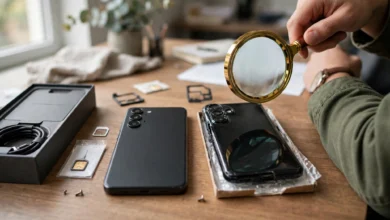
Best Camera Phones Under PKR 100000 in Pakistan
Best camera phones under PKR 100,000 in Pakistan for 2026, compared on real sensors, zoom, night shots, and price, plus camera hype and scams to skip.
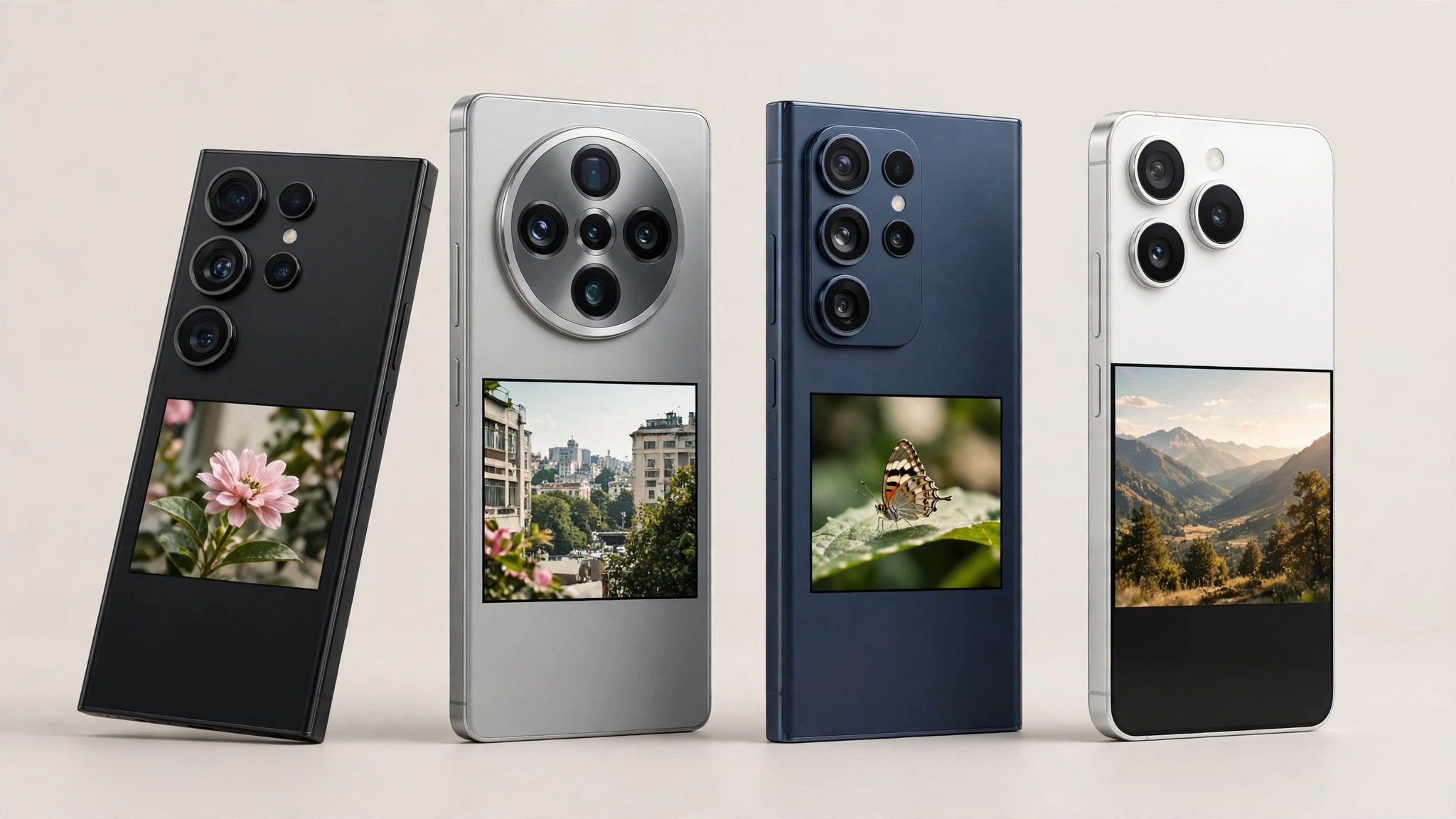
Camera Phones Under PKR 100,000 in Pakistan
Introduction
Finding the best camera phones under PKR 100,000 in Pakistan used to mean settling for decent daylight photos and blurry nights. That has changed. In 2026, phones in this range offer 200MP main cameras, real periscope zoom lenses, and 32MP selfie cameras that would have been flagship features a few years ago.
The catch is that camera marketing has never been louder or less honest. Brands print “200MP” and “60X zoom” on the box, but megapixels alone do not make a good photo, and most of that zoom is digital cropping. Two phones with the same numbers can produce completely different results, especially indoors, at night, or when photographing moving children at a wedding.
This guide cuts through that noise. You will see four phones sold officially in Pakistan that genuinely stand out for photography at their price, what each camera is good and bad at, and which features actually matter, such as sensor size, optical image stabilization, and a true telephoto lens.
We also cover the less glamorous side of phone cameras: brands caught using DSLR photos in their phone ads, the NCCIA’s steady stream of arrests over private photos used for blackmail, and grey-market phones that get blocked months after purchase. A good camera phone should take great pictures and keep those pictures safe. Here is how to find one.
What Makes the Best Camera Phones Under PKR 100,000
Before comparing models, it helps to know which camera specs matter and which are mostly marketing.
Megapixels are not the whole story
A 200MP camera captures more detail in bright daylight and allows more cropping. In dim light, though, the size of the sensor and the quality of processing matter more. A good 50MP sensor can beat a weaker 200MP one indoors. Most phones combine pixels by default anyway, so a 200MP camera usually saves 12MP or 50MP photos unless you switch modes.
Optical image stabilization (OIS)
OIS physically moves the lens or sensor to cancel hand shake. It is one of the most valuable features for night photos, indoor family shots, and video. If two phones are close, pick the one with OIS on the main camera.
True zoom vs digital zoom
A periscope telephoto lens gives real optical zoom, typically 3x, which keeps portraits and distant subjects sharp. Claims like “60X zoom” refer to digital zoom, which crops and enhances the image. It is fine for reading a distant sign, but quality drops sharply past the optical range.
Selfie camera and video
For many Pakistani buyers, the front camera matters as much as the back. A 32MP selfie camera with good skin tones and autofocus makes a real difference for video calls and social media. For video, check the maximum resolution and whether stabilization works at that resolution.


Processing and software
Two phones with the same sensor can produce very different photos because of software. Look at real sample photos from reviewers, especially indoor and night shots, rather than trusting spec sheets.
4 Best Camera Phones Under PKR 100,000 in Pakistan
These picks are sold officially in Pakistan and balance camera quality, price, and after-sales support. Prices are approximate as of October 2026.
| Phone | Approx. price (Rs) | Main camera | Zoom | Selfie | Best for |
|---|---|---|---|---|---|
| Tecno Camon 50 Pro | 85,999 at launch | 50MP Sony sensor | 50MP 3x periscope | 32MP | Best overall camera and zoom |
| Redmi Note 15 Pro | Around 94,999 | 200MP with OIS | Digital only | 32MP | Daylight detail and cropping |
| Tecno Camon 50 | Around 85,000 to 90,000 | 50MP Sony sensor | Digital only | Varies by model | Camon main camera for less |
| Samsung Galaxy A17 | 58,000 to 65,000 | 50MP with OIS | Digital only | 13MP | Budget pick with long updates |
1. Tecno Camon 50 Pro: best overall camera phone
The Camon 50 Pro is the only phone in this range with a real periscope telephoto lens. Tecno launched it in Pakistan in April 2026 at Rs 85,999, as announced on Tecno Pakistan’s Camon 50 Pro launch page. Retail prices since then have ranged higher at some sellers, so compare before buying.
Its camera setup includes a 50MP main camera using a Sony sensor, a 50MP 3x periscope telephoto, an 8MP ultra-wide, and a 32MP selfie camera. The 3x lens makes portraits and event photos look noticeably more professional than digital zoom. It also has a 6.78-inch 144Hz AMOLED screen, a 6,150mAh battery, and 45W charging.
Watch out for: the Pakistani version is 4G only and uses a Helio G200 chip. Reports suggest it lacks 4K video recording, so video creators should check this before buying. Tecno’s “60X zoom” is mostly digital.
2. Redmi Note 15 Pro: best for daylight detail
The Redmi Note 15 Pro brings a 200MP camera with OIS, an 8MP ultra-wide, and a 32MP selfie camera. Retail listings put the 8GB and 256GB version at around Rs 94,999. In good light, the 200MP sensor captures excellent detail and lets you crop into a photo later without losing much quality.
It also has a 6,500mAh battery, 45W charging, and an IP65 rating for dust and splashes.
Watch out for: there is no telephoto lens, so zoomed shots rely on cropping. Like the Camon 50 Pro, the Pakistani 4G version uses a Helio G200 chip. Check that you are buying the official Pakistani model, because 4G and 5G versions with different specs and prices are both sold in the market.
3. Tecno Camon 50: the Camon camera for less
The standard Camon 50 shares the same Sony main sensor family as the Pro, according to Tecno’s global launch details, but drops the periscope lens. Retail listings put it around Rs 85,000 to Rs 90,000, which overlaps with the Pro’s launch price, so only buy it if you find a clear discount.
Watch out for: without a telephoto lens, it loses the Pro’s biggest advantage. Compare prices carefully.
4. Samsung Galaxy A17: best budget camera phone
If you do not need to spend close to Rs 100,000, the Galaxy A17 is the smartest budget choice. Its 50MP main camera has OIS, which keeps night and indoor photos steadier than many pricier rivals without it. It has a 6.7-inch Super AMOLED screen and Samsung’s promise of long software updates, which also means camera and security improvements over time. Expect around Rs 58,000 to Rs 65,000.
Watch out for: the ultra-wide and selfie cameras are basic, and there is no telephoto.
What about phones just above Rs 100,000?
If you can stretch your budget, Tecno’s Camon 50 Ultra 5G sells for around Rs 119,999 and adds a more powerful chip and 5G. The Redmi Note 15 Pro+ 5G costs about Rs 159,999. Both are outside this guide’s budget but worth a look for serious photographers.
Tips to Get Better Photos From Any Phone
- Clean the lens. A smudged lens causes most hazy photos.
- Tap to focus on your subject and slide exposure down slightly in bright scenes.
- Use the 3x lens for portraits if your phone has one, instead of standing close with the main camera.
- Hold still in night mode and brace your arms against something.
- Shoot in good light whenever possible. A window beats any phone flash.
- Turn off heavy beauty filters for natural skin tones.
- Back up your photos to cloud storage or a computer regularly.
Real Cases Every Camera Phone Buyer Should Know
A camera phone is not only about image quality. The way phones are marketed, sold, and used has led to real controversies and criminal cases. Knowing them makes you a smarter buyer and a safer user.
Phone ads that used DSLR photos
Smartphone brands have been caught presenting photos taken with professional cameras as if they came from a phone:
- Huawei, 2016 and 2018: Huawei admitted that a promotional image for the P9 was shot on a professional DSLR camera. In 2018, behind-the-scenes photos from a Huawei Nova 3 advert in Egypt showed the “selfies” in the ad were taken with a DSLR, and the company again had to explain itself.
- Samsung, 2018: Samsung Malaysia used an edited stock photo, originally taken with a professional camera, to promote the portrait mode of its Galaxy A8 Star.
These were misleading marketing rather than criminal cases, but they damaged trust and show why sample photos in ads mean little. The lesson: judge a camera phone by independent reviews and real user photos, not brand promotions or megapixel numbers.
Private photos used for blackmail in Pakistan
A better camera also means more personal photos stored on your phone. Pakistan’s National Cyber Crime Investigation Agency (NCCIA) arrests people almost every week for using private photos and videos to harass or blackmail victims, mostly women. Recent cases include:
- Lahore, June 2026: the NCCIA arrested a man who lured women on social media by offering “istikhara” readings. Investigators said his devices held data on 40 women, 763 objectionable videos, and 1,338 photos.
- Lahore, July 2026: a man was arrested for sending a woman’s private photos and videos to her husband. The case was registered under the Prevention of Electronic Crimes Act (PECA) 2016, as amended in 2025. APP’s report on the NCCIA blackmail arrests has the details.
- Karachi, April 2026: a man accused of recording his former fiancée’s private video and blackmailing her after their engagement ended was sent to jail on judicial remand.
Capturing, sharing, or threatening to share someone’s intimate images without consent is a crime under PECA, which can bring prison and fines. If you are a victim, report it to the NCCIA and keep evidence such as screenshots and phone numbers.
Stalkerware that secretly uses your camera
Some apps are sold specifically to spy on a partner or family member by secretly accessing their camera, microphone, messages, and location. In 2021, the US Federal Trade Commission banned the SpyFone app and its chief executive from the surveillance business after finding the app secretly harvested personal data and exposed it through poor security. This kind of software is illegal to install on another adult’s phone without consent in most countries, including Pakistan under PECA.
How to protect yourself:
- Never let others install apps on your phone, and use a screen lock only you know.
- Check which apps have camera and microphone permission in Settings, and remove access for apps that do not need it.
- Watch for the camera or microphone indicator dot on Android and iPhone when no app should be using them.
- Be suspicious of fast battery drain, overheating, or unknown apps with device admin rights.
Grey-market phones with tampered IMEIs
Camera phones are popular targets for smuggling because premium models carry high PTA taxes. The PTA and FIA have raided shops in Faisalabad, Gujranwala, Sheikhupura, and Gilgit over phones with tampered or cloned IMEI numbers, and tampered phones can be blocked permanently. Some sellers also pass off refurbished or international variants with different camera hardware as the official model.
Before paying: check the IMEI by sending it to 8484 or on the PTA DIRBS verification portal, confirm the model number matches the official Pakistani version, and buy PTA approved phones with official warranty from authorized sellers.
Keep your photos private
- Turn on cloud backup with two-step verification.
- Use a hidden or locked folder for sensitive photos.
- Remove location data from photos before posting them publicly.
- Wipe your phone fully before selling it, and remove any memory card.
Conclusion
The best camera phones under PKR 100,000 in Pakistan in 2026 are led by the Tecno Camon 50 Pro, which launched at Rs 85,999 with a rare 3x periscope telephoto, followed by the Redmi Note 15 Pro’s detailed 200MP OIS camera at around Rs 94,999, the Tecno Camon 50 for buyers who find it discounted, and the Samsung Galaxy A17 as a stabilized, long-supported budget option around Rs 60,000. Choose based on real features like sensor quality, OIS, and optical zoom rather than megapixel counts or ads that have been caught using DSLR photos, buy a PTA approved phone with official warranty to avoid IMEI-tampered stock, and protect the photos you take, because the NCCIA’s steady arrests over blackmail with private images show that a phone camera’s biggest risk is often what happens to the pictures afterwards.