Top Smartphones With the Best Display Quality in 2026
Best display quality smartphones in 2026, ranked on real brightness tests, color accuracy, and Pakistan prices, plus fake replacement screens to skip.
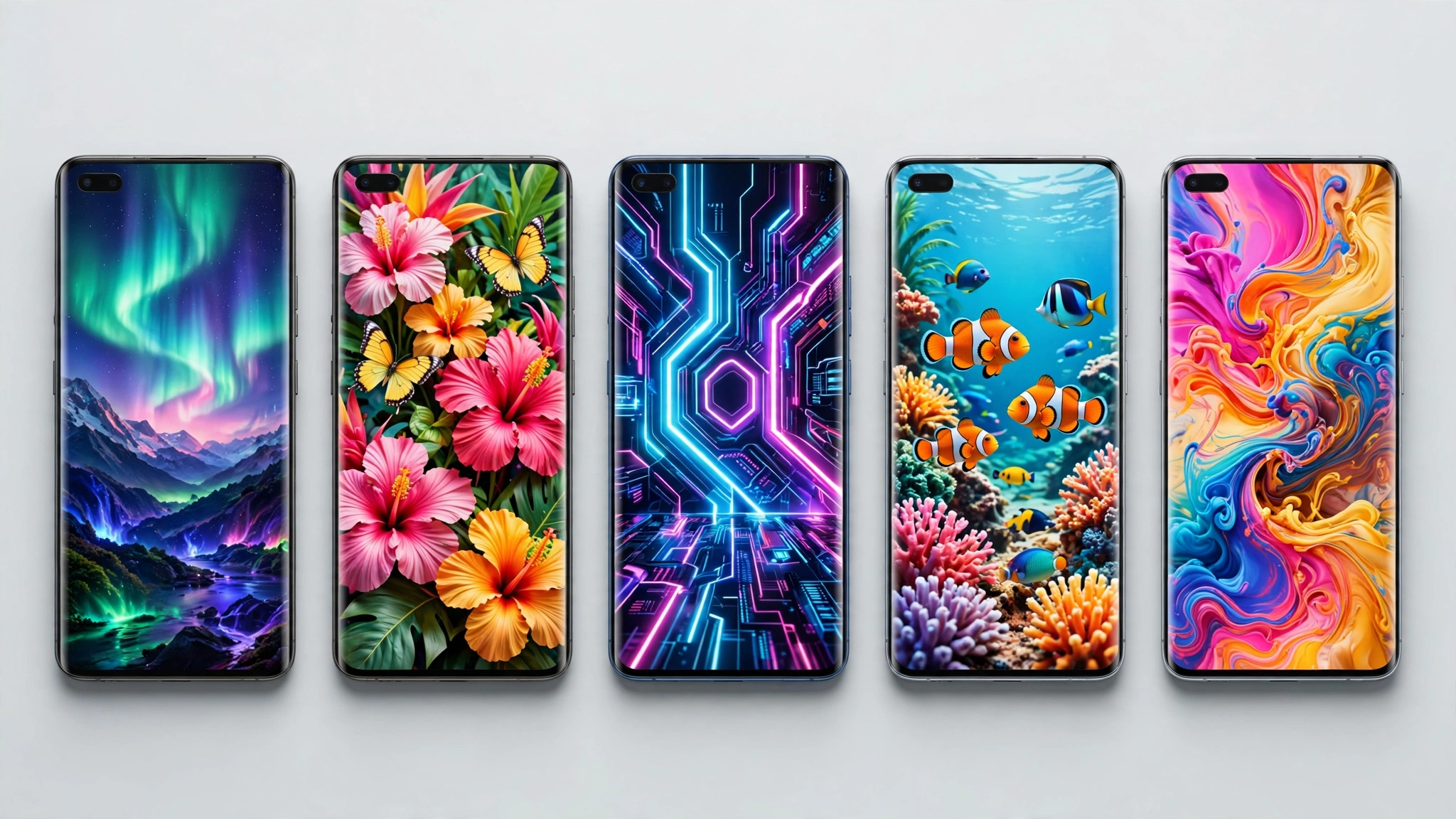
Smartphones With the Best Display Quality in 2026
Introduction
If you want the best display quality in a phone, you are choosing the part you look at for hours every day. The screen decides how sharp your messages look, how true your photos appear, how readable maps are in the midday sun, and how comfortable your eyes feel at night. It is also usually the most expensive part to replace.
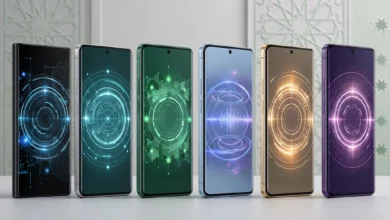
In 2026, the top displays are brighter, smoother, and more power-efficient than ever. Samsung’s Galaxy S26 Ultra added a hardware Privacy Display and an anti-reflective coating that makes it easier to read outdoors. Apple’s iPhone 18 Pro Max pushed brightness even higher in independent tests. Google’s Pixel 10 Pro XL is rated for 3,300 nits. And mid-range phones under Rs 100,000 now offer 144Hz AMOLED screens that would have been flagship features a few years ago.
The catch is that brand numbers do not always match reality. A phone advertised at 3,000 nits may measure far lower in independent testing, and features like privacy filters can cut brightness in half. This guide uses lab measurements where available and explains what each spec really means.
It also covers the less glamorous side of displays: the LCD price-fixing cartel that cost manufacturers billions in fines, the trade secret case that saw a US agency find BOE had stolen Samsung’s OLED technology, and the cheap fake replacement screens sold as “original” in phone markets.
What Makes the Best Display Quality on a Phone
Spec sheets are full of numbers. These are the ones that actually change what you see.
Panel type: OLED vs LCD
OLED and AMOLED screens light each pixel individually, so blacks are truly black and contrast is excellent. LCD screens use a backlight, which makes blacks look grey and usually uses more power. Almost every phone with a top-quality display now uses OLED. LTPO OLED panels can also lower their refresh rate to as little as 1Hz on static content to save battery.
Peak brightness and outdoor readability
Brightness is measured in nits. Brands usually advertise peak brightness, which a phone may only reach on a small part of the screen during HDR video. Full-screen brightness in normal use is often much lower. Independent tests are more useful than marketing figures. An anti-reflective coating also matters a lot outdoors, because a screen that reflects less light looks clearer even at the same brightness.
Refresh rate
A 120Hz or higher refresh rate makes scrolling and animations look smoother. Most flagships use 120Hz, and some mid-range phones go to 144Hz. Above 120Hz, most people notice little difference outside of gaming.
Resolution and sharpness
On a 6.7 to 6.9-inch phone, anything above about 400 pixels per inch looks sharp to most eyes. Higher resolutions help with fine text and VR, but cost battery life.
Color accuracy
Color accuracy is often measured as Delta-E, where lower is better and values under 1 are hard for the eye to tell apart from perfect. Good phones offer a natural mode for accurate colors and a vivid mode for punchier ones.
Eye comfort and PWM dimming
Many OLED screens dim by flickering rapidly, called PWM dimming. Some people get eye strain or headaches from low-frequency flicker. If you are sensitive, look for phones with high-frequency PWM or DC-like dimming, and check reviews that test it.
5 Phones With the Best Display Quality in 2026
These picks combine lab test results from respected reviewers with what is actually available in Pakistan. Prices are approximate as of October 2026.
| Phone | Screen | Rated peak brightness | Approx. price in Pakistan (Rs) | Best for |
|---|---|---|---|---|
| Samsung Galaxy S26 Ultra | 6.9-inch Dynamic AMOLED 2X, 3,120 x 1,440, up to 120Hz | 2,600 nits | From 424,999 | Anti-reflective coating and Privacy Display |
| Apple iPhone 18 Pro Max | 6.9-inch Super Retina XDR OLED, 2,868 x 1,320, 1 to 120Hz | Up to 3,000 nits (reported) | About 605,000 (PTA approved) | Brightness and color accuracy |
| Google Pixel 10 Pro XL | LTPO OLED, up to 120Hz | 3,300 nits | Not sold officially, PTA tax applies | Bright, accurate screen for imports |
| Tecno Camon 50 Pro | 6.78-inch AMOLED, 1,208 x 2,644, 144Hz | Not independently tested | 85,999 at launch | Best display under Rs 100,000 |
| Samsung Galaxy A17 | 6.7-inch Super AMOLED, 90Hz | Not independently tested | 58,000 to 65,000 | Best budget AMOLED with long updates |
1. Samsung Galaxy S26 Ultra: best overall display
PhoneArena ranks the S26 Ultra’s screen among the very best in 2026, highlighting its Gorilla Armor 2 anti-reflective coating and the new hardware Privacy Display, which makes the screen hard to read from the side. In GSMArena’s testing, it went above 2,800 nits on a small HDR patch and dropped to just 1.1 nits at minimum brightness, which is excellent for night use. Tom’s Guide measured very low Delta-E color error of 0.22 in its natural mode.
There are trade-offs. Samsung’s rated peak brightness stayed at 2,600 nits, below some rivals, and GSMArena found that turning on Privacy Display roughly halves maximum brightness. In Pakistan, the S26 Ultra starts at Rs 424,999.
2. Apple iPhone 18 Pro Max: brightest flagship in testing
The iPhone 18 Pro Max uses a 6.9-inch Super Retina XDR OLED with ProMotion from 1Hz to 120Hz. In Tom’s Guide’s head-to-head testing, it measured over 2,300 nits of peak brightness, noticeably higher than the S26 Ultra’s 1,806 nits in the same test, with Delta-E color error of 0.26. Apple’s color tuning remains among the most accurate available.
Official PTA-approved units start around Rs 605,000 in Pakistan. In Tom’s Guide’s iPhone 18 Pro Max vs Galaxy S26 Ultra test, the reviewer still picked the S26 Ultra’s display overall, valuing its privacy feature over raw brightness, which shows how close the top two are.
3. Google Pixel 10 Pro XL: bright and natural
The Pixel 10 Pro XL is rated for 3,300 nits, the highest of this group, and Tom’s Guide measured about 2,555 nits, well ahead of many rivals. Pixels are known for natural colors and strong outdoor visibility.
The downside for Pakistani buyers is availability. Google does not sell Pixels officially in Pakistan, so you will need to import one and pay PTA tax, with no local warranty. Only consider it if you can verify the PTA status and accept limited after-sales support.
4. Tecno Camon 50 Pro: best display under Rs 100,000
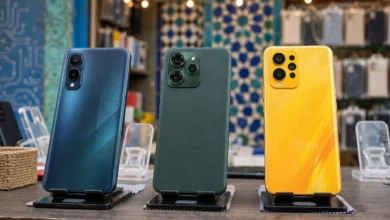
The Camon 50 Pro offers a 6.78-inch AMOLED screen with a 1,208 x 2,644 resolution and a 144Hz refresh rate, impressive for a phone that launched in Pakistan at Rs 85,999. It is sharp, smooth, and colorful for videos and social media. Independent lab testing is limited, so do not expect flagship-level outdoor brightness, but it is one of the best screens available at this price.
5. Samsung Galaxy A17: best budget AMOLED
For around Rs 58,000 to Rs 65,000, the Galaxy A17 gives you a 6.7-inch Super AMOLED screen with deep blacks and good colors, along with Samsung’s long software update promise. Its 90Hz refresh rate is not as smooth as pricier phones, but the image quality is a clear step above LCD phones at the same price.
How to Protect Your Display
- Use a good tempered glass protector from a reputable brand, especially on curved or premium screens.
- Keep auto brightness on. Running OLED screens at maximum brightness for long periods speeds up wear.
- Use dark mode on OLED screens to reduce power use and burn-in risk.
- Avoid leaving static images, such as navigation bars or maps, on full brightness for hours.
- For repairs, use the brand’s service center or an authorized partner.
Real Cases Behind the Best Display Quality
The screen in your hand comes from one of the most competitive and secretive industries in electronics. That competition has crossed legal lines more than once, and the effects still reach buyers.
The LCD price-fixing cartel
In the 2000s, major LCD panel makers secretly agreed to fix prices on screens used in TVs, monitors, laptops, and phones. Investigations in the United States, Europe, and Asia led to some of the largest antitrust penalties of that era. In the US, LG Display agreed to pay a $400 million criminal fine in 2008, Sharp paid $120 million, and Taiwan’s AU Optronics was later fined $500 million after a jury trial. In 2010, the European Commission fined six LCD makers a combined €648 million. Several executives went to prison in the US.
What it means for you: for years, buyers paid more for screens than they should have. The case is a reminder that a small group of suppliers controls most of the world’s display production, which affects prices for everyone.
BOE found to have taken Samsung’s OLED secrets
Most premium phone screens today come from a handful of OLED makers, mainly Samsung Display, LG Display, and China’s BOE. In 2023, Samsung Display filed a complaint with the US International Trade Commission accusing BOE of misappropriating its OLED trade secrets, reportedly through employees of a Samsung partner company.
In July 2025, the ITC issued a preliminary ruling finding that BOE and seven subsidiaries had misappropriated Samsung Display’s trade secrets in violation of US trade law, and recommended a ban on importing BOE OLED panels made using those secrets for close to 15 years. The commission said BOE had obtained and used the secrets despite Samsung’s strong security measures. A final decision was expected in late 2025, and BOE said it would seek a review. OLED-Info’s report on the ITC ruling explains the proposed ban.
What it means for you: the panel inside a phone can depend on which supplier a brand uses, and disputes like this can shift supply chains, prices, and even which screens end up in which models.
Fake “original” replacement screens
The most common display problem for Pakistani buyers is not in a courtroom. It is at the repair counter. When a premium OLED screen breaks, many shops offer a much cheaper “original” replacement. Often it is a low-quality copy or an LCD panel made to fit an OLED phone. These screens can show:
- Washed-out colors and grey blacks.
- Lower brightness and poor outdoor visibility.
- Thicker panels that disable features like the in-display fingerprint sensor.
- Higher battery drain and touch problems.
Some phones, including recent iPhones, show a warning in settings when a display is not a genuine part. Selling a counterfeit part as original is fraud, and in many countries customs agencies regularly seize shipments of fake phone screens and parts that copy brand logos.
How to protect yourself:
- Use the brand’s service centre or an authorized repair partner for screen replacement.
- Ask for the part type in writing, such as “original OLED” or “aftermarket LCD”, along with the price.
- Check settings after repair. On iPhone, go to Settings > General > About to see parts and service history.
- Test brightness, colors, touch response, and the fingerprint sensor before paying.
- Be suspicious of a premium screen offered at a fraction of the official price.
Refurbished phones with replaced screens sold as new
Pakistan Customs has repeatedly seized smuggled used and refurbished phones, including 317 hidden in a truck at Sost Dry Port in July 2026 and 166 at Khunjerab Pass in August 2026, most of them iPhones. Refurbished phones often have replacement screens of unknown quality and can end up sold as new or “box pack” stock. Buy from authorized sellers with official warranty, and check the IMEI on the PTA’s DIRBS system before paying.
Conclusion
The best display quality in 2026 comes from the Samsung Galaxy S26 Ultra, with its anti-reflective coating, hardware Privacy Display, and excellent color accuracy, and the Apple iPhone 18 Pro Max, which measured brighter in independent tests, followed by the bright and natural Google Pixel 10 Pro XL for buyers willing to import, the 144Hz AMOLED Tecno Camon 50 Pro as the best screen under Rs 100,000, and the Samsung Galaxy A17 as the best budget AMOLED. When comparing screens, trust measured brightness, color accuracy, and anti-reflective performance over marketing numbers, and protect your investment by using authorized repair centres, because the LCD price-fixing cartel, the ITC’s finding that BOE misappropriated Samsung’s OLED secrets, and the steady trade in fake “original” replacement screens all show that display quality depends on honesty from the factory to the repair counter.