How to Start an Online Business in Pakistan With Little Capital
Online business in Pakistan with little capital: practical steps, real costs, payment and tax rules, and fraud cases every new seller should know.
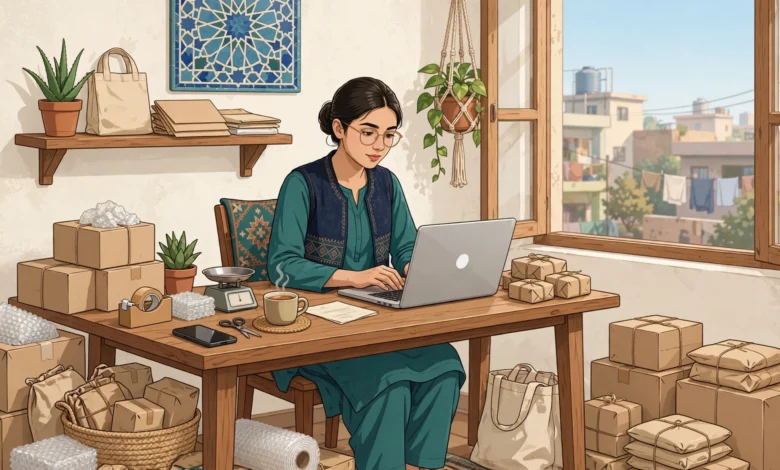
Online Business in Pakistan: 9 Proven Steps to Start With Little Capital and Avoid Costly Scams
Introduction
Starting an online business in Pakistan no longer needs a shop, a warehouse or a big loan. A phone, an internet connection and a clear idea can be enough to make your first sale this month. That is exactly why so many students, housewives, job holders and freelancers are trying it.
But the internet is full of half-truths. Videos promise “passive income” from dropshipping in a week. WhatsApp groups sell courses on secret methods. Some “online businesses” you hear about are not businesses at all, but scam call centres, fake trading platforms and courier fraud rings that cybercrime officers keep raiding across the country.
This guide takes the honest route. It walks you through nine practical steps, from choosing a model and testing demand to setting up payments, delivery, marketing and tax registration. It shows what you can realistically do with little capital, often under PKR 50,000, and where your money and time are best spent.
It also covers the new rules many small sellers missed. Since July 2025, couriers, banks and online marketplaces have a bigger role in collecting tax on online orders, and unregistered sellers can face higher deductions.
Finally, we look at real fraud cases from Pakistan’s online economy. Not to scare you, but because understanding how scams work helps you protect your customers, your accounts and your reputation from day one.
The Reality of Running an Online Business in Pakistan
Before spending a rupee, it helps to understand the ground rules of selling online here. They are different from what you see in Western YouTube tutorials.
- Cash on delivery still dominates. A large share of Pakistani shoppers prefer to pay the rider rather than pay online. COD builds trust, but it also brings fake orders and returns that cost you courier fees both ways.
- Social media is the main shopfront. Many successful brands started on Instagram, Facebook, TikTok and WhatsApp before ever building a website.
- International payments are tricky. PayPal and Stripe do not offer full local accounts for Pakistani sellers, so freelancers and exporters usually rely on bank transfers, Payoneer, Wise and similar channels routed into Pakistani bank accounts.
- Digital work earns real dollars. Pakistani freelancers earned a record of about $1.76 billion in FY2025-26, according to State Bank data reported by ProPakistani. Service-based online work is often the cheapest entry point.
- Trust is the hardest currency. Because online fraud is common, buyers are suspicious of new pages. Your first job is to prove you are real.
Choose the Right Online Business Model
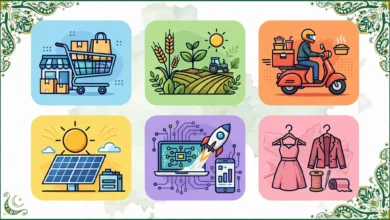
With little capital, the model you pick matters more than the product. Here are the five most practical options.
1. Online Services
Sell a skill: writing, design, video editing, web development, tutoring, bookkeeping or social media management. You need almost no stock and can start today. Your income is limited by your hours until you hire help or productise your service.
2. Social Commerce Reselling
Buy small quantities from wholesale markets such as Karachi’s Saddar, Lahore’s Shah Alam or local suppliers, then sell through Instagram, Facebook or WhatsApp. You control quality and pricing, but you carry some stock risk.


3. Marketplace Selling
List products on platforms like Daraz, where buyers already shop. The platform brings traffic and handles some logistics, but takes commission and sets the rules. It is a good way to test demand before building your own brand.
4. Digital Products
Sell things you create once and sell many times: templates, Canva designs, e-books, Excel tools, recorded courses, stock photos or presets. Margins are high, but you need a real audience or a good marketplace to find buyers.
5. Local Dropshipping
Some Pakistani suppliers let you sell their products and ship directly to your customer, so you hold no stock. Margins are thin, delivery quality is out of your hands, and returns can hurt. It works best as a learning step, not a long-term plan.
| Model | Typical starting cost (PKR) | Speed to first sale | Main risk |
|---|---|---|---|
| Online services | 0 to 20,000 | Fast | Income tied to your time |
| Social commerce reselling | 20,000 to 80,000 | Moderate | Unsold stock, COD returns |
| Marketplace selling | 20,000 to 100,000 | Moderate | Commissions, platform rules |
| Digital products | 0 to 30,000 | Slow | Finding an audience |
| Local dropshipping | 10,000 to 40,000 | Moderate | Supplier quality, thin margins |
These figures are rough estimates. Your skills, city and niche can change them a lot.
How to Start an Online Business in Pakistan in 9 Steps
These steps follow the order that saves the most money. Skipping ahead, for example building a website before you know anyone will buy, is the most common way beginners waste their capital.
Step 1: Pick a Narrow Niche
“Clothes” is not a niche. “Modest workwear for women in their twenties” is. “Phone accessories” is crowded, while “rugged cases and chargers for delivery riders” is specific. A narrow niche makes your marketing cheaper because you know exactly who you are talking to. Pick something you understand or genuinely care about, because you will be talking about it every day.
Step 2: Test Demand Before You Spend
Post a few products or a service offer on your personal accounts, in relevant Facebook groups or on WhatsApp status. Take preorders or ask for a small advance. If ten strangers show real interest, you have something. If only friends and family respond, rethink the offer. This step costs almost nothing and saves the most money.
Step 3: Plan a Realistic Starter Budget
Here is what a lean social commerce start can look like:
| Item | Approximate cost (PKR) | Notes |
|---|---|---|
| First small batch of stock | 15,000 to 40,000 | Skip for service or digital businesses |
| Packaging and branding stickers | 2,000 to 5,000 | Simple and clean beats fancy |
| Product photos | 0 to 5,000 | A good phone and daylight are enough |
| Paid ads for testing | 5,000 to 10,000 | Spread over two to four weeks |
| Courier deposits and return buffer | 3,000 to 5,000 | COD returns are part of the cost |
| Domain and basic website (optional) | 0 to 15,000 | Not needed in month one |
All in, many sellers start for around PKR 25,000 to 50,000. Keep at least a third of your capital in reserve for restocking and surprises.
Step 4: Set Up Your Sales Channels
Start where your buyers already are. For most people, that means an Instagram business account, a Facebook page and WhatsApp Business with a product catalogue. Add a Daraz store if your product fits marketplace shoppers. Move to your own website once you have repeat customers and want lower dependence on any single platform. Use your real business name and contact details everywhere, because consistency builds trust.
Step 5: Arrange Payments the Right Way
Offer more than one option: COD, bank transfer, and mobile wallets such as JazzCash and Easypaisa. The State Bank’s Raast instant payment system makes bank-to-bank transfers fast and free for many users. For clients abroad, receive payments through formal banking channels or licensed providers so your income is documented. Never use someone else’s account, and never let anyone use yours.
Step 6: Sort Out Delivery and Returns
Open accounts with one or two courier companies and compare delivery speed, COD remittance timing and return charges. To reduce fake orders, call or message every new COD customer to confirm before dispatch, and consider a small advance for high-value items. Write a clear return and exchange policy and stick to it.
Step 7: Market With Content, Then With Ads
Organic content is free: short videos showing your product in use, behind-the-scenes packing clips, honest customer reviews and quick tips related to your niche. Once a post performs well organically, boost it with a small budget. Track which posts bring messages and sales, not just likes.
Step 8: Register and Stay Tax Compliant
Get your NTN on FBR’s IRIS portal, which is free, and file your return each year. Under the e-commerce rules introduced in the 2025-26 budget, online sellers are expected to be registered, and couriers, payment intermediaries and marketplaces withhold tax on digital orders, often at higher rates for unregistered sellers. The next section explains this in more detail.
Step 9: Measure, Improve and Scale Slowly
Each month, check your revenue, profit after all costs, return rate and repeat customer rate. Double down on products and channels that work, drop the rest, and reinvest profits instead of borrowing to grow. Hiring help, adding products or building a website should follow proven demand, not hope. A steady online business in Pakistan is usually built over one to two years, not one viral month.
Tax and Legal Rules for an Online Business in Pakistan
Many small sellers assume online income is invisible. That stopped being true some time ago, and the 2025-26 budget made it official.
The E-Commerce Tax Regime
From 1 July 2025, the government brought digitally ordered goods and services into a clearer tax framework. As Dawn explained in its analysis of the e-commerce tax measures, local sellers using online platforms face tax on sales of digitally ordered goods and services, and sellers are expected to hold income tax and sales tax registration to sell online.
In practice, this means:
- Couriers, banks and payment intermediaries act as withholding agents. They deduct tax from the money they pass on to you for digital orders and deposit it with FBR.
- Online marketplaces file monthly statements listing the sellers on their platform and the amounts paid, so FBR can see who is selling what.
- Registered sellers usually pay less. Being registered and on the Active Taxpayers List generally means lower withholding rates, and in some cases tax withheld can be adjusted against what you owe.
- Some small businesses have exclusions, such as certain cottage industries and small retailers, but you should confirm whether you qualify rather than assume it.
FBR’s own circular on sales tax changes for 2025-26 sets out the rules for e-commerce vendors and withholding agents. Rates and thresholds have been adjusted again in later budgets, so check the current position with a tax adviser before relying on any figure.
Services and Freelance Income
If you sell services, provincial sales tax on services may apply, collected by authorities such as the Sindh Revenue Board or Punjab Revenue Authority. Freelancers and IT exporters who receive payments through formal banking channels can benefit from reduced tax rates on export earnings, especially if registered with the Pakistan Software Export Board where applicable.
Consumer Protection and Honest Selling
Provincial consumer protection laws give buyers the right to receive what was advertised. Misleading product photos, fake “original” claims, hidden charges and refusing valid returns can lead to complaints before consumer courts. A clear description, real photos and a written return policy protect you as much as your customers.
Data, Privacy and Cybercrime Law
The Prevention of Electronic Crimes Act (PECA), 2016, as amended in 2025, covers offences such as electronic fraud, spoofing, spamming and misuse of personal data. Do not buy customer phone lists, send mass unsolicited messages, or share buyers’ details with anyone. Store order data carefully and delete what you no longer need.
Products You Should Not Sell Online
Some items need licences or are banned outright. Avoid selling prescription medicines without a licensed pharmacy, weapons, smuggled goods, counterfeit branded items, unregistered mobile phones, and “miracle” health products with unproven claims. Running a legal online business in Pakistan means checking whether your product is allowed before you list it.
When an “Online Business in Pakistan” Is Really a Scam
The same tools that let honest sellers reach customers are used by fraudsters every day. The cases below come from recent enforcement actions, and each one carries a lesson for anyone building a genuine business online.
Fake Courier Calls and Stolen OTPs
In 2026, the National Cyber Crime Investigation Agency (NCCIA) in Lahore arrested a man accused of posing as a courier company representative to trick people into sharing one-time passwords and verification codes. According to the agency, one victim ended up transferring about Rs2.77 million into his account. In a related operation, five suspects were arrested for allegedly using fake Instagram and Snapchat accounts, sending fake parcel receipts and demanding “customs” and “tax” payments, as The News reported.
Lesson for sellers: Your customers have learned to fear calls about parcels. Tell them clearly, on your page and in your messages, that you will never ask for an OTP, a PIN or an extra payment after dispatch. That single line builds trust and protects them.
“Trading Businesses” Built on Fake Dashboards
In August 2026, NCCIA said it had arrested 28 suspects across Punjab over online fraud schemes involving impersonation and fake investment offers. In a Faisalabad case, a victim was allegedly persuaded to invest after being shown fabricated trading records, wallet balances and profit statements. In another, fraudsters posing as a relative and a visa agent allegedly received more than Rs25 million from a single victim, according to Dawn’s report on the arrests.
Lesson for sellers: If someone invites you to “invest” in an online business and shows you a dashboard full of growing profits, ask where the products, customers and invoices are. A real business can show you all three.
Scam Call Centres Disguised as Online Work
Many fraud operations present themselves as outsourcing or customer service companies. In late September 2026, NCCIA said it had arrested 61 people at a Rawalpindi call centre accused of posing as loan recovery agents and threatening foreign nationals, a day after more than 70 arrests at call centres in Karachi accused of targeting US citizens with fake credit card and loan offers. About a week earlier, raids on three alleged call centres in Islamabad led to 212 people being taken into custody.
Lesson for sellers and job seekers: If an “online business” makes money by calling strangers abroad about debts, refunds, loans or investments, it is very likely a fraud. Employees in these raids are arrested along with owners.
Illegal Loan Apps Posing as Fintech Startups
Lending is one of the most regulated online businesses there is. SECP has said it blocked well over a hundred illegal digital lending apps in coordination with Google, Apple, the FIA and PTA, after complaints of hidden charges, data misuse and harassment of borrowers and their contacts. Any online business that lends money or takes deposits needs a licence first.
What Honest Online Sellers Should Take Away
- Make your identity verifiable. Show a real business name, city, contact number and, once registered, your NTN. Scammers hide; you should not.
- Never ask for OTPs or PINs, and warn customers that you never will.
- Use only your own bank account and wallet, and never lend them to anyone.
- Keep records of every order, including chats, invoices and courier receipts, in case of disputes.
- Stay away from recruit-to-earn models and anything promising fixed daily profits.
- Report fraud to NCCIA for online scams and to SECP for illegal investment or lending schemes.
Common Mistakes New Online Business Owners in Pakistan Make
- Spending on a website and logo before the first sale. Test with social media first.
- Ignoring COD returns in pricing. If one in five orders comes back, your price must cover that.
- Copying big brands’ photos or designs. It invites takedowns, legal notices and lost trust.
- Buying followers. Fake followers do not buy, and they damage your reach.
- Mixing personal and business money. You cannot know your real profit if everything sits in one account.
- Skipping tax registration. Higher withholding on every courier and bank payment quietly eats your margin.
- Quitting too early. Most stores take months to find their rhythm.
Frequently Asked Questions
Can I start an online business in Pakistan with no money?
Yes, if you sell a service such as writing, design, editing or tutoring, or a digital product you create yourself. Product businesses usually need at least a small amount for stock, packaging and courier costs.
Which online business in Pakistan is best for beginners?
Online services are the easiest start because there is no stock risk. Social commerce reselling is a good second step once you understand your customers.
Do I need to register my online store?
Once you are selling regularly, yes. Getting an NTN is free on FBR’s IRIS portal, and the e-commerce tax rules expect online sellers to be registered. Registered sellers usually face lower withholding on courier and payment receipts.
Is dropshipping legal in Pakistan?
Dropshipping itself is legal, but you remain responsible for what you sell. Selling counterfeit items, making false claims or failing to deliver can lead to consumer complaints and legal action.
Conclusion
Starting an online business in Pakistan with little capital is realistic if you follow a careful sequence: choose a narrow niche and a model that suits your budget, test demand before spending, keep a lean starter budget of roughly PKR 25,000 to 50,000 for product businesses or far less for services, sell first where buyers already are on Instagram, Facebook, WhatsApp and Daraz, offer trusted payment options, manage COD returns, market with useful content before paying for ads, and register for tax now that couriers, banks and marketplaces withhold tax on digital orders and favour registered sellers; at the same time, the fake courier calls, fabricated trading dashboards, scam call centres and illegal loan apps that keep appearing in cybercrime raids show that the online economy has a dark side, so the sellers who last are those who stay transparent, protect their customers, keep their accounts in their own names and grow slowly on honest sales.