Top 5 E-Commerce Platforms to Sell Products in Pakistan
E-commerce platforms in Pakistan compared: Daraz, Shopify, WooCommerce, Instagram and Amazon, with real fees, payouts, rules and seller fraud cases.
E-Commerce Platforms in Pakistan: 5 Best Options to Sell Products Safely in 2026
Introduction
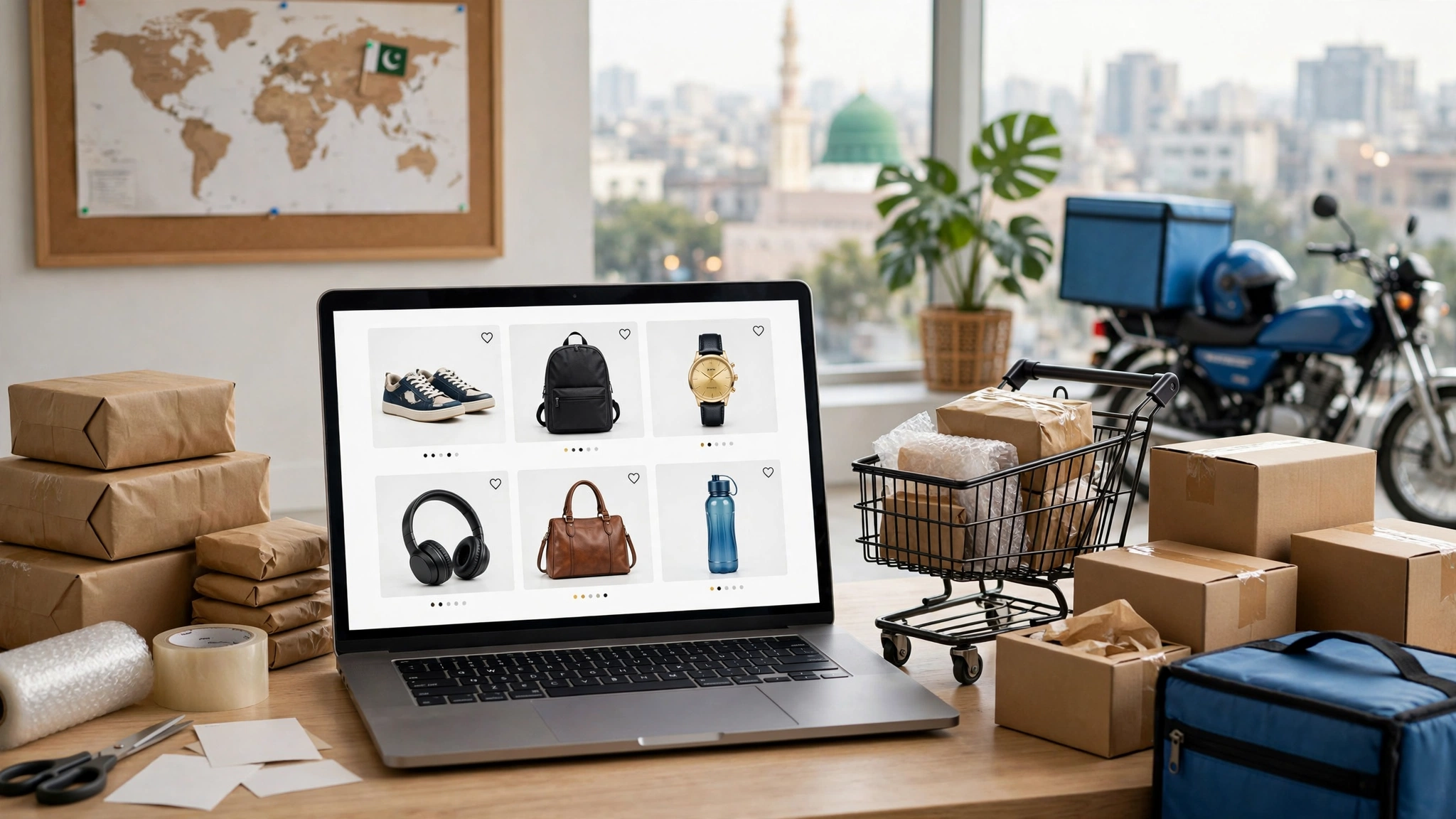
Choosing between e-commerce platforms in Pakistan is one of the first big decisions a new seller makes, and it shapes almost everything that follows: how much you pay in fees, how fast you get your money, who controls your customers, and how easily your business can be shut down overnight.
Most comparison articles simply list the biggest names and call it a day. The reality is more nuanced. A marketplace like Daraz gives you instant access to buyers but takes a slice of every sale and sets the rules. Your own Shopify or WooCommerce store gives you control but no traffic until you build it. Instagram and WhatsApp are free and fast but leave you to handle trust, payments and returns yourself. Amazon opens a global market but demands strict compliance that many Pakistani sellers learned about the hard way.
This guide compares five platforms honestly, including setup costs, fees, payment options, pros, cons and the type of seller each one suits best.
We also look at the darker side of online selling: thousands of Pakistani Amazon accounts shut for suspected fraud, “done-for-you store” investment schemes, and an e-commerce app accused of running a Ponzi scheme behind a professional-looking dashboard. These cases explain why platforms have become strict, and how honest sellers can avoid getting caught in the crossfire.
How to Judge E-Commerce Platforms in Pakistan
Before comparing names, decide what matters for your business. These seven questions separate a good fit from an expensive mistake.
- Who brings the buyers? Marketplaces bring traffic. Your own store needs you to bring it through ads, social media and search.
- What does each sale really cost? Look beyond the headline commission. Payment fees, handling charges, shipping, subscription costs and tax withholding all add up.
- How and when do you get paid? Some platforms pay weekly, some after delivery confirmation, and international platforms pay into foreign-currency channels that need to reach a Pakistani bank.
- Who owns the customer relationship? On marketplaces, the platform owns the customer data. On your own store, you do, which matters for repeat sales.
- How much control do you have? Branding, pricing, store design and policies vary a lot.
- What are the rules, and how strict is enforcement? Every platform can suspend you. Know the policies before you list a single product.
- Does it work with local payments and couriers? COD, JazzCash, Easypaisa, bank transfers and local courier integrations are essential for Pakistani buyers.
Quick Comparison of the 5 Platforms
| Platform | Type | Upfront cost | Main ongoing cost | Who brings buyers | Best for |
|---|---|---|---|---|---|
| Daraz | Local marketplace | Free to list | Category commission plus payment and handling fees | Daraz | Beginners testing products nationwide |
| Shopify | Hosted own store | Monthly plan in US dollars | Subscription, plus transaction fees with third-party gateways | You | Brands ready to invest in marketing |
| WooCommerce | Self-hosted own store | Domain and hosting | Hosting, plugins and maintenance | You | Sellers who want full control at low monthly cost |
| Instagram, Facebook and WhatsApp | Social commerce | Free | Ads, your time, courier costs | You, through content and ads | Small sellers and new brands |
| Amazon | Global marketplace | Seller plan fee | Referral fees, fulfilment and advertising | Amazon | Exporters with compliant, quality products |
Fees and plans change regularly, so treat this as a map rather than a price list, and confirm current charges on each platform before you commit. The right choice among e-commerce platforms in Pakistan often changes as your business grows: many sellers start on social media or Daraz and add their own store later.
The 5 Best E-Commerce Platforms in Pakistan for Sellers
1. Daraz: The Biggest Local Marketplace
How it works: Daraz is Pakistan’s largest online marketplace. You register on the Daraz Seller Center, list products, and Daraz shows them to millions of shoppers. It handles much of the delivery network and collects payment, including COD, then pays you after deducting its fees.
Costs: Listing is free, but selling is not. Daraz charges a commission that varies by category, plus payment and handling fees. On some categories, such as fashion, the combined deductions can take a large share of each sale, so calculate your margin per product before listing.
Pros:


- Instant access to buyers across the country
- Built-in logistics, payments and customer trust
- Sales campaigns such as 11.11 and other mega sales can bring big order spikes
Cons:
- Intense price competition, often from sellers cutting corners
- Fees eat into margins, especially on low-priced items
- Strict penalties and possible suspension for late dispatch, cancellations or policy breaches
- Daraz, not you, owns the customer relationship
Best for: Beginners who want to test which products sell, and established brands that want an additional sales channel. Daraz Mall offers a separate, more trusted section for authorised brands.
2. Shopify: Your Own Professional Store
How it works: Shopify is a hosted platform that lets you build your own branded online store without coding. You choose a theme, add products, connect payment and courier options, and run your shop under your own domain.
Costs: Shopify charges a monthly subscription in US dollars, with lower rates for annual billing. Because Shopify’s own payment service is not available to Pakistani merchants, you use third-party payment gateways and COD, which can add a small Shopify transaction fee on top of the gateway’s own charges. Paid themes and apps add to the bill.
Pros:
- Professional, fast and mobile-friendly stores
- You own your brand and customer data
- Large app ecosystem, including Pakistani courier and payment integrations
Cons:
- No built-in traffic; you must market the store yourself
- Dollar-based fees rise when the rupee weakens
- App costs can quietly add up
Best for: Brands with a clear identity and a marketing plan, usually after proving demand on social media or a marketplace. Many sellers find Shopify more cost-effective than marketplace fees once their monthly orders grow.
3. WooCommerce: Full Control on a Small Budget
How it works: WooCommerce is a free plugin that turns a WordPress website into an online store. You buy a domain and hosting, install WordPress and WooCommerce, then add products, payments and shipping.
Costs: The plugin is free. Your main costs are hosting, a domain, a theme and any paid plugins, which can often be paid in rupees through local hosting companies. Local developers have built plugins for gateways that support JazzCash, Easypaisa and cards.
Pros:
- No platform subscription or Shopify-style transaction fees
- Complete control over design, features and data
- Strong SEO options, which help with long-term Google traffic
Cons:
- You are responsible for security, updates, backups and speed
- Cheap hosting can make the store slow or unstable
- Needs some technical skill or a trusted developer
Best for: Sellers comfortable with WordPress, content-driven brands that want to rank on Google, and businesses watching dollar expenses closely.
4. Instagram, Facebook and WhatsApp: Social Commerce
How it works: Most small Pakistani brands start here. You create an Instagram business profile and Facebook page, post products, and take orders through direct messages or WhatsApp Business with its catalogue feature. Payment is usually COD, bank transfer or mobile wallet.
Costs: Setting up is free. Your costs are product photography, paid ads to reach beyond your followers, and courier charges.
Pros:
- Fastest and cheapest way to start
- Direct conversations build trust and repeat customers
- Short videos and Reels can reach large audiences without ad spend
Cons:
- No built-in checkout for most Pakistani sellers, so you handle orders manually
- Buyers are wary of scam pages, so you must work harder to look credible
- Account hacks or bans can wipe out your shop overnight
Best for: New sellers, home-based businesses, fashion, food, crafts and anything that sells through visuals and personal connection.
5. Amazon: Selling to Global Customers
How it works: Since 2021, Pakistani sellers have been able to register on Amazon’s international marketplaces, such as the US, UK and EU stores. Many use Fulfilment by Amazon (FBA), where products are shipped to Amazon warehouses abroad and Amazon handles delivery to customers.
Costs: Expect a monthly seller plan fee, referral fees on each sale, fulfilment and storage fees, advertising costs and the cost of shipping stock abroad. You will also need a way to receive payouts into a Pakistani bank account through formal channels.
Pros:
- Access to wealthy global markets and dollar income
- Strong opportunities for Pakistani textiles, leather goods, sports goods, home décor and handicrafts
Cons:
- Strict identity verification, product compliance and policy enforcement
- High upfront investment in inventory, shipping and advertising
- Account suspensions are common for policy breaches and can freeze funds
Best for: Manufacturers and exporters with quality products, real documents and enough capital to wait for returns. It is not a quick side hustle, whatever online courses claim.
Honourable Mentions
OLX works well for second-hand goods and local sales. Markaz and similar reseller apps let people sell products without holding stock. PriceOye focuses on electronics. These can be useful extra channels, but most sellers build their core business on one of the five platforms above.
Rules That Apply on All E-Commerce Platforms in Pakistan
Whichever platform you choose, some obligations follow you everywhere. Ignoring them is how many promising stores end up suspended or facing tax notices.
Tax Registration Is No Longer Optional
Since July 2025, Pakistan’s tax rules treat online sales of digitally ordered goods much more seriously. Couriers, payment intermediaries and marketplaces collect tax on online orders, and marketplaces report their sellers to FBR each month. As Dawn explained when the measures were introduced, local sellers are expected to hold income tax and sales tax registration to sell online. In practice, registered sellers on the Active Taxpayers List usually face lower deductions than unregistered ones, so getting an NTN early saves money.
Bring Foreign Earnings Home Through Formal Channels
If you sell on Amazon or receive payments from international buyers, route your payouts through formal banking channels and licensed providers. This documents your income for tax purposes, lets you benefit from export-related tax treatment where applicable, and keeps you clear of the hawala and hundi channels that investigators link to money laundering.
Sell Only What You Are Allowed to Sell
Every platform bans or restricts certain items, and Pakistani law adds its own limits. Common problem categories include:
- Counterfeit or “master copy” branded goods, which violate trademark law and platform rules
- Medicines and health supplements with medical claims, which may need DRAP registration and licensed sellers
- Unregistered mobile phones and electronics, which may breach PTA rules
- Weapons, smuggled goods and restricted chemicals
- Products using copyrighted characters or artwork without permission
Describe Products Honestly
Pakistan’s provincial consumer protection laws let buyers complain about misleading descriptions and defective goods. On marketplaces, misleading listings also lead to bad ratings, penalties and suspension. Use your own photos, list real sizes and materials, mention defects, and publish a clear return policy.
Protect Customer Data
You will collect names, addresses and phone numbers. Under the Prevention of Electronic Crimes Act and platform policies, you must not misuse, sell or leak this information. Keep order data secure, and never share it with anyone who is not delivering the order.
Keep Clean Records
Keep invoices, order records, platform statements, courier reports and bank statements for every sale. When a platform or FBR asks questions, these records protect you. They also tell you which of the e-commerce platforms in Pakistan you use is actually making you money after all fees.
Fraud Cases That Made E-Commerce Platforms in Pakistan Stricter
Platform rules can feel harsh when you are a new seller. But many of them exist because of what others did before you. These cases explain why verification, policy checks and suspensions have become so common.
Thousands of Amazon Accounts Shut Down
When Amazon opened its marketplace to Pakistani sellers in May 2021, registrations grew so fast that Pakistan reportedly became the country with the third-highest number of new sellers within a year, behind only the US and China. That boom also attracted people looking to exploit buyers. In May 2022, Amazon shut down roughly 13,000 Pakistani seller accounts it suspected of fraud, according to Rest of World’s report on the shutdowns.
What it means for you: Honest Pakistani sellers now face tougher verification and more scrutiny because of that wave. Use only your own genuine documents, never buy or rent a ready-made seller account, and treat Amazon’s policies as non-negotiable.
“Done-for-You Store” Investment Schemes
A popular pitch on social media goes like this: give us your money, we will build and run an Amazon or Shopify store for you, and you will earn passive income every month. Some of these services are real. Many are not. In the United States, the Federal Trade Commission sued a company called Click Profit, alleging it charged investors $45,000 to $75,000 for store management that rarely delivered, and that Amazon had suspended or terminated about 95 percent of the stores it ran, as reported by The Globe and Mail. Similar “Amazon partnership” and “store management” offers circulate in Pakistan, often aimed at overseas Pakistanis and first-time investors.
What it means for you: If someone promises guaranteed monthly profits from a store you do not control, you are buying a promise, not a business. Ask to see the seller account in your own name, real sales data and a written contract before paying anything.
An E-Commerce App Accused of Running a Ponzi Scheme
In 2026, investors in Islamabad accused an e-commerce company, reportedly registered with SECP and FBR, of running an online investment scam through so-called “investment boxes” that promised daily profits and bonuses. According to Bloom Pakistan’s report, the company had apps on the Google Play Store and Apple App Store, a website with investor dashboards and heavy social media promotion, while investigators suspected the profits shown were figures generated inside the app rather than real trading revenue.
What it means for you: A polished app, an SECP certificate and app store listings do not prove a business is legitimate. Real e-commerce makes money by selling products to customers, not by selling “boxes” or “packages” that pay daily returns.
Fake Shops and Courier Scams on Social Media
On Instagram and Facebook, fraudsters copy real brands’ photos, set up lookalike pages, take advance payments and disappear. Others pose as courier staff to trick buyers into sharing one-time passwords. Cybercrime authorities have arrested suspects in several such cases.
What it means for you: Buyers now assume a new page might be fake. Show your real business name, contact details and genuine customer reviews, offer COD where possible, and tell customers you will never ask for an OTP.
Counterfeits and Fake Reviews on Marketplaces
Counterfeit “original” products and paid fake reviews are among the most common reasons marketplace sellers get penalised. They also damage trust in the whole platform, which is why marketplaces keep tightening rules for everyone.
Key Lessons for Honest Sellers
- Use only your own identity, accounts and documents.
- Never buy, rent or share seller accounts.
- Sell genuine products and describe them truthfully.
- Avoid any “business” that pays fixed daily or monthly returns.
- Read and follow each platform’s policies before you list.
Which of the E-Commerce Platforms in Pakistan Should You Choose?
There is no single best platform. The right one depends on your stage, budget and product. Here is a practical way to decide:
- You are just starting with a small budget: Begin on Instagram, Facebook and WhatsApp to test demand at almost no cost.
- You want sales without building an audience first: Add a Daraz store, but calculate margins after all fees for every product.
- You have repeat customers and a clear brand: Build your own store on Shopify for ease, or WooCommerce for control and lower monthly costs.
- You manufacture quality goods and want dollar income: Consider Amazon, with proper documents, compliant products and enough capital to wait for returns.
- You are growing steadily: Use more than one channel, so a suspension or algorithm change on one platform does not shut down your whole business.
Whatever you choose, register for tax, keep records, and grow at the pace your cash flow allows.
Frequently Asked Questions
Which e-commerce platforms in Pakistan are free to start?
Instagram, Facebook and WhatsApp Business are free to set up, and listing on Daraz is free, although Daraz deducts fees when you sell. WooCommerce is free software, but you pay for hosting and a domain.
Is Daraz or Shopify better for a new seller?
Daraz is usually better for testing products because it brings buyers. Shopify becomes more attractive once you have steady orders and a brand, because its fixed subscription can work out cheaper than marketplace commissions at higher volumes.
Can Pakistani sellers sell on Amazon?
Yes. Pakistan was added to Amazon’s list of approved seller countries in 2021. You will need genuine identity and business documents, a way to receive payouts into Pakistan through formal channels, and products that meet the rules of the marketplace you sell in.
Do I need an NTN to sell online?
Once you sell regularly, yes. The e-commerce tax rules expect online sellers to be registered, and registered sellers usually face lower tax deductions on payouts.
Conclusion
The best e-commerce platforms in Pakistan each serve a different kind of seller: Daraz offers instant nationwide reach in exchange for commissions and strict rules, Shopify gives brands a polished store they fully own but must market themselves, WooCommerce offers maximum control at a low monthly cost for those willing to manage the technical side, Instagram, Facebook and WhatsApp remain the cheapest and fastest way to start, and Amazon opens global markets to compliant exporters with enough capital; whichever you pick, the rules on tax registration, honest product descriptions, banned items and customer data apply everywhere, and the 13,000 Amazon accounts shut down in 2022, the “done-for-you store” investment schemes, the e-commerce app accused of a Ponzi scheme and the fake social media shops all show that the sellers who last are the ones who use their own genuine accounts, sell real products and build trust slowly rather than chasing shortcuts.
Keywords