What to Consider Before Installing a CCTV Camera System
Choose the right CCTV camera system by considering camera types, image quality, storage, network needs, and installation to improve property security and monitoring.
Security is an important consideration for homeowners and businesses alike. Whether it is a residential property, office, retail store, warehouse, or commercial building, monitoring important areas can help improve security awareness and provide useful recorded footage when needed.
CCTV camera systems have become a common part of modern security setups. However, choosing the right system involves more than simply purchasing cameras and installing them around a property. Factors such as camera type, image quality, storage, network requirements, and installation location all affect the system’s performance.
Before investing in a CCTV camera system, consider the following factors to make a more informed decision.
Identify Your Security Requirements
Start by identifying the areas that need monitoring. Every property has different security requirements, so the camera setup should be planned according to its layout and purpose.
Common areas to consider include:
- Main entrances and exits
- Parking areas and garages
- Reception areas
- Cash counters and payment sections
- Storage rooms and inventory areas
- Hallways and access points
- Outdoor boundaries
The number of cameras required depends on the property’s size, layout, and desired coverage. Proper planning can help reduce blind spots and avoid installing unnecessary cameras.
It is also important to respect privacy and avoid placing cameras in areas where surveillance would be inappropriate.
Choose the Right Type of CCTV Camera
Different camera types are designed for different environments. Selecting the right camera can improve coverage and make the surveillance system more practical.
Dome Cameras: These cameras are commonly used indoors, including offices, shops, and reception areas. Their compact design makes them suitable for many indoor installations.

Bullet Cameras: These cameras are often used outdoors and can be directed toward specific areas, such as entrances, gates, and parking spaces.
PTZ Cameras: Pan-Tilt-Zoom cameras allow users to adjust the camera’s direction and zoom level remotely. They may be useful for monitoring larger areas.
The best choice depends on the installation environment, required viewing angle, lighting conditions, and monitoring needs.
Check Image Quality and Night Vision
Image quality plays an important role in CCTV monitoring. A camera should provide enough detail to make recorded footage useful for reviewing activity.
Resolution is one factor to consider, but it is not the only one. Lens quality, camera placement, lighting, and viewing distance can also affect the final image.
Night vision is equally important for areas that need monitoring after sunset. Infrared night vision and suitable low-light technology can help cameras capture footage in darker environments.
Before selecting a camera, consider the lighting conditions and the level of detail required in the area being monitored.
Understand DVR and NVR Recording Systems
CCTV cameras need a recording solution if users want to store and review footage.
Two commonly used recording systems are DVR and NVR.
DVR (Digital Video Recorder): DVR systems are generally used with analog CCTV cameras. They process video signals through a connected recording device and are commonly found in traditional surveillance setups.
NVR (Network Video Recorder): NVR systems work with IP cameras and receive video through a network connection. They offer flexibility for network-based surveillance installations.
The choice between DVR and NVR depends on camera compatibility, available infrastructure, installation requirements, and future expansion plans.
Storage capacity should also be considered. The required storage depends on the number of cameras, recording resolution, frame rate, recording schedule, and how long footage needs to be retained.
Consider Network and Internet Requirements
Modern IP camera systems depend on network infrastructure to transmit video. This makes network planning an important part of CCTV installation.
A weak or poorly configured network may affect video transmission, remote viewing, and overall system performance.
Before installation, consider:
- Router and switch capacity
- Network cable quality
- Internet availability for remote access
- Network configuration and security
- Power requirements for connected devices
For larger installations, proper network planning can help maintain stable connections and make the system easier to manage.
It is also worth remembering that local recording and remote viewing are different functions. Some systems can continue recording locally even when the internet connection is unavailable, depending on their configuration.
Plan Remote Monitoring Securely
Many modern CCTV systems allow users to view camera feeds through mobile applications or computer software. This feature can be useful for homeowners and business owners who want to check their property while away.
However, remote access should be configured securely.
Use strong, unique passwords and enable additional security features where supported. Keep camera and recorder software updated, and avoid sharing administrator credentials with unauthorized individuals.
Users should also review remote-access permissions regularly to ensure that only authorized people can view or manage the surveillance system.
Consider Installation and Camera Placement
Even high-quality cameras may provide poor results if they are installed in unsuitable locations.
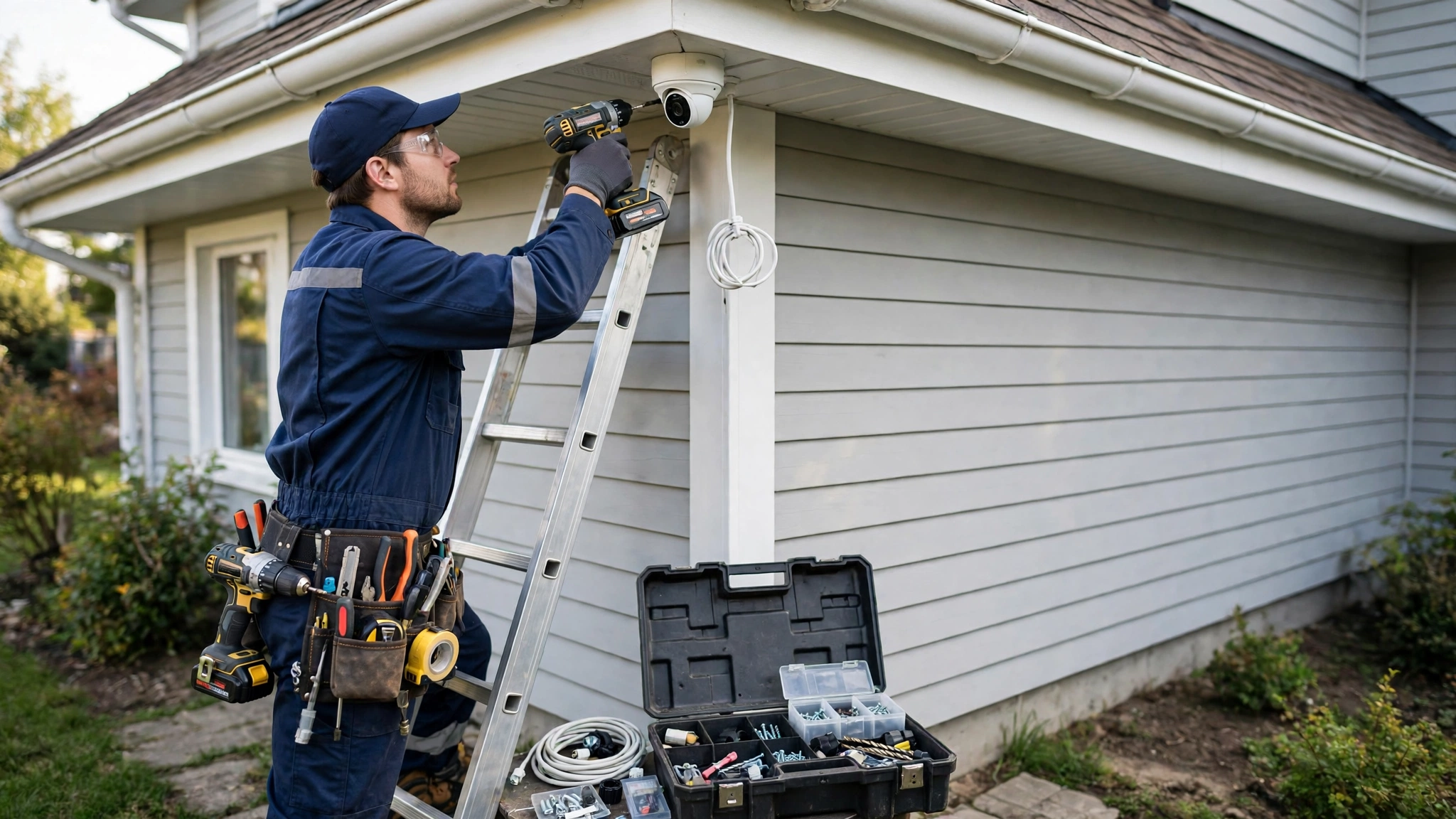
Camera placement should account for viewing angles, lighting, mounting height, weather exposure, and possible obstructions. Outdoor cameras should be suitable for the environmental conditions in which they will operate.
Cable routing and power supply arrangements also need attention. Poor installation can lead to connection problems, exposed cables, or interruptions in recording.
Professional installation can help ensure that cameras are positioned correctly and that the recording equipment and network connections are configured properly.
Plan for Maintenance and Future Expansion
A CCTV system needs regular checks to remain reliable over time.
Dust can collect on camera lenses, cables may become damaged, and recording devices may require software updates or storage checks.
Basic maintenance tasks include:
- Checking whether all cameras are recording.
- Cleaning camera lenses when needed.
- Reviewing available storage capacity.
- Inspecting cables and power connections.
- Testing remote viewing.
- Updating passwords and device software.
It is also useful to consider future requirements before purchasing equipment. A system that supports additional cameras or storage may offer more flexibility if the property expands or security needs change.
For those looking for professional CCTV installation, networking, and security system services in Lahore, AR Tech Solution provides solutions for residential and commercial requirements.
Final Thoughts
Choosing a CCTV camera system requires careful consideration of security requirements, camera types, image quality, recording options, network infrastructure, and installation quality.
There is no single setup that works for every property. The right solution depends on the areas being monitored, the level of detail required, available infrastructure, and budget.
By evaluating these factors before installation, homeowners and businesses can make better decisions and choose a surveillance system that meets their practical security needs.
Author Bio
AR Tech Solution is a Lahore-based technology and security solutions provider offering CCTV camera installation, security systems, networking, Wi-Fi setup, access control, and IT support services. The company focuses on providing practical technology solutions for residential and commercial customers.