Top Wearable Gadgets for Health Monitoring in Pakistan
Smartwatch and fitness band picks for health monitoring in Pakistan, with PKR prices, real accuracy limits and fake health claims to avoid in 2026.
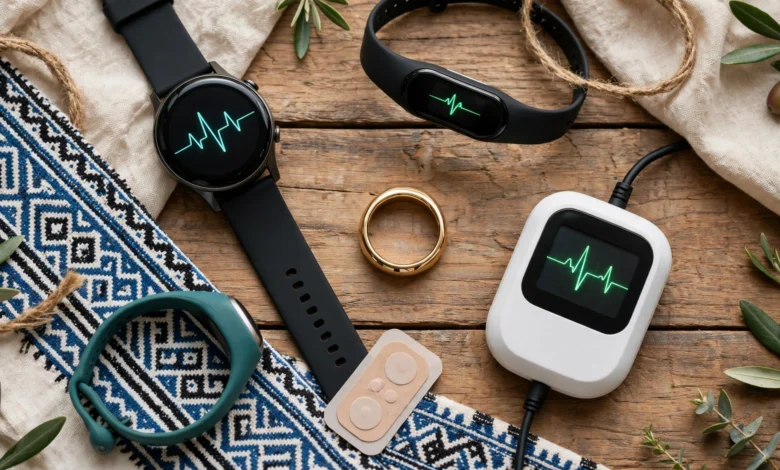
Top Wearable Gadgets for Health Monitoring in Pakistan
Introduction: Can a Smartwatch Really Help You Stay Healthy in Pakistan?
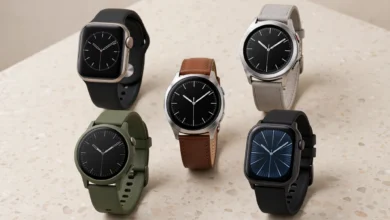
A smartwatch used to be a luxury gadget in Pakistan. Today you see them everywhere, from university campuses in Lahore to office lifts in Karachi, and a basic fitness band costs less than a month’s gym membership. These devices count your steps, track your heart rate, estimate your sleep and even measure blood oxygen. For a country where heart disease and diabetes affect millions of families, that sounds like a big step forward.
It can be, if you understand what the device is really doing. A smartwatch is a helpful early-warning and habit-building tool, not a doctor on your wrist. Some readings are reasonably reliable. Others are rough estimates. And some claims made by cheap sellers are simply false. In 2024, the US Food and Drug Administration warned people not to use any smartwatch or ring claiming to measure blood sugar without a needle, because no such device had been approved.
Pakistani buyers face extra challenges too: grey-market stock with no warranty, PTA rules for SIM-enabled watches, and online listings that copy features from expensive brands onto cheap clones.
This guide cuts through all of that. You will learn what health wearables can and cannot measure, see eight smartwatch and fitness band options available in Pakistan with realistic rupee prices, understand the real fraud and privacy risks, and get practical tips for buying and using your data wisely. The goal is better health habits, not more anxiety.
What a Smartwatch Can and Cannot Measure: An Honest Reality Check
Before choosing a model, it helps to know how reliable each health feature is. Most wearables use the same basic sensors: an accelerometer for movement and a green or red light sensor (called PPG) that reads blood flow through your skin. Premium models add electrical sensors for ECG. Here is what that hardware can realistically do.
Features That Are Generally Useful
- Step counting and activity: A smartwatch or band counts steps reasonably well for walking. It is less precise for cycling or housework, but the trend over weeks is what matters.
- Resting heart rate: Optical sensors are fairly accurate at rest. A rising resting heart rate over several days can hint at stress, poor sleep or illness.
- Sleep duration: Most devices estimate how long you slept quite well. Sleep stage breakdowns (deep, light, REM) are much rougher guesses.
- Irregular rhythm alerts and ECG: Some higher-end models can flag possible atrial fibrillation, an irregular heartbeat that raises stroke risk. Where these features have regulatory clearance, they can prompt a timely visit to a cardiologist.
Features to Treat as Rough Estimates
- Blood oxygen (SpO2): Wrist readings can be thrown off by movement, cold hands, tattoos and darker skin tones. Use it as a general signal, never instead of a proper fingertip pulse oximeter when someone feels unwell.
- Heart rate during intense exercise: Wrist sensors often lag or misread during sprints and weight training. A chest strap is more accurate.
- Calories burned: These are formulas based on your weight, age and movement. They can be off by a wide margin.
- Stress scores: Calculated from heart rate variability. Interesting for trends, not a medical measurement.
- Blood pressure on a wristwatch: Most budget watches that show blood pressure are estimating it from other signals. Do not use them to manage hypertension. Use a validated upper-arm cuff instead.
What No Smartwatch Can Do Right Now
No consumer smartwatch or ring can measure blood glucose through the skin on its own. Any listing that promises “non-invasive sugar testing” is making a claim that regulators have specifically warned against. People with diabetes should rely on a glucometer or a continuous glucose monitor (CGM) sensor, which some watches can display data from.
Why This Matters in Pakistan
Diabetes and heart disease are widespread in Pakistan. The International Diabetes Federation has estimated that roughly a quarter of Pakistani adults live with diabetes, one of the highest rates in the world. That is exactly why accurate tools matter. A smartwatch that nudges you to walk more, sleep better and visit a doctor when something looks off is valuable. A smartwatch that gives false reassurance about blood sugar or blood pressure can be dangerous.

8 Best Smartwatch and Fitness Band Picks for Health Monitoring in Pakistan
Prices below are approximate ranges seen on Pakistani retail and price-comparison sites such as PriceOye, Mega.pk and Qeemat in mid to late 2026. Prices change often with the exchange rate and sales, and official-warranty stock usually costs more than grey-market units. Treat these as a guide and confirm before buying.
Budget Fitness Bands (Under Rs 17,000)
1. Huawei Band 9
- Approx. price: Rs 7,500 to 12,500
- Best for: First-time users and students
One of the cheapest reliable trackers in Pakistan. It covers heart rate, SpO2, sleep and step tracking with a bright screen and long battery life. It is a band rather than a full smartwatch, so apps and replies are limited, but for basic health habits it does the job well.
2. Xiaomi Smart Band 10
- Approx. price: Rs 12,500 to 14,000
- Best for: Everyday activity and sleep tracking
Xiaomi’s band line is hugely popular in Pakistan for good reason: solid accuracy for steps and resting heart rate, many workout modes and battery life measured in weeks. It works with both Android and iPhone.
3. Samsung Galaxy Fit 3
- Approx. price: Rs 12,000 to 17,000
- Best for: Samsung phone owners
The Fit 3 has a larger screen than most bands and syncs neatly with Samsung Health. It includes fall detection, which can alert an emergency contact, a useful feature for older parents. The higher price is usually for units with official brand warranty.
4. Redmi Watch 5 Lite
- Approx. price: Rs 12,500 to 14,000
- Best for: People who want a watch-style screen on a band budget
This is the cheapest proper smartwatch shape on the list, with a large display, built-in GPS on many versions and Bluetooth calling. Health tracking matches Xiaomi’s bands.
Mid-Range Smartwatch Options (Rs 30,000 to 60,000)
5. Huawei Watch Fit 4
- Approx. price: Rs 32,000 to 35,000
- Best for: Fitness-focused users who want a slim design
The Watch Fit 4 sits between a band and a full smartwatch, with a sharp rectangular display, GPS and detailed workout tracking. Huawei’s health app is strong on sleep and heart rate trends.
6. Samsung Galaxy Watch 7
- Approx. price: Rs 47,000 to 63,000
- Best for: Android users who want advanced health tools
A full smartwatch with Wear OS apps, accurate heart rate tracking and Samsung’s ECG and blood pressure features. Note that some of these advanced health features depend on regional approval and need a compatible Samsung phone, so check what is active for Pakistani users before paying extra for them. Blood pressure readings also require regular calibration with a real cuff.
7. Huawei Watch GT 5 or GT 6
- Approx. price: Rs 52,000 to 55,000
- Best for: Long battery life and a classic watch look
The GT series is popular with professionals who want a smart health tracker that looks like a normal watch. Battery life of a week or more means you can track sleep every night without daily charging, which is a real advantage with load shedding.
Premium Pick
8. Apple Watch Series 10
- Approx. price: Around Rs 105,000 and up
- Best for: iPhone users who want the most mature health platform
The Apple Watch has some of the most studied heart rhythm and fall detection features available, and it integrates deeply with the iPhone Health app. It only works with iPhones, needs daily charging, and is expensive in Pakistan. Buy only from official or well-established sellers, since this is the most copied smartwatch on the market.
Quick Comparison
| Device | Type | Approx. price (Rs) | Standout health feature | Battery |
|---|---|---|---|---|
| Huawei Band 9 | Band | 7,500 to 12,500 | Low-cost all-round tracking | Long |
| Xiaomi Smart Band 10 | Band | 12,500 to 14,000 | Reliable steps and sleep | Very long |
| Samsung Galaxy Fit 3 | Band | 12,000 to 17,000 | Fall detection | Long |
| Redmi Watch 5 Lite | Smartwatch | 12,500 to 14,000 | Big screen and GPS | Long |
| Huawei Watch Fit 4 | Smartwatch | 32,000 to 35,000 | Detailed fitness tracking | Long |
| Samsung Galaxy Watch 7 | Smartwatch | 47,000 to 63,000 | ECG where supported | Short to medium |
| Huawei Watch GT 5/6 | Smartwatch | 52,000 to 55,000 | Week-long battery | Very long |
| Apple Watch Series 10 | Smartwatch | 105,000+ | Heart rhythm and fall alerts | Short |
The Dark Side of the Smartwatch Market: Fake Claims, Smuggling and Privacy
Health wearables attract honest innovation and plenty of shortcuts. These real cases show where buyers in Pakistan need to be careful.
Case 1: Watches That Claim to Measure Blood Sugar Without a Needle
Cheap online listings, including many targeted at Pakistani buyers, advertise watches that supposedly measure blood sugar, blood pressure and even cholesterol through the skin. In February 2024, the US Food and Drug Administration issued a public warning against exactly these products. As CBS News reported, the warning covered any watch or ring, regardless of brand, that claimed to measure glucose non-invasively, because the FDA had not authorised any such device. Experts warned that wrong readings could lead diabetic patients to take the wrong dose of medicine, with possibly serious results.
The lesson: If a smartwatch listing promises needle-free sugar testing, the claim is false. For a country with one of the world’s highest diabetes rates, trusting such a device instead of a glucometer is genuinely risky. Report misleading health claims to the platform selling them.
Case 2: Smuggled Wearables at Pakistani Airports
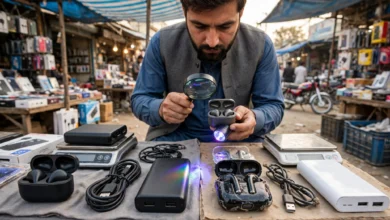
Pakistan Customs regularly intercepts undeclared electronics brought in for resale. In one case reported by TechJuice, officers at Karachi’s Jinnah International Airport moved a passenger to the red channel and confiscated a PlayStation 5, professional cameras and 10 fitness bands that were being brought in without declaring them. The case sparked online debate, but supporters of the action pointed to the clearly commercial quantity of goods.
Smuggled devices end up in shops and on social media pages at lower prices because duties were skipped. For buyers, the downside is real: no official warranty, no guaranteed software updates, and sometimes refurbished or copied units sold as new.
The lesson: A smartwatch with official warranty may cost a little more, but it comes with service support and is far less likely to be a copy.
PTA Rules Every Smartwatch Buyer Should Know
The Pakistan Telecommunication Authority regulates wireless devices. Under its type approval regulations, smartwatches with Bluetooth or Wi-Fi were taken off the list of exempt devices in 2021, which means they are expected to be type-approved before being sold commercially. Watches with a SIM slot carry an IMEI number and fall under PTA’s device registration system, like mobile phones. An unregistered SIM watch may stop working on local networks.
Before buying a SIM-enabled smartwatch, ask the seller whether it is PTA-approved, and check the IMEI through PTA’s official channels.
Case 3: When Fitness Data Exposed Secret Locations
In early 2018, the fitness app Strava published a global heatmap of its users’ activity. Researchers quickly noticed that the map revealed the outlines and jogging routes of military bases in conflict zones, because soldiers had been wearing fitness trackers while exercising. Nothing illegal was done by the users, but it showed how much a wearable can reveal about where you live, work and travel.
The lesson: Your smartwatch knows your heart rate, sleep schedule and often your exact location. Check privacy settings, turn off public activity sharing and set a private zone around your home.
Ethical Use: Do Not Use Wearables to Track People Secretly
Some cheap kids’ watches and GPS bands can be used to track anyone who wears them. Tracking a child with their knowledge for safety is one thing. Secretly tracking a spouse, employee or relative is another, and in Pakistan monitoring or stalking someone through electronic means can fall under the Prevention of Electronic Crimes Act 2016 (PECA). Use location features openly and with consent.
How to Buy the Right Smartwatch in Pakistan
With dozens of brands and hundreds of clones, a simple checklist saves money and disappointment.
Step 1: Decide What You Want to Track
- General fitness and steps: A budget band is enough.
- Sleep and stress habits: Choose a device with long battery life so you can wear it every night.
- Heart health concerns: Consider a smartwatch with ECG or irregular rhythm alerts that are actually active in your region, and talk to your doctor about what to watch for.
- Elderly parents: Prioritise fall detection, a clear screen and simple controls.
- Diabetes: Remember no watch measures sugar on its own. If you use a CGM sensor, check whether the watch can display its readings.
Step 2: Check Phone Compatibility
Apple Watch only works with iPhone. Samsung’s advanced health features often need a Samsung phone. Xiaomi and Huawei work with most Android phones and iPhones, though some features may be limited on iOS. Confirm this before buying any smartwatch.
Step 3: Buy From Trusted Sellers
- Prefer official brand stores, authorised distributors and large retailers with clear warranty terms.
- Ask whether the price includes official warranty or is grey-market stock.
- Check the box for serial numbers and verify them on the brand’s website where possible.
- Be wary of listings that copy Apple or Samsung designs at a fraction of the price.
- Avoid any listing that claims to measure blood sugar or provide medical diagnosis.
Step 4: Think About Battery Life and Load Shedding
A smartwatch that needs daily charging can be a hassle during long power cuts. Bands from Huawei and Xiaomi often last one to two weeks. If you choose a premium watch with short battery life, keep a small power bank handy.
Using Your Smartwatch Health Data Wisely
A health tracker is only useful if you act on the right signals and ignore the noise.
Healthy Habits That Wearables Support Well
- Setting a daily step goal and building up gradually.
- Keeping a steady sleep schedule and seeing how late nights affect your energy.
- Getting reminders to stand up and move during long office or study hours.
- Tracking workouts to stay consistent over months.
When to See a Doctor
Your smartwatch is not a diagnosis, but it can tell you when to get checked. Consult a doctor if you notice:
- Repeated irregular heart rhythm alerts.
- A resting heart rate that stays unusually high or low for days.
- Blood oxygen readings that stay low, especially with breathlessness. Confirm with a fingertip pulse oximeter.
- Any symptom such as chest pain, fainting or shortness of breath, whatever the watch says.
For reliable, plain-language guidance on heart health warning signs, the World Health Organization’s cardiovascular disease fact sheet is a good starting point.
Avoid Health Anxiety
Some people check their wearable dozens of times a day and worry about every small change. Look at weekly trends rather than single readings, and turn off alerts you do not need. The aim is to feel more in control of your health, not more stressed.
Smartwatch FAQs for Pakistani Buyers
Which is the best budget smartwatch for health monitoring in Pakistan?
For most people, a Xiaomi Smart Band 10, Huawei Band 9 or Samsung Galaxy Fit 3 offers the best value. They track steps, heart rate, sleep and SpO2 well enough for building healthy habits, and they cost under Rs 17,000.
Can a smartwatch measure blood pressure accurately?
Not reliably on its own. Some watches estimate it, and a few require calibration with a real cuff. If you have high blood pressure, use a validated upper-arm monitor and treat any smartwatch reading as a rough extra.
Can a smartwatch detect diabetes or measure sugar?
No. No approved smartwatch measures blood sugar without a needle or sensor. Some watches can display readings from a CGM sensor worn on the arm, which is different.
Do I need PTA approval for my smartwatch?
If your smartwatch has a SIM slot, it carries an IMEI and falls under PTA’s device registration rules, so check its status before buying. Bluetooth-only watches are subject to type approval at the import and sale stage, which is another reason to buy from authorised sellers.
Is a smartwatch worth it for elderly parents?
Yes, if you choose one with fall detection, a large readable screen and simple controls, and set it up together with them so they know how it works and agree to any location sharing.
Conclusion
A well-chosen smartwatch or fitness band can be a genuinely useful health companion in Pakistan, helping you walk more, sleep better and notice warning signs like irregular heart rhythms early, as long as you understand that features like step counting, resting heart rate and sleep duration are fairly reliable while SpO2, calories and wrist blood pressure are rough estimates and needle-free blood sugar readings are simply not possible, so pick a device that fits your needs and budget from trusted sellers with official warranty, check PTA rules for SIM-enabled models, protect your privacy, and stay alert to the fake health claims and smuggled stock that real cases like the FDA’s glucose warning and Customs seizures at Karachi airport have exposed.