Top Foods to Boost Immunity During Pakistan’s Winter Season
Seasonal foods supporting immunity in Pakistan's winter, from kinnow and guava to saag, fish and eggs, plus risks of fake cures and adulterated foods.
Top Foods to Boost Immunity During Pakistan’s Winter Season: 12 Proven, Healthy Picks
Introduction
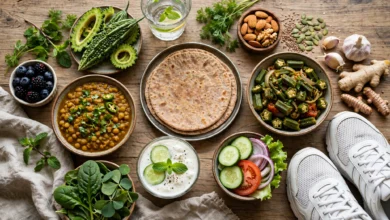
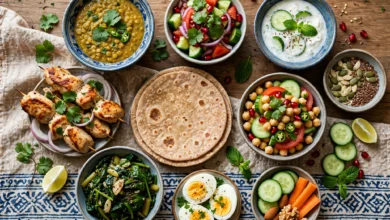
Foods to boost immunity during Pakistan’s winter season are already sitting in most of our markets and kitchens. Kinnow and oranges pile up on every thela, guavas are cheap and plentiful, mustard greens arrive for sarson ka saag, fish stalls get busy and families bring out dry fruits, eggs and yakhni. Our grandparents may not have used the word “immunity,” but much of their winter food wisdom holds up surprisingly well.
Winter in Pakistan brings its own health challenges. Colds, flu and chest infections spread quickly in crowded homes and classrooms. Smog chokes Lahore and much of Punjab for weeks. Gas load shedding means cold houses and fewer hot meals, and shorter days mean less sunlight, at a time when vitamin D deficiency is already common across the country.
This guide is honest about what food can and cannot do. No single fruit or kahwa will make you immune to illness. What a varied, nutrient-rich diet does is give your immune system the raw materials it needs to work properly. Below, you will find 12 seasonal foods worth eating, how to prepare them, a sample winter day of meals, and lifestyle habits that matter just as much as diet.
We also look at the darker side: fake “immunity booster” cures sold during the pandemic, adulterated food and spices, and the legal consequences some sellers faced, so you can protect your family’s health and money this winter.
What Immunity Really Is and What Food Can Do
Your immune system is a network of cells, tissues and organs that recognise and fight germs. It needs a steady supply of energy, protein, vitamins and minerals to build and repair those cells. When your diet lacks key nutrients for a long time, your defences weaken and infections can hit harder or last longer.
Nutrients That Support Immune Function
- Vitamin C: helps immune cells work and protects them from damage. Found in kinnow, oranges, guava and amla.
- Vitamin A: keeps the linings of your nose, throat and lungs healthy. Found in carrots, spinach, sweet potatoes and eggs.
- Vitamin D: helps regulate immune responses. Made by your skin in sunlight and found in fish and egg yolks.
- Zinc: needed for immune cell development. Found in meat, chicken, daal, chana, nuts and seeds.
- Protein: antibodies and immune cells are built from protein. Found in eggs, chicken, fish, daal and yoghurt.
- Probiotics and fibre: support the gut, where a large share of immune activity happens. Found in yoghurt, vegetables, fruits and whole grains.
The Honest Limits
Eating well supports your immune system. It does not “supercharge” it. Taking huge doses of one vitamin does not make you extra protected, and some vitamins, like A and D, can be harmful in excess. The WHO healthy diet fact sheet stresses variety, plenty of fruit and vegetables, and limits on sugar, salt and unhealthy fats. That balanced pattern is the real foundation of a healthy immune system.
12 Top Foods to Boost Immunity During Pakistan’s Winter Season
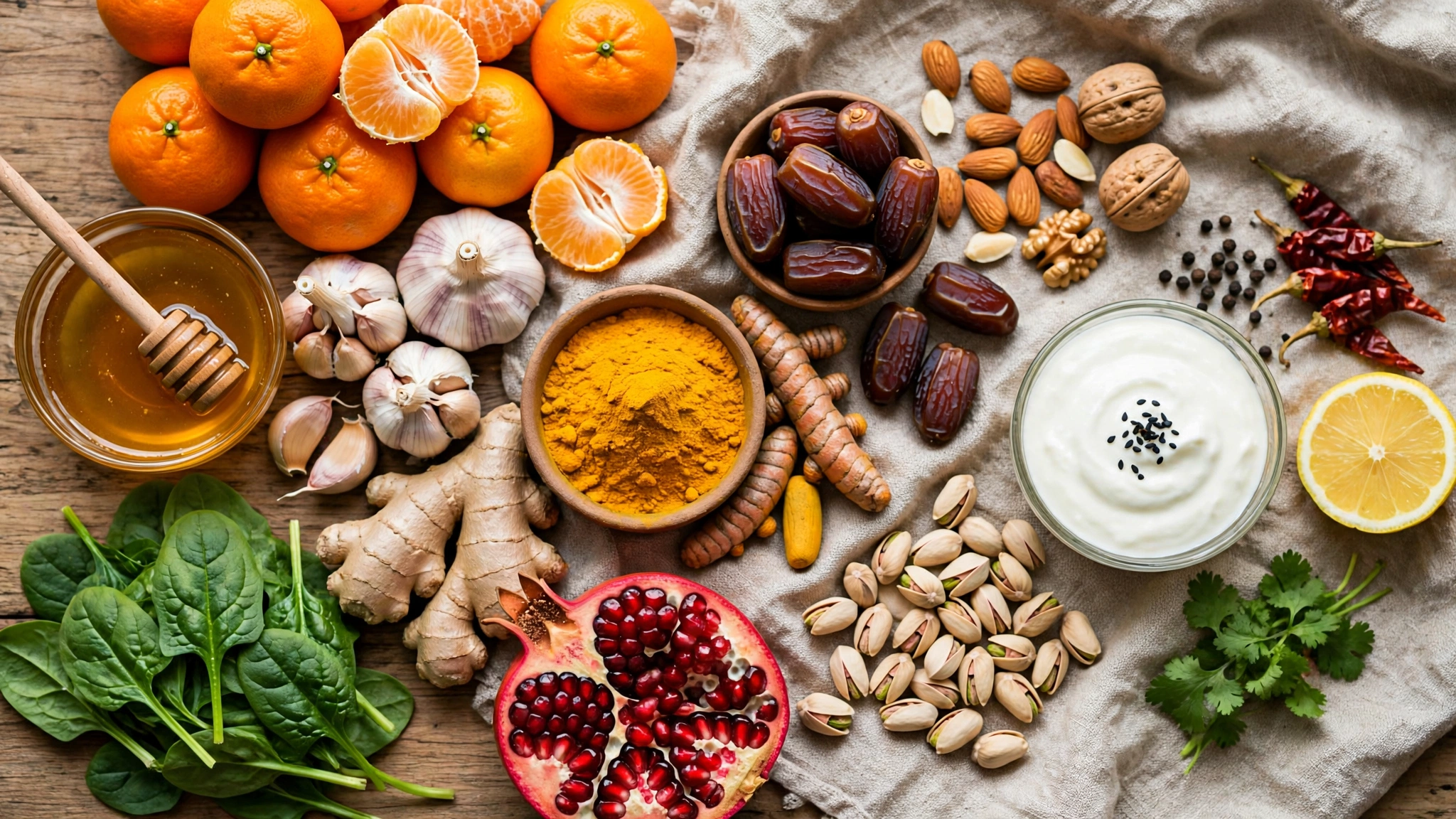
These foods are seasonal, widely available and mostly affordable. None of them is magic on its own, but together they cover the key nutrients your body needs during the cold months.
1. Kinnow and Oranges
Pakistan is one of the world’s major kinnow producers, and winter is peak season. One medium kinnow or orange provides a large share of your daily vitamin C, along with fibre and water.
- How to eat it: whole, as a mid-morning snack. Whole fruit beats juice, which loses fibre and is easy to over-drink.
- Budget note: among the cheapest fruits in December and January.
2. Guava (Amrood)
Guava is one of the richest common sources of vitamin C, often providing more per fruit than an orange. It is also high in fibre.
- How to eat it: sliced with a pinch of salt and chaat masala.
- Tip: wash well and eat soon after cutting, since vitamin C drops once the fruit is exposed to air for long.
3. Amla (Indian Gooseberry)
Amla is very rich in vitamin C and has a long place in traditional South Asian diets.
- How to eat it: fresh in small amounts, as homemade murabba with less sugar, or grated into chutney.
- Caution: shop-bought amla products with medical claims should be treated sceptically. The fruit is healthy; miracle claims are not.
4. Sarson ka Saag and Palak
Mustard greens and spinach are rich in vitamin A, vitamin C, folate and antioxidants. Sarson ka saag is a winter classic for good reason.
- How to eat it: with makki ki roti, but go easy on the butter and ghee on top. A spoonful adds flavour; a dollop adds hundreds of calories.
5. Carrots (Gajar)
Winter’s red carrots are packed with beta-carotene, which your body converts into vitamin A to support the linings of your airways.
- How to eat it: raw in salads, in gajar ka achar, or lightly cooked in sabzi. Fresh carrot juice is good occasionally.
- Reality check: gajar ka halwa is delicious, but with its sugar and ghee it is a treat, not an immunity booster.
6. Garlic (Lehsan)
Garlic contains sulphur compounds that have been studied for antimicrobial and immune effects. The evidence for preventing colds is modest, but garlic is a healthy, cheap way to flavour food.
- How to eat it: crushed into daal, salan and soups. Letting crushed garlic sit for a few minutes before cooking may help preserve its active compounds.
7. Ginger (Adrak)
Ginger may help with nausea and soothe a sore throat, and it has anti-inflammatory properties.
- How to eat it: in chai, kahwa, soups and salan. Ginger with lemon and honey in warm water is a comforting drink when you have a cold.
8. Fish
Winter is fish season in Pakistan, and for good reason. Oily fish provides vitamin D, omega-3 fats and high-quality protein. Since vitamin D deficiency is widespread in Pakistan, fish is especially valuable in the darker months.
- How to eat it: grilled, baked or cooked in a light curry. Deep-fried, batter-coated fish adds lots of oil.
- More reading: the NIH Office of Dietary Supplements vitamin D fact sheet explains sources, needs and safe limits.
9. Eggs
Eggs are an affordable source of protein, vitamin D, vitamin A, zinc and selenium.
- How to eat it: boiled, as an omelette with vegetables, or in anda curry. One or two eggs a day is fine for most healthy adults.
10. Yoghurt (Dahi)
Yoghurt with live cultures supports gut health, and a healthy gut supports immune function. It also provides protein, calcium and vitamin B12.
- How to eat it: plain, as raita, or with fruit. Choose fresh, properly stored dahi from a trusted source.
11. Nuts and Dry Fruits
Almonds provide vitamin E, walnuts provide omega-3 fats, and peanuts, pumpkin seeds and pistachios provide zinc. Chilgoza is a winter favourite, though often expensive.
- How to eat it: a small handful a day. Dry fruits are calorie dense, and panjiri or pinni with lots of ghee and sugar should be an occasional treat.
- Budget note: peanuts and roasted chana give similar benefits for a fraction of the price of almonds and chilgoza.
12. Yakhni, Daal and Chicken Soup
Warm broths and soups keep you hydrated, provide protein and are easy to eat when you feel unwell. Chicken yakhni and daal soup also provide zinc and B vitamins.
- How to eat it: homemade with plenty of vegetables, garlic and ginger. Limit salt and avoid packet soups loaded with sodium.
What About Honey and Haldi Doodh?
Honey can help soothe coughs and sore throats in adults and children over one year old. Never give honey to babies under 12 months, because of the risk of infant botulism. Haldi doodh (turmeric milk) is comforting, and turmeric is being studied for anti-inflammatory effects, but there is no strong evidence that a glass at night prevents colds. Enjoy it as a warm drink, not a medicine.
A Simple Immunity-Friendly Winter Day of Eating
Knowing the right foods is one thing. Fitting them into a normal Pakistani day is another. Here is how a balanced winter diet might look without any special ingredients.
| Meal | What to eat | Key nutrients |
|---|---|---|
| Breakfast | Vegetable omelette, one whole wheat roti, chai with less sugar | Protein, vitamin D, vitamin A |
| Mid-morning | One kinnow or a guava | Vitamin C, fibre |
| Lunch | Daal with garlic and ginger, palak or mixed sabzi, roti, raita | Zinc, vitamin A, probiotics |
| Evening | A small handful of peanuts or almonds, ginger kahwa | Zinc, vitamin E |
| Dinner | Grilled or curried fish, or chicken yakhni with vegetables, carrot salad | Vitamin D, omega-3, beta-carotene |
Traditional Winter Foods, Done Right
Pakistani winters come with rich traditions, and there is no need to give them up. A few small changes keep them enjoyable without overloading on sugar and fat:
- Gajar ka halwa: make it with less sugar and ghee, and enjoy a small bowl.
- Panjiri and pinni: share them across the family over the season rather than eating them daily.
- Fried fish: grill or bake at home most weeks, keep fried fish for occasional outings.
- Sarson ka saag: keep the saag, cut back the makhan on top.
- Chai: reduce sugar gradually, and swap one cup a day for kahwa or green tea.
Beyond Food: Winter Habits That Protect Your Health
Food is only one part of staying healthy in winter. These habits often matter just as much.
Get Some Sunlight Every Day
Vitamin D deficiency is common in Pakistan, partly because many people spend most of the day indoors and keep skin covered. Sitting in the winter sun for 15 to 20 minutes around midday, with your face and arms exposed where culturally comfortable, helps your body make vitamin D. If you suspect a deficiency, ask your doctor for a blood test before taking high-dose supplements.
Sleep Well
Poor sleep weakens immune defences. Aim for seven to nine hours for adults, and more for children and teenagers. Late-night phone scrolling under a warm razai is tempting, but it costs you.
Protect Yourself From Smog
Smog in Punjab irritates the lungs and can make respiratory infections worse, especially for children, older people and anyone with asthma.
- Check air quality before going out, and limit outdoor exercise on bad days.
- Wear a well-fitted N95 or KN95 mask outdoors when pollution is high. Cloth masks offer little protection against fine particles.
- Keep windows closed during peak smog hours.
Use Gas Heaters Safely
Every winter, Pakistani news reports deaths from carbon monoxide poisoning and gas leaks in closed rooms. Never sleep with a gas heater or angeethi burning in a closed room, keep a window slightly open for ventilation, and switch heaters off before bed.
Wash Hands and Consider the Flu Vaccine
Regular handwashing with soap reduces the spread of colds and flu. A yearly flu vaccine is especially worth discussing with your doctor if you are over 65, pregnant, have diabetes, heart or lung disease, or care for young children.
The Reality Check: Fake Immunity Cures and Food Fraud
Whenever people worry about getting sick, someone tries to profit. These real cases show why “immunity” claims and cheap food deserve a closer look.
Bleach Sold as a COVID-19 Cure
During the pandemic, a Florida family running the so-called Genesis II Church of Health and Healing sold a product called Miracle Mineral Solution as a cure for COVID-19 and many other diseases. When swallowed, it became chlorine dioxide, an industrial bleach. They sold more than $1 million worth of it. A federal jury convicted all four men, and in October 2023 two of them were sentenced to more than 12 years in prison and the other two to five years. ABC News reported on the Grenon family’s sentencing, noting that the FDA had warned people not to drink the product since 2010.
The lesson: no drink, powder or tonic “cures” viral infections or makes you immune. Anything claiming to treat dozens of unrelated diseases is a red flag.
Fake Honey in Punjab
Honey sales jump every winter, and so does fraud. In one operation in Layyah, the Punjab Food Authority discarded around 150 kg of fake honey that officials said was prepared using harmful ingredients. In the same crackdown, it destroyed adulterated chillies and spices packed under the name of a well-known brand.
The lesson: buy honey from trusted brands or sellers you know, and be wary of “pure desi shehad” sold cheaply from roadside stalls with no label.
Chilli Powder Made From Coloured Rice Husk and Sawdust
Spices like haldi and red chilli feature in almost every winter dish. Unfortunately, they are also among the most adulterated foods in Pakistan. In 2019, the Punjab Food Authority sealed a Lahore factory and seized over 7,000 kg of tainted spices, where officials said red chilli powder was being made by artificially colouring rice husks. Other raids have found sawdust, non-food-grade colours and fungus-infested chillies in ground spices, as described in Express Tribune’s report on the PFA spice factory raid.
The lesson: whole spices ground at home, or packaged spices from reputable brands, are safer than loose powders of unknown origin.
“Immunity Booster” Supplements With Big Promises
Pharmacies and social media pages sell multivitamins, herbal mixtures and “immunity shots” every winter, often with claims no regulator has approved. Pakistan’s Drug Regulatory Authority has repeatedly warned against unregistered health products sold online. A genuine deficiency, such as low vitamin D, should be diagnosed and treated by a doctor, not guessed at with random supplements.
How to Buy Safe, Genuine Winter Foods
Eating immune-boosting foods only helps if the food is genuine. A few habits reduce your risk of buying adulterated products.
Practical Buying Tips
- Buy whole spices like haldi, dhania and dried red chillies, and grind them at home or at a grinder you trust.
- Check packaging for the manufacturer’s name, address, batch number, expiry date and a food authority licence where applicable.
- Be suspicious of prices far below market rates, especially for honey, ghee, dry fruits and saffron.
- Buy milk from reliable sources and always boil loose milk before drinking.
- Wash fruits and vegetables well under running water to remove dirt and some pesticide residue. Peel carrots and soak leafy greens before cooking.
- Choose seasonal produce. It is usually fresher, cheaper and less likely to be artificially ripened or stored for months.
- Store food properly. Keep nuts and dry fruits in airtight containers, since mouldy nuts can contain harmful toxins.
A Word on Home “Purity Tests”
Social media is full of tricks like dropping honey in water or burning it to check purity. Most of these tests are unreliable and can fool you either way. Lab testing is the only accurate method. Your best protection is buying from trusted sources and reporting suspicious products to your provincial food authority, such as the Punjab Food Authority’s helpline.
When Food Is Not Enough: See a Doctor
Most winter colds clear up in about a week with rest, fluids and good food. Some symptoms, though, need medical attention. See a doctor promptly if you or a family member has:
- High fever lasting more than three days, or any fever in a baby under three months
- Difficulty breathing, fast breathing or chest pain
- A cough that lasts more than two to three weeks or brings up blood
- Signs of dehydration, such as very little urine, dizziness or a dry mouth
- Symptoms that improve and then suddenly get worse, which can signal a secondary infection like pneumonia
- Worsening asthma or COPD during smog season
Avoid self-medicating with leftover antibiotics. Antibiotics do not work against viral colds and flu, and misuse fuels antibiotic resistance, a serious and growing problem in Pakistan. Older adults, young children, pregnant women and people with diabetes or heart and lung disease should seek help earlier rather than later.
Conclusion
The top foods to boost immunity during Pakistan’s winter season are simple, seasonal and mostly affordable: kinnow, oranges, guava and amla for vitamin C, saag, palak and carrots for vitamin A, fish and eggs for vitamin D and protein, garlic and ginger for flavour and comfort, yoghurt for gut health, nuts and dry fruits for zinc and vitamin E, and warm yakhni or daal soup when you feel unwell. None of them works like medicine, but together with sunlight, good sleep, handwashing, smog protection, safe heater use and a flu vaccine for those at higher risk, they give your immune system what it needs to do its job. Stay alert to the fraud that peaks in winter, from fake cures like the bleach-based Miracle Mineral Solution that sent its sellers to prison to fake honey and chilli powder made from coloured rice husk seized by the Punjab Food Authority, buy from trusted sources, and see a doctor when symptoms are serious or do not improve.