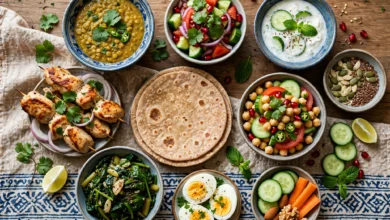
How to Manage Diabetes With the Right Pakistani Diet
Smart ways to manage diabetes with the right Pakistani diet, from roti and rice portions to Ramadan tips, and warnings on fake cures and hidden drugs.
How to Manage Diabetes With the Right Pakistani Diet: 10 Proven, Practical Rules
Introduction
How to manage diabetes with the right Pakistani diet is one of the most practical health questions in the country today. Almost every Pakistani family now has someone checking their sugar, whether it is a parent on tablets, an uncle on insulin or a young adult recently told their reading is “borderline.” Yet most of the advice people receive is either too vague (“avoid sugar”) or too foreign (“eat quinoa and avocado”) to follow at a dinner table full of roti, chawal, salan and mithai.
The truth is that you do not need to give up Pakistani food to control diabetes. Daal, chana, sabzi, yoghurt, eggs, chicken and fish are excellent choices. The real changes are in how much roti and rice you eat, how much oil goes into the pot, how often sugar sneaks into chai and drinks, and how meals are spread through the day.
This guide explains how food affects blood sugar, gives you simple rules for portions and food choices, shares a sample day of desi meals, and covers tricky situations like Ramadan, weddings and mango season. It also takes a hard look at the fake “diabetes cures” sold in Pakistan and online, including herbal products found to contain hidden drugs and falsified injections flagged by regulators.
Please read this alongside your doctor’s advice, not instead of it. Diet is powerful, but diabetes management is always a team effort.
Diabetes in Pakistan and How Food Affects Blood Sugar
Pakistan now faces one of the most serious diabetes problems in the world. According to the IDF Diabetes Atlas country report for Pakistan, around 34.5 million adults aged 20 to 79 were living with diabetes in 2024, and Pakistan has the highest diabetes prevalence of any country, with an age-standardised rate of 31.4%. The same report projects the number could reach about 70 million by 2050. Many people are also living with undiagnosed diabetes and do not know it yet.
What Happens When You Eat
Most foods containing carbohydrates, such as roti, rice, potatoes, fruit, sugar and sweets, are broken down into glucose, which enters your blood. Insulin, a hormone from the pancreas, moves that glucose into your cells for energy. In type 2 diabetes, the body either does not make enough insulin or does not respond to it properly, so glucose builds up in the blood.
That is why diet matters so much. The type, amount and timing of carbohydrates have the biggest direct effect on blood sugar after meals. Protein, fibre and healthy fats slow down how fast glucose enters the blood.
Why the Typical Pakistani Diet Makes It Harder
- Large portions of refined carbs: several rotis or a big plate of white rice per meal.
- Sugar in drinks: multiple cups of sweet chai daily, plus cold drinks and packaged juices.
- Heavy use of oil and ghee, which adds calories and contributes to weight gain and insulin resistance.
- Frequent fried snacks like samosas, pakoras and nimko.
- Late, heavy dinners followed by little movement.
The good news is that each of these can be changed without giving up desi food.
10 Proven Rules to Manage Diabetes With the Right Pakistani Diet
These rules form the backbone of a healthy Pakistani diabetic diet. Your doctor or dietitian may adjust them based on your medication, weight and other conditions.
1. Use the Diabetes Plate Method
For lunch and dinner, picture your plate in sections:
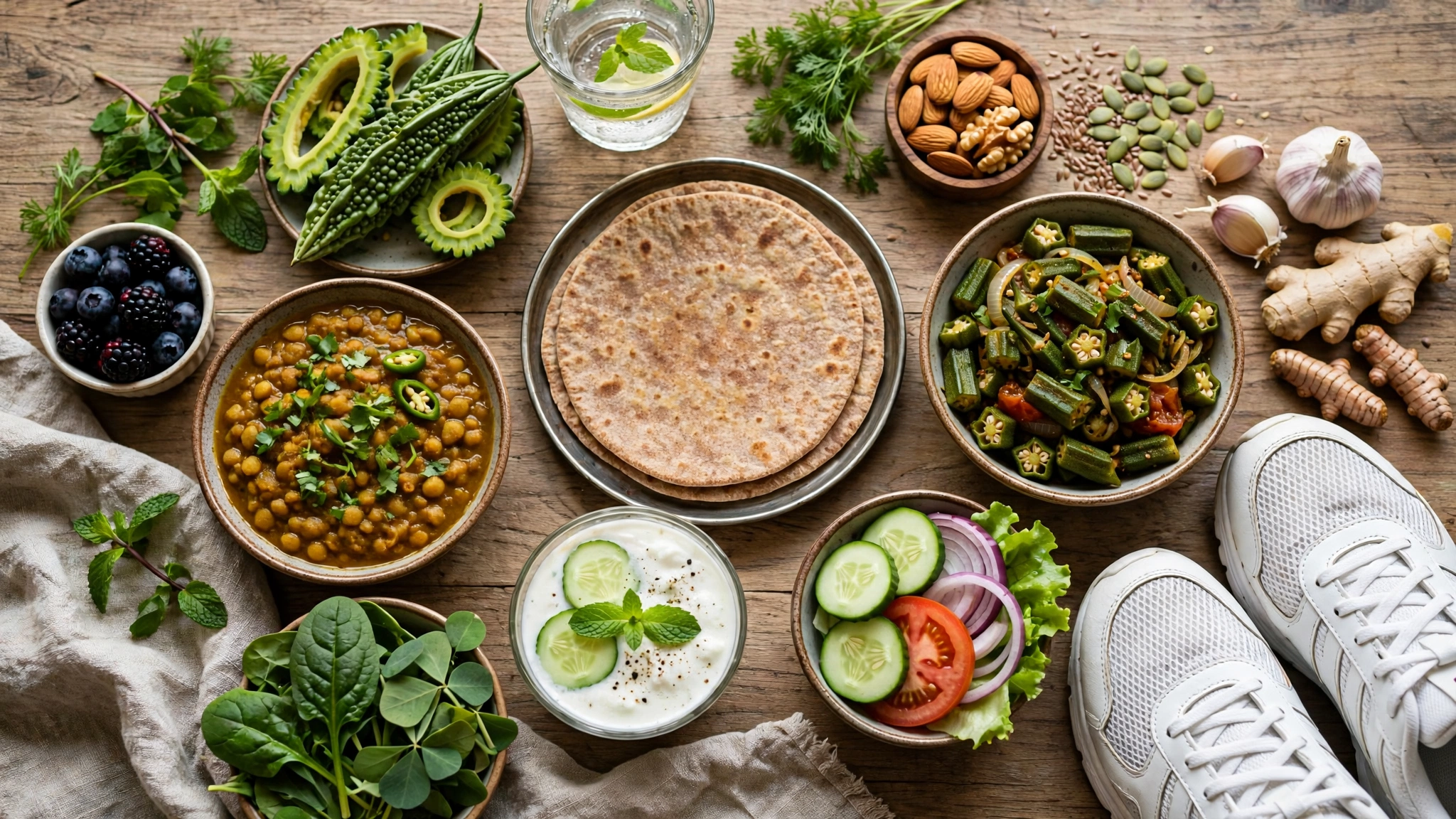
- Half: non-starchy vegetables such as palak, lauki, tori, karela, bhindi, gobi, salad and kachumber
- A quarter: protein such as daal, chana, chicken, fish, eggs or paneer
- A quarter: carbohydrates such as one roti or a small cup of rice
This single habit controls portions without complicated calorie counting.
2. Control Roti and Rice Portions
Most adults with diabetes do well with one medium roti per meal, or a small cup of cooked rice instead, not both. If your sugars are high, your doctor may suggest even less. Avoid the habit of “just one more roti” to finish the salan.
3. Choose Better Flour
Whole wheat chakki atta is better than maida. Mixing in some chana flour (besan), jau (barley) or bajra makes roti richer in fibre and protein and gentler on blood sugar. Avoid white bread, naan and paratha on a regular basis.
4. Make Daal and Chana Your Best Friends
Lentils and chickpeas contain fibre and protein that slow glucose release. Daal, chana chaat (without sweet chutney), lobia and rajma are excellent, affordable choices for blood sugar control.
5. Cut Sugar From Drinks First
This is often the quickest win. Switch to chai without sugar, or gradually reduce it. Drop cold drinks, packaged juices, sweet lassi and sharbat. Water, plain lassi, lemon water without sugar and green tea are safer choices.
6. Use Less Oil and Ghee
Excess fat leads to weight gain, which worsens insulin resistance. Measure oil with a spoon, use non-stick pans, and prefer grilling, baking or bhuna-style cooking with less oil. Limit deep-fried snacks to rare occasions.
7. Eat Fruit Whole and in Sensible Amounts
Fruit is allowed. Choose whole fruit like guava, apple, pear, orange, jamun or papaya, one portion at a time, ideally with or after a meal. Avoid fruit juices and large servings of very sweet fruits like mango, chikoo and grapes.
8. Do Not Skip Meals, Especially on Medication
Eating at regular times helps keep sugar steady. If you take insulin or certain tablets like sulfonylureas, skipping meals can cause dangerously low blood sugar (hypoglycaemia).
9. Eat Dinner Earlier and Walk After Meals
A lighter dinner two to three hours before bed, followed by a 10 to 15 minute walk, can noticeably improve after-meal sugar readings.
10. Watch Salt Too
Many people with diabetes also have high blood pressure. Reduce salt, achar, papad, nimko and packaged snacks to protect your heart and kidneys.
Best and Worst Pakistani Foods for Diabetes
No single food is banned forever, but some foods make diabetes management much easier and others make it much harder.
Foods to Eat Often
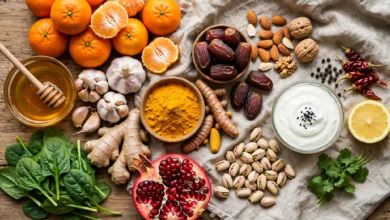
- Vegetables: palak, methi, lauki, tori, karela, bhindi, gobi, shimla mirch, tomatoes, cucumber, salad leaves
- Pulses: daal masoor, moong, mash, chana, lobia, rajma
- Protein: eggs, chicken, fish, lean meat in moderation, paneer
- Dairy: plain dahi, raita, unsweetened lassi, milk in moderate amounts
- Healthy snacks: roasted chana, a small handful of nuts, cucumber or carrot sticks
- Grains: whole wheat or mixed-grain roti, small portions of brown or basmati rice
Foods to Limit or Avoid
- Mithai, halwa, kheer, gulab jamun and jalebi
- Cold drinks, packaged juices, sharbat and sweet lassi
- White bread, naan, paratha, puri and bakery items
- Fried snacks: samosa, pakora, nimko, chips
- Large portions of white rice, biryani and pulao
- Very sweet fruits in large amounts, such as mango and chikoo
Smart Swaps for Everyday Meals
| Instead of | Choose | Why it helps |
|---|---|---|
| Paratha with butter | Plain chakki atta or besan-mix roti | Less fat, more fibre |
| White rice biryani, full plate | One cup of rice with daal and salad | Fewer refined carbs per meal |
| Chai with 2 spoons of sugar | Chai without sugar, or green tea | Removes hidden sugar |
| Fruit juice | One whole fruit | Fibre slows sugar release |
| Samosa or pakora | Roasted chana or chana chaat | Protein and fibre, less oil |
| Sweet lassi | Plain or salted lassi | No added sugar |
| Mithai after dinner | A short walk and a few nuts | Better after-meal readings |
A Sample Day of Diabetes-Friendly Desi Meals
- Breakfast: vegetable omelette with one whole wheat roti, and chai without sugar
- Mid-morning: one guava or apple
- Lunch: one roti, daal, a large serving of sabzi and salad, and a bowl of raita
- Evening: roasted chana with green tea
- Dinner (early): grilled or curried chicken or fish with mixed vegetables and half to one roti
- After dinner: a 10 to 15 minute walk
Portions and timing should be adjusted with your doctor, especially if you use insulin.
Real-Life Situations: Ramadan, Weddings and Mango Season
A diabetic diet plan only works if it survives real Pakistani life. Here is how to handle the moments that cause the biggest spikes.
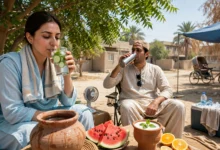
Fasting in Ramadan With Diabetes
Many people with diabetes fast safely, but it needs planning. Islamic scholars also recognise exemptions for people whose health would be at risk.
- See your doctor 6 to 8 weeks before Ramadan to review medicines and doses. Some tablets and insulin need timing changes.
- Eat sehri as late as possible, with slow-digesting foods: eggs, roti, daal, yoghurt and vegetables.
- Open with one or two dates and water, then have a balanced meal, not a table of pakoras, samosas and jalebis.
- Check your sugar during the fast, which does not break it.
- Break the fast immediately if your sugar drops below 70 mg/dL (3.9 mmol/L), goes above 300 mg/dL (16.7 mmol/L), or you feel shaky, sweaty, confused or faint. This is the advice of international diabetes and Ramadan guidelines.
- People with type 1 diabetes, frequent lows, pregnancy, kidney disease or poorly controlled sugar are usually advised not to fast.
Weddings and Dawats
- Eat a small, protein-rich snack before leaving home so you do not arrive starving late at night.
- Fill half your plate with salad and raita first.
- Choose roast, tikka or karahi over rice-heavy dishes, and take a small portion.
- Skip cold drinks and take only a few spoons of dessert, if any.
- Take your medication on time, even if dinner is served late, after checking with your doctor how to adjust it.
Mango Season
Pakistani mangoes are hard to resist. You do not have to avoid them completely, but treat them as a carbohydrate portion. A few slices with a meal, in place of a roti, is far better than a whole mango or a mango shake. Check your sugar two hours later to learn how your body responds.
The Reality Check: Fake Diabetes Cures and Hidden Drugs
With tens of millions of Pakistanis living with diabetes, “sugar ka pakka ilaj” (a permanent cure for sugar) is a huge market for fraudsters. These real cases show why you should never stop prescribed treatment for a miracle product.
“Herbal” Supplements Secretly Containing Diabetes Drugs
The US Food and Drug Administration has repeatedly found so-called herbal blood sugar supplements that secretly contain prescription diabetes drugs. In December 2023, a Class I recall covered more than 32,000 bottles of a supplement called SugarMD Advanced Glucose Support after FDA testing found undeclared metformin and glyburide in it. In December 2024, another product, Fouzee SugarLin Herbal Formula, was recalled for the same two hidden drugs. The FDA’s guide on illegal products claiming to treat diabetes lists other products found with hidden metformin, glyburide and phenformin, a drug withdrawn in many countries because of a dangerous side effect.
Why this is dangerous: a person taking their normal tablets plus a “herbal” product with hidden glyburide can suffer a severe drop in blood sugar, which can cause confusion, seizures or loss of consciousness.
Falsified Weight Loss and Diabetes Injections
In July 2023, the Drug Regulatory Authority of Pakistan issued a DRAP rapid alert on falsified GLP-1 injections, warning about fake versions of medicines like Ozempic circulating in the market. At that time, only one brand was registered in Pakistan, and only as a prescription medicine for type 2 diabetes. These drugs are now heavily promoted on social media for weight loss, which fuels the fake trade.
The lesson: buy diabetes medicines only from licensed pharmacies with a prescription, never from Instagram sellers or WhatsApp groups.
Smartwatches That “Measure” Blood Sugar
In February 2024, the FDA warned people not to use smartwatches or smart rings that claim to measure blood glucose without piercing the skin, saying none had been authorised and that inaccurate readings could lead people to take the wrong medication dose. Cheap watches making this claim are widely sold online, including to buyers in Pakistan.
“Permanent Cure” Claims
Some hakeems, online sellers and so-called healers claim to cure diabetes permanently with powders, oils or special diets, often asking patients to stop their medicines. Type 2 diabetes can sometimes go into remission with significant weight loss and lifestyle change under medical supervision, but no powder or tonic cures it, and stopping insulin can be life-threatening for people who depend on it.
Monitoring, Medication and Working With Your Doctor
Diet works best when you can see its effect. Regular monitoring turns guesswork into clear feedback.
Check Your Sugar at Home
A basic glucometer from a pharmacy lets you see how specific meals affect you. Testing before a meal and two hours after it is one of the most useful ways to learn which portions of roti, rice or fruit your body handles well. For many adults, the American Diabetes Association suggests targets of roughly 80 to 130 mg/dL before meals and under 180 mg/dL two hours after, but your doctor may set different targets for you.
Know Your HbA1c
The HbA1c test shows your average blood sugar over about three months. Many adults aim for below 7%, though targets vary with age and health. Getting it checked every three to six months shows whether your diet and medicine are working.
Recognise and Treat Low Blood Sugar
If you take insulin or certain tablets, learn the signs of hypoglycaemia: shaking, sweating, hunger, confusion or a racing heart. If your reading is below 70 mg/dL, take a quick source of sugar such as half a glass of juice, a few glucose tablets or a tablespoon of sugar in water, then recheck after 15 minutes. Tell your doctor if lows happen often.
Never Stop Medicines on Your Own
Some people stop their tablets or insulin once their diet improves, or because a relative recommends a desi totka. This is dangerous. If your sugars improve, your doctor can safely reduce or adjust medication.
Yearly Health Checks
People with diabetes should have regular checks of their eyes, feet, kidneys, blood pressure and cholesterol. Catching problems early prevents blindness, amputations and kidney failure, complications that are sadly common in Pakistan.
Common Diabetes Diet Myths in Pakistan
Well-meaning relatives and social media spread plenty of advice. Some of it is harmless, and some of it can raise your sugar or put you at risk.
- “Gur and honey are fine because they are natural.” Gur, shakkar and honey raise blood sugar much like white sugar. Treat them the same way.
- “Sugar-free mithai is safe to eat freely.” Sugar-free sweets are still made with flour, khoya, ghee and nuts, so they can still raise sugar and add lots of calories.
- “Brown rice and brown bread can be eaten in any amount.” Whole grains are better, but portions still matter.
- “Karela juice or methi seeds can replace medicine.” Some foods like methi may have small benefits, but none replace prescribed treatment.
- “Fruit is forbidden.” Whole fruit in sensible portions is part of a healthy diabetic diet. Juice is the real problem.
- “Skipping breakfast helps control sugar.” For people on certain medications, skipping meals can cause dangerous lows and often leads to overeating later.
- “Diabetes means a boring diet forever.” Daal, sabzi, tikka, raita, chana chaat and many other desi dishes fit well into a diabetes-friendly plan.
Habits That Quietly Undo Progress
- Eating late at night after a long gap
- Finishing children’s leftovers
- Relying on “diet” biscuits and cereal bars
- Sitting for hours without movement
- Sleeping poorly, which raises blood sugar and cravings
Conclusion
Learning how to manage diabetes with the right Pakistani diet does not mean giving up desi food. It means filling half your plate with sabzi, choosing daal, chana, eggs, chicken and fish for protein, limiting roti and rice to sensible portions, cutting sugar from chai and drinks, cooking with less oil, eating whole fruit instead of juice, keeping meal times regular and walking after meals. With Pakistan now having the world’s highest diabetes prevalence according to the IDF Diabetes Atlas, these everyday choices matter more than ever, as do careful planning for Ramadan, weddings and mango season, regular glucose and HbA1c checks, and close work with your doctor. Above all, stay away from shortcuts: “herbal” supplements recalled for hidden metformin and glyburide, falsified injections flagged by DRAP, smartwatches falsely claiming to measure sugar and “permanent cure” sellers who tell you to stop your medicines can all do serious harm, while steady, honest changes to your plate remain the safest and most effective path to healthy blood sugar.