Best Diet Plans for Weight Loss Suited to Pakistani Meals
Realistic diet plans for weight loss built around roti, daal, chicken and rice, plus food swaps, Ramadan tips and the risks of illegal slimming pills.
Best Diet Plans for Weight Loss Suited to Pakistani Meals: 5 Proven Plans You Can Actually Follow
Introduction
Diet plans for weight loss suited to Pakistani meals are surprisingly hard to find. Most popular diets online were written for Western kitchens. They ask you to eat quinoa bowls, almond flour pancakes and imported berries, then wonder why you quit after a week. Meanwhile, your family is still cooking roti, daal, chicken salan and rice every day, and nobody is going to change the whole household menu for one person.
The good news is that you do not need to. Pakistani food can absolutely support healthy weight loss. Daal, chana, yoghurt, eggs, chicken, fish and seasonal sabzi are genuinely nutritious. The real problems are usually quantity and cooking method: too much oil and ghee, oversized portions of rice and roti, sugary chai several times a day, and fried snacks that sneak in at every gathering.
This guide offers five realistic Pakistani diet plans that work with the food already on your table. Each plan comes with a sample day, simple portion rules and tips for dawats, weddings and Ramadan. You will also find a table of smart food swaps that save hundreds of calories without making meals feel like punishment.
Finally, we take an honest look at the dark side of the weight loss industry, from fake injections and illegal slimming pills to adulterated food, using real cases so you know exactly what to avoid while you work toward your goal.
How Weight Loss Actually Works With Desi Food
Every effective diet, whatever its name, works the same basic way: you consistently eat a little less energy than your body uses. That is called a calorie deficit. Keto, intermittent fasting and “clean eating” are just different ways of getting there. The best plan is the one you can follow for months, not the one that looks most impressive for a week.
The Four Pillars of a Healthy Pakistani Weight Loss Diet
- Portion control. Desi food is not the enemy. Three rotis instead of two, or a heaped plate of biryani instead of a normal one, is where most extra calories come from.
- Less oil and ghee. One tablespoon of oil carries roughly 120 calories. Many home-cooked salans use several tablespoons per serving without anyone noticing.
- More protein. Eggs, daal, chana, yoghurt, chicken and fish keep you full longer and protect muscle while you lose fat.
- More fibre. Sabzi, salad, fruit and whole wheat atta slow digestion and reduce hunger between meals.
What Health Authorities Recommend
The WHO healthy diet fact sheet recommends keeping free sugars below 10% of daily energy, ideally below 5%, limiting salt to under 5 grams a day, and eating at least 400 grams of fruit and vegetables daily. Those three guidelines alone would transform the average Pakistani diet, which tends to be high in sugar, salt and oil and low in vegetables.
A safe, sustainable rate of weight loss for most adults is about 0.5 to 1 kg a week. Faster than that usually means losing water and muscle, and the weight tends to come back.
5 Best Diet Plans for Weight Loss Suited to Pakistani Meals
Pick the plan that matches your lifestyle and the way your household cooks. You can also mix ideas from different plans. Portions below are general guides for adults, so adjust them to your hunger, activity level and any advice from your doctor or dietitian.
1. The Balanced Desi Plate Plan
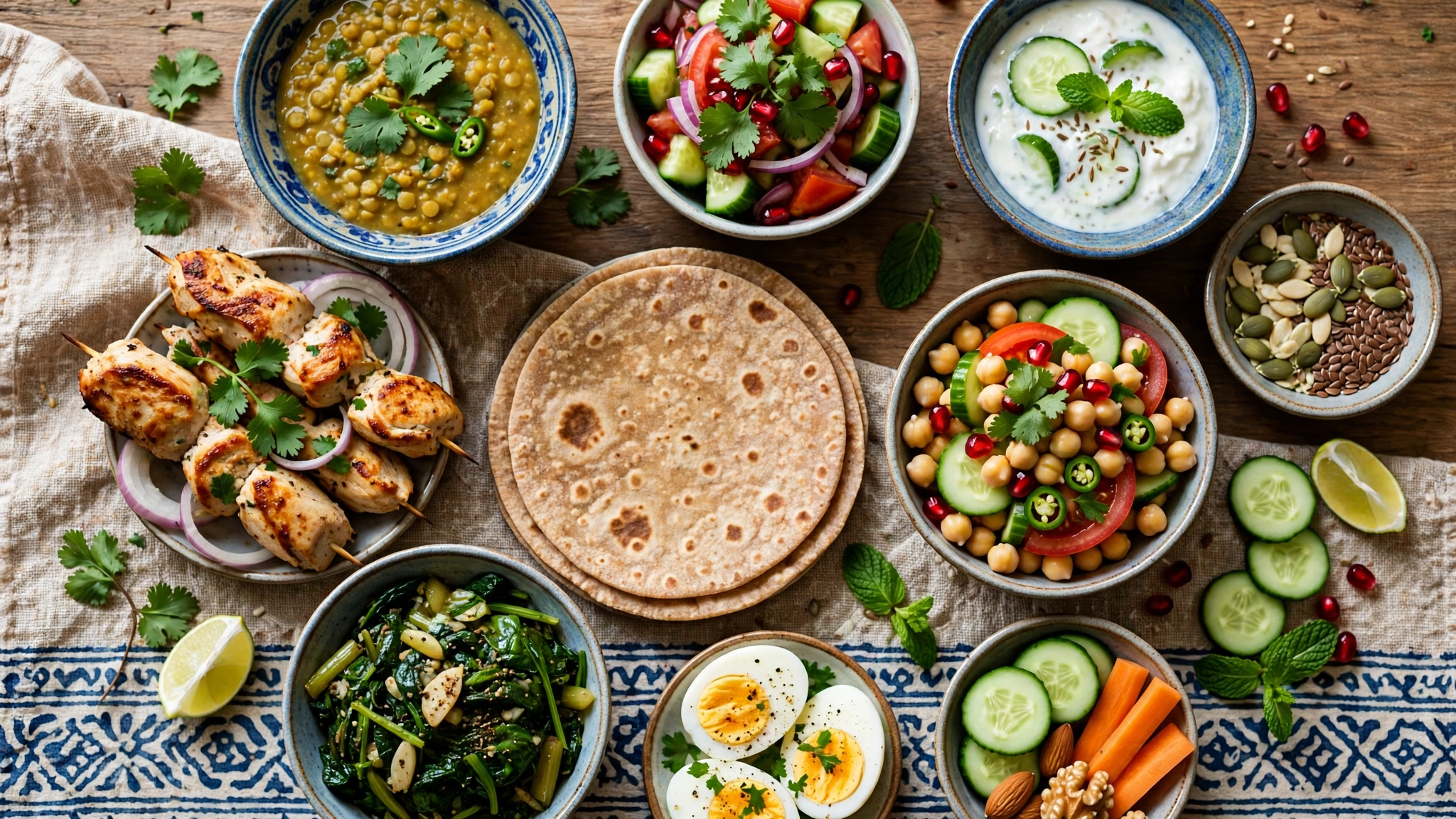
This is the easiest Pakistani diet plan for weight loss for beginners, because it changes how much you eat rather than what you eat. Use the plate method at lunch and dinner:
- Half the plate: sabzi, salad or kachumber
- A quarter of the plate: protein such as chicken, fish, daal, chana or eggs
- A quarter of the plate: one roti or a small cup of rice
- On the side: a small bowl of plain yoghurt or raita
Sample day:
- Breakfast: one whole wheat roti or two slices of brown bread, a boiled or lightly cooked egg omelette with onion, tomato and green chilli, and chai with half the usual sugar
- Mid-morning: one fruit, such as a guava, apple or orange
- Lunch: one roti, a bowl of daal, a large serving of mixed sabzi and salad
- Evening: a handful of roasted chana and green tea
- Dinner: chicken salan cooked in one or two tablespoons of oil for the whole pot, one roti, salad and raita
Best for: anyone who eats with family and wants a plan that does not require separate cooking.
2. The High-Protein Desi Plan
Protein keeps you full and protects muscle, which makes weight loss easier and helps you look toned rather than just smaller. This plan suits people who exercise or feel hungry all the time on normal diets.
Good protein sources in Pakistani kitchens:
- Eggs, chicken breast, fish and lean beef or mutton cuts
- Daal, chana, lobia and rajma
- Yoghurt, lassi without sugar and paneer
Sample day:
- Breakfast: two-egg omelette with vegetables and one roti
- Mid-morning: a bowl of plain yoghurt with cucumber
- Lunch: grilled chicken tikka or chicken karahi made with little oil, plus a large salad and half a roti
- Evening: chana chaat with onion, tomato, lemon and chaat masala, no papri or sweet chutney
- Dinner: fish or daal with sabzi and one small roti
3. The Reduced-Carb Roti and Rice Plan
Pakistani meals are very carb-heavy. Roti at every meal, rice at lunch and paratha at breakfast adds up quickly. This plan does not ban carbs. It simply cuts them back and replaces some with vegetables and protein.
- Limit yourself to one roti per meal, or two in the whole day for faster results
- Have rice no more than two or three times a week, in a small cup-sized portion
- Replace paratha with a plain roti or eggs and vegetables
- Fill the gap with salad, sabzi and protein
- Choose whole wheat or chakki atta over maida
Sample day: an omelette with vegetables for breakfast, chicken or daal with a large salad and no roti at lunch, roasted chana in the evening, and sabzi with daal and one roti for dinner.
4. The Desi Intermittent Fasting Plan (16:8)
Intermittent fasting means eating within a fixed window, such as 12 pm to 8 pm, and fasting for the remaining 16 hours. Many Pakistanis find it familiar because of Ramadan. It works mainly because a shorter eating window naturally reduces how much you eat.
- First meal around 12 pm: a full balanced plate, such as roti, daal, sabzi and yoghurt
- Snack around 4 pm: fruit or roasted chana
- Last meal before 8 pm: protein, sabzi and one roti
- During the fasting hours, drink water, plain tea or black coffee without sugar
This plan is not suitable for everyone. People with diabetes on medication, pregnant or breastfeeding women, and anyone with a history of eating disorders should avoid it unless a doctor approves.
5. The Budget-Friendly Weight Loss Plan
You do not need imported oats, avocados or protein powder to lose weight. Some of the cheapest foods in Pakistan are also among the healthiest.
- Affordable protein: daal, chana, eggs and yoghurt
- Affordable vegetables: seasonal sabzi such as lauki, tori, palak, gobi and bhindi, bought from the local market
- Affordable fruit: whatever is in season, such as guava, banana, kinnow or melon
- Affordable snacks: roasted chana and homemade popcorn with little oil
Sample day: omelette and roti for breakfast, daal chawal with a small rice portion and a large salad for lunch, a seasonal fruit in the evening, and lauki or mixed sabzi with one roti and yoghurt for dinner.
Which Plan Should You Choose?
| Plan | Best for | Difficulty |
|---|---|---|
| Balanced desi plate | Beginners, family cooking | Easy |
| High-protein desi | Active people, constant hunger | Moderate |
| Reduced-carb roti and rice | Heavy roti and rice eaters | Moderate |
| Intermittent fasting 16:8 | People who skip breakfast anyway | Moderate |
| Budget-friendly | Students, large families, tight budgets | Easy |
Smart Food Swaps for a Healthy Pakistani Diet
Small swaps, repeated daily, matter more than any single “diet food.” The calorie figures below are rough estimates, since recipes and portion sizes vary a lot from kitchen to kitchen.
| Instead of | Try | Approx. calories saved |
|---|---|---|
| Paratha with ghee | Plain whole wheat roti | 150 to 200 |
| Fried egg in oil | Boiled egg or omelette in a few drops of oil | 50 to 90 |
| Doodh patti with 2 spoons of sugar | Chai with half a spoon, or green tea | 30 to 60 per cup |
| Cold drink, 500 ml | Water, lemon water or unsweetened lassi | About 200 |
| Samosa or pakoras | Roasted chana or fruit chaat | 150 to 250 |
| Restaurant karahi swimming in oil | Home karahi with 1 to 2 tbsp oil for the pot | 200 to 400 |
| Full plate of biryani | One cup of biryani with raita and salad | 250 to 400 |
| Sweet lassi | Salted or plain lassi | 100 to 150 |
| Mithai after dinner | A seasonal fruit | 150 to 250 |
Cooking Tips That Cut Oil Without Cutting Taste
- Measure your oil with a tablespoon instead of pouring from the bottle.
- Use bhunao with a lid and a splash of water to cook masala instead of adding more oil.
- Use a non-stick pan for eggs and parathas.
- Grill, bake or air-fry tikka, fish and kebabs instead of deep frying.
- Skim the oil layer that rises to the top of salan before serving.
- Add flavour with spices, lemon, fresh coriander, mint and green chilli rather than extra ghee.
Staying on Track During Ramadan, Weddings and Dawats
Pakistani social life revolves around food. A good weight loss diet has to survive it, not avoid it.
Ramadan
Many people gain weight during Ramadan, mostly because of fried iftar items and heavy late-night meals.
- Sehri: eat slow-digesting foods such as eggs, yoghurt, roti or oats, and fruit. Drink plenty of water. Avoid very salty foods, which make you thirsty during the fast.
- Iftar: open with dates and water, then pause for prayer before eating a normal balanced meal.
- Limit fried items like pakoras and samosas to a couple of pieces, and skip sugary drinks like Rooh Afza with extra sugar on most days.
- Spread your water intake between iftar and sehri instead of drinking a large amount at once.
Weddings and Dawats
Shaadi season can undo months of effort if you are not careful, but you can still enjoy yourself.
- Eat a light, protein-rich snack before you leave home so you do not arrive starving at 11 pm.
- Fill half your plate with salad and raita first.
- Choose one main dish and take a modest portion rather than sampling everything.
- Pick roast or tikka over heavily oiled curries when you can.
- Take a small dessert portion and enjoy it slowly, instead of refusing everything and overeating later.
Eating With Family
You do not need to cook separately. Ask whoever cooks to use a little less oil, serve yourself first with a measured portion, and add a large salad. Over time, the whole family often starts eating healthier without a formal change.
The Reality Check: Illegal Weight Loss Shortcuts and Food Fraud
Weight loss is a huge business, and a lot of it is built on lies. These real cases show what to avoid while you follow an honest plan.
Fake Weight Loss Injections
Weight loss injections are now heavily promoted on Pakistani social media. In July 2023, the Drug Regulatory Authority of Pakistan issued a DRAP rapid alert on falsified GLP-1 injections, warning that fake versions were circulating. It noted that only one brand, Ozempic by Novo Nordisk, was registered at the time, and only as a prescription-only medicine for type 2 diabetes.
The lesson: never buy injections from Instagram sellers, WhatsApp groups or anyone without a pharmacy licence. A fake product may contain the wrong drug, the wrong dose or contaminated contents.
Illegal Online Sale of Slimming Medicines
DRAP has since gone further, asking the Pakistan Telecommunication Authority to block websites and social media pages selling medicines illegally, including weight loss products. According to DRAP, selling weight loss medicines online without a prescription is illegal, and sellers face fines, product seizure and prosecution.
“Herbal” Slimming Products With Hidden Drugs
Many products sold as natural slimming teas, coffees and capsules have been found to contain sibutramine, a drug withdrawn from major markets because of heart attack and stroke risk. The US Food and Drug Administration has repeatedly warned about products like Detoxi Slim, which it first flagged in 2019 and which still contained hidden sibutramine in testing reported in July 2026. Similar products are regularly smuggled or sold online in Pakistan with “100% herbal” labels.
The lesson: a product that promises fast weight loss without any change to diet is either useless or contains something dangerous.
Deceptive Diet Business Schemes
In 2016, the nutrition company Herbalife agreed to pay $200 million to settle US Federal Trade Commission charges that it deceived people about how much money they could earn selling its shakes and supplements, and it was ordered to restructure its US business. Diet product schemes built on recruiting friends and family remain common online, including in Pakistan.
The lesson: if someone selling you a diet shake is more interested in recruiting you than in your health, walk away.
Adulterated Milk, Ghee and Oil
Food fraud affects your diet even when you cook at home. Provincial food authorities in Pakistan, such as the Punjab Food Authority, regularly report raids where they seize and destroy adulterated milk and substandard cooking oil and ghee. Adulterated products can be watered down, chemically treated or made from poor-quality fats.
The lesson: buy milk, ghee and oil from trusted, licensed sellers, check packaging and expiry dates, and report suspicious products to your provincial food authority.
Who Should Talk to a Doctor Before Starting a Diet
The plans in this guide are general and suitable for most healthy adults, but some people need personalised advice first. Speak to a doctor or registered dietitian before changing your diet if you:
- Have type 1 or type 2 diabetes, especially if you take insulin or tablets that lower blood sugar
- Have high blood pressure, heart disease or kidney problems
- Are pregnant or breastfeeding
- Have thyroid problems or PCOS, which are common and can affect weight
- Are under 18 or over 65
- Have a current or past eating disorder, or find that dieting makes you anxious or obsessed with food
Warning Signs That a Diet Is Too Extreme
Stop and seek advice if you notice dizziness, constant fatigue, hair loss, missed periods, fainting, or an intense preoccupation with food and your weight. A healthy plan should leave you with steady energy, not exhausted. Crash diets that slash food drastically usually lead to muscle loss, nutrient deficiencies and rapid weight regain.
Common Mistakes on a Pakistani Weight Loss Diet
Most people do not fail because the plan is wrong. They fail because of a few predictable habits:
- Skipping meals, then overeating at night. Missing lunch often leads to a huge dinner and late-night snacking.
- Drinking your calories. Sugary chai, cold drinks, packaged juices and sweet lassi can add hundreds of calories without filling you up.
- Assuming “desi ghee is healthy” means unlimited. Even traditional fats are calorie dense. Use them in small amounts.
- Trusting “diet” labels blindly. Diet biscuits, cereal bars and “sugar-free” mithai often carry plenty of calories.
- Cutting out whole food groups. Banning roti or rice completely rarely lasts. Reducing portions works better long term.
- Weighing yourself every day. Weight swings with water, salt and hormones. Weigh once a week, at the same time.
- Ignoring sleep and movement. Poor sleep increases cravings, and a daily walk makes any diet work better.
- Following influencer diets. Many fitness influencers promote products they are paid to sell. Check claims against trusted health sources.
Conclusion
The best diet plans for weight loss suited to Pakistani meals do not ask you to abandon roti, daal or family dinners. Instead, they work through a steady calorie deficit built on smaller portions, less oil and ghee, more protein and fibre, and far less sugar, whether you choose the balanced desi plate, the high-protein plan, the reduced-carb roti and rice approach, 16:8 intermittent fasting or the budget-friendly plan. Simple swaps such as roti for paratha, roasted chana for samosas and water for cold drinks add up quickly, and a little planning keeps you on track through Ramadan, weddings and dawats. At the same time, stay clear of the shortcuts that regulators keep exposing, from falsified injections flagged by DRAP and illegal online slimming medicines to sibutramine-laced herbal pills, deceptive diet business schemes and adulterated food, and speak to a doctor first if you have diabetes, heart problems, pregnancy or a history of disordered eating, because slow, honest progress is the kind that lasts.