Best Ways to Stay Hydrated During Pakistan’s Extreme Summer Heat
Smart ways to stay hydrated in Pakistan's extreme summer heat, from ORS and lassi to safe water, with warnings on unsafe bottled water and heatstroke.
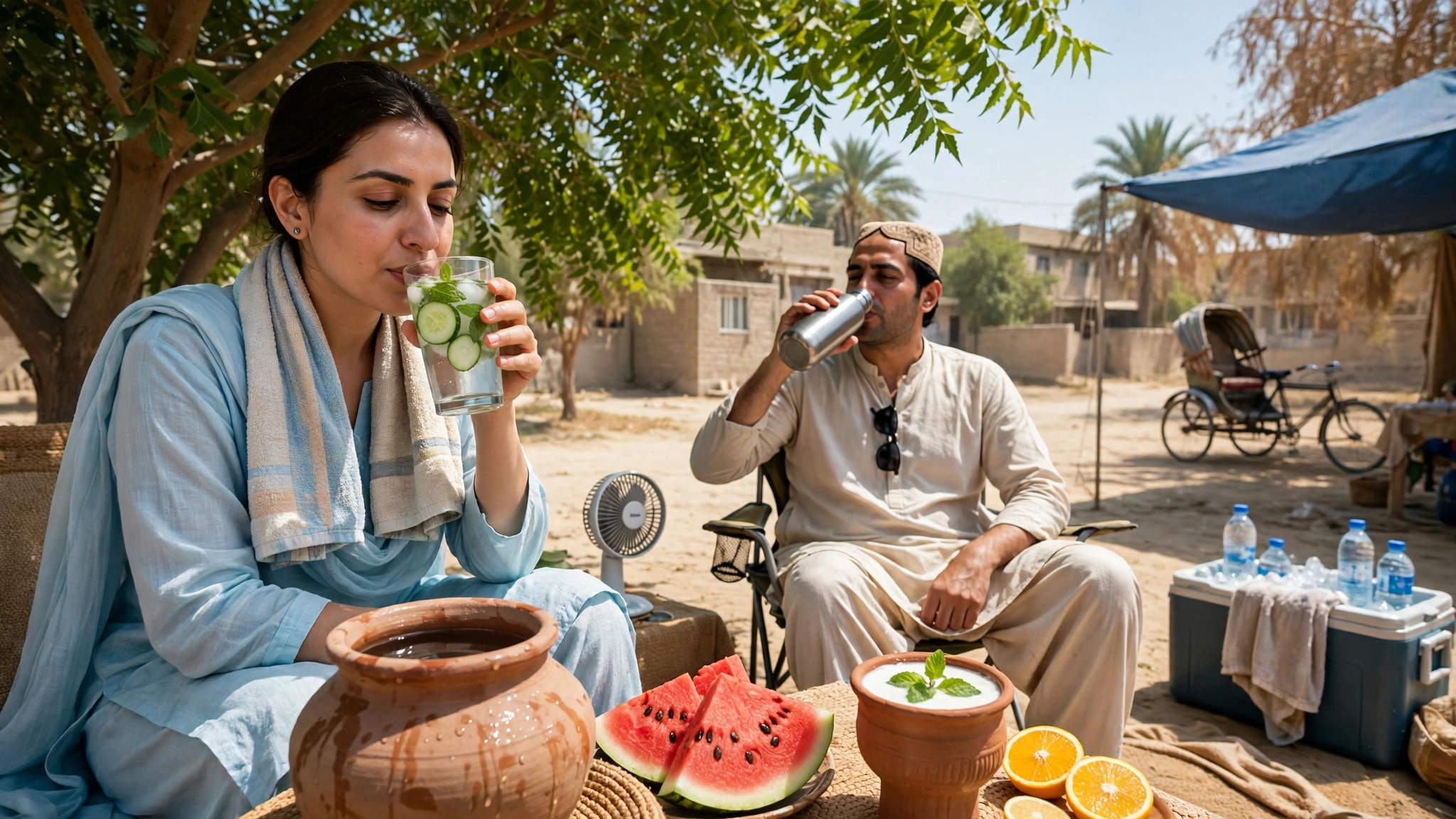
Best Ways to Stay Hydrated During Pakistan’s Extreme Summer Heat: 10 Proven, Lifesaving Tips
Introduction
The best ways to stay hydrated during Pakistan’s extreme summer heat are not complicated, but getting them wrong can be deadly. From May to September, temperatures in Jacobabad, Sibi, Dadu, Multan and much of Punjab and Sindh regularly climb past 45°C, and sometimes past 50°C. Karachi’s humid heat feels heavier than the thermometer suggests. Add load shedding that switches off fans and coolers, long hours outdoors for labourers and commuters, and water shortages in many neighbourhoods, and dehydration becomes a real, everyday risk.
Most people know they should “drink more water.” Fewer know how much is enough, why plain water alone is sometimes not enough after heavy sweating, which traditional drinks genuinely help, and which popular habits quietly make dehydration worse. Even fewer realise that the water itself can be the problem, with unsafe bottled water brands, illegal tanker supply and contaminated ice all documented in Pakistan.
This guide covers practical hydration habits for Pakistani conditions: how much to drink, the role of ORS, lassi, lemon water and seasonal fruit, special advice for outdoor workers, children, older people and those fasting in Ramadan, and how to make water safe at home. It also explains the warning signs of dehydration and heatstroke, and what to do in the first few critical minutes.
Heat illness is preventable. A little planning each day can protect you and your family through the hardest months of the year.
Why Pakistan’s Heat Is So Dangerous and How Dehydration Happens
Pakistan is one of the countries most exposed to extreme heat. The country’s deadliest recent example came in June 2015, when a heatwave combined with power outages and water shortages struck Sindh. According to Dawn’s report on the 2015 Sindh heatwave toll, the death toll reached 1,242, most of them in Karachi. In June 2024, during Karachi’s longest heatwave since then, the government reported 49 deaths, while the Edhi Foundation said its morgues received about 1,309 bodies in under two weeks, roughly three times the usual number. The true toll of heat is often hidden because deaths are recorded as heart attacks or strokes.
How Your Body Loses Water in the Heat
Your body cools itself mainly by sweating. In extreme heat, especially during physical work, you can lose more than a litre of sweat an hour. Sweat carries away both water and electrolytes like sodium and potassium. If you do not replace them, your blood volume drops, your heart works harder and your body struggles to cool down.
Humidity makes this worse. In coastal cities like Karachi, sweat does not evaporate easily, so it cools you less even as you keep losing fluid.
Who Is Most at Risk
- Labourers, farmers, rickshaw and delivery drivers, traffic police and others working outdoors
- Babies and young children, who dehydrate quickly
- Older people, who often feel less thirsty
- People with diabetes, heart disease, kidney disease or high blood pressure
- People taking diuretics or certain other medicines
- Pregnant women
- People living in homes without fans, ventilation or reliable electricity
The WHO fact sheet on heat and health notes that heat stress can worsen existing heart, lung and kidney conditions, and that many heat-related deaths are preventable with early action.
10 Proven Ways to Stay Hydrated During Pakistan’s Extreme Summer Heat
These habits work for most healthy adults. People with heart or kidney disease, or anyone told to limit fluids, should follow their doctor’s advice on how much to drink.
1. Drink Before You Feel Thirsty
Thirst is a late signal, especially in older people. Sip water steadily through the day instead of waiting until your mouth is dry. Keep a bottle with you at work, in the car and by your bed.
2. Use Your Urine Colour as a Guide
The simplest hydration check is the colour of your urine. Pale yellow, like light lemon juice, usually means you are well hydrated. Dark yellow or amber means you need more fluids. Passing very little urine is a warning sign.
3. Increase Fluids When You Sweat
There is no single number that fits everyone, but in extreme heat most adults need noticeably more than their usual intake. Outdoor workers are often advised by occupational health agencies to drink about one cup of water every 15 to 20 minutes while working in the heat, without exceeding roughly one and a half litres in an hour, since drinking far too much plain water quickly can also be harmful.
4. Replace Salts With ORS After Heavy Sweating
When you sweat heavily for hours, plain water alone may not be enough. Oral rehydration solution (ORS) replaces both water and salts. It is cheap, widely available in Pakistani pharmacies and should be in every home in summer. Mix it exactly as the packet says, with clean water.
5. Choose Lassi and Other Traditional Drinks Wisely
Several desi drinks are genuinely hydrating:
- Namkeen lassi provides fluid, a little salt and protein.
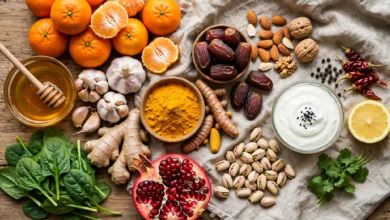
- Lemon water (shikanjvi) with a pinch of salt and only a little sugar is refreshing and replaces some salt.
- Sattu sharbat (roasted gram flour drink), common in some areas, provides fluid and energy.
- Coconut water contains potassium and is a good occasional choice.
Keep added sugar low. Very sweet drinks are not ideal when you are dehydrated.
6. Eat Water-Rich Seasonal Foods
Summer fruit and vegetables contribute a surprising amount of fluid:
- Watermelon (tarbooz) and melon (kharbooza)
- Cucumber (kheera) and tomatoes
- Lauki, tori and other summer gourds
- Yoghurt and raita
- Oranges, falsa and jamun in season
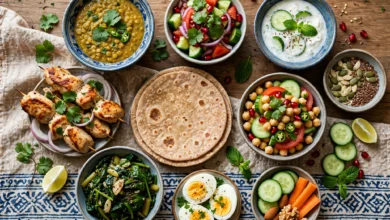
A bowl of fruit and a plate of salad with meals helps keep fluid levels up.
7. Start the Day Hydrated
Drink a glass or two of water when you wake up, especially if you are heading out to work. Many people leave home already slightly dehydrated after a hot night.
8. Time Your Outdoor Activity
Avoid strenuous work, sports or long errands between 11 am and 4 pm when possible. Exercise early in the morning or after sunset, and take regular breaks in the shade.
9. Dress for the Heat
Wear loose, light-coloured cotton clothes, cover your head with a cap, dupatta or chadar in direct sun, and use an umbrella when walking. This reduces how much you sweat and how fast you lose fluid.
10. Keep Your Home Cooler
Close curtains during the day, open windows at night when it is cooler, use wet cloths or sheets near windows and fans, and spend the hottest hours in the coolest room. If your home gets dangerously hot during load shedding, consider spending part of the day in a cooler place like a mosque, relative’s home or public building.
Drinks to Limit and Common Hydration Myths
Not every cold drink helps you in the heat. Some feel refreshing but leave you worse off.
Drinks to Limit
| Drink | Why to limit it | Better choice |
|---|---|---|
| Fizzy cold drinks | High sugar, little real hydration benefit | Water or lemon water with little sugar |
| Energy drinks | Caffeine and sugar, can raise heart rate | ORS or coconut water after heavy sweating |
| Very sweet sharbat and packaged juices | Large sugar load, especially risky for diabetics | Whole fruit plus water |
| Many cups of strong chai or coffee | Adds caffeine and often sugar | Limit to normal amounts, drink water alongside |
| Roadside drinks with unknown ice | Risk of contaminated water | Drinks made with boiled or filtered water |
Hydration Myths in Pakistan
- “Cold water in the heat causes illness.” Cool water is fine and can help lower body temperature. Contaminated water, not cold water, is the real danger.
- “If I’m not thirsty, I’m hydrated.” Thirst often lags behind your body’s needs, particularly in older people and children.
- “Sports drinks are always better than water.” For most people, water plus normal meals is enough. ORS is a better, cheaper choice when salt replacement is needed.
- “Sweating a lot means I’m burning fat.” Sweat is mostly water. Weight lost in the heat comes back when you rehydrate.
- “More water is always better.” Drinking huge amounts of plain water very quickly, especially without food or salt, can dangerously lower sodium levels. Steady intake is safer than gulping litres at once.
Hydration Tips for High-Risk Groups
Some people need extra care because their bodies handle heat less efficiently or their work leaves them more exposed.
Outdoor Workers
Construction workers, farmers, brick kiln labourers, drivers, vendors and traffic police face the highest exposure. Employers and workers can reduce risk by:
- Providing cool, clean drinking water close to the work site
- Scheduling heavy work in the early morning and evening
- Allowing regular shaded rest breaks, more often on the hottest days
- Keeping ORS available on site
- Watching new workers closely, since people who are not used to the heat are at higher risk in their first days
- Teaching everyone the signs of heatstroke and how to call 1122
Babies and Children
- Breastfed babies under six months usually need only extra breastfeeds, not water. Ask a doctor before giving other fluids.
- Offer older children water regularly, especially during play.
- Never leave a child in a parked car, even for a few minutes.
- Watch for fewer wet nappies, crying without tears, unusual sleepiness or a dry mouth.
Older People
Older adults often feel less thirsty and may avoid drinking to reduce bathroom trips. Remind them to drink regularly, keep water within reach, and check on elderly relatives and neighbours living alone, especially during power outages.
People With Medical Conditions
People with diabetes, heart disease or kidney disease, and those taking diuretics or blood pressure medicines, should ask their doctor how much fluid is safe and whether medicine doses need adjusting in summer.
Fasting in Ramadan During Summer
When Ramadan falls in the hot months, long fasts make hydration harder.
- Spread water intake between iftar and sehri rather than drinking a large amount at once.
- Include water-rich foods like watermelon, cucumber and yoghurt at iftar and sehri.
- Limit salty and fried foods, which increase thirst.
- Avoid heavy outdoor work during the hottest hours when possible.
- Islamic scholars recognise that people at real risk of harm, including the sick and those facing dangerous heat exposure, may have exemptions. Anyone showing signs of heatstroke should break the fast and get help.
The Reality Check: Unsafe Water and Illegal Supply
Drinking more fluids only protects you if those fluids are safe. In Pakistan, several documented problems make water safety part of hydration itself.
Bottled Water Brands Repeatedly Found Unsafe
The Pakistan Council of Research in Water Resources (PCRWR) tests bottled and mineral water brands every quarter against national quality standards. The results are consistently worrying. In its April to June 2025 testing, reported by Dawn’s coverage of the PCRWR bottled water report, 23 brands were declared unsafe because of bacterial contamination, high arsenic or excess sodium. For July to September 2025, the council tested 205 samples from 21 cities and found 26 brands unfit for drinking, including 17 contaminated with bacteria and several with arsenic above permissible limits.
Selling contaminated water as safe drinking water is a violation of food safety and quality laws, yet many of these small brands continue to appear in shops, offices and roadside stalls.
The lesson: a sealed bottle is not proof of safety. Check the latest PCRWR list on its website before trusting a brand you do not know, and prefer established brands from reliable shops.
Illegal Hydrants and the Tanker Business
In Karachi and other cities, water shortages have fed an illegal trade in which water is stolen from the public supply through unauthorised hydrants and sold through tankers. Authorities have repeatedly run crackdowns to demolish illegal hydrants. Beyond the injustice of selling stolen water to people who cannot get piped supply, water from unregulated sources may not be properly treated.
The lesson: treat tanker water as unsafe for drinking unless you boil or properly filter it.
Contaminated Ice and Roadside Drinks
Ice sold for gola ganda, sugarcane juice and roadside sherbets is often made with untreated water and transported in unhygienic conditions. Provincial food authorities regularly seize drinks made with non-food-grade colours and sweeteners. In peak summer, these are a common source of diarrhoea, typhoid and hepatitis, which dehydrate you even further.
The lesson: if you enjoy roadside drinks, choose busy, clean stalls, skip the ice when in doubt, and avoid drinks with unusually bright artificial colours.
How to Make Drinking Water Safe at Home
Safe drinking water is the foundation of summer hydration. These steps protect your family whether water comes from a tap, a tanker, a bore or a filtration plant.
Practical Water Safety Steps
- Boil water at a full rolling boil for at least one minute, then let it cool in a clean, covered container. This kills most germs, though it does not remove chemicals like arsenic.
- Use a good filter if you can afford one. Reverse osmosis (RO) systems can reduce arsenic and dissolved salts, but they need regular servicing or they can become contaminated themselves.
- Use chlorine tablets or drops as an emergency option, following the packet instructions exactly.
- Store water properly in clean, covered containers. Use a ladle or tap instead of dipping cups or hands into the container.
- Clean your overhead and underground tanks at least every few months, and keep them covered.
- Make ice from boiled or filtered water at home instead of buying loose ice.
- Check community filtration plants for cleanliness and regular maintenance before relying on them.
A Simple Daily Hydration Routine
| Time | What to drink or eat |
|---|---|
| On waking | One to two glasses of water |
| Breakfast | Water or namkeen lassi, plus fruit |
| Mid-morning | Water every hour; ORS if working outdoors and sweating heavily |
| Lunch | Water, salad, raita and seasonal fruit |
| Afternoon | Lemon water with little sugar, or coconut water |
| Evening | Water, watermelon or melon |
| Dinner | Water with a light, not too salty meal |
| Before bed | A glass of water |
Warning Signs of Dehydration and Heatstroke
Knowing the difference between mild dehydration, heat exhaustion and heatstroke can save a life. Heatstroke is a medical emergency in which the body can no longer cool itself.
| Condition | Common signs | What to do |
|---|---|---|
| Mild dehydration | Thirst, dry mouth, dark urine, tiredness, headache | Drink water or ORS, rest in shade |
| Heat exhaustion | Heavy sweating, weakness, dizziness, nausea, cramps, cool clammy skin | Move to a cool place, loosen clothes, sip ORS, apply wet cloths; get help if no improvement within an hour |
| Heatstroke | Very high body temperature, confusion, slurred speech, fainting, seizures, hot skin that may be dry, collapse | Call 1122 or rush to hospital; cool the person immediately |
First Aid for Heatstroke While Waiting for Help
- Call 1122 where available, or get the person to a hospital as fast as possible.
- Move them to shade or the coolest place nearby.
- Remove excess clothing.
- Cool them quickly by wetting the skin with water and fanning them, or placing cold, wet cloths or ice packs on the neck, armpits and groin.
- Do not force fluids into someone who is confused or unconscious, as they may choke.
- Stay with them and keep cooling until medical help takes over.
Signs of Dehydration in Children
- Fewer wet nappies or not urinating for many hours
- Crying without tears
- Dry lips and mouth
- Sunken eyes or a sunken soft spot on a baby’s head
- Unusual sleepiness, irritability or floppiness
Children with these signs need ORS and prompt medical advice. A child who is very drowsy, unable to drink or breathing fast needs urgent care.
Conclusion
The best ways to stay hydrated during Pakistan’s extreme summer heat come down to steady, sensible habits: drink before you feel thirsty, check your urine colour, increase fluids when you sweat, use ORS after heavy sweating, choose namkeen lassi, lemon water and coconut water over sugary cold drinks and energy drinks, eat water-rich foods like watermelon and cucumber, avoid the midday sun, dress in loose cotton and keep your home as cool as you can. Outdoor workers, children, older people, people with chronic illness and those fasting in summer need extra care, and everyone should know the signs of heatstroke and how to act fast. With heatwaves like Karachi’s 2015 disaster and the disputed 2024 toll showing how deadly the heat can be, and PCRWR testing repeatedly finding bottled water brands contaminated with bacteria and arsenic, making sure your water is safe through boiling, filtering, clean storage and trusted brands is just as important as drinking enough of it.