Top Home Remedies for Common Illnesses in Pakistan
Safer, evidence-based home remedies for colds, coughs, diarrhoea and fever in Pakistan, plus warning signs and real cases of fake cures and bad drugs.
Top Home Remedies for Common Illnesses in Pakistan: 12 Safe, Proven Fixes and Warning Signs
Introduction
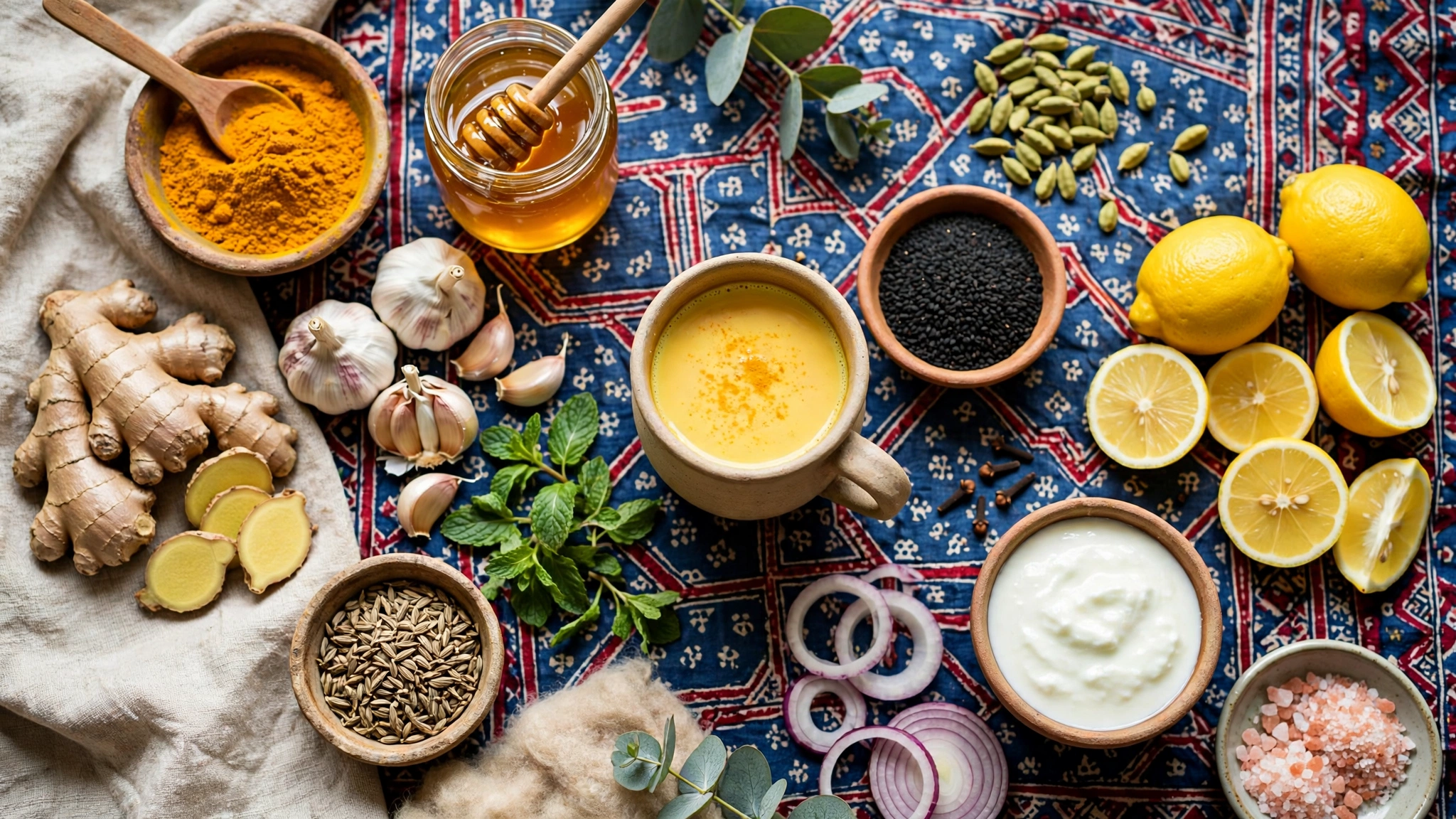
Home remedies for common illnesses in Pakistan are passed down in almost every family. Nani recommends haldi doodh for a cough, ammi swears by ajwain for a stomach ache, and someone always suggests saunf, adrak or a spoon of honey. Many of these traditions are genuinely helpful for mild problems, and in a country where clinic visits cost time and money, sensible self-care at home matters.
But not every desi totka is safe. Some delay proper treatment for serious infections like typhoid or dengue. Others, like applying toothpaste or ghee to burns or giving honey to newborns, can cause real harm. And in the background sits a bigger problem: fake cures, unregistered herbal products and substandard medicines that have, in some well-documented cases, killed patients.
This guide sorts the useful from the risky. It covers practical, evidence-based home care for the illnesses Pakistani families face most often, including colds, coughs, sore throats, fever, diarrhoea, acidity, constipation, heat exhaustion and minor burns. It explains where home remedies stop and a doctor is essential, lists harmful remedies to avoid, and describes real cases of contaminated medicines and fake cures so you know what to watch out for.
This article is general health information, not a diagnosis. If you are unsure, worried, or caring for a baby, an elderly relative or someone with a long-term illness, speak to a doctor early.
When Home Remedies Help and When They Do Not
Most minor illnesses, like a common cold or a mild upset stomach, are caused by viruses or temporary irritation and get better on their own in a few days. In these cases, natural home remedies do not “cure” the illness. What they do is ease symptoms, keep you hydrated and comfortable, and support your body while it recovers.
Home Care Works Well For
- Common colds and mild flu-like symptoms in otherwise healthy adults
- Mild sore throat and cough
- Short episodes of loose motions without warning signs
- Occasional acidity, gas or constipation
- Mild heat exhaustion caught early
- Small, superficial burns and minor cuts
- Tension headaches
Home Care Is Not Enough For
- High or persistent fever, especially during dengue and malaria season
- Breathing difficulty, chest pain or confusion
- Diarrhoea with blood, or signs of dehydration in children and older adults
- Any illness in a newborn or young baby
- Symptoms in people with diabetes, heart disease, kidney disease, pregnancy or a weak immune system
A simple rule: if symptoms are severe, getting worse, or not improving after two to three days, see a doctor. A full list of warning signs appears near the end of this article.
12 Top Home Remedies for Common Illnesses in Pakistan
These remedies are simple, cheap and supported by medical advice or long, safe traditional use. Each one comes with a note on its limits.
1. Rest and Fluids for Colds and Flu
The most effective home remedy for cold and flu is also the most boring: rest, plenty of fluids and time. Warm water, yakhni, soups and herbal teas keep you hydrated and loosen mucus. Most colds clear within 7 to 10 days. Antibiotics do not work against colds and flu, which are caused by viruses.
2. Honey for Cough (Over Age One Only)
A spoon of honey, alone or in warm water with lemon, can soothe a cough and sore throat in adults and children over one year old. Research supports honey for night-time cough in children. Never give honey to babies under 12 months because of the risk of infant botulism, a rare but serious illness.
3. Salt Water Gargles for Sore Throat
Dissolve about half a teaspoon of salt in a glass of warm water and gargle several times a day. It can ease pain and swelling. Warm drinks, adrak chai and lozenges also help. A sore throat with high fever, white patches, a skin rash or difficulty swallowing needs a doctor.
4. Steam Inhalation for a Blocked Nose
Breathing in steam from a bowl of hot water can loosen a blocked nose for some people. Be very careful: steam burns are common, especially among children. Never let children do steam inhalation unsupervised, and keep the bowl on a stable surface.
5. Cooling Measures for Mild Fever
For mild fever, wear light clothes, drink plenty of fluids and rest. Lukewarm sponging can make you more comfortable. Avoid cold water or ice baths, which can cause shivering. If you use paracetamol, follow the label or your doctor’s dose carefully, especially for children, and do not combine products that both contain paracetamol.
6. ORS for Diarrhoea
Oral rehydration solution (ORS) is one of the most important health tools in Pakistan, where diarrhoea is a leading cause of illness in children. The WHO fact sheet on diarrhoeal disease explains that ORS and zinc supplements are the cornerstones of treatment, and that most deaths from diarrhoea are caused by dehydration.
- Use packaged ORS sachets from a pharmacy, mixed exactly as instructed with clean, boiled and cooled water.
- If sachets are unavailable, a common emergency recipe is one litre of clean water with six level teaspoons of sugar and half a level teaspoon of salt.
- Keep eating normal, light food such as khichri, yoghurt, bananas and rice.
- For children, doctors often prescribe zinc for 10 to 14 days. Ask before giving it.
7. Saunf, Ajwain and Ginger for Gas and Indigestion
Saunf (fennel) after meals, ajwain water and ginger tea are traditional remedies for bloating and gas. Ginger has reasonable evidence for easing nausea. These are generally safe in normal food amounts, but persistent stomach pain is a reason to see a doctor.
8. Lifestyle Changes for Acidity and Heartburn
For occasional acidity, smaller meals, avoiding lying down for two to three hours after eating, cutting back on fried and spicy food, tea and cold drinks, and raising the head of the bed can help. A glass of cold milk gives short-term relief to some people. Frequent heartburn, vomiting blood, black stools or difficulty swallowing need medical attention.
9. Isabgol, Fibre and Water for Constipation
Isabgol (psyllium husk) with plenty of water is a well-supported, gentle remedy for constipation. Eating more fruit, vegetables, daal and whole wheat atta, drinking enough water and walking daily also help. Always take isabgol with enough water to avoid choking or blockage.
10. Shade, Fluids and Cooling for Heat Exhaustion
Pakistan’s summers make heat illness common. Signs of heat exhaustion include heavy sweating, weakness, dizziness, headache and nausea. Move to a cool, shaded place, loosen clothing, sip water or ORS, and apply wet cloths. If the person becomes confused, stops sweating, faints or has a very high temperature, it may be heatstroke, a medical emergency. Call 1122 where available or go to a hospital immediately.
11. Cool Running Water for Minor Burns
For a small burn, hold it under cool (not ice-cold) running water for about 20 minutes, remove rings or tight items nearby, and cover it loosely with a clean cloth or cling film. Large burns, burns on the face, hands or genitals, and any burn in a young child need medical care.
12. Rest, Water and Fresh Air for Tension Headaches
Many headaches come from dehydration, skipped meals, poor sleep, stress or long screen time. Drink water, eat something light, rest in a dark, quiet room and take breaks from screens. A sudden, severe or “worst ever” headache, or one with fever, stiff neck, weakness or vision changes, needs emergency care.
Dengue, Malaria and Typhoid: Where Home Remedies Stop
These three illnesses cause fever and are common in Pakistan, and all three can be dangerous if treated only at home. This is where many families lose precious time trying totkay.
Dengue
Dengue spreads through mosquito bites and peaks after the monsoon. There is no specific medicine that cures it, so care focuses on rest, fluids and close monitoring.
- Use paracetamol only for fever, as advised. Avoid aspirin, ibuprofen and similar painkillers, which can increase bleeding risk.
- Drink plenty of fluids, including ORS, water, soups and coconut water.
- Papaya leaf juice is widely promoted in Pakistan for raising platelets. A few small studies exist, but it is not a proven treatment and should never replace medical monitoring.
- Watch for warning signs, which often appear as the fever is going down: severe stomach pain, repeated vomiting, bleeding gums or nose, black stools, extreme tiredness or restlessness. Go to a hospital immediately if any appear.
Malaria
Malaria needs a blood test and specific antimalarial treatment. No herbal remedy cures it. Fever with chills and sweating, especially after travel to or living in high-risk areas, should be tested promptly.
Typhoid
Typhoid spreads through contaminated food and water. Pakistan has faced an outbreak of extensively drug-resistant (XDR) typhoid since 2016, which does not respond to many common antibiotics. This makes self-medicating with leftover antibiotics especially dangerous: it wastes time, fuels resistance and may not work at all.
- Get tested if fever lasts more than a few days, especially with stomach pain, weakness or loss of appetite.
- Complete the full antibiotic course your doctor prescribes.
- Ask about the typhoid conjugate vaccine, which Pakistan added to its routine childhood immunisation programme.
- Drink boiled or safe water and wash hands before eating.
Desi Totkay to Avoid: Harmful Home Remedies
Some popular remedies do more harm than good. These are worth dropping, however confidently they are recommended.
- Toothpaste, ghee, butter, egg white or ice on burns. These trap heat, increase infection risk or damage skin further. Use cool running water instead.
- Honey, ghutti or sugar water for newborns. Honey can cause infant botulism, and anything other than breast milk or doctor-advised formula in the first six months can introduce infection.
- Surma or kajal in babies’ eyes. Some traditional surma has been found to contain lead, which is toxic, especially for children.
- Stopping food and fluids during diarrhoea. This increases dehydration. Keep feeding and give ORS.
- Leftover or shop-bought antibiotics without a prescription. They do nothing for viral infections and drive drug resistance, including the XDR typhoid seen in Pakistan.
- Aspirin or ibuprofen during suspected dengue. These can raise bleeding risk.
- Kerosene, mustard oil or strong pastes rubbed on a feverish child. These can irritate or burn the skin and do not lower fever.
- Putting oil, garlic or other substances in the ear for earache. This can worsen infection, especially if the eardrum is damaged.
- Unlabelled “desi” powders or kushtas. Some traditional preparations have been found to contain heavy metals like lead and mercury.
If an elder in the family insists on one of these, it can help to explain gently that doctors have learned more about what is safe, and suggest a safer alternative from this guide.
The Reality Check: Contaminated Medicines and Fake Cures
Home remedies are not the only risk in self-care. Medicines and “natural” products themselves can be dangerous when manufacturing is careless or sellers are dishonest. These real cases are worth knowing.
The Isotab Tragedy in Lahore
In late 2011 and early 2012, heart patients who had received free medicines from the Punjab Institute of Cardiology began arriving at Lahore hospitals with bleeding, dark skin marks and dangerously low platelets. Doctors first suspected dengue. Investigations found that a heart drug called Isotab, made by a Karachi company, had been contaminated with large amounts of pyrimethamine, an anti-malarial drug. According to Dawn’s report on the WHO findings, the WHO linked the contaminated medicine to more than 200 deaths and said a 25 kg drum of pyrimethamine had been mixed into a batch during manufacturing. The disaster led the Supreme Court to direct the creation of a central regulator, and the Drug Regulatory Authority of Pakistan was established in 2012.
The lesson: even registered medicines can fail. If you notice unusual symptoms after starting a new medicine, report them to your doctor quickly.
Contaminated Cough Syrups in the Region
In 2022, the WHO linked cough syrups contaminated with toxic industrial chemicals to the deaths of dozens of children in The Gambia, followed by similar cases in other countries. The syrups had been made by a manufacturer in India. These cases led to global alerts about substandard children’s medicines.
The lesson: buy children’s medicines only from licensed pharmacies, check packaging and batch numbers, and avoid unknown brands sold cheaply in small shops.
Bleach Sold as a Miracle Cure
During the pandemic, a Florida family sold a product called Miracle Mineral Solution, which turned into industrial bleach when swallowed, as a cure for COVID-19 and many other diseases. They were convicted in 2023, and two of them received prison sentences of more than 12 years, as reported in ABC News coverage of the Grenon sentencing.
The lesson: a product that claims to cure dozens of unrelated diseases is a scam, however “natural” or religious its marketing sounds.
Unregistered Herbal Products and Adulterated Food in Pakistan
Pakistan’s drug regulator has repeatedly warned against unregistered health products sold online, and provincial food authorities regularly seize fake honey and spices mixed with colours and sawdust. A home remedy is only as safe as its ingredients, so buy honey, haldi and other remedy ingredients from trusted sources.
A Basic Home Health Kit for Pakistani Families
Having a few essentials ready means you can act quickly and sensibly when someone falls ill, instead of rushing to a shop late at night.
What to Keep at Home
| Item | Used for | Note |
|---|---|---|
| ORS sachets | Diarrhoea, vomiting, heat exhaustion | Check expiry; mix exactly as instructed |
| Paracetamol (adult and child forms) | Fever, pain | Follow label or doctor’s dose |
| Digital thermometer | Checking fever | More reliable than touch |
| Isabgol | Constipation | Take with plenty of water |
| Honey | Cough and sore throat | Not for babies under one year |
| Clean gauze, bandages and tape | Minor cuts and burns | Keep sealed and dry |
| Antiseptic solution | Cleaning small wounds | Use as directed |
| Mosquito repellent and nets | Dengue and malaria prevention | Especially after monsoon |
| Emergency numbers list | Emergencies | 1122, 115 and your family doctor |
Safe Medicine Habits
- Buy from licensed pharmacies and keep receipts. Avoid loose tablets sold without packaging.
- Check the batch number and expiry date before use.
- Never share prescription medicines or use leftover antibiotics.
- Do not double up. Many cold and flu products already contain paracetamol, so taking extra paracetamol can cause an accidental overdose.
- Store medicines safely out of children’s reach, away from heat and sunlight.
- Tell your doctor about herbal products you take, since some interact with medicines.
Red-Flag Symptoms: Stop Home Treatment and See a Doctor
Home remedies are for mild illness. Seek medical care promptly, and call 1122 or go to an emergency department for the most serious signs, if you notice any of the following.
In Adults
- Fever above 39°C (102°F), or any fever lasting more than three days
- Difficulty breathing, chest pain or a bluish tint to the lips
- Confusion, fainting, a seizure or severe drowsiness
- A sudden, severe headache or a stiff neck with fever
- Vomiting that will not stop, or vomiting blood
- Blood in stools or black, tarry stools
- Signs of dehydration: very little urine, dizziness on standing, extreme thirst
- Bleeding from gums or nose, or new bruising, during a fever
In Children
- Any fever in a baby under three months old
- Refusing to drink or breastfeed
- Fewer wet nappies, no tears when crying, or a sunken soft spot on a baby’s head
- Fast breathing or chest drawing in with each breath
- Unusual sleepiness, floppiness or difficulty waking
- A rash that does not fade when pressed with a glass
- Fits or convulsions
In Pregnancy and Long-Term Illness
Pregnant women and people with diabetes, heart disease, kidney disease, asthma or a weak immune system should contact a doctor earlier than others, even for symptoms that seem mild. Their illnesses can become serious more quickly.
Conclusion
The top home remedies for common illnesses in Pakistan are simple and mostly free: rest and fluids for colds, honey for coughs in anyone over one year old, salt water gargles for sore throats, careful steam for blocked noses, lukewarm sponging and fluids for mild fever, ORS for diarrhoea, saunf, ajwain and ginger for indigestion, isabgol and fibre for constipation, shade and fluids for heat exhaustion, cool running water for minor burns, and rest and water for tension headaches. They work best for mild illness and stop being enough when red-flag symptoms appear, or when dengue, malaria or typhoid is possible, especially with XDR typhoid in Pakistan making self-medication with leftover antibiotics risky. Drop harmful totkay like toothpaste on burns, honey for newborns and surma for babies, keep a basic home health kit, and buy medicines and remedy ingredients from trusted sources, because tragedies like the Isotab contamination in Lahore, contaminated cough syrups in the region and fake miracle cures show that what goes into the bottle matters as much as the remedy itself.