Top 10 Profitable Business Ideas for Pakistan in 2026
Business ideas in Pakistan for 2026 that make real money, with startup costs, demand, legal must-knows, and real scams that ended in arrests.
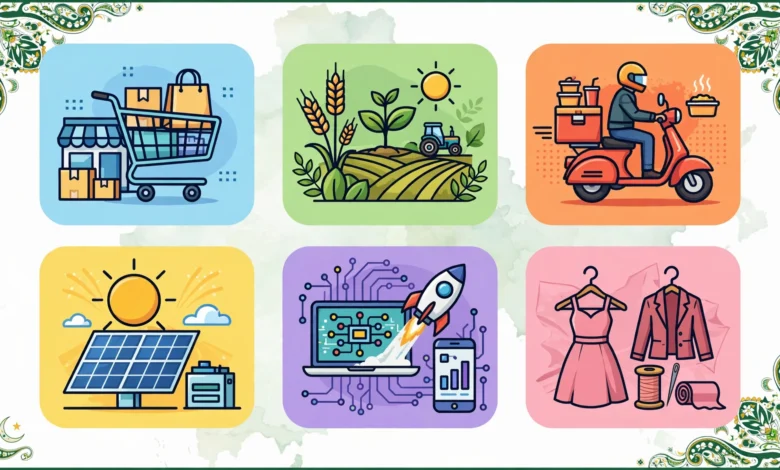
Business Ideas in Pakistan for 2026: 10 Proven, Profitable Options and the Scams to Avoid
Introduction
The search for good business ideas in Pakistan usually starts with hope and ends with confusion. Every list online promises “low investment, high profit,” but very few tell you what it really costs, who your competitors are, or which corners people cut to make those profits. That last part matters more than most writers admit.
Pakistan in 2026 has real openings. IT exports hit a record level last fiscal year, freelancers are earning more foreign exchange than ever, and rising electricity bills have pushed millions of homes and shops toward solar. Online shopping, food delivery and private healthcare keep growing in every big city. If you pick the right idea and run it properly, there is money to be made.
But some of the biggest “success stories” of the past twenty years turned out to be crimes. Ponzi schemes that doubled money on paper, fake degree factories, solar importers moving billions abroad through inflated invoices, and loan apps that blackmailed borrowers all looked like booming businesses for a while.
This guide covers ten profitable business ideas for 2026, with honest notes on costs, demand, licences and the ethical traps in each one. Then we look at the illegal “business models” that collapsed, so you can spot the warning signs before you invest your savings or your name.
What Makes Business Ideas in Pakistan Profitable in 2026
Before the list, it helps to know what the money is actually following. A few forces are shaping the market right now.
- Dollar earnings from digital work. According to State Bank data reported by The Express Tribune, Pakistan’s IT exports reached a record $4.6 billion in FY2025-26, up about 21 percent from the year before. Freelancers alone brought in roughly $1.76 billion, according to SBP figures reported by ProPakistani on freelancer earnings.
- Expensive electricity. High power tariffs have made solar one of the fastest growing purchases for homes, shops and factories.
- Busy urban households. People in Karachi, Lahore, Islamabad and other cities are paying for convenience: delivered food, home services, online shopping.
- A young, online population. Most customers now find businesses through Instagram, TikTok, Facebook and WhatsApp before they ever visit a shop.
We picked the ten small business ideas in Pakistan below using four simple tests:
- Real demand that you can see today, not a trend that may arrive in five years.
- Manageable startup cost for an individual or a small team.
- A clear legal path, meaning you can register it, pay tax and get any licence it needs.
- Room to grow beyond a one-person side hustle.
One honest warning: “profitable” never means guaranteed. Every idea here has people who failed at it, usually because of poor quality, weak marketing or bad cash management. The idea is maybe 20 percent of the result. Execution is the rest.
Quick Comparison of the 10 Ideas
| # | Business idea | Approximate startup cost (PKR) | Skill level | Key approval to check |
|---|---|---|---|---|
| 1 | IT and AI services agency | 50,000 to 300,000 | High | PSEB registration for tax benefits |
| 2 | Niche e-commerce store | 100,000 to 500,000 | Medium | NTN, sales tax if applicable |
| 3 | Cloud kitchen | 200,000 to 800,000 | Medium | Provincial food authority licence |
| 4 | Solar installation and maintenance | 150,000 to 1,000,000 | Medium to high | Trained staff, AEDB-certified installers where required |
| 5 | Digital marketing agency | 50,000 to 250,000 | Medium | NTN, provincial services tax |
| 6 | Online tutoring and skills training | 30,000 to 200,000 | Medium | Honest certificates, no fake accreditation |
| 7 | Last-mile delivery and logistics | 300,000 to 2,000,000 | Medium | Vehicle fitness, insurance |
| 8 | Food processing and agri-value addition | 400,000 to 3,000,000 | Medium | Food authority, PSQCA where needed |
| 9 | Pharmacy or diagnostic collection point | 1,000,000 to 3,000,000 | High | Drug sale licence, qualified pharmacist |
| 10 | Home services platform | 50,000 to 300,000 | Low to medium | Staff verification, NTN |
These cost ranges are rough estimates for a small start in a major city. Rent, location and scale can push them up or down a lot.
Top 10 Profitable Business Ideas in Pakistan for 2026
Here is the list, with the reality check that most articles leave out. For each of these business ideas in Pakistan, you will see why it works, what it takes, and the ethical trap that has caught others.


1. IT and AI Services Agency
Why it works: Clients abroad pay in dollars, and Pakistani developers, designers and automation specialists are cheaper than their Western peers while often just as skilled. General freelancing is crowded, but specialised services such as AI chatbot setup, workflow automation, Shopify development, data dashboards and cybersecurity audits still pay well.
What it takes: A laptop, reliable internet with a backup connection, a strong portfolio and a clear niche. Many successful agencies start as one freelancer who hires a second person when work overflows. Registering with the Pakistan Software Export Board (PSEB) and receiving payments through formal banking channels can give you a much lower tax rate on export earnings, so check the current rules before you start.
The ethical trap: Renting or buying other people’s Upwork and Fiverr accounts, posting fake reviews, and passing off someone else’s portfolio as yours. These shortcuts get accounts banned and destroy trust. A darker version is the “call centre” that cold-calls foreigners with fake tech support or investment pitches. Law enforcement has raided such operations in several Pakistani cities, and workers who “just made calls” have been arrested alongside the owners.
2. Niche E-Commerce Store
Why it works: Online shopping keeps growing, and social commerce through Instagram, TikTok and WhatsApp lets small sellers reach buyers without a shop. Focused niches do best: modest fashion, baby products, organic skincare, phone accessories, home décor, or handmade items with a story.
What it takes: Product sourcing, good photos, a courier partner, and a plan for cash on delivery (COD) returns, which can eat your margins if you sell to unverified buyers. Many sellers start on Daraz or Instagram and move to their own website once they have repeat customers. Among online business ideas in Pakistan, this one has a low entry cost but heavy competition, so branding and customer service decide who survives.
The ethical trap: Selling counterfeit branded goods as “original,” faking reviews, and using stolen product photos. Trademark owners do take legal action, platforms ban repeat offenders, and once buyers spot a fake on social media, the damage spreads fast.
3. Cloud Kitchen
Why it works: A cloud kitchen sells only through delivery apps and its own ordering channels, so you skip the cost of a dine-in restaurant. Office lunch boxes, healthy meal plans, home-style frozen food and desserts all sell well in big cities.
What it takes: A clean commercial-grade kitchen, a food authority licence from your province, reliable suppliers, and smart pricing that accounts for delivery app commissions. Consistency matters more than a fancy menu. One bad batch can wipe out months of good reviews.
The ethical trap: Cutting costs with unhygienic kitchens, reused oil, expired ingredients or cheap substitutes. Provincial food authorities regularly seal kitchens and fine restaurants after raids, and those photos end up all over social media. Food safety is not just a legal duty. It is your brand.
4. Solar Installation and Maintenance
Why it works: With electricity prices high, homes, shops, schools and small factories keep switching to solar. Installation is only half the opportunity. Panel cleaning, inverter repair, battery replacement and annual maintenance contracts give you repeat income long after the first job.
What it takes: Technical training, trusted suppliers, basic tools and safety gear, and honest advice about system size. Net-metering and grid rules have been changing, so stay updated on the current NEPRA and distribution company rules before you promise customers any savings.
The ethical trap: Selling low-grade panels as top-tier brands, faking warranties, and taking advance payments without delivering. The bigger scandal was at the import level. FBR audits found that dozens of solar importers had inflated invoice values to move money out of the country, and customs later imposed penalties worth about Rs111 billion on 13 companies, as Geo News reported on the solar import penalties. Some of the firms involved had fake addresses and owners with tiny declared incomes. If a supplier’s prices or paperwork look too strange, step away.
5. Digital Marketing Agency
Why it works: Every clinic, restaurant, school and clothing brand now needs social media, ads and a website, but most owners have no time to learn it. A small agency offering content, Meta and Google ads, and local SEO can sign monthly retainers that provide steady income.
What it takes: Strong skills in content and ads, a few case studies with real results, and clear reporting so clients see what their money bought. Start with two or three clients in one industry, learn it deeply, then expand.
The ethical trap: Selling fake followers, inflating results, and promoting anything that pays, including betting apps, “guaranteed return” investment schemes and unlicensed loan apps. Pakistan’s cybercrime authorities took action against social media influencers in 2025 over the promotion of online betting apps. If a client’s product would be illegal to sell, it is risky to advertise too.
6. Online Tutoring and Skills Training
Why it works: Parents spend heavily on tuition, and adults want job skills such as English, IELTS preparation, coding, design and digital marketing. Overseas Pakistani families also pay in foreign currency for Quran, Urdu and O/A Level tutoring for their children. Among home-based business ideas in Pakistan, this is one of the cheapest to start and easiest to grow by word of mouth.
What it takes: Real subject knowledge, a decent microphone and camera, a simple booking and payment setup, and patience. Small group classes and recorded courses help you earn more per hour once you have a following.
The ethical trap: Selling certificates that look like accredited qualifications, or promising guaranteed visas and jobs. Pakistan already has a painful example. In 2015, international media exposed Axact, a Karachi software company accused of running a worldwide network of fake online universities and selling degrees. The FIA raided its offices, and a court in Islamabad later convicted company executives in the fake degree case. Be clear about what your course is: a skill, not a degree.
7. Last-Mile Delivery and Logistics
Why it works: Every online order needs to reach a doorstep, and many small sellers complain about late deliveries and slow COD payments from big couriers. A reliable local delivery service for e-commerce brands, pharmacies and restaurants in one city can win loyal clients.
What it takes: Motorbikes or small vans, trained riders, tracking software or at least a disciplined WhatsApp system, insurance, and enough working capital to pay riders on time. Speed of COD remittance to sellers is often your biggest selling point.
The ethical trap: Holding back sellers’ COD money to fund your own cash flow, underpaying riders, and ignoring what goes inside parcels. Courier networks have been used to move narcotics and contraband, and businesses that skip basic checks can end up in serious legal trouble.
8. Food Processing and Agri Value Addition
Why it works: Pakistan wastes a large share of its seasonal fruit and vegetables because of poor storage and processing. Turning raw produce into dehydrated vegetables, spice blends, pickles, honey, dried fruit or packaged dairy adds value and stretches shelf life. Some products have export potential to the Gulf and to the Pakistani diaspora.
What it takes: A small processing unit, food-grade equipment, proper packaging, a food authority licence, and quality certification such as PSQCA standards or halal certification if you plan to export. This is one of the more capital-heavy small business ideas in Pakistan on this list, but the margins can be strong.
The ethical trap: Adulteration. Mixing colour into chilli powder, water and chemicals into milk, or cheap fillers into spices has been a recurring problem caught in food authority raids. It is dangerous for consumers and fatal for a brand once exposed.
9. Pharmacy or Diagnostic Collection Point
Why it works: Healthcare spending keeps rising, and well-run pharmacies and lab sample collection points in growing neighbourhoods see steady daily footfall. Partnering with an established laboratory for sample collection is a lower-cost way into healthcare.
What it takes: A drug sale licence from your provincial health department, a qualified pharmacist, proper storage, and enough capital for stock. Diagnostic collection needs trained phlebotomists and a formal agreement with an accredited lab.
The ethical trap: Selling smuggled, counterfeit or unregistered medicines because they are cheaper, and handing out prescription-only drugs to anyone who asks. The Drug Regulatory Authority of Pakistan (DRAP) regularly issues alerts on substandard and falsified products, and provincial drug inspectors seal stores that sell them. In healthcare, a shortcut can kill someone.
10. Home Services Platform
Why it works: Urban families need AC servicing before summer, plumbers and electricians on short notice, deep cleaning, pest control and appliance repair. Most still rely on random contacts. A small, reliable brand with verified workers and fixed prices fills a real gap. Among low investment business ideas in Pakistan, this one scales well because you coordinate skilled workers rather than doing every job yourself.
What it takes: A network of skilled technicians, a booking line or simple app, clear pricing, and a habit of checking every job. Customer reviews will make or break you.
The ethical trap: Sending unverified workers into people’s homes, overcharging for “parts” that were never replaced, and exploiting workers with unpaid wages. Always verify CNICs and references, keep written job records, and never employ children.
Illegal “Business Ideas in Pakistan” That Ended in Collapse
Some of the most talked-about money makers in Pakistan’s recent history were never real businesses. They grew fast, made early participants rich, and then fell apart, taking ordinary people’s savings with them. Knowing these patterns protects you from joining one, investing in one, or lending your name to one.
The Double Shah Ponzi Scheme
In the mid-2000s, a former schoolteacher in Wazirabad known as “Double Shah” promised to double people’s money within weeks. Early investors were paid out of new investors’ deposits, word spread across Punjab, and thousands of families handed over their savings. When new money slowed in 2007, the scheme collapsed. He was arrested by the National Accountability Bureau and later convicted. The lesson has not aged: no real business doubles money in weeks.
The same model keeps coming back in new clothes. SECP has repeatedly warned about schemes promoted on social media promising monthly returns of 8 to 12 percent, and about companies that register with SECP just to look legitimate while collecting deposits they have no licence to take.
Illegal Loan Apps
Around 2022 and 2023, dozens of mobile apps offered instant small loans with hidden fees and short repayment periods. When borrowers fell behind, some operators accessed their phone contacts and photos and used them for harassment and blackmail. SECP worked with Google, Apple, the FIA and PTA to remove illegal apps, and by early 2024 it said 132 illegal apps had been blocked, as Business Recorder reported on the loan app crackdown. Google now allows only SECP-approved personal loan apps on its Pakistan Play Store, so many operators moved to APK files shared on WhatsApp and websites.
The takeaway for entrepreneurs: lending is a licensed activity. A fintech idea without an NBFC licence from SECP is not a startup. It is a crime waiting to be reported.
Solar Import Over-Invoicing
This case shows how a genuinely booming sector can hide illegal money flows. FBR audits found over-invoicing worth about Rs69.5 billion in more than 6,000 goods declarations filed by 63 solar panel importers between 2017 and 2022. In one part of the investigation, two importers had sent around Rs72.8 billion abroad for panels that were later declared as sold locally for about Rs45.6 billion, and their listed offices in Peshawar turned out not to exist, according to Business Recorder’s coverage of the solar over-invoicing probe. The State Bank also penalised banks that failed to flag the transactions.
Dummy Firms and Fake Sales Tax Invoices
Some people treat “trading” as a business idea when the real product is fake paperwork. Dummy firms issue sales tax invoices for goods that never existed, and real companies buy them to cut their tax bills. In October 2024, FBR arrested several people in one sweep, including finance heads of established manufacturers, and the FBR chairman publicly estimated sales tax fraud in the trillions of rupees each year.
Red Flags to Watch For
When you compare business ideas in Pakistan or get invited into a “partnership,” walk away if you notice any of these:
- Guaranteed returns that are fixed, high and paid monthly regardless of business performance.
- Requests to use your CNIC, bank account or SIM for a business you will not control.
- Profits that depend on recruiting others rather than selling a real product or service.
- No licence for an activity that clearly needs one, such as lending, deposit taking, drug sales or food production.
- Prices far below market, which often signal counterfeit, smuggled or under-declared goods.
- Cash-only dealings and refusal to give proper invoices or receipts.
- Pressure to decide quickly before you can check the company with SECP or FBR.
How to Start Any of These Business Ideas in Pakistan Legally
Whichever idea you choose, the setup steps are broadly the same:
- Test demand first. Sell to ten real customers before you rent a shop, buy a fleet or hire staff.
- Pick a legal structure. A sole proprietorship registered with FBR is enough for most small starts. Form an SMC or private limited company with SECP when you take on bigger contracts, staff or investors.
- Get your NTN on the FBR IRIS portal and file returns every year to stay on the Active Taxpayers List.
- Register for sales tax with FBR for goods, or with your provincial revenue authority for services, if your business falls under it.
- Get sector licences such as food authority, drug sale or PSEB registration before you open, not after a raid.
- Open a separate business bank account and keep every invoice.
- Build a compliance habit. Set reminders for tax returns, licence renewals and SECP filings.
Frequently Asked Questions
Which business ideas in Pakistan need the least investment?
Freelance IT services, digital marketing, online tutoring and home services can start with under PKR 100,000 if you already have the skills. Your main investment is time.
What is the most profitable business in Pakistan in 2026?
There is no single winner. Businesses that earn in dollars, such as IT and AI services, have strong margins right now, while solar services and food businesses benefit from steady local demand. Profit depends far more on how well you run the business than on the category.
Are online business ideas in Pakistan safe from fraud?
They are as safe as the way you run them. Use formal payment channels, verify buyers before shipping large COD orders, protect your accounts with two-factor authentication, and never accept payments for products or services that need a licence you do not have.
Conclusion
The best business ideas in Pakistan for 2026 follow real demand: dollar-earning IT and AI services, niche e-commerce, cloud kitchens, solar installation and maintenance, digital marketing, online tutoring, last-mile delivery, food processing, pharmacies and home services all offer genuine room to grow for people willing to work hard and stay patient, but every one of them has a shortcut that others have taken, from fake reviews and counterfeit goods to adulterated food and smuggled medicines, and the bigger frauds of the past, including the Double Shah Ponzi scheme, the Axact fake degree empire, predatory loan apps, solar import over-invoicing and fake invoice rings, show that fast money built on deception eventually collapses and drags its participants down with it, so the smartest move is to choose an idea that fits your skills and budget, register it properly, pay your taxes, get the right licences and build a business you would be proud to explain to anyone.
Keywords