Top B2B Opportunities Growing in Pakistan’s Economy
B2B opportunities in Pakistan across IT services, solar, logistics, packaging and halal food, with the fraud cases every B2B founder must learn from.

B2B Opportunities in Pakistan: 10 Powerful, Profitable Sectors Growing Fast
Introduction
B2B opportunities in Pakistan rarely get the same attention as consumer brands, food chains or influencer startups. Selling to other businesses is less glamorous. Nobody posts an unboxing video of industrial packaging or a payroll software contract. But in a tough economy, B2B is often where the steadiest money is.
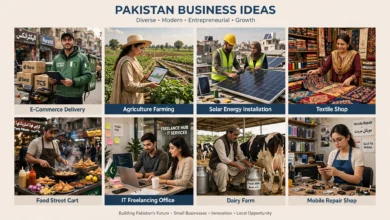
The numbers back this up. Pakistan’s IT exports hit a record $4.6 billion in FY26, roughly 21% higher than the year before, and freelancers alone earned more than $1 billion. Factories, shops and farms are installing solar to escape high electricity bills. Exporters need better packaging and certification. Tax documentation is pushing thousands of small firms toward proper accounting and payroll systems. Each of these shifts creates demand for business to business services.
There is a less comfortable side, too. Some of the biggest financial scandals in recent years have been B2B at their core: fake sales tax invoice networks, over-invoiced imports used to move money abroad, cartels fixing prices for buyers, and fake medicines supplied to hospitals. These cases have made serious buyers much more careful about who they work with.
That is actually good news for honest operators. This guide covers ten growing sectors in Pakistan where a B2B business in Pakistan can find real demand, explains who the buyers are and how to enter, and uses real past cases to show which shortcuts to avoid if you want long-term contracts rather than short-term profits.
Why B2B Opportunities in Pakistan Are Growing Now
Several pressures are hitting Pakistani businesses at once, and each one creates a need someone can fill:
- High energy costs push factories and shops toward solar, efficiency upgrades and better maintenance.
- Tax documentation is expanding, so firms need proper invoicing, accounting, payroll and compliance support.
- Export focus from the government means more demand for certification, packaging, logistics and digital services.
- Thin margins make companies outsource work they used to do in-house, from IT to security to cleaning.
- Foreign investment interest, coordinated through bodies like the Special Investment Facilitation Council, is focused on agriculture, IT, minerals and energy, which all need local suppliers and service partners.
B2B also has a structural advantage. Business customers usually buy in larger volumes, order repeatedly and stay with a supplier they trust. The flip side is that they check you more carefully, pay slower and expect proper invoices. Most B2B opportunities in Pakistan reward reliability more than flashy marketing.
1. IT Services, Software Outsourcing and BPO
This is the clearest growth story in the economy. According to Express Tribune’s report on record IT exports, Pakistan’s IT exports reached $4.6 billion in FY26, telecom and computer services made up nearly half of all services exports, and freelancer earnings crossed $1 billion for the first time.
Where the Demand Is
- Custom software and app development for foreign clients
- BPO services such as customer support, data entry, bookkeeping and medical billing
- Cybersecurity, cloud management and IT support for local companies
- AI, data labelling and automation services
- White-label agency work for design, development and digital marketing
How to Enter
Start with a narrow specialisation, such as Shopify development for US brands or bookkeeping for UK accountants. Register with PSEB and the FBR, receive payments through proper banking channels, and build case studies before scaling.
The Warning Signs From the Past
Pakistan’s IT sector has been damaged by people who used it as a front. The Axact fake degree empire, exposed in 2015 and followed by convictions in 2018, presented itself as a software exporter. FIA raids on illegal call centres running investment and loan scams have continued for years. Many freelancers have also been caught using hundi or hawala to receive payments, which is illegal and risks account freezes during crackdowns. Clean banking and honest services are what foreign clients now check first.


2. Solar and Energy Efficiency Solutions for Businesses
High grid tariffs have made solar one of the fastest-growing B2B business areas in the country. Factories, cold storages, schools, hospitals and even small shops are installing systems to cut bills.
Opportunities in This Space
- Commercial and industrial solar installation
- Battery storage and hybrid systems for businesses with load-shedding issues
- Operations and maintenance contracts, including panel cleaning and inverter servicing
- Energy audits that show factories where they waste power
- Solar financing partnerships with banks and leasing companies
The Over-Invoicing Lesson
In 2024, an FBR investigation reported that a group of companies had over-invoiced solar panel imports by tens of billions of rupees, using inflated import values to move money out of the country. The case led to inquiries, frozen accounts and heavy reputational damage for the sector. If you import equipment, declare true values, keep every document, and work only with suppliers who do the same.
3. Logistics, Warehousing and Cold Chain
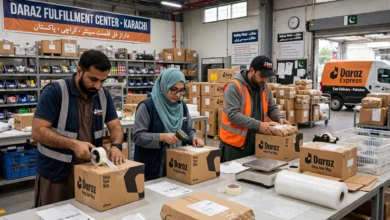
Goods have to move, and Pakistan’s logistics system still struggles with delays, damage and poor storage. That makes logistics and warehousing a strong B2B area.
Key Openings
- Last-mile delivery for e-commerce brands and distributors
- Third-party warehousing for SMEs that cannot afford their own space
- Cold chain for dairy, meat, fruit, vegetables and pharmaceuticals
- Freight forwarding and customs clearing for exporters
- Fleet tracking and route optimisation software
Cold chain is especially under-served. A large share of fruit and vegetables is lost between farm and market because of poor storage and transport, which means real money is waiting for operators who can keep produce fresh.
Stay on the Right Side of Customs
Transport and clearing businesses are often pressured to move undeclared or smuggled goods. Smuggled fuel, cigarettes, tyres and electronics remain a major problem, and customs regularly seize vehicles carrying them. A transport company caught moving smuggled cargo can lose its trucks and its licence. Your contracts with clients should make it clear you only move documented goods.
4. Packaging and Labelling
Every manufacturer, food brand and exporter needs packaging. Better packaging can be the difference between a product that sits on a shelf and one that sells, or between an export order accepted and one rejected.
What Buyers Need
- Corrugated cartons for shipping and exports
- Flexible packaging for snacks, spices and FMCG products
- Eco-friendly and plastic-free alternatives as provinces restrict single-use plastics
- Labels that meet export market rules on ingredients, origin and barcodes
- Short-run packaging for small brands that cannot order huge minimums
The last point is a real gap. Large packaging firms prefer big orders, so small and medium brands often struggle to find quality packaging in small quantities. A supplier who serves them well can grow alongside them.
5. Accounting, Tax Compliance and Payroll Services
As the FBR pushes more businesses into the tax net, many firms need help they have never needed before. This makes compliance one of the most stable business to business services available.
Services in Demand
- Bookkeeping and monthly accounts for SMEs
- Sales tax and income tax filing, including e-invoicing integration
- Payroll processing with EOBI and social security deductions
- HR and compliance software built for Pakistani rules
- Audit preparation for companies seeking loans or investors
The Fake Invoice Problem
This sector has a direct link to one of Pakistan’s most common B2B crimes. The FBR has repeatedly uncovered networks issuing fake or “flying” sales tax invoices for supplies that never happened, allowing buyers to claim input tax and refunds they were not entitled to. Losses have run into billions of rupees, and accountants and tax consultants have been among those investigated. An honest compliance provider protects clients from exactly this risk, and that is a strong selling point.
6. Halal Food Processing and Export Supply
The global halal food market is huge, and Pakistan has the livestock, crops and religious credibility to compete. Yet its share of halal exports remains small compared with countries like Malaysia, Brazil or Australia. The gap is mostly in processing, certification and consistency, which is exactly where B2B suppliers come in.
Where You Can Fit In
- Contract processing and packing for meat, rice, spices and ready meals
- Halal food exports support, including certification consulting and lab testing
- Ingredient supply to food manufacturers, such as spice blends and dehydrated vegetables
- Supplying hotels, airlines and institutional kitchens with consistent quality
Quality Is Non-Negotiable
Pakistani food exports have faced rejections and alerts abroad over aflatoxin levels in spices, pesticide residues in rice and contamination issues. Domestically, food authorities have sealed many processing units for adulteration and unhygienic conditions. One rejected container can end an export relationship. Invest in testing and documentation from the start.
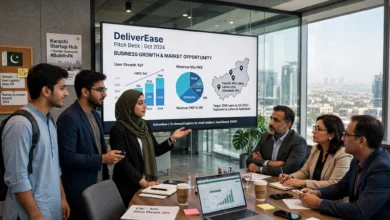
7. B2B E-Commerce and Retail Distribution
Pakistan has hundreds of thousands of small retailers, from karyana stores to pharmacies, and most still order stock through traditional distributors on credit. Several startups have tried to digitise this chain with apps for ordering, credit and delivery.
The Opportunity and the Lesson
The opportunity is real: better stock availability, fair pricing and small-ticket credit for shopkeepers. But this segment has also seen painful failures. Airlift, once one of Pakistan’s best-funded startups, shut down in 2022 after burning through investor money on fast expansion as global funding dried up. Several other B2B commerce startups have shrunk or merged.
What Works Better
- Focus on one city or one product category before expanding
- Make money on every order rather than relying on investor subsidies
- Partner with existing distributors instead of trying to replace them
- Offer credit carefully, with clear limits and proper records
Of all the B2B opportunities in Pakistan, this one punishes impatience the most.
8. Pharmaceutical and Healthcare Supplies
Hospitals, clinics, labs and pharmacies need reliable suppliers of medicines, raw materials, equipment and consumables. Local manufacturing of medical devices and pharmaceutical ingredients is also growing as companies try to reduce imports.
Openings in Healthcare B2B
- Distribution of registered medicines and surgical supplies to private hospitals
- Medical equipment servicing and calibration
- Lab supplies and diagnostic kits
- Contract manufacturing for pharmaceutical brands
- Hospital software for inventory, billing and patient records
The Deadliest Example of Cutting Corners
In 2012, contaminated medicine supplied to the Punjab Institute of Cardiology in Lahore led to the deaths of more than 100 heart patients. Investigations found that a batch of a widely used heart drug had been contaminated during manufacturing. Manufacturers faced cases, and DRAP was created soon after to strengthen drug regulation. Anyone entering pharma B2B must treat DRAP registration, proper storage and batch testing as the core of the business, not paperwork.
9. Agri Inputs and Agri-Tech Services
Agriculture employs a large share of Pakistan’s workforce, but productivity remains low. Farmers and agri-businesses need better seeds, inputs, machinery, data and financing, and they increasingly buy through organised suppliers.
B2B Openings in Agriculture
- Certified seed and fertiliser supply to large farms and cooperatives
- Farm machinery rental and services, such as laser land levelling and harvesting
- Soil testing, weather data and crop advisory services
- Input financing partnerships with banks and microfinance providers
- Storage and processing for corporate buyers of wheat, rice, cotton and fruit
Avoid the Fake Input Trap
Fake and substandard pesticides, seeds and fertiliser have been a long-standing problem, with provincial agriculture departments regularly seizing spurious products and registering cases. Farmers who lose a crop to fake inputs rarely come back. A supplier known for genuine products can build loyalty quickly in this market.
10. Facility Management and Industrial Services
As companies cut costs, they outsource services that are not core to their business. This creates steady contract work for small and medium firms.
Services Companies Outsource
- Cleaning, pest control and facility maintenance for offices, banks and malls
- HVAC, generator and electrical maintenance for factories
- Fire safety audits, equipment and training
- Licensed security services
- Corporate catering and staff transport
Fire safety deserves special attention. After deadly factory fires such as the 2012 Baldia disaster in Karachi, international buyers and insurers ask harder questions about safety. A credible fire safety provider has a real market among exporters.
Illegal B2B Practices That Shut Businesses Down
Some risks cut across every sector. These are the practices that have repeatedly drawn penalties, investigations and lost contracts in Pakistan’s B2B world.
Cartels and Price Fixing
Suppliers in the same industry sometimes agree to fix prices or divide markets. The Competition Commission of Pakistan fined cement manufacturers for cartel behaviour in 2009, and in 2021 it imposed penalties of around Rs 44 billion on sugar mills and their association for collusion. Agreeing on prices with competitors, even informally over WhatsApp, can expose a small supplier to the same law.
Kickbacks in Procurement
Paying purchase managers to win contracts is common enough that many companies now run vendor audits and whistleblower lines. Kickbacks make you dependent on one person, expose you to criminal liability and get you blacklisted when that person leaves or is caught. Win contracts on price, quality and delivery instead.
Hundi, Hawala and Undocumented Payments
Using informal channels to pay foreign suppliers or receive export income avoids bank charges but breaks foreign exchange and anti-money laundering laws. The FIA and State Bank have carried out major crackdowns on hawala networks, and businesses linked to them have had accounts frozen. The State Bank of Pakistan publishes the rules for legal remittances and export proceeds, and following them keeps your business bankable.
How to Win Corporate Buyers in Pakistan
Whatever sector you choose, most B2B business in Pakistan is won the same way:
- Be fully documented. NTN, sales tax registration where required, proper invoices and a business bank account are the minimum for most corporate buyers.
- Get on vendor lists. Large companies, multinationals and government bodies register approved suppliers. Ask each target client about their vendor registration process.
- Start small and over-deliver. Accept a trial order, deliver early and fix problems fast.
- Plan for slow payments. Many buyers pay in 60 to 90 days. Keep working capital or arrange invoice financing.
- Build references. One respected client’s recommendation opens more doors than any advertising.
- Keep it clean. Refuse kickbacks, fake invoices and informal payments, even when competitors use them.
B2B Opportunities in Pakistan: Quick Readiness Checklist
- Chosen a sector with clear, growing demand
- Identified ten target buyers by name
- Registered with the FBR and any sector regulator (PSEB, DRAP, food authority)
- Prepared a company profile, price list and sample contract
- Arranged working capital for 90-day payment cycles
- Set up proper banking for all local and foreign payments
- Put quality, safety and documentation systems in place
- Committed to no kickbacks, fake invoices or price-fixing deals
Conclusion
The strongest B2B opportunities in Pakistan today sit where the economy’s biggest pressures meet: IT services and outsourcing riding record export growth, solar and energy efficiency driven by high power costs, logistics and cold chain fixing waste in supply chains, packaging and halal food processing supporting exporters, compliance and payroll services meeting tax documentation, careful B2B distribution, regulated healthcare supply, genuine agri inputs and outsourced facility services, yet the past also shows how quickly these sectors can be damaged by fake sales tax invoices, over-invoiced imports, cartels, kickbacks, hawala payments and contaminated medicines, so if you choose one of these B2B opportunities in Pakistan, stay fully documented, deliver consistent quality, plan for slow payments and refuse every shortcut, you will be the kind of supplier serious buyers now actively look for and keep for years.
Keywords