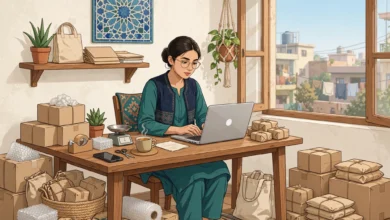
Top Business Ideas That Work Well in Small Pakistani Cities
Small city business ideas in Pakistan that suit local demand and budgets, plus the legal checks and past scams every new business owner should avoid.
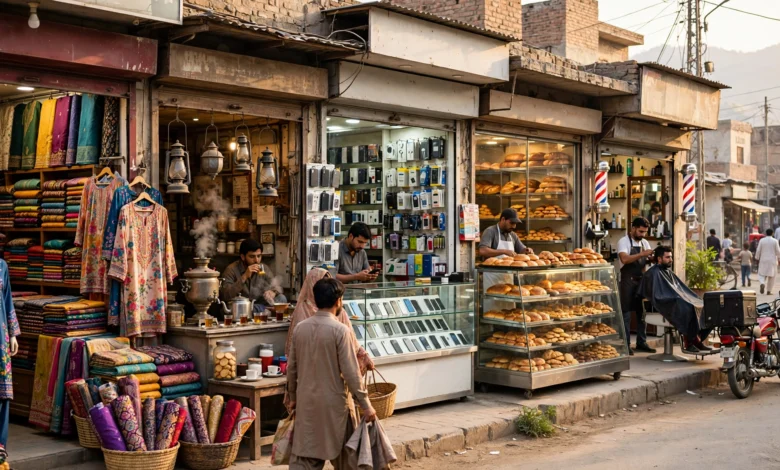
Small City Business Ideas in Pakistan: 12 Profitable, Proven Options That Actually Work
Introduction
Small city business ideas in Pakistan rarely get the attention they deserve. Most online lists are written with Karachi, Lahore, or Islamabad in mind, and they push ideas like real estate flipping or fancy cafes that make little sense in Sahiwal, Jhang, Larkana, or Mansehra. Yet smaller cities have real advantages. Rent is lower, word of mouth spreads fast, and many basic services are still missing or poorly run.
The flip side is that small markets are unforgiving. Your customers know each other, so one bad batch of milk or one dishonest deal can finish your reputation in a week. Smaller cities have also seen some of the country’s most damaging business frauds, from the Double Shah investment scam in Wazirabad to fake medicine and adulterated food networks. Those stories matter, because they show what happens when profit comes before people.
This guide looks at profitable business ideas that genuinely work outside the big metros, with honest notes on investment, demand, and risk. You will also find the licences you are likely to need, the illegal shortcuts that have landed others in trouble, and a practical plan for starting a small business in Pakistan the right way. Whether you have Rs 50,000 or Rs 15 lakh, the goal is the same: build something your town actually needs and can trust.
Why Small City Business Ideas in Pakistan Deserve a Closer Look
The best small city business ideas in Pakistan solve everyday problems for people who are currently travelling to a bigger city, waiting too long, or settling for poor quality. Before choosing an idea, it helps to understand what makes these markets different.
Lower Costs, Faster Trust
Shop rent in a tehsil or district headquarters can be a fraction of what you would pay in a big city mall or main boulevard. Staff costs are lower too. More importantly, trust builds quickly when customers can see you, know your family, and come back to complain face to face. A good reputation in a small city spreads faster than any paid ad.
Remittance Money and Rising Expectations
Many smaller cities in Punjab, Khyber Pakhtunkhwa, and Azad Kashmir receive steady remittances from family members working abroad. That money shows up as demand for better schools, clinics, home improvements, solar systems, and branded goods. Expectations are rising faster than local supply, which creates openings for profitable business ideas that would be crowded in Lahore.
Agriculture Is the Backbone
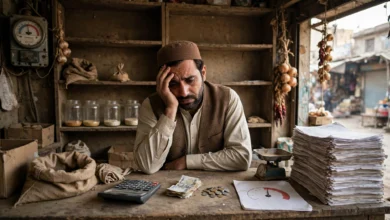
In most small cities, the local economy moves with the crop cycle. Cash flows after wheat, cotton, rice, or sugarcane harvests, and slows in between. Any serious plan for small city business ideas in Pakistan should account for this seasonality, either by serving farmers directly or by keeping enough cash to survive the slow months.
The Realities You Need to Plan For
Small cities are not easy money. Be ready for these challenges:
- Smaller customer base. You cannot rely on footfall from strangers, so repeat customers matter more.
- Credit culture. Many shops run on “udhaar,” and unpaid tabs can sink a new business.
- Weaker infrastructure. Load shedding, poor internet, and slow courier service affect operations.
- Talent shortage. Skilled workers often move to big cities, so you may need to train your own staff.
- Informal competition. Unregistered sellers who skip tax and safety rules can undercut you on price.
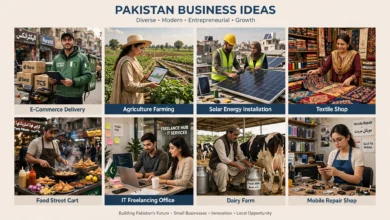
12 Small City Business Ideas in Pakistan That Actually Work
The ideas below were chosen for real local demand, manageable startup costs, and room to grow. Investment figures are rough estimates and will vary by city, size, and equipment. For feasibility studies and pre-feasibility reports on many of these sectors, the Small and Medium Enterprises Development Authority (SMEDA) is a useful free resource.


1. Home-Based Food and Tiffin Service
Office workers, students in hostels, and bachelor employees in small cities often have no good daily meal option. A home-based business offering lunch boxes on a monthly subscription can start from your own kitchen with a few lakh rupees or less. Consistency and hygiene matter more than a big menu. Register with your provincial food authority once you grow beyond a handful of customers.
2. Bakery and Traditional Sweets
Every small city has a sweet shop, but many still use poor hygiene, cheap colours, and stale stock. A clean bakery with fresh bread, cakes for birthdays, and honest mithai can win customers quickly, especially around Eid and wedding seasons. Startup costs are higher because of ovens and display counters, but margins on custom cakes are strong.
3. Pure Milk Collection and Supply
Milk adulteration is a serious problem across the country, which is exactly why honest milk supply is one of the strongest small city business ideas in Pakistan. Collect from nearby farmers, chill it properly, test it, and deliver to homes on a subscription. Families will pay a little more for milk they trust. Investment covers a chiller, cans, testing kits, and a delivery bike.
4. Licensed Agri Inputs Shop
Farmers need seeds, fertiliser, and pesticides every season, and many have been cheated with fake or expired products. A licensed, reliable agriculture business that sells genuine inputs and gives basic advice can earn loyalty for years. You will need the relevant dealer licences from the provincial agriculture department, and you must buy only from authorised distributors.
5. Poultry, Mushroom, or Tunnel Farming
If you have access to land near the city, small-scale poultry farming, mushroom growing, or tunnel farming for off-season vegetables can supply local markets directly. These ideas need technical learning and carry disease and weather risk, so start small and talk to existing farmers before investing heavily.
6. Mobile Repair and Accessories Shop
Almost everyone owns a smartphone, and repairs are constant: screens, batteries, charging ports, and software issues. A skilled repair shop with fair pricing can build a strong reputation. Pair it with genuine chargers, covers, and earbuds. Avoid selling stolen or non-PTA-compliant devices, which can bring police trouble and legal cases.
7. Solar Installation and Maintenance
With high electricity bills and frequent load shedding, demand for solar systems has spread well beyond the big cities. Small cities often lack trained installers, and many customers get poor-quality panels or unsafe wiring. A trained team offering honest installation, net metering paperwork help, and after-sales cleaning and maintenance fills a real gap. This needs technical training and supplier relationships.
8. Licensed Pharmacy and Lab Sample Collection Point
Quality healthcare is thin outside major cities. A properly licensed pharmacy with a qualified pharmacist, combined with a sample collection point for a reputable diagnostic lab, can serve a large population. This is a regulated business, so licensing and correct sourcing are not optional. We explain why in the section on illegal activities below.
9. Tuition Academy and Skills Centre
Parents in small cities invest heavily in education and entry-test preparation. A tuition academy with strong teachers for matric and FSc, plus evening courses in English, computer skills, or freelancing, can grow steadily. Results speak for themselves, so your first batch matters most.
10. Courier Franchise and Parcel Pickup Point
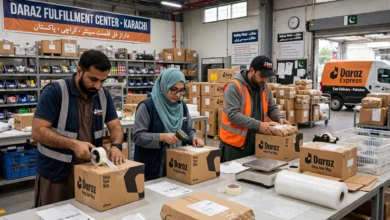
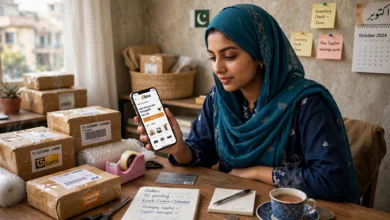
Online shopping has reached every district, but delivery coverage is still patchy. A franchise or pickup point for a major courier company lets you earn commission on parcels and cash on delivery collections. It needs a small shop, a computer, and reliable staff.
11. Tailoring Unit and Boutique
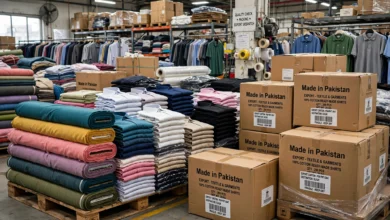
Demand for stitched clothes, especially for weddings and Eid, is high in every city. A tailoring unit with trained karigars, clear delivery dates, and fair rates can do well. Over time, you can add your own designs and sell online to customers in bigger cities, which is where many successful small brands started.
12. Digital Services for Local Businesses
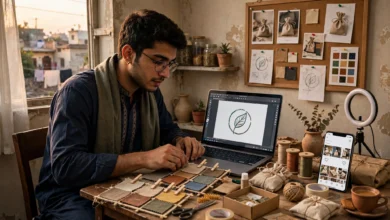
Most shops and clinics in small cities have no Google Business listing, no proper social media page, and no simple billing system. If you have digital skills, you can offer setup and monthly management at affordable rates. This is a low investment business that mainly needs a laptop, internet, and patience to explain the value to traditional business owners.
The Dark Side: Illegal Businesses That Hurt Small Cities
Any honest discussion of small city business ideas in Pakistan has to include the businesses that should never be started. Each case below caused real harm, and each one offers a clear lesson for anyone planning a legitimate venture.
The Double Shah Investment Scam
In the mid-2000s, a former schoolteacher in Wazirabad known as “Double Shah” promised to double people’s money within weeks. Early investors were paid from later investors’ deposits, and word of mouth spread the scheme across nearby towns. When it collapsed in 2007, thousands of families lost savings, land sale proceeds, and dowry money. The National Accountability Bureau pursued the case and he was later convicted.
The pattern still repeats through “committee” schemes gone wrong, fake trading apps, and investment pages on social media. The lesson: never run or promote any business that promises fixed, unusually high returns. If profit depends on new members joining, it is a Ponzi scheme, not a business.
Fake and Substandard Medicines
In 2012, more than 100 heart patients in Lahore died after receiving a contaminated medicine supplied through the Punjab Institute of Cardiology. That tragedy showed how deadly weak drug controls can be. In smaller cities, the risk often comes from unlicensed medical stores, unqualified staff, and medicines bought from unofficial sources at lower prices.
The Drug Regulatory Authority of Pakistan (DRAP) and provincial drug inspectors regularly seal stores selling unregistered or counterfeit medicines. The lesson: if you open a pharmacy, get the proper licence, employ a qualified person, and buy only from authorised distributors with proper invoices.
Adulterated Milk and Food
Food authorities across the provinces regularly discard large quantities of milk mixed with water, detergent, starch, or chemicals, and seal food outlets for using unsafe ingredients, as the Punjab Food Authority reports on its enforcement drives. Small cities are often hit hardest because inspection is less frequent.
The lesson: in any food business, cutting quality to protect margins is both illegal and short-sighted. Honest supply is a selling point, and it is the main reason customers will choose you over cheaper, riskier options.
Illegal LPG Refilling Shops
Many small cities have shops that decant gas from large cylinders into smaller ones without safety equipment. Explosions and fires from these shops have killed and injured people in markets and residential streets. Decanting in shops is prohibited, and authorities periodically seal such outlets.
The lesson: a business that endangers neighbours is not worth any profit. If you want to sell LPG, do it through a properly licensed distributor with safety standards in place.
Fake Pesticides and Seeds
Farmers in cotton and wheat belts have repeatedly suffered crop losses from counterfeit pesticides and uncertified seeds. Provincial agriculture departments raid warehouses and register cases against dealers selling them. One bad season can ruin a small farmer for years.
The lesson: an agri inputs shop lives or dies by trust. Selling fake products might make quick money, but it destroys the very customers your business depends on.
Unapproved Housing Schemes
In many small and mid-sized cities, development authorities publish lists of illegal or unapproved housing schemes. Buyers often pay for plots that have no approved layout, no utilities, or land that the developer does not even own.
The lesson: if you enter property dealing, verify approvals with the relevant development authority before selling a single file, and never sell plots you cannot legally transfer.
How to Choose Among Small City Business Ideas in Pakistan
Not every idea fits every town. Before you commit money, run through these questions honestly:
- Is there real demand? Count how many people currently travel to another city for this product or service.
- Who are the competitors? Visit them as a customer and note what they do badly.
- Do you have the skill? If not, can you learn it or hire someone reliable?
- What is the seasonality? Plan for harvest cycles, Ramadan, wedding season, and school holidays.
- How long can you survive with zero profit? Keep at least six months of running costs aside.
Starting Your Business Legally and Ethically
The strongest small city business ideas in Pakistan still fail if the legal basics are ignored. Here is a practical checklist:
- Register as a sole proprietor, partnership, or company depending on your size and plans.
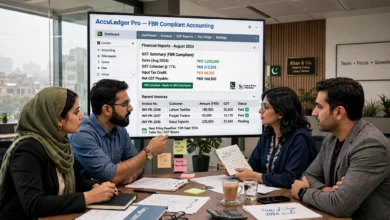
- Get your NTN from the Federal Board of Revenue and register for sales tax if your turnover requires it.
- Obtain sector licences: food authority registration, drug sale licence, agri dealer licence, or trade licence from the local municipal committee.
- Keep proper purchase invoices so you can prove where your stock came from.
- Open a business bank account and avoid mixing personal and business money.
- Look into government-backed financing schemes for small businesses, and confirm current terms directly with the bank before applying.
Ethics is not separate from strategy here. In a small city, your name is your brand, and fair dealing is the cheapest marketing you will ever do.
Common Mistakes to Avoid
Even good ideas fail because of avoidable errors:
- Copying big city models. A high-end cafe that works in DHA Lahore may sit empty in a tehsil town.
- Giving too much credit. Set clear udhaar limits and collect on time.
- Underpricing to win customers. Low prices with no margin cannot pay for quality.
- Skipping licences. One raid or sealing order can cost more than years of paperwork.
- Ignoring online sales. Even small city businesses can reach wider markets through WhatsApp, Facebook, and courier delivery.
Conclusion
Small city business ideas in Pakistan work best when they meet a real local need, start at a manageable size, and are run with honesty from the first day. Lower rents, fast word of mouth, remittance-driven demand, and gaps in basic services give smaller cities genuine potential for ideas like tiffin services, pure milk supply, licensed agri input shops, solar installation, pharmacies, tuition academies, courier points, tailoring, and digital services for local shops. The same markets also carry real risks, including seasonal cash flow, credit culture, and unfair competition from unregistered sellers. Cases such as the Double Shah scam, deadly contaminated medicines, adulterated milk, illegal LPG refilling, fake pesticides, and unapproved housing schemes show how quickly illegal shortcuts destroy lives and reputations, while businesses that register properly, source honestly, and treat customers fairly earn the long-term trust that matters most in a small community.
Keywords