How to Build a Balanced Meal Plan on a Tight Budget in Pakistan
Meal plan on a tight budget in Pakistan: a 7-day balanced menu, cheap protein ideas and simple ways to avoid adulterated milk and meat at the market.
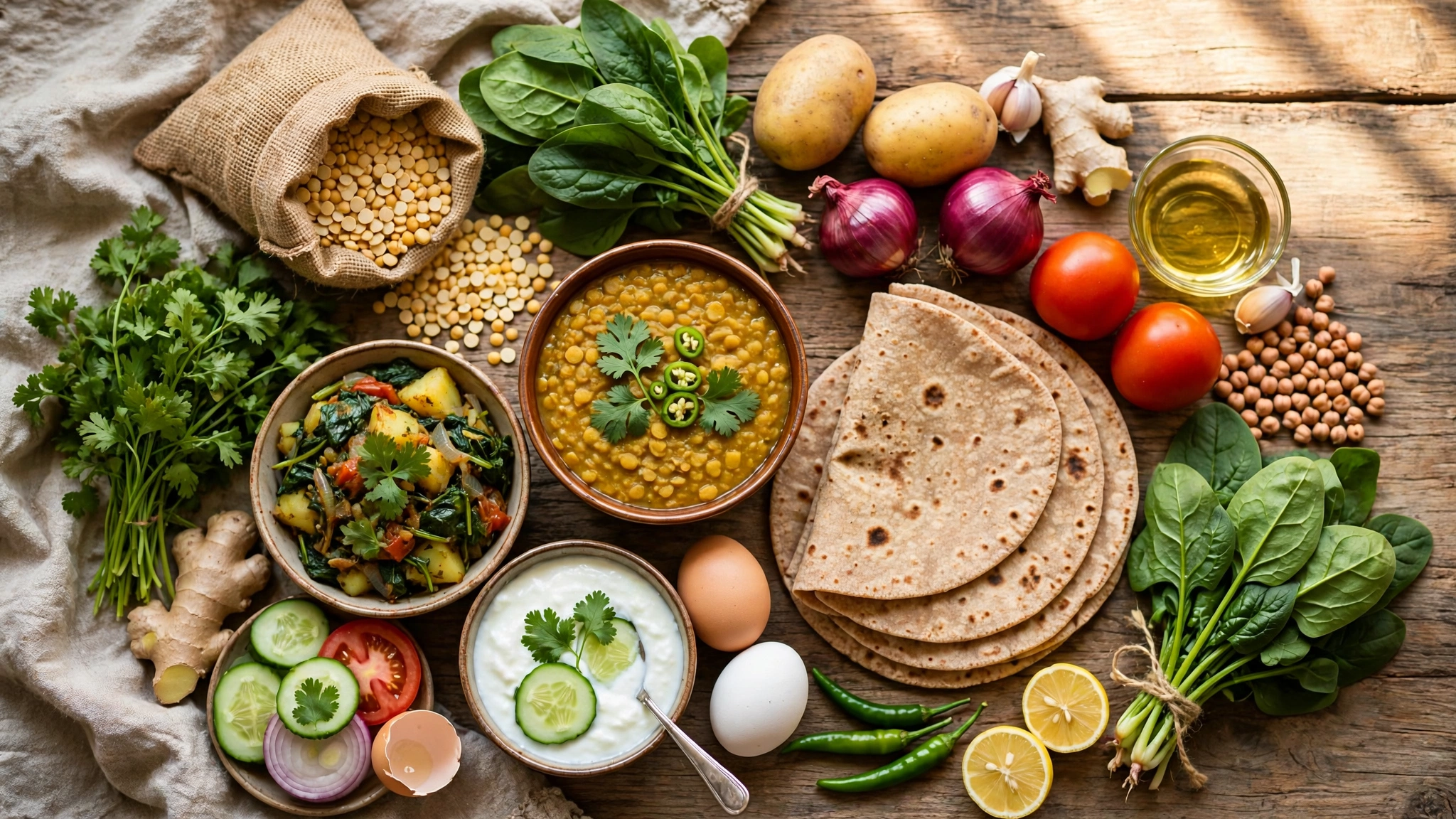
Meal Plan on a Tight Budget in Pakistan: 7 Proven Steps to Eat Balanced and Avoid Food Scams
Introduction
A meal plan sounds like something for gym regulars and nutritionists, but in Pakistan right now it is a survival skill. Flour, chicken, tomatoes and cooking oil keep jumping in price, salaries have not kept up, and many families have quietly cut back on fruit, milk and meat without replacing them with anything nutritious. The result is plates heavy on roti and rice, light on everything else.
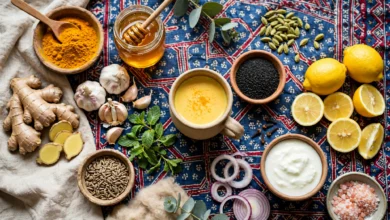
The good news is that a balanced meal plan does not require expensive superfoods, imported oats or a dietitian on call. The traditional desi kitchen already has most of what you need: daal, chana, eggs, seasonal sabzi, yogurt and whole wheat atta. What most households lack is not money alone but a meal plan that spends that money where it counts.
This guide walks you through how to build a budget meal plan in Pakistan step by step, based on the official Pakistan Dietary Guidelines for Better Nutrition. You will get a realistic 7-day menu, a smart grocery strategy and a list of cheap protein sources. Because a tight budget often pushes people toward the cheapest milk and meat on the market, we also look at real adulteration cases busted by food authorities, so you know what to watch for. Eating well on less is possible. It just takes a little planning and a sharper eye at the shop.
What a Balanced Meal Plan Looks Like for Pakistani Households
Before cutting costs, you need to know what your meal plan is aiming for. Pakistan has its own official guidance on this, so there is no need to copy a Western meal plan that assumes salmon and avocados.
The “One Plate” Model from the Pakistan Dietary Guidelines
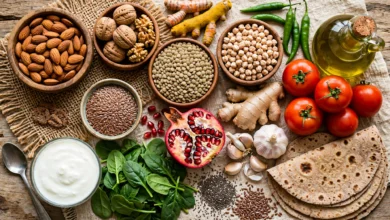
The Pakistan Dietary Guidelines for Better Nutrition, developed by the Planning Commission and the UN Food and Agriculture Organization in 2018, recommend building every day’s eating around one plate made up of a few food groups. You can read the details on the FAO Pakistan Dietary Guidelines page. In simple terms, a balanced meal plan for a Pakistani household should include:
- Cereals and grains: roti, rice, daliya, bread. These give energy but should not take over the whole meal plan.
- Pulses, meat, eggs and fish: your protein foods. Daal and chana count here and are far cheaper than meat.
- Vegetables: at least one generous serving of sabzi daily in your meal plan, ideally two.
- Fruits: one or two pieces a day, whatever is in season.
- Milk and milk products: milk, yogurt or lassi for calcium and protein.
- Oil and ghee: needed in small amounts, but most Pakistani cooking uses far too much.
Why Most Pakistani Diets Fall Short
The typical household meal plan in Pakistan is unbalanced in a very predictable way. A recent FAO policy brief found that the country’s food supply has persistent shortages of vegetables, fruits and pulses, while cereals and sugar exceed what people actually need. In plain words, we eat too much roti, rice and sugar, and too little sabzi, fruit and daal. Fixing that imbalance is the core goal of any healthy meal plan, and the good news is that it can actually lower your grocery bill, because sugar, bakery items and fried snacks are where a lot of money leaks out.
The Reality of Eating Well in Pakistan Right Now
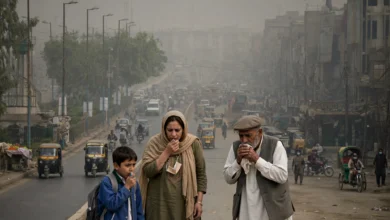
Any honest guide to a budget meal plan has to start with the numbers. In early November 2026, the Pakistan Bureau of Statistics reported weekly inflation (SPI) above 12% compared to a year earlier, with tomatoes up nearly 79%, wheat flour up about 34% and chicken up about 32%. Those are the exact staples most families rely on.
FAO has also warned that more than 60% of Pakistanis cannot afford a healthy diet. You can read the coverage of that brief in Dawn’s report on FAO’s food supply findings. That figure is not a reason to give up. It is a reason to plan harder, because when money is tight, every rupee has to deliver nutrition, not just fill the stomach.
Here is what that means for your meal plan in practice:


- You cannot afford to waste food, so meal plan discipline and storage matter more than ever.
- You cannot rely on meat as the main protein, so pulses, eggs and milk need to do the heavy lifting.
- You cannot ignore food quality, because the cheapest milk and meat on the market are often the most adulterated.
7 Proven Steps to Build a Budget Meal Plan in Pakistan
These meal plan steps work whether you are a student living alone in a hostel, a young couple renting a flat or a family of six sharing one kitchen.
1. Set a Realistic Weekly Food Budget
Start by writing down what you actually spend on food in a normal week, including chai, biscuits and takeaway. Most people starting a meal plan are surprised by how much goes on snacks and soft drinks. Then divide your weekly meal plan budget roughly like this:
- Atta, rice and grains: about 20 to 25%
- Pulses, eggs and other protein: about 25 to 30%
- Vegetables and fruits: about 25%
- Milk and yogurt: about 15%
- Oil, spices, tea and extras: whatever remains
These are rough targets, not rules. The point is to make sure protein and produce get a fair share instead of whatever is left after the atta and ghee are bought.
2. Build Your Meal Plan Around Cheap Protein
Protein is where a budget meal plan usually fails. The fix is to lean on the foods Pakistanis have eaten for generations:
- Daal (masoor, moong, mash, chana daal): cheap, filling and full of protein and fibre. Daal chawal with a side of raita is a complete, balanced meal.
- Whole chickpeas and lobia: great for chana chaat, curries and salads.
- Eggs: one of the cheapest complete proteins available, and ready in five minutes.
- Milk and yogurt: add protein and calcium to breakfast and lunch.
- Chicken or beef, once or twice a week: stretch it by cooking it with vegetables, like aloo gosht or chicken with peas, rather than as a plain meat dish.
Pairing a pulse with a grain, such as daal with rice or chana with roti, improves the protein quality of the meal. Your grandmother’s cooking was already a smart meal plan.
3. Buy Seasonal Vegetables and Fruits
Seasonal produce is cheaper, fresher and more nutritious, which makes it the backbone of a smart meal plan. In winter, a budget meal plan can rely on spinach, carrots, turnips, cauliflower, peas, radish, guava and kinnow. In summer, think lauki, tori, tinda, bhindi, cucumber, melons and mangoes when prices settle. Off-season vegetables like tomatoes during a price spike can be swapped for yogurt or tamarind to add sourness to curries.
4. Choose Whole Grains and Watch the Portion Size
Whole wheat atta with chokar (bran) keeps you full longer than fine white flour. Daliya makes a cheap, warm breakfast for any meal plan. Rice is fine, but try to make half the plate vegetables and daal rather than a mountain of rice with a spoonful of salan. A good balanced meal plan treats roti and rice as the side, not the main event.
5. Shop Smarter, Not Just Cheaper
How you shop for your meal plan matters as much as what you buy:
- Buy dry goods in bulk (daal, rice, chana, atta) once a month if you have safe storage.
- Visit the sabzi mandi or a weekly bazaar instead of the corner shop for produce.
- Shop late in the day at markets, when vendors often reduce prices.
- Compare price per kilo, not per packet. Small packs are almost always more expensive.
- Make a grocery list from your weekly meal plan and stick to it. Impulse buys destroy budgets.
6. Batch Cook and Cut Food Waste
Cooking a large pot of daal or chana on Sunday as part of your meal plan saves gas, time and money. Leftovers can become something new: leftover daal works as a paratha filling, extra rice becomes a quick vegetable pulao, and stale roti can be turned into churi or a crunchy chaat base. A weekly meal plan that uses each ingredient in two or three dishes means almost nothing gets thrown away.
7. Cut the Hidden Costs
The biggest meal plan savings often come from what you stop buying:
- Soft drinks and packaged juices: expensive sugar with no real nutrition.
- Bakery items, cakes and rusks: heavy in refined flour and sugar.
- Deep-fried snacks: samosas and pakoras daily add up quickly in money and oil.
- Too much cooking oil: most households can cut oil use by a third without noticing the taste.
- Frequent takeaway: one family takeaway meal can cost as much as several days of home-cooked food.
Sample 7-Day Balanced Meal Plan on a Budget
This weekly meal plan uses common, affordable Pakistani foods. Adjust meal plan portions for children, adults and the elderly, and swap vegetables based on the season.
Day 1
- Breakfast: Roti with an omelette and tea
- Lunch: Daal chawal with kachumber salad
- Dinner: Aloo palak with roti and yogurt
Day 2
- Breakfast: Daliya cooked in milk
- Lunch: Leftover aloo palak in a roti roll
- Dinner: Chana curry with roti and a fruit
Day 3
- Breakfast: Boiled eggs with roti and tea
- Lunch: Chana chaat with onion, tomato and lemon
- Dinner: Chicken with peas or mixed vegetables, with roti
Day 4
- Breakfast: Paratha made with minimal oil, plus yogurt
- Lunch: Moong daal khichdi with raita
- Dinner: Gajar matar or seasonal sabzi with roti
Day 5
- Breakfast: Egg bhurji with roti
- Lunch: Lobia curry with rice
- Dinner: Mash daal with roti and salad
Day 6
- Breakfast: Daliya or suji porridge with a banana
- Lunch: Vegetable pulao with raita
- Dinner: Aloo gosht or aloo anday, with more aloo than meat
Day 7
- Breakfast: Halwa puri at home as a weekly treat, or a simple paratha with chana
- Lunch: Leftovers from the week, reworked
- Dinner: Masoor daal with roti and seasonal fruit
Each day of this meal plan covers grains, protein, vegetables and dairy, and most days include a fruit. That is the heart of a balanced meal plan: variety over expense.
The Dark Side of Cheap Food: Real Adulteration Cases in Pakistan
A budget meal plan can push families toward the cheapest loose milk and meat available. That is exactly where the adulteration mafia makes its money. Food authorities have exposed these practices again and again, which is why food safety belongs in any honest discussion of eating on a budget.
Adulterated and Fake Milk
Milk is the most commonly tampered food in Pakistan. In August 2025, the Punjab Food Authority said that in just 10 days it had lodged 62 FIRs, imposed fines of more than Rs15.3 million and discarded 53,675 litres of adulterated milk along with 28,389 kg of substandard meat. A month later, the authority said it had thrown away over 465,000 litres of fake milk and 60,000 kg of substandard meat in five weeks. In Rawalpindi in December 2025, inspectors sealed 20 milk shops after finding milk mixed with dry powder, salt and water.
Diseased and Substandard Meat
Meat fraud follows the same pattern. Food safety teams in Lahore have repeatedly found dead and diseased chickens and unwholesome meat meant for city markets. In May 2025, inspectors in Lahore’s Tollinton Market and Adda Plot area seized 3,700 kg of hazardous meat and 3,000 litres of adulterated milk, and a case was registered after dead chickens were found in a warehouse.
Pulses, Spices and Packaged Goods
Even staples in a basic meal plan are not safe from fraud. The Punjab Food Authority has discarded large quantities of adulterated chickpeas, along with tainted khoya, substandard jaggery, poor-quality sugar syrup and fake labels. You can browse examples of these actions on the Punjab Food Authority’s enforcement updates.
What These Cases Teach Us
- The cheapest option is not always the cheapest once you count the health cost.
- Adulteration is a business, not an accident, so it shows up most where demand is high and checks are weak.
- Saving money on food is pointless if the food itself makes your family sick.
How to Protect Your Family from Adulterated Food on a Budget
You do not need a lab to make safer meal plan choices. A few habits go a long way when following any budget meal plan:
- Buy milk from a source you know, such as a trusted local dairy or a reputable packaged brand, and boil loose milk before use.
- Be suspicious of prices far below the market rate, especially for milk, meat and ghee.
- Buy meat from shops that slaughter on-site or display a valid license, and avoid meat that looks discoloured or smells off.
- Prefer whole spices and grind them at home when you can. Loose powdered spices are easier to adulterate.
- Check labels and expiry dates on packaged goods, and avoid products with no manufacturer details.
- Report suspicious food to your provincial food authority. In Punjab, the PFA helpline is 1223. Sindh, KP and Balochistan have their own food authorities.
Budget Meal Plan Tips for Different Needs
A one-size meal plan does not suit everyone. A few quick meal plan adjustments help:
- Students in hostels: eggs, bananas, roasted chana and yogurt are cheap, portable protein. Learn to cook one pot of daal.
- Growing children: prioritise milk, eggs and fruit. Swap biscuits and packet chips for roasted peanuts or a boiled egg.
- Pregnant and breastfeeding women: need extra protein, iron and calcium. Daal, eggs, milk, leafy greens and dates are affordable choices, alongside the supplements a doctor recommends.
- People with diabetes: smaller portions of rice and roti, more daal and vegetables, and no sugary drinks. A doctor or dietitian should guide any specific diet.
- Elderly family members: soft, easy-to-digest foods like khichdi, daliya and yogurt, with enough protein to protect muscle.
Frequently Asked Questions About a Budget Meal Plan in Pakistan
Is a balanced meal plan possible on a low income in Pakistan?
Yes. A meal plan built on daal, chana, eggs, seasonal vegetables, whole wheat atta and yogurt can be balanced and affordable. The key is to spend less on sugar, oil and packaged snacks and more on protein and produce.
What is the cheapest source of protein in Pakistan?
Pulses like masoor, moong and chana daal are usually the cheapest, followed by eggs and milk. Combining daal with rice or roti makes the protein more complete.
How do I start a weekly meal plan for my family?
Write down a meal plan of seven days of simple meals, list every ingredient you need, and shop once from that list. Start small. Even planning dinners alone will save money within the first month of following the meal plan.
Is loose milk safe to use in a budget meal plan?
It can be part of your meal plan, if it comes from a trusted source and is boiled before use. Given repeated adulteration busts, avoid loose milk sold far below the normal market rate.
Conclusion
Building a balanced meal plan on a tight budget in Pakistan comes down to a few honest choices: follow the “one plate” approach from the Pakistan Dietary Guidelines, rely on daal, chana, eggs and milk for protein, buy seasonal produce and whole grains, shop with a list, batch cook to cut waste, and stop leaking money on sugar, fried snacks and takeaway, all while staying alert to the adulterated milk, meat and spices that food authorities keep exposing, because with prices rising faster than incomes, a thoughtful meal plan is one of the most practical ways to protect both your family’s health and its wallet.