How Air Pollution in Pakistani Cities Affects Your Health
Air pollution in Pakistani cities shortens lives. See how smog harms lungs, heart and children, who breaks the law, and how to protect your family.
Air Pollution in Pakistani Cities: 7 Shocking Health Effects and Proven Ways to Stay Safe
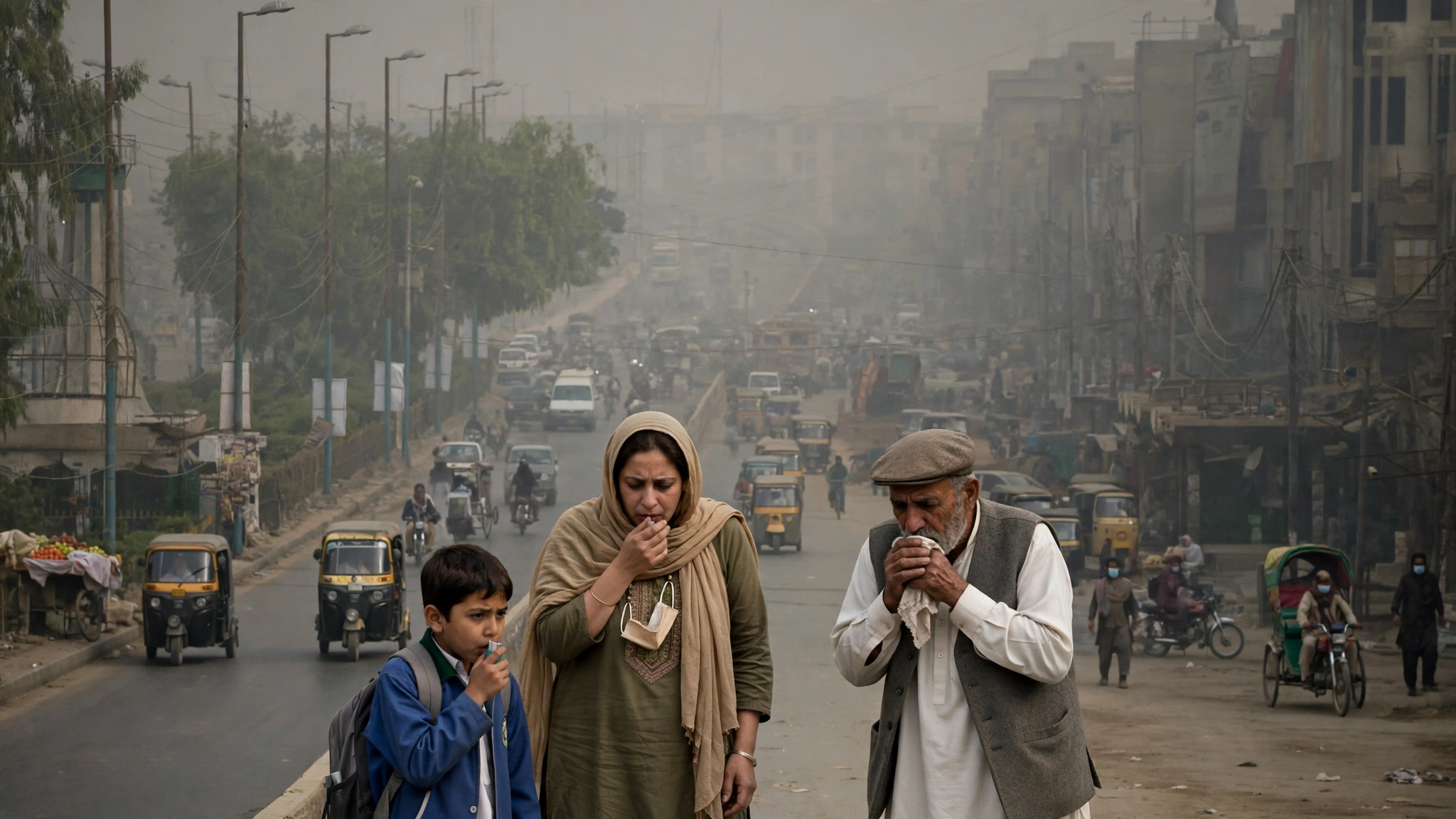
Air pollution is no longer a winter inconvenience in Pakistan. For millions of people in Lahore, Karachi, Faisalabad, Peshawar, Gujranwala and Multan, it is a daily health threat that shows up as a dry cough, burning eyes, a child’s wheezing at night, or a parent’s sudden heart trouble. Each autumn, the smog season turns skylines grey and pushes air quality readings into the “hazardous” range, often making Lahore the most polluted city on earth for days at a time.
What makes this air pollution crisis different from many others is that much of it is man-made and, in many cases, illegal. Brick kilns running on old technology, factories without emission controls, smoke-belching buses and burning crop residue all break existing environmental laws. Every year, authorities fighting air pollution demolish kilns, seal factories and register thousands of cases, yet the smoke returns.
This guide explains how air pollution in Pakistani cities affects your body, from your lungs and heart to your brain and your unborn child. It uses real data on hospital visits and life expectancy, and real enforcement cases that show who is responsible. Most importantly, it gives you practical steps to protect yourself and your family, without panic and without false comfort.
You cannot end air pollution on your own. But you can understand the risks, reduce your exposure and make choices that keep your household healthier during the worst months.
Why Air Pollution in Pakistan Is a Public Health Emergency
The air pollution numbers are hard to ignore. According to the Air Quality Life Index Pakistan fact sheet from the University of Chicago, fine particulate pollution takes about 3.3 years off the life of the average Pakistani compared with what it would be if the World Health Organization guideline were met. In Lahore, residents could gain more than five years of life expectancy if the air met that standard.
Hospital data shows the toll of air pollution in real time:
- In 2024, Punjab’s health department recorded around two million visits for respiratory illness in a single month during record smog.
- In late October 2025, more than 20,000 patients with breathing problems, chest infections, eye irritation and skin allergies were registered in just one week at Lahore’s five major public hospitals.
- Across 2025, more than 20 million people in Punjab were affected by smog, and over 600,000 Lahore residents sought treatment for smog-linked illness.
What Is in the Air You Breathe
The most dangerous pollutant is PM2.5, tiny particles less than 2.5 micrometres wide, about 30 times thinner than a human hair. They pass deep into the lungs and can enter the bloodstream. Other harmful air pollution sources and pollutants include:
- PM10: Larger dust particles from roads and construction.
- Nitrogen dioxide (NO2): Mostly from vehicle exhaust.
- Sulphur dioxide (SO2): From burning poor-quality fuel in industry and power plants.
- Ground-level ozone: Formed when vehicle and industrial emissions react in sunlight.
- Carbon monoxide: From incomplete burning of fuel.
The WHO’s annual guideline for PM2.5 is just 5 micrograms per cubic metre. During peak smog, parts of Lahore have recorded concentrations dozens of times higher.
Main Sources of Air Pollution in Pakistani Cities
- Vehicles: A leading air pollution source in many cities, millions of motorcycles, rickshaws, buses and trucks, many poorly maintained, burn low-grade fuel.
- Industry: Steel re-rolling mills, textile units and small factories often run without emission controls.
- Brick kilns: A major air pollution source, old-style kilns burn coal, rubber and waste and release thick black smoke.
- Crop residue burning: Farmers burn rice stubble after harvest in Punjab, and smoke drifts into cities.
- Construction and road dust: Unpaved roads and uncovered building materials add coarse particles.
- Waste burning: Open burning of garbage and plastic is common in many neighbourhoods.
- Cross-border smoke: Seasonal stubble burning across the border also adds to winter smog in Punjab.
It Is Not Only a Lahore Problem
Lahore gets the headlines, but air pollution in Karachi, Faisalabad, Multan, Gujranwala, Peshawar and Rawalpindi is also regularly unhealthy. In late October 2025, while Lahore’s AQI hit hazardous levels, Karachi was recorded in the “unhealthy” range as well. Smaller towns near industrial zones with heavy air pollution and brick kiln clusters often have no monitoring at all, so residents may not even know how bad their air is.


7 Shocking Ways Air Pollution Affects Your Health
Air pollution affects almost every organ in the body. Here are the seven most important health effects doctors in Pakistan are seeing.
1. Lung Disease and Breathing Problems
Your lungs take the first hit from air pollution. Short-term exposure triggers coughing, wheezing, throat irritation and chest tightness. Long-term exposure raises the risk of:
- Asthma and frequent asthma attacks
- Chronic bronchitis
- Chronic obstructive pulmonary disease (COPD)
- Pneumonia and chest infections, especially in children and the elderly
During smog season, when air pollution peaks, pulmonologists in Lahore report sharp jumps in patients with asthma flare-ups and acute respiratory infections.
2. Heart Attacks and Strokes
Many people do not realise that air pollution is a major heart risk. Fine particles inflame blood vessels, raise blood pressure and make blood more likely to clot. This increases the risk of heart attacks, irregular heartbeat and strokes. The AQLI ranks particulate pollution as one of the biggest threats to life expectancy in Pakistan, alongside cardiovascular disease itself.
3. Harm to Children’s Growth and Lungs
Children are hit hardest by air pollution. UNICEF notes that children breathe faster than adults and their lungs and brains are still developing, so they absorb more pollution relative to their size. In the worst-affected districts of Punjab, UNICEF has warned that more than 11 million children under five are exposed to toxic smog. Doctors in Lahore have reported paediatric wards overflowing with children suffering from respiratory illness during smog peaks.
Long-term air pollution exposure can reduce lung growth, increase the risk of lifelong asthma and affect learning and concentration.
4. Risks During Pregnancy
Pregnant women exposed to high levels of air pollution face higher risks of preterm birth and low birth weight. Fine particles can cross into the bloodstream and affect the developing baby. This makes smog season especially worrying for expectant mothers who commute or work outdoors.
5. Eye, Skin and Throat Irritation
Burning, watery and red eyes are among the most common air pollution complaints. Doctors also report rising cases of dry eye disease, skin allergies, rashes and persistent sore throats. These symptoms are often the first warning that air pollution levels are dangerously high.
6. Effects on the Brain and Mental Health
Research increasingly links long-term air pollution exposure to headaches, poor concentration, depression and anxiety. Experts in Pakistan have warned that toxic pollutants can contribute to life-altering problems like depression and affect children’s development. Being stuck indoors for weeks during smog season also takes a mental toll.
7. Cancer and a Shorter Life
The WHO’s cancer agency classifies outdoor air pollution as a cause of lung cancer. Combined with heart and lung disease, this is why air pollution shortens lives. According to the WHO fact sheet on ambient air quality and health, outdoor air pollution is linked to millions of premature deaths worldwide every year.
Who Is Most at Risk From Air Pollution
Everyone is affected by air pollution, but some groups face much higher risk:
- Children under five and school-going kids
- Elderly people, especially over 60
- Pregnant women
- People with asthma, COPD, diabetes or heart disease
- Outdoor workers such as traffic police, rickshaw drivers, delivery riders, construction labourers and street vendors
- Motorcyclists, who breathe exhaust directly in traffic
- Low-income families living near factories, kilns or busy roads, who often cannot afford purifiers or masks
The Illegal Side of Air Pollution: Real Enforcement Cases
Much of Pakistan’s air pollution comes from activities that are already against the law. Recent crackdowns show both the scale of the problem and how often people break the rules.
Brick Kilns and Factories
- Under Punjab’s Clean Air Campaign, authorities inspected over 11,000 brick kilns by early November 2025, demolishing 1,191 and sealing 1,335, while 484 factories were shut down, according to Dawn’s report on the Punjab crackdown.
- In one case, the Environmental Protection Agency demolished an industrial unit near Lahore after its owner broke the official seal twice in a single night.
- By December 2025, the Punjab Environment Protection Department reported demolishing 2,575 polluting units, registering 4,002 FIRs and imposing Rs711 million in fines since March 2024.
- In January 2026, the EPA told the Lahore High Court it had demolished 41 industrial units and nine brick kilns, and registered cases against 39 industrial units and 70 kiln owners.
Smoke-Emitting Vehicles
- More than 77,000 smoke-emitting vehicles were fined across Punjab in the 2025 campaign.
- The Punjab Transport Department fined over 8,000 vehicles and took thousands of unfit vehicles off the road in October 2025 alone.
Crop Residue Burning
Punjab Police reported hundreds of cases of crop residue burning during the 2025 smog season, with arrests and fines, while drones and quick response units were deployed to put out field fires before smoke reached cities.
The Uncomfortable Reality
Enforcement numbers rise every year, but air pollution keeps returning. Officials have admitted in the past that environmental departments lacked staff and resources. Small violators such as farmers and kiln workers often face fines, while systemic issues like poor fuel quality, weak vehicle inspection and unplanned industrial zones take far longer to fix. Real change needs fair enforcement, affordable alternatives for farmers and kiln owners, and consistent action outside the smog season too.
Ethical Responsibility: What Citizens Can Do
Air pollution is not only the government’s problem. Everyday choices that cut air pollution add up:
- Never burn garbage, leaves or plastic. It is illegal in many areas and adds toxic chemicals to air pollution.
- Maintain your vehicle. Get regular tuning, fix smoky exhausts and use proper fuel.
- Do not bribe your way through vehicle fitness checks. A fake certificate puts everyone’s lungs at risk.
- Report air pollution violators. Use your provincial EPA helpline or app to report smoky factories, kilns or open burning.
- Share rides and use public transport such as the Metro and Orange Line where available.
- Plant and protect trees and oppose illegal tree cutting.
- Treat workers fairly. Kiln labourers and farmers are often the poorest people in the chain. Support solutions, not just punishment.
How to Protect Yourself From Air Pollution
You cannot stop outdoor air pollution overnight, but you can sharply reduce how much of it you breathe.
Check the Air Quality Index Every Day
Use apps like IQAir or your provincial EPA’s monitoring data before going out.
| AQI Range | Category | What to Do |
|---|---|---|
| 0–50 | Good | Normal activity |
| 51–100 | Moderate | Sensitive people take care |
| 101–150 | Unhealthy for sensitive groups | Limit long outdoor activity |
| 151–200 | Unhealthy | Wear a mask, avoid outdoor exercise |
| 201–300 | Very unhealthy | Stay indoors as much as possible |
| 300+ | Hazardous | Avoid going outside unless necessary |
Wear the Right Mask
Cloth and surgical masks do little against PM2.5 air pollution. Use a properly fitted N95 or KN95 mask when outdoors on bad air days, especially if you ride a motorcycle.
Make Your Home a Safe Zone
- Keep windows and doors closed during peak smog hours, usually early morning and evening.
- Use an air purifier with a HEPA filter in the room where you sleep, if you can afford one.
- Avoid indoor air pollution from cigarettes, incense, wood stoves and frying with poor ventilation.
- Damp-mop floors instead of sweeping to avoid stirring up dust.
Adjust Exercise and Daily Routine
Move workouts indoors when air pollution is high. If you must go out, choose the afternoon when air pollution is often lower, and avoid busy roads.
Support Your Body
- Drink plenty of water.
- Eat fruits and vegetables rich in antioxidants.
- Keep asthma inhalers and prescribed medicines on hand.
- Get flu and pneumonia vaccines if your doctor recommends them.
Know When to See a Doctor
Seek medical help if you or a family member has shortness of breath, chest pain, a cough that will not go away, blue lips, confusion, or a child breathing unusually fast.
What Needs to Change
Lasting cuts in air pollution require action beyond seasonal crackdowns:
- Cleaner fuel standards and real vehicle emission testing
- Full conversion of brick kilns to cleaner zigzag technology
- Affordable machinery and incentives so farmers do not need to burn stubble
- More air pollution monitors in smaller cities
- Better public transport and walkable cities
- Regional cooperation on cross-border smoke
Conclusion
Air pollution in Pakistani cities is a serious and growing health crisis that shortens the average life by more than three years, fills hospitals with millions of patients during smog season, and harms the lungs, heart, brain, eyes, skin and unborn babies, with children, the elderly, pregnant women and outdoor workers at greatest risk; much of this smoke comes from illegal activity, as shown by the thousands of brick kilns demolished, factories sealed, FIRs registered and smoke-emitting vehicles fined across Punjab, yet enforcement alone has not solved it, so the most practical path is for families to check the AQI daily, wear N95 masks, protect their homes, limit outdoor exposure on bad days and seek medical care early, while citizens act ethically by refusing to burn waste, maintaining vehicles, reporting violators and supporting fair long-term solutions that let everyone breathe cleaner air.