Best Foods for Heart Health Commonly Found in Pakistan
Heart health starts in the Pakistani kitchen. These 12 affordable local foods help protect your heart, plus adulterated items families should avoid.
Heart Health in Pakistan: 12 Best Everyday Foods and Dangerous Fakes to Avoid
Heart health is no longer something Pakistanis can leave until retirement. Cardiologists in Karachi and Lahore now regularly see heart attacks in people in their thirties, and some in their twenties. Experts have warned that heart disease is the leading cause of death in the country, and that it tends to strike Pakistanis about a decade earlier than people in Western countries.
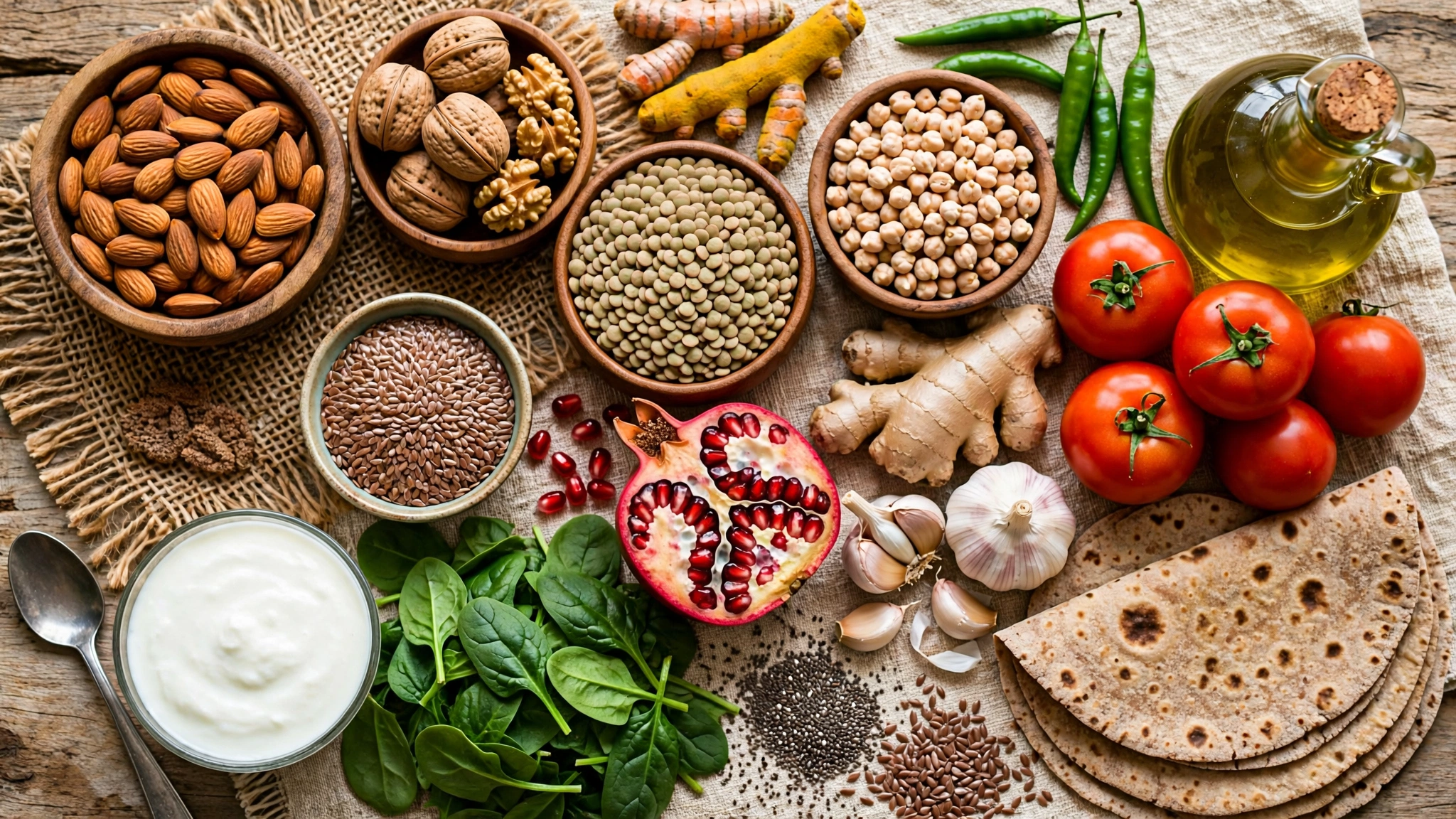
The good news is that some of the best heart health protection is already sitting in an ordinary Pakistani kitchen. Daal, chana, palak, amrood, akhrot, alsi, dahi and fresh fish are all affordable, familiar and backed by solid nutrition science. You do not need imported superfoods or expensive supplements for better heart health.
There is a catch, though. Food in Pakistan is not always what it claims to be. Food authorities regularly raid units making fake milk from powder and banaspati ghee, seize loose cooking oil that fails legal standards, and destroy adulterated spices. Industrial trans fats in vanaspati ghee and bakery products have been linked to thousands of deaths a year, which is why Pakistan introduced a national trans-fat limit in 2025.
This guide covers the best foods for heart health commonly found in Pakistan, why they work, how to fit them into desi meals, and how to avoid the adulterated and harmful products that quietly undo your efforts. It is practical, budget-aware and honest about the heart health risks.
Why Heart Health Matters So Much in Pakistan
Poor heart health is the biggest threat many Pakistani families face. At a 2023 World Heart Day briefing in Karachi, experts said heart-related deaths had risen from around 19 percent of deaths in 2016 to an estimated 29 percent, with heart attacks increasingly seen in people under 30, according to Dawn’s report on rising cardiac deaths in young Pakistanis.
The main drivers of poor heart health in Pakistan are well known:
- High blood pressure, often undiagnosed for years
- Diabetes, which affects tens of millions of Pakistanis
- Obesity, especially around the belly
- Smoking and other tobacco use, including naswar and sheesha
- Diets high in salt, ghee, fried food and sugar
- Physical inactivity, long sitting hours and poor sleep
- Stress linked to economic pressure and urban life
Diet affects almost every heart health risk on that list. That is why food choices are one of the most powerful tools for protecting your heart health.
How Food Affects Your Heart
The foods you eat influence heart health in several ways:
- Cholesterol levels: Saturated and trans fats raise “bad” LDL cholesterol, while fiber and healthy fats help lower it.
- Blood pressure: Too much salt raises blood pressure, while potassium-rich foods help balance it.
- Blood sugar: Refined flour and sugar cause spikes that damage blood vessels over time.
- Inflammation: Fruits, vegetables, nuts and fish contain compounds that reduce inflammation.
- Body weight: High-fiber foods keep you full longer and help control weight.
12 Best Foods for Heart Health Found in Pakistan
These heart health foods are widely available in Pakistani markets, most are affordable, and all fit easily into everyday desi cooking.


1. Daal and Chana (Lentils and Chickpeas)
Masoor, moong, mash, chana daal and kala chana are among the best foods for heart health you can buy. They are rich in soluble fiber, plant protein, potassium and magnesium, which help lower cholesterol and blood pressure.
How to eat it: Cook daal with less oil and add a tarka using a small amount of healthy oil. Boiled chana chaat with onion, tomato and lemon makes a great snack.
2. Whole Grains: Chokar Wali Atta, Daliya and Oats
Whole wheat flour with bran (chokar), daliya (broken wheat), oats and brown rice contain far more fiber than maida or polished white rice. Fiber supports heart health by lowering LDL cholesterol and keeping blood sugar steady.
How to eat it: Choose chokar wali atta for rotis, have daliya or oats for breakfast, and limit naan, paratha and bakery bread made from maida.
3. Leafy Greens: Palak, Saag and Methi
For heart health, spinach, sarson ka saag, methi and bathua are packed with potassium, folate, antioxidants and nitrates that support healthy blood vessels.
How to eat it: Cook saag with less butter and ghee than traditional recipes. Add palak or methi to daal and keema.
Note: If you take blood thinners such as warfarin, keep your intake of leafy greens consistent and talk to your doctor, because vitamin K affects these medicines.
4. Guava, Citrus and Pomegranate
Amrood (guava), kinnow, oranges, malta and anaar (pomegranate) are seasonal Pakistani favourites. They support heart health with vitamin C, fiber and antioxidants. Guava in particular is high in fiber and potassium.
How to eat it: Eat whole fruit rather than juice, which loses fiber and often has added sugar.
5. Bananas, Apples and Other Everyday Fruits
Bananas are rich in potassium, which helps control blood pressure and supports heart health. Apples and pears provide soluble fiber. Seasonal fruits like jaman, falsa and papaya also support heart health.
Caution: Mangoes are healthy in moderation but very high in natural sugar, so people with diabetes should watch portions.
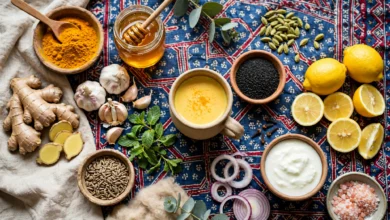
6. Garlic and Onion
Lehsan and pyaz are in almost every Pakistani dish. For heart health, garlic may help slightly lower blood pressure and cholesterol, and onions contain heart-friendly antioxidants.
How to eat it: Use them generously in cooking. Do not rely on garlic pills or “heart cleanse” remedies as a replacement for prescribed medicine.
7. Walnuts, Almonds and Peanuts
Akhrot (walnuts) from northern areas are rich in plant omega-3 fats. Badam (almonds) provide healthy fats and vitamin E. Peanuts are a budget-friendly heart health alternative with similar benefits.
How to eat it: A small handful a day is enough for heart health. Choose unsalted, unfried nuts rather than salted namkeen mixes.
8. Alsi (Flaxseed)
Alsi is a traditional Pakistani ingredient often used in winter pinni. It is one of the richest plant sources of omega-3 fats and soluble fiber, both good for heart health.
How to eat it: Grind it and add a spoonful to dahi, oats, roti dough or smoothies. Whole seeds often pass through undigested.
9. Fish
Fatty fish such as mackerel (bangra), sardines and pomfret, especially common in Karachi, provide omega-3 fatty acids that support heart health, heart rhythm and lower triglycerides. Freshwater fish like rohu and trout are also good choices.
How to eat it: Grill, bake or make a light salan instead of deep-frying in batter. Aim for fish once or twice a week.
10. Dahi (Plain Yogurt)
Plain, low-fat dahi provides protein, calcium and probiotics. It is a heart health friendly replacement for cream and malai.
How to eat it: Make raita with cucumber and mint, or have plain lassi without heavy salt or sugar.
11. Tomatoes, Carrots, Beetroot and Other Vegetables
Tomatoes contain lycopene, carrots provide beta-carotene, and beetroot is rich in nitrates that may help lower blood pressure. Lauki, tori, bhindi and cauliflower are all low-calorie, high-fiber options for heart health.
How to eat it: Fill half your plate with vegetables, and add a simple kachumber salad to meals.
12. Healthier Cooking Oils for Heart Health
Switching from banaspati ghee to oils such as canola, mustard (sarson), sunflower, soybean or olive oil is one of the most important changes for heart health in Pakistani homes.
How to use it: Measure oil with a spoon instead of pouring it, and keep deep-frying for special occasions.
Foods That Harm Heart Health
Eating good foods matters, but cutting foods that harm heart health matters just as much.
- Banaspati and vanaspati ghee, a major source of trans fats
- Deep-fried snacks like samosas, pakoras and jalebi, often fried in reused oil
- Excess salt in pickles, namkeen, papad and restaurant food
- Sugary drinks such as soda, packaged juices and sweet lassi
- Processed meats and nuggets
- Bakery items like rusks, biscuits and puffs made with hydrogenated fats
- Red meat and organ meats in large amounts, especially during Eid
The Reality: Adulteration and Illegal Food Practices in Pakistan
Even the healthiest diet can fail to protect heart health if the food itself is fake or contaminated. Pakistani food authorities have exposed many such cases.
Fake Milk Made With Banaspati Ghee
Milk is supposed to be a healthy staple, but fake milk is a recurring problem.
- In 2025 and 2026, the Punjab Food Authority (PFA) repeatedly raided fake milk units in Lahore, Rawalpindi, Sargodha and elsewhere, finding milk made from powder, water, vegetable ghee and chemicals.
- In one joint operation, the PFA and Islamabad Food Authority destroyed 8,000 litres of adulterated milk prepared from powdered milk and vanaspati ghee for supply during Ramazan.
- In a Lahore crackdown in September 2025, the PFA discarded 35,000 litres of adulterated milk and registered 10 FIRs.
Fake milk made with hydrogenated fat can add exactly the kind of fat that damages heart health.
Substandard Cooking Oil
In 2025, the PFA seized hundreds of litres of loose cooking oil in South Punjab that failed legal requirements, including the absence of the mandatory food-grade dye used to identify loose oil. Unbranded, reused or substandard oil may contain harmful fats and impurities that threaten heart health.
Adulterated Spices
The PFA has seized large quantities of counterfeit red chilli powder, along with fake food colours and artificial flavours. Adulterated spices may contain unsafe dyes or other harmful materials.
The Trans Fat Problem
Industrially produced trans fats, found in vanaspati ghee, bakery shortening and many fried foods, are estimated to contribute to more than 15,000 deaths a year in Pakistan. In March 2025, the Pakistan Standards and Quality Control Authority adopted a national standard limiting these trans fats to less than 2 percent of total fat in all foods, as reported in the APP report on Pakistan’s trans-fat regulation. Advocates stress that enforcement is the next challenge for national heart health.
How to Protect Your Family’s Heart Health From Fake and Unsafe Food
- Buy milk from trusted sources and report suspicious taste, smell or texture to your provincial food authority.
- Avoid loose, unbranded oil and choose sealed, licensed brands.
- Buy whole spices and grind them at home when possible.
- Read labels for “partially hydrogenated oil,” “vanaspati” or “shortening.”
- Avoid food from vendors who reuse dark, smoky oil repeatedly.
- Report adulteration to the Punjab Food Authority or your local food authority helpline.
Ethical Choices for Better Heart Health
Food choices also affect the heart health of other people:
- Do not sell or serve adulterated food that puts heart health at risk. Shopkeepers, dhaba owners and caterers who cut costs with fake milk or reused oil harm thousands of customers.
- Be honest about health claims. Herbal sellers and social media “experts” who promise to “open blocked arteries” with powders or teas can delay real heart health treatment.
- Never stop prescribed heart medicines without your doctor’s advice, even if you improve your diet.
- Support honest local producers of milk, eggs, vegetables and grains.
A Simple Desi Day Plan for Heart Health
| Meal | Example |
|---|---|
| Breakfast | Daliya or oats with milk, a spoon of ground alsi and a banana |
| Mid-morning | A guava or a small handful of walnuts |
| Lunch | Chokar wali roti, daal, sabzi and kachumber salad |
| Evening | Green tea with roasted chana |
| Dinner | Grilled fish or chicken, palak, raita and one roti |
Lifestyle Habits That Boost Heart Health
Diet works best for heart health alongside other habits. The World Health Organization fact sheet on cardiovascular diseases notes that most heart disease can be prevented by addressing behavioural risk factors such as tobacco use, unhealthy diet, physical inactivity and harmful alcohol use.
- Walk at least 30 minutes a day, five days a week.
- Quit smoking, naswar and sheesha.
- Check your blood pressure, sugar and cholesterol at least once a year after 30.
- Sleep seven to eight hours.
- Manage stress through prayer, family time or simple breathing exercises.
Conclusion
Protecting your heart health in Pakistan does not require expensive superfoods, because everyday local staples such as daal and chana, chokar wali atta and daliya, palak and saag, guava and citrus fruits, bananas, garlic and onion, walnuts and almonds, alsi, fish, plain dahi, colourful vegetables and healthier cooking oils can lower cholesterol, control blood pressure and keep weight in check; at the same time, families must cut back on banaspati ghee, fried snacks, salt and sugar, and stay alert to real cases of fake milk made with vegetable ghee, substandard loose oil and adulterated spices, while supporting the national trans-fat limit, buying from trusted sources, reporting adulteration, avoiding false miracle cures and pairing a heart-friendly diet with exercise, regular check-ups and no tobacco for a longer and healthier life.