Best Sleep Tracking Apps and Gadgets for Better Rest
Sleep tracker reviews covering rings, watches, mattress pads and apps, with honest notes on accuracy, data privacy and safety recalls before you buy.
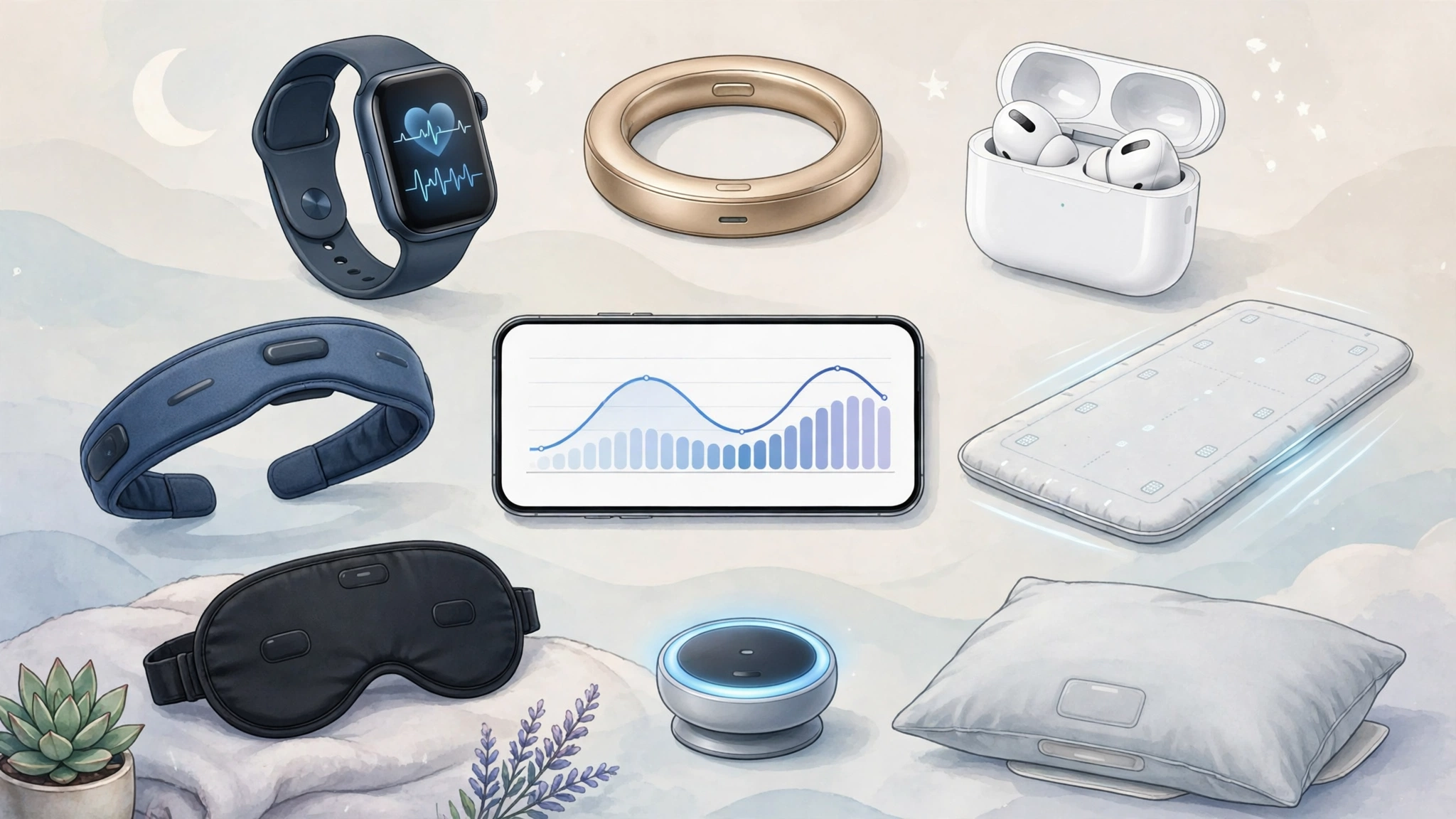
Sleep Tracker Guide: 9 Best Apps and Gadgets for Truly Better Rest
A sleep tracker promises something almost everyone wants: a clear answer to the question “why am I still tired?” Strap on a ring or a watch, and the next morning you get a score, a chart of your sleep stages, your heart rate and maybe a gentle nudge to go to bed earlier. For millions of people, that data is now part of the morning routine.
But the honest picture is more complicated than the marketing. Every consumer sleep tracker estimates sleep stages rather than measuring them the way a sleep lab does. Some apps have shared sensitive health data they promised to keep private. One popular smartwatch was recalled after it burned users’ wrists, and the company later paid a large federal penalty for reporting the problem too slowly. And some cheap gadgets sold online make medical claims that regulators say are flat-out unsafe.
This guide covers the best sleep tracking apps and gadgets available right now, from smart rings and smartwatches to under-mattress pads and free phone apps. For each one, you will see what it does well, where it falls short, and who it suits. You will also learn how to read your sleep data without becoming obsessed with it, how to protect your privacy, and which red flags should make you walk away from a product.
This guide will help you decide whether a sleep tracker will actually improve your rest, and if so, which one fits your life and budget.
What a Sleep Tracker Actually Measures
Before choosing a sleep tracker, it helps to know what is happening under the hood. Most sleep tracker devices do not read your brain waves. Instead, they combine several signals and use algorithms to make an educated guess.
Common Sensors and Signals
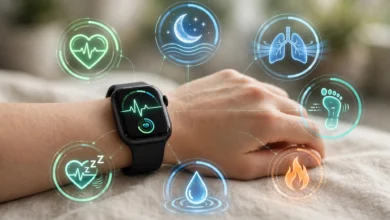
- Movement (accelerometer): Detects when you toss, turn or lie still. This is the oldest sleep tracker method and the basis of most phone apps.
- Heart rate and heart rate variability (HRV): Optical sensors track how your heart rhythm changes across the night, which helps estimate light, deep and REM sleep.
- Skin temperature: A ring-style sleep tracker and some watches track small temperature shifts that can hint at illness, stress or menstrual cycle changes.
- Blood oxygen (SpO2): Estimates oxygen levels, which can point to breathing disturbances.
- Sound and breathing: A phone or bedside sleep tracker listens for snoring, coughing and breathing patterns.
Sleep Tracker vs Sleep Lab
A clinical sleep study, called polysomnography, uses sensors on your scalp, face and chest to measure brain activity, eye movement, muscle tone and breathing. That is the gold standard. A consumer sleep tracker is good at telling whether you were asleep or awake and how long you slept. It is less reliable at splitting the night into exact stages. Treat sleep tracker stage data as a rough trend, not a diagnosis.
How We Judged the Best Sleep Tracking Devices
The sleep tracker picks below are based on what leading reviewers and testing labs consistently rank highly, combined with practical factors that matter after the first week of excitement:
- Comfort overnight: If you take it off, it cannot track anything.
- Accuracy for total sleep time: The most useful and most reliable sleep tracker metric.
- Useful insights: Clear advice beats a pile of charts.
- Battery life: Charging every night is a common reason people give up on a sleep tracker.
- Cost and subscriptions: Several devices lock key features behind a monthly fee.
- Privacy practices: How the company stores and shares your sleep data.
9 Best Sleep Tracker Apps and Gadgets
1. Oura Ring
The Oura Ring is the device most testers name as the best overall sleep tracker. It is small, light and easy to forget you are wearing, which makes it great for people who hate wearing a watch to bed. It tracks heart rate, HRV, temperature and movement, and its morning readiness score is easy to understand.
Best for: People who want a detailed sleep tracker in a discreet format. Watch out for: A high upfront price plus an ongoing membership for the full app experience, and correct sizing is essential for accurate readings.

2. Samsung Galaxy Ring
The Samsung Galaxy Ring is a strong alternative smart ring sleep tracker, especially for Android and Samsung phone users. It works with the Samsung Health app and does not require a monthly subscription for its core features, which makes the long-term cost easier to live with.
Best for: Samsung and Android users who want a ring without recurring fees. Watch out for: The experience is best inside the Samsung ecosystem.
3. Apple Watch
If you already own an Apple Watch, you already have a capable sleep tracker on your wrist. It records sleep stages, heart rate, breathing rate and overnight vital signs, and it flags changes that might suggest you are getting sick.
Best for: iPhone users who want one device for everything. Watch out for: Battery life means you need a charging routine, and some people find a watch uncomfortable in bed.
4. Fitbit Charge 6
The Fitbit Charge 6 is a slim fitness band and sleep tracker that offers good tracking at a much lower price than rings or premium watches. Its battery lasts several days, and the sleep score is simple and motivating.
Best for: Budget buyers who want activity and sleep tracking together. Watch out for: Some advanced sleep insights require a paid Fitbit Premium plan.
5. Whoop
Whoop is a screenless sleep tracker and band built around recovery. It focuses heavily on sleep, strain and HRV, and it tells you how much sleep you need based on how hard you trained.
Best for: Athletes and people who train regularly. Watch out for: It runs on a subscription model, so you pay every year to keep using it.
6. Garmin Index Sleep Monitor
The Garmin Index Sleep Monitor is an armband worn on the upper arm, designed for people who do not want anything on their wrist or finger at night. It is comfortable and syncs with Garmin’s ecosystem.
Best for: Existing Garmin users and anyone who wants a sleep tracker that is not a watch. Watch out for: It is a dedicated sleep tracker, so you still need something else for daytime fitness.
7. Withings Under-Mattress Sleep Analyzer
The Withings Sleep Analyzer is a sleep tracker that slides under your mattress and tracks sleep without anything touching your body. It monitors sleep cycles, heart rate and snoring, and it is designed to detect breathing disturbances during the night.
Best for: People who cannot sleep with a wearable. Watch out for: It tracks only one side of the bed and cannot follow you when you travel.
8. Sleep Cycle App
Sleep Cycle is one of the best-known sleep tracking apps. It uses your phone’s microphone or motion sensor to estimate sleep phases and wakes you during a lighter phase within a chosen window, so the alarm feels less jarring. It also records snoring and sleep talking.
Best for: Anyone who wants to try a sleep tracker app without buying hardware. Watch out for: Accuracy is lower than a wearable, and audio recording raises obvious privacy questions if you share a room.
9. Free and Low-Cost Phone Apps
Apps such as SleepScore, Pillow for iPhone and Sleep as Android offer basic tracking, smart alarms and bedtime reminders for little or no money. Built-in tools like iPhone’s Sleep schedule or Android’s Bedtime mode also help you build a consistent routine.
Best for: Testing whether a sleep tracker helps you before spending on a gadget. Watch out for: Free apps often earn money from data and ads, so read the privacy policy carefully.
Quick Comparison of Top Sleep Trackers
| Device or App | Type | Subscription | Best For |
|---|---|---|---|
| Oura Ring | Smart ring | Yes | Detailed insights |
| Samsung Galaxy Ring | Smart ring | No (core features) | Android users |
| Apple Watch | Smartwatch | No | iPhone users |
| Fitbit Charge 6 | Fitness band | Optional | Budget buyers |
| Whoop | Screenless band | Yes | Athletes |
| Garmin Index Sleep Monitor | Armband | No | Watch-free sleepers |
| Withings Sleep Analyzer | Under-mattress pad | Optional | No-wearable users |
| Sleep Cycle | Phone app | Optional | Smart alarm |
| SleepScore, Pillow, Sleep as Android | Phone apps | Optional | Trying it out |
The Reality Check: Lawsuits, Recalls and Illegal Practices
Most comparison guides skip this section. But a sleep tracker sits on your body all night and collects some of the most personal data you have. Past cases show why every sleep tracker buyer should care about safety and privacy, not just features.
When a Wearable Burned Its Users
Fitbit’s Ionic smartwatch, which many people used as a sleep tracker, is the clearest example. According to the U.S. Consumer Product Safety Commission announcement on the Fitbit penalty, Fitbit received numerous reports of the watches overheating between 2018 and 2020, including second- and third-degree burns. The company agreed to pay a $12.25 million civil penalty in January 2025 for failing to report the hazard immediately, as the law requires. By the time of the 2022 recall, there were 78 burn injuries reported in the U.S. and 40 more internationally.
Lesson: Stop wearing any sleep tracker that gets unusually hot, and check recall databases before buying second-hand.
When Health Data Was Shared Without Permission
The U.S. Federal Trade Commission alleged that Flo Health, maker of a period and ovulation tracking app used by millions, shared sensitive health data with marketing and analytics firms including Facebook and Google, despite promising to keep it private. The FTC’s final order against Flo Health required the company to notify affected users and instruct third parties to destroy the data. Flo said the settlement was not an admission of wrongdoing.
Flo is not a sleep tracker, but the lesson applies directly. A sleep tracker app can collect heart rate, breathing, audio recordings, location and sometimes menstrual and mood data. If a health app can share pregnancy information with advertisers, a sleep app can share your nightly habits.
When Gadgets Made Dangerous Medical Claims
In February 2024, the U.S. Food and Drug Administration issued a safety warning against smartwatches and smart rings that claim to measure blood glucose without piercing the skin. The FDA said it has not authorized any such device. Many of these products are cheap no-name sleep tracker and fitness gadgets sold online that also advertise sleep features. For people with diabetes, a false reading could lead to a dangerous medication error.
Lesson: If a cheap tracker claims to do something the big brands cannot, such as needle-free blood sugar, blood pressure or diagnosing sleep apnea without clearance, treat it as a red flag.
How to Protect Your Privacy When Using a Sleep Tracker
- Read the privacy policy before you create an account, especially the parts about “partners” and “advertising.”
- Turn off sleep tracker features you do not need. Disable microphone recording, location tracking and social sharing if they are not essential.
- Avoid unknown brands that have no clear company address, privacy policy or customer support.
- Use strong passwords and two-factor login on your health accounts.
- Delete old data you no longer need, and remove the account when you stop using a device.
- Be careful with workplace or insurance programs that ask you to share sleep data in exchange for discounts.
The Ethics of Tracking Sleep
Respect the People You Sleep Near
A snore-recording sleep tracker app can capture a partner’s voice, private conversations or a roommate’s sleep talk. Ask before recording, and never share those clips online without consent.
Do Not Use a Sleep Tracker to Self-Diagnose
A sleep tracker can suggest that something is off, such as frequent oxygen dips or loud snoring, but it cannot diagnose sleep apnea, insomnia or other disorders. If your sleep tracker data or your symptoms worry you, see a doctor or a sleep specialist.
Watch Out for “Orthosomnia”
Sleep researchers use the term orthosomnia for anxiety caused by chasing a perfect sleep score. Some people sleep worse because they lie awake worrying about their sleep tracker numbers. If checking your score stresses you out, hide it for a week and notice how you actually feel.
How to Get Better Rest With Your Sleep Tracker Data
A sleep tracker is only useful if it changes what you do. Focus on habits that your data can help reinforce:
- Keep a consistent schedule. Going to bed and waking up at the same time is one of the most powerful habits for better sleep.
- Watch caffeine and alcohol. Many people see their HRV and deep sleep drop after evening drinks.
- Cool, dark and quiet room. Temperature trends from rings can show how room heat affects you.
- Limit late screens. Use bedtime modes to reduce notifications.
- Look at weekly trends, not single nights. One bad sleep tracker score means very little.
How to Choose the Right Sleep Tracker for You
- If you hate wearables: Choose an under-mattress sleep tracker or a phone app.
- If you want the most detailed insights: Choose a smart ring.
- If you already own a smartwatch: Use its built-in sleep tracking before buying anything else.
- If budget is tight: A fitness band or a free app is enough to start.
- If you train hard: A recovery-focused sleep tracker band makes sense.
- If privacy is your top concern: Pick an established brand with clear data controls and avoid free apps that rely on advertising.
Conclusion
The best sleep tracker is the one you will actually wear or use every night, whether that is a smart ring like Oura or the Samsung Galaxy Ring, a smartwatch such as the Apple Watch, an affordable Fitbit band, a Whoop or Garmin armband, a Withings pad under the mattress, or a simple app like Sleep Cycle; these tools are good at showing how long and how consistently you sleep but only estimate sleep stages, and real cases such as Fitbit’s $12.25 million penalty over burning smartwatches, the FTC’s action against Flo Health for sharing sensitive data, and the FDA’s warning about fake blood glucose wearables show why safety, privacy and honest marketing matter as much as features, so choose an established brand, lock down your data settings, respect the people around you, see a doctor for real symptoms, and use your trends to build steady habits that lead to truly better rest.