How Inflation Is Affecting Small Businesses in Pakistan
Inflation impact on small businesses in Pakistan explained with real data, illegal hoarding cases and ethical ways owners can protect their profits.
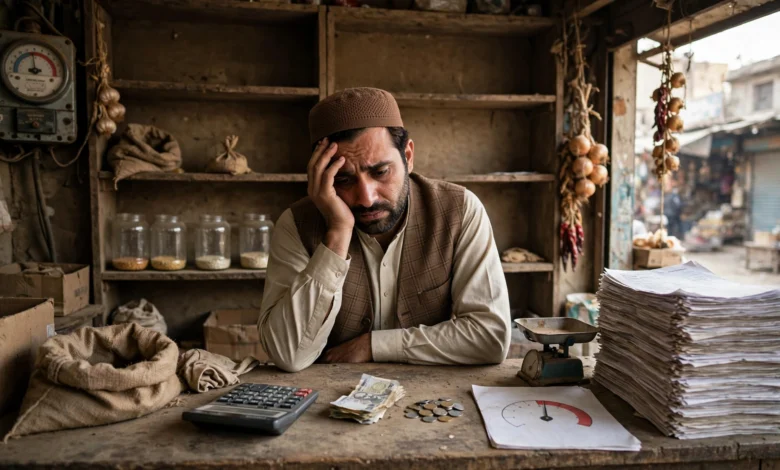
Inflation Impact on Small Businesses in Pakistan
Introduction
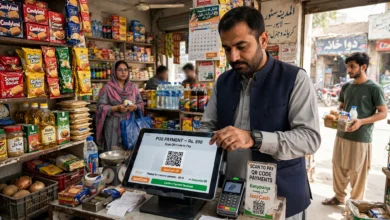
The inflation impact on small businesses in Pakistan is not an abstract economics topic. It shows up every morning when a kiryana store owner checks the new price of cooking oil, when a tailor’s electricity bill doubles, or when a small restaurant has to choose between raising menu prices and losing regular customers.
For a short while in 2025, it looked like the worst was over. Average inflation fell to about 4.5 percent in fiscal year 2025, down from the painful 29 percent peak of FY2023. Then oil prices jumped after the conflict in the Middle East, and prices started climbing again. By September 2026, headline inflation was back above 10 percent, with electricity, motor fuel, and wheat flour among the items rising fastest.
Small and medium enterprises (SMEs) feel this more than anyone. They do not have big cash reserves, cheap bank credit, or the bargaining power of large companies. Many are informal, family-run, and one bad season away from closing.
This article looks at the real story behind rising prices: what inflation does to a small business, which costs hurt the most, and how illegal practices like hoarding, cartels, and smuggling have made things worse in the past. It also covers honest, practical ways owners can protect their margins without cheating customers or breaking the law.
Inflation Impact on Small Businesses in Pakistan: The Numbers Behind It
To understand the inflation impact on small businesses in Pakistan, start with the trend. Prices have not risen at a steady pace. They have swung sharply, and those swings are what make planning so hard for a small firm.
After the record spike of FY2023, inflation cooled to its lowest level in years in FY2025, then turned upward again as global oil prices rose. According to the Pakistan Bureau of Statistics CPI release for September 2026, headline inflation stood at 10.26 percent year on year, well above the State Bank’s 5 to 7 percent target.
Why the averages hide the real pain
Headline inflation is an average across hundreds of items. The things small businesses depend on have often risen much faster. In September 2026, PBS data showed electricity charges up about 32 percent, motor fuel up about 38 percent, and wheat up about 41 percent over the year. Wholesale price inflation was also running above consumer inflation, a sign that input costs for traders and manufacturers were climbing faster than shop prices.
For a business owner, this gap between costs and selling prices is where the damage happens.
7 Harsh Realities: How Inflation Is Affecting Small Businesses in Pakistan
Every small business owner can tell you prices are high. What is less obvious is how inflation attacks a business from several directions at once. Here are the seven pressures that show up again and again in conversations with shopkeepers, manufacturers, and service providers.

1. Raw material and stock costs rise faster than selling prices
When a bakery’s flour, sugar, and ghee all go up in the same month, it cannot raise the price of a cake by the same amount overnight. Customers notice, and competitors may hold their prices to steal business. The result is a profit margin squeeze: sales may look the same, but the money left at the end of the month shrinks.
Wholesale prices make this worse. In September 2026, wholesale price inflation was running above consumer inflation, which means the cost of goods reaching shopkeepers was rising faster than what they could pass on to buyers.
2. Electricity and fuel bills eat into every rupee
For many SMEs, energy is now the single biggest monthly cost after rent. According to PBS data cited by business leaders in October 2026, electricity charges were up about 32 percent and motor fuel nearly 38 percent compared to a year earlier. A small printing press, cold storage unit, or welding workshop cannot run without power, so these costs land straight on the bottom line.
Delivery businesses, transporters, and anyone who sells outside their own neighbourhood also pay more for fuel, which pushes up the cost of every order.
3. Borrowing becomes expensive or impossible
To fight inflation, the State Bank of Pakistan raises its policy rate. In June 2023 it hit a record 22 percent. It came down sharply after that, but in 2026 the central bank raised it again by 100 basis points to 11.5 percent to contain the oil price shock.
For a small business, this means:
- Running finance and working capital loans cost more
- Banks become more cautious about lending to SMEs with thin records
- Many owners turn to informal lenders who charge even higher rates
The SME financing gap in Pakistan was already large before inflation. High interest rates make it wider.
4. Customers buy less and buy cheaper
When household budgets are squeezed, people cut back on anything that is not essential. Restaurants, clothing boutiques, salons, furniture makers, and gift shops feel this first. Customers switch to cheaper brands, buy smaller pack sizes, or simply delay purchases.
Even essential goods are affected. Shopkeepers report customers buying half a kilo of something they used to buy by the kilo, and asking for credit (udhaar) more often.
5. Cash flow gets tight and working capital runs out
Inflation means you need more money to buy the same amount of stock. A shop that needed Rs 500,000 to fill its shelves two years ago may now need far more for the same goods. At the same time, more customers ask for credit and pay later. This combination quietly drains working capital until the owner cannot restock at all.
6. Wages and staff retention become a problem
Employees struggle with rising costs too, and they ask for raises. Provincial governments raise the minimum wage regularly. Small employers often cannot afford big increases, so good staff leave for larger firms or go abroad. Training new workers costs time and money that a small business does not have.
7. Rupee weakness raises import costs
Many small businesses depend on imported inputs, from mobile phone parts and machinery to dyes, chemicals, and packaging. When the rupee weakens, the cost of these imports rises immediately. Even businesses that buy locally are affected, because their suppliers often rely on imported raw materials.
Together, these seven pressures explain why so many SMEs feel they are working harder than ever while earning less.
Illegal Practices That Made Inflation Worse in Pakistan
Not all price rises come from global oil markets or the exchange rate. Some are man-made. Hoarding, cartels, smuggling, and adulteration have pushed prices up in Pakistan again and again, and small businesses usually end up paying for them twice: once as buyers of raw materials, and again when angry customers blame the shopkeeper.
The sugar cartel case
The 2019-20 sugar crisis is the best-known example. After prices shot up, the government ordered an inquiry, and the Competition Commission of Pakistan (CCP) raided the offices of the Pakistan Sugar Mills Association. In August 2021, the CCP announced a penalty of about Rs 44 billion on the association and its member mills, the largest in its history. According to the CCP order as reported by Business Recorder, the mills were accused of collectively deciding export quantities and controlling domestic supply.
The legal story did not end there. In September 2025, the Supreme Court annulled the fine on procedural grounds, ruling that the decision process was unlawful, while leaving the CCP free to start fresh proceedings. Whatever the final legal outcome, the episode showed how coordinated behaviour by a few large players can raise the price of a basic item for millions of people, including every bakery, mithai shop, and tea stall in the country.
The 2020 petrol shortage
In June 2020, the government cut petrol prices, and almost immediately petrol became hard to find. Long queues formed at pumps across the country. Regulators and an inquiry later pointed to oil marketing companies holding back supply in expectation of a price increase. For small transporters, rickshaw drivers, and delivery businesses, this meant lost days of income and black-market prices.
Wheat and flour hoarding
Wheat flour shortages in 2020 and again in later years were linked partly to poor planning and partly to hoarding by some traders and mills. When atta disappears from shelves, tandoors and roti shops either pay inflated prices or close for the day. Food authorities and district administrations regularly raid warehouses holding stocks beyond permitted limits.
Dollar smuggling and currency speculation
In 2023, the rupee lost value rapidly, partly due to illegal currency trading and smuggling of dollars across the border. In September 2023, authorities launched a crackdown on illegal exchange operators and smuggling networks, and the rupee recovered noticeably within weeks. A weaker rupee raises the cost of every imported input, so this illegal trade hurt importers, manufacturers, and shopkeepers alike.
Smuggled goods and unfair competition
Smuggled goods, from cooking oil and tyres to electronics and fabric, avoid customs duty and sales tax. This allows smugglers to undercut honest businesses that pay their taxes. It also reduces government revenue, which pushes the state to raise taxes on those who are already in the system.
What these cases teach small business owners
It is tempting, when prices are rising every week, to hold back stock, sell above notified rates, or mix cheaper ingredients into products. These are not survival tactics. They are offences:
- Hoarding essential goods beyond permitted limits can lead to stock seizure and fines.
- Overcharging above government-notified prices regularly leads to fines by price control magistrates.
- Adulteration of milk, spices, oil, or other food can get a business sealed by provincial food authorities.
- Selling smuggled goods risks confiscation and legal cases under customs law.
Beyond the legal risk, these practices destroy trust. In a neighbourhood market, a reputation for honesty is often worth more than one season’s extra profit.
Proven Ways Small Businesses in Pakistan Can Survive Inflation Ethically
There is no magic fix for the inflation impact on small businesses in Pakistan, but owners who plan carefully tend to come out of high-inflation periods stronger than competitors who react in panic. These strategies are practical, legal, and fair to customers.
Know your real costs every month
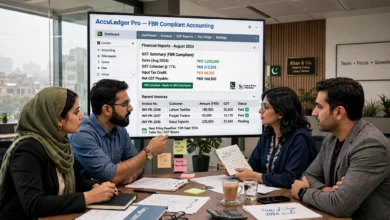
Many small businesses still price products based on what they paid six months ago. During inflation, that is a fast way to lose money. Update your cost sheet monthly, including electricity, fuel, packaging, and rent, not just raw materials. When you know your true cost per unit, you can set prices that cover it.
Raise prices in small, clear steps
Customers in Pakistan understand that prices are rising. What upsets them is sudden, unexplained jumps. Smaller, regular adjustments with a short explanation (“flour went up Rs 20 per kg this month”) feel more honest than one big shock. Some businesses also offer a smaller pack or portion at the old price, as long as the size is clearly labelled. Quietly shrinking a product without telling customers damages trust.
Cut energy costs where you can
With electricity up by roughly a third in a year, energy savings now pay back faster than ever:
- Switch to LED lighting and inverter-based fans and ACs.
- Run heavy machines outside peak hours where tariffs are lower.
- Consider rooftop solar if you own the premises. Many small factories and shops have recovered the cost within a few years.
- Service generators and machines regularly to reduce fuel waste.
Manage inventory smartly, not illegally
There is a difference between sensible stock planning and hoarding. Buying a reasonable extra quantity of non-essential raw materials when prices are favourable is normal business. Holding back essential goods from the market to sell later at a higher price is illegal. Keep stock levels tied to real demand, and review slow-moving items so cash is not stuck on shelves.
Tighten credit and protect cash flow
- Set clear limits on udhaar for each customer.
- Ask regular buyers for partial advance payments on large orders.
- Negotiate longer payment terms with suppliers where possible.
- Accept digital payments like Raast, JazzCash, and Easypaisa so money reaches you faster.
Diversify products and customers
If demand for your main product falls, a related product can keep income steady. A tailor can add alterations and school uniforms. A restaurant can add affordable lunch deals for offices. A small manufacturer can look for export orders, where earnings in foreign currency offer some protection against a weaker rupee.
Go digital to reach more buyers
Selling through WhatsApp Business, Facebook, Instagram, Daraz, and food delivery apps lets small businesses reach customers outside their street. Digital records also make it easier to track costs, apply for loans, and show income to banks.
Stay compliant and formal
It sounds counterintuitive during hard times, but getting an NTN, filing returns, and keeping proper records gives you access to formal bank credit, government schemes, and bigger buyers who only work with registered suppliers. Informal businesses are often stuck with the most expensive money and the smallest customers.
Government Support and Where Small Businesses Can Get Help
Public support for SMEs in Pakistan exists, but many owners never use it because they do not know where to look. Schemes and terms change often, so always confirm the latest details on official websites before applying.
Financing options
- State Bank of Pakistan SME refinance schemes: The SBP runs refinance and credit guarantee programmes through commercial banks, aimed at making loans cheaper and easier for small firms. Details are on the State Bank of Pakistan website.
- Prime Minister’s youth business loan schemes: These have offered subsidised loans to young entrepreneurs, with some quotas for women.
- Microfinance banks: For very small businesses, microfinance banks offer smaller loans with simpler paperwork than commercial banks.
Advice and training
- SMEDA (Small and Medium Enterprises Development Authority) provides free business guidance, pre-feasibility studies, and training programmes.
- Chambers of commerce in major cities often run workshops on taxation, exports, and financing.
- Provincial skills programmes offer short courses that can help owners and staff learn digital marketing, accounting, and technical skills.
Where to report illegal practices
If you see hoarding, cartel behaviour, or price fixing by suppliers, you can raise it with:
- The Competition Commission of Pakistan for cartels and price fixing
- Your district administration or price control magistrate for overcharging and hoarding of essential items
- Provincial food authorities for adulteration
Reporting is not only a civic duty. When large players manipulate prices, small businesses are among the biggest losers.
Conclusion
The inflation impact on small businesses in Pakistan has come back hard in 2026 after a brief period of relief, with headline inflation above 10 percent and electricity, fuel, and wheat leading the increases. Small firms are hit from every side: costlier stock, crushing energy bills, expensive credit, weaker customer demand, tight cash flow, wage pressure, and a fragile rupee. History shows that illegal practices such as sugar cartels, petrol hoarding, flour hoarding, and dollar smuggling have repeatedly made these pressures worse, and that copying them is never a real survival plan. The businesses that last are the ones that track their true costs, raise prices honestly and gradually, cut energy waste, manage stock and credit carefully, go digital, and stay formal enough to access bank credit and government support. Inflation will rise and fall again, but a business built on fair dealing and good numbers is far more likely to still be standing when it does.
Keywords and SEO Check Points
Focus keyword: inflation impact on small businesses in Pakistan
LSI keywords used: inflation in Pakistan 2026, SME sector in Pakistan, rising cost of doing business, profit margin squeeze, SBP policy rate, electricity prices in Pakistan, SME financing gap in Pakistan, hoarding and price gouging, sugar cartel Pakistan, inflation survival strategies
10 keywords: