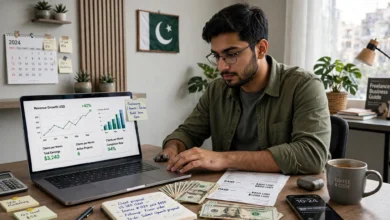
How the State Bank’s Policies Affect Everyday Businesses
State Bank policies shape loan costs, prices, the rupee, and cash flow. A clear look at how SBP decisions affect Pakistani businesses, big and small.
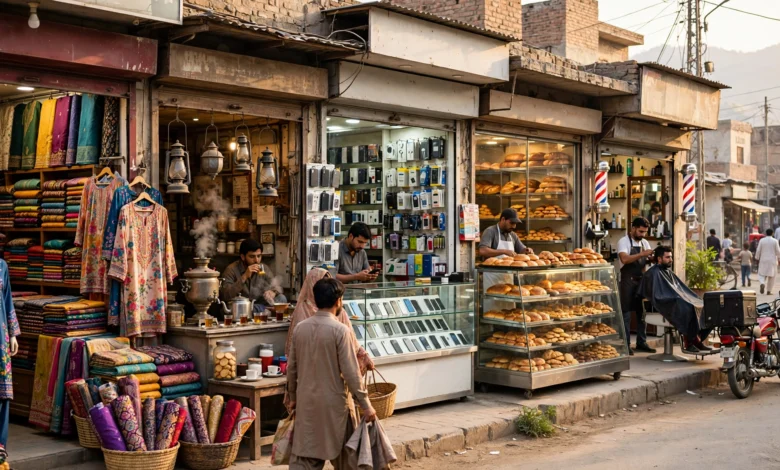
State Bank Policies Explained: 7 Powerful Ways They Help or Hurt Everyday Businesses
Introduction
State Bank policies reach far beyond bankers and economists. When the State Bank of Pakistan changes the policy rate, tightens import rules, or pushes digital payments, the effect shows up in a shopkeeper’s credit line, a manufacturer’s raw material bill, and a freelancer’s dollar earnings. Most business owners feel these changes long before they understand where they came from.
As of October 2026, the SBP policy rate stands at 11.5%, after a hike earlier this year and two meetings where the State Bank chose to hold. Business groups want single digits. The central bank says inflation, which climbed back above 11% in August, needs to come down first. Both sides have a point, and everyday businesses are caught in the middle.
There is another side to this story. Many of the rules that frustrate businesses today, from stricter account checks to limits on cash dollar purchases, were written in response to real wrongdoing. Hawala networks, fake bank accounts, currency smuggling, and old banking scandals all left their mark on how State Bank policies work now.
This article explains, in plain language, how monetary policy in Pakistan affects ordinary businesses, which past illegal activities shaped the current rules, and what practical steps owners can take to protect their margins and stay on the right side of the law.
What the State Bank Does and Why Its Policies Matter
The State Bank of Pakistan (SBP) is the country’s central bank. Its main job is to keep prices stable and the financial system safe. To do that, it sets interest rates, manages foreign exchange reserves, regulates banks and exchange companies, and writes the rules for how money moves through the economy.
For a business owner, State Bank policies decide three things that matter every day: how expensive it is to borrow, how fast prices rise, and how easy it is to move money in and out of the country.
The Policy Rate
The policy rate is the benchmark interest rate that guides what banks charge on loans and pay on deposits. When the SBP raises it, borrowing gets more expensive across the economy. When it cuts, credit becomes cheaper.
The swings in recent years have been sharp. The rate peaked at 22% in 2023, fell steeply through 2024 and 2025, sat at 10.5% in early 2026, and was then raised to 11.5%. On 14 September 2026, the Monetary Policy Committee kept it unchanged at 11.5%, saying the stance was appropriate to guide inflation toward its 5% to 7% medium-term target. The next decision is scheduled for 26 October 2026.
Exchange Rate and Reserve Management
The SBP does not fix the rupee, but it manages reserves, can intervene in the interbank market, and sets rules for exchange companies and banks. These decisions shape the rupee exchange rate, which directly affects importers, exporters, and anyone paying for foreign software or raw material.


Banking Regulation and Supervision
The State Bank licenses and supervises banks, microfinance banks, and payment companies. It sets rules on know your customer (KYC) checks, account opening, lending limits, and reporting of suspicious transactions. These rules are where many everyday frustrations come from, and also where many past abuses were addressed.
Development Finance and Refinance Schemes
Through banks, the SBP runs or supports schemes for exporters, SMEs, agriculture, housing, and renewable energy. Rates on some export refinance schemes are now linked to the policy rate, so these schemes also become cheaper or costlier as State Bank policies shift.
7 Ways State Bank Policies Affect Everyday Businesses
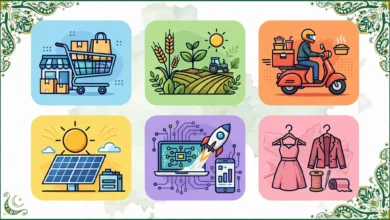
You do not need a bank loan to be affected. State Bank policies reach small traders, online sellers, and home businesses through prices, suppliers, customers, and payment systems. Here are the seven channels that matter most.
1. The Cost of Business Loans
Most business loans in Pakistan are priced at KIBOR plus a margin, and KIBOR follows the policy rate closely. When the rate moves, your markup moves too, usually within weeks.
Take a textile unit in Faisalabad with a Rs 5 crore running finance line. Every 1% rise in the rate adds about Rs 5 lakh a year in interest. At the 2023 peak of 22%, many such units were paying more in markup than they earned in profit. That is why chambers of commerce react so strongly to every MPC announcement, and why the current 11.5% rate is still drawing calls for single digits.
2. Inflation and Your Input Costs
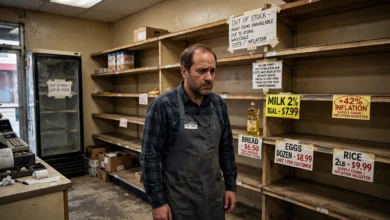
The whole point of raising rates is to slow down inflation in Pakistan. When it works, input prices stabilise and planning becomes easier. When rates are cut too early, prices can take off again. For a business, the practical effect is that State Bank policies influence how often you need to revise your price list and how much stock you should hold.
3. The Rupee and Imported Goods
Anything with an imported component, from phone parts to dyes to packaging film, follows the rupee. Decisions on reserves, exchange company rules, and interest rates all influence the rupee exchange rate. A weaker rupee hurts importers and helps exporters; a stable rupee lets both plan.
4. Import Controls and LC Restrictions
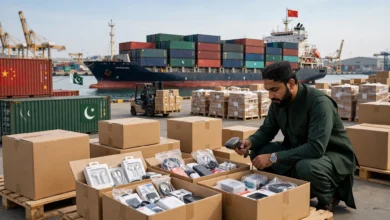
During the 2022 to 2023 foreign exchange crisis, the SBP tightened approvals for letters of credit and imposed cash margin requirements on many imports. Containers piled up at ports, factories ran short of raw material, and some shut temporarily. These State Bank policies protected reserves but hit businesses hard, showing how quickly a central bank decision can reach a factory floor.
5. Digital Payments and Documentation
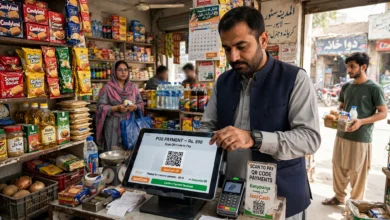
The SBP has pushed hard on digital payments in Pakistan, including the Raast instant payment system, which lets people and businesses send money between accounts for free in seconds. For small businesses, this means cheaper collections, fewer cash handling risks, and a clearer record of sales. The flip side is more documentation, which some traders resist because it brings them into the tax net.
6. SME and Export Financing Schemes
Subsidised and refinance schemes can make a real difference to a growing business. Exporters, small manufacturers, women entrepreneurs, and renewable energy projects have all had access to cheaper credit through banks under SBP schemes at various times. Terms change, so always confirm the current scheme details directly with your bank before planning around them.
7. Stricter KYC and Account Rules
Opening a business account, receiving foreign payments, or depositing large amounts of cash now involves more checks than it did a decade ago. Banks ask for business proof, source of funds, and tax details. These State Bank policies can feel like red tape, but as the next section shows, they exist because the system was badly abused.
How Past Illegal Activities Shaped State Bank Policies
It is easy to blame the central bank for paperwork and restrictions. The fuller picture is that many current State Bank policies are a direct response to fraud, laundering, and smuggling that damaged the economy and honest businesses along with it.
Hawala and Hundi Networks
For decades, a large share of money sent home by overseas Pakistanis moved through hawala and hundi, informal networks that settle transfers without passing money through banks. Some users simply wanted a better rate. But the same channels were used for tax evasion, money laundering, smuggling payments, and in some cases terror financing.
Hundi also drains dollars away from the formal market, which weakens the rupee and reserves. The SBP’s response has included incentives for remittances through banks, cheaper transfer channels, and tighter rules on exchange companies. For businesses, the lesson is clear: paying suppliers or receiving export proceeds through hundi is illegal and can lead to frozen accounts and criminal cases.
The Fake Bank Accounts Case
In 2018, investigators uncovered a large network of fake and benami bank accounts used to move billions of rupees. Some accounts were opened in the names of ordinary people, including low-income workers who had no idea vast sums were passing through accounts in their names. The case led to a high-profile joint investigation team and a long legal process.
This is a big part of why banks now verify identities more carefully, ask about the source of funds, and flag unusual activity. If your bank asks why a large deposit came in, it is following rules tightened after cases like this.
The FATF Grey List Years
Pakistan was placed on the grey list of the Financial Action Task Force (FATF) in June 2018 for weaknesses in controls against money laundering and terror financing. It was removed in October 2022 after completing a long action plan.
During those years, foreign banks treated Pakistani transactions with extra caution, which made trade payments slower and more expensive. Much of the current anti-money laundering framework, including stricter KYC, beneficial ownership checks, and suspicious transaction reporting, came out of that period. These State Bank policies add effort for businesses, but they also keep Pakistani companies connected to the global financial system.
The 2023 Currency Smuggling and Hoarding Crackdown
In 2023, the gap between the official and open market dollar rates widened sharply. Dollars were being hoarded, smuggled across the western border, and traded through illegal dealers. In September 2023, authorities launched a crackdown on illegal currency dealers and smugglers, and the SBP introduced reforms to the exchange company sector, including higher capital requirements and consolidation of smaller players.
The rupee recovered noticeably in the weeks that followed. For businesses, the episode showed that hoarding dollars or buying them from unlicensed dealers is not a clever hedge. It is illegal, and it hurts every importer who needs dollars at a fair price.
The Mehran Bank Scandal
In the early 1990s, Mehran Bank became the centre of a scandal involving the misuse of depositors’ money, including funds allegedly used for political payments. The bank collapsed, depositors suffered, and the matter reached the Supreme Court years later in the Asghar Khan case. It remains a reminder of why strong bank supervision matters and why ownership and governance rules for banks are strict.
What These Cases Mean for Your Business
- Use only banks and licensed exchange companies for any money transfer.
- Keep clear records showing where your money comes from.
- Never let anyone use your account or CNIC to move funds.
- Receive export and freelance income through formal channels.
- Treat KYC questions from your bank as routine, not as an accusation.
How to Prepare Your Business for Changes in State Bank Policies
You cannot control the policy rate, but you can control how exposed your business is to it. These practical steps help owners stay steady whichever way State Bank policies move.
Watch the MPC Calendar
The State Bank publishes its Monetary Policy Committee schedule in advance. Note the dates and read the short monetary policy statement after each meeting. It usually signals whether the next move is likely to be a cut, a hike, or a hold. Ten minutes of reading every six weeks can save you from being caught off guard.
Manage Your Debt Carefully
- Borrow for assets that earn, not for day-to-day losses.
- Stress test your loans: ask what happens to your cash flow if the rate rises 2% or 3%.
- When rates fall, consider paying down expensive debt instead of borrowing more.
- Ask your bank about fixed-rate or concessional schemes you may qualify for.
Reduce Currency Risk
If you import, build a buffer into your prices and avoid holding large unhedged dollar liabilities. If you export or freelance, receive payments through proper banking channels and convert according to a plan rather than guessing the rupee’s next move.
Go Digital and Stay Documented
Using Raast, bank transfers, and proper invoicing makes your business easier to finance. Banks lend more readily to businesses with clean, traceable records. Documentation also protects you if your account is ever questioned.
Common Mistakes Businesses Make
- Ignoring rate announcements until the higher markup hits the bank statement.
- Over-borrowing when rates are low, assuming they will stay low forever.
- Using hundi or unlicensed dealers to save a few rupees on currency conversion.
- Mixing personal and business accounts, which confuses banks and weakens loan applications.
- Lending your account or CNIC to friends or relatives for transactions you cannot explain.
- Treating KYC as an obstacle instead of preparing documents in advance.
Conclusion
State Bank policies shape the daily reality of Pakistani businesses through the policy rate, inflation, the rupee, import controls, digital payments, financing schemes, and account rules, and with the SBP policy rate at 11.5% after its September 2026 hold, borrowing costs remain a serious concern for traders and manufacturers alike. At the same time, many of the rules that feel restrictive were built in response to real wrongdoing, from hawala and hundi networks and the fake bank accounts case to the FATF grey list years, the 2023 currency smuggling crackdown, and the Mehran Bank scandal. Businesses that follow MPC decisions, borrow carefully, manage currency risk, use formal banking channels, and keep clean records are far better placed to handle whatever the State Bank decides next, and they help build a financial system that works more fairly for everyone.