How to Trade In Your Old Phone for a Discount in Pakistan
Phone trade in Pakistan made simple: where to trade your old phone, how to get a fair price, and the PTA and legal checks that keep you out of trouble.
Phone Trade In Pakistan: 7 Smart Steps to Get the Best Discount
Introduction
Phone trade in Pakistan used to mean one thing: walking into Hafeez Centre or Saddar with your old handset and haggling until someone gave you a number you could live with. That still happens, and it still works for plenty of people. But the options have grown. Samsung Pakistan now runs an official trade-in programme through its stores, its eStore and selected Zong outlets, and more retailers are offering exchange deals on new phones.
The catch is that a used phone in Pakistan is not just a used phone. It carries a PTA status, an IMEI number and sometimes a history you know nothing about. Police and the FIA have broken up gangs that steal phones, change their IMEI numbers and push them back into the market. Buyers who pick up a cheap handset without checking can lose both the phone and their money when it gets blocked.
This guide walks you through how trade-in offers actually work here, how to get the best trade-in value for your old phone, and the simple checks that keep you on the right side of the law. Whether you trade with a brand, a shop or a private buyer, you will know what to prepare, what to ask, and which red flags mean you should walk away. The aim is a fair discount on your next phone without any nasty surprises later.
How Phone Trade In Pakistan Actually Works
A phone trade in Pakistan is simple in principle. You hand over your old handset, the buyer checks its condition, and its value comes off the price of a new phone. In practice there are three main routes, and each one trades convenience against price in a different way.
Official Brand Trade-In Programmes
Samsung is the clearest example. In May 2026, Samsung Pakistan expanded its Samsung trade-in programme so buyers can exchange Samsung flagships and iPhones for instant value toward a new Galaxy. At launch, eligible models included the Galaxy S22 through the S25 Ultra and the iPhone 13 through the iPhone 16 Pro Max. The offer ran through 15 shops in Lahore, 5 in Islamabad and 4 in Rawalpindi, plus selected Zong outlets in Lahore and Islamabad. You can also check your phone’s value online through Samsung’s eStore. Flagship buyers were offered a one-time free screen replacement as an extra.
Eligible models, cities and values change with each campaign, so always check the official Samsung Pakistan trade-in page before you go. Older Samsung offers in Pakistan worked the same way: a store representative grades your phone into a condition band, and that band sets the discount.
What to know about brand programmes:
- Pros: official process, no haggling, data transfer help through tools like Smart Switch, and low risk of fraud
- Cons: the value is often lower than a private sale, and you can only put it toward that brand’s phones
- Store decision is final: the terms usually say the evaluator’s grading stands, so if you do not like the number, walk away before you sign
Apple does not run its own stores in Pakistan, so its official Apple Trade In service is not available here. iPhone owners usually trade through brand programmes like Samsung’s, authorized resellers, or local shops.
Mobile Market and Retailer Exchange
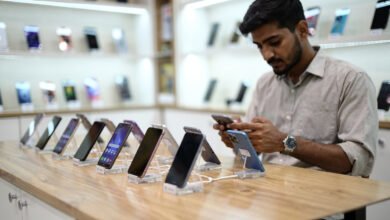
This is the traditional old phone exchange. Shops in places like Hafeez Centre in Lahore, Saddar and Star City Mall in Karachi, and Blue Area in Islamabad will take your phone against a new or used one. Many authorized retailers also run their own exchange offers during launches and Eid sales.
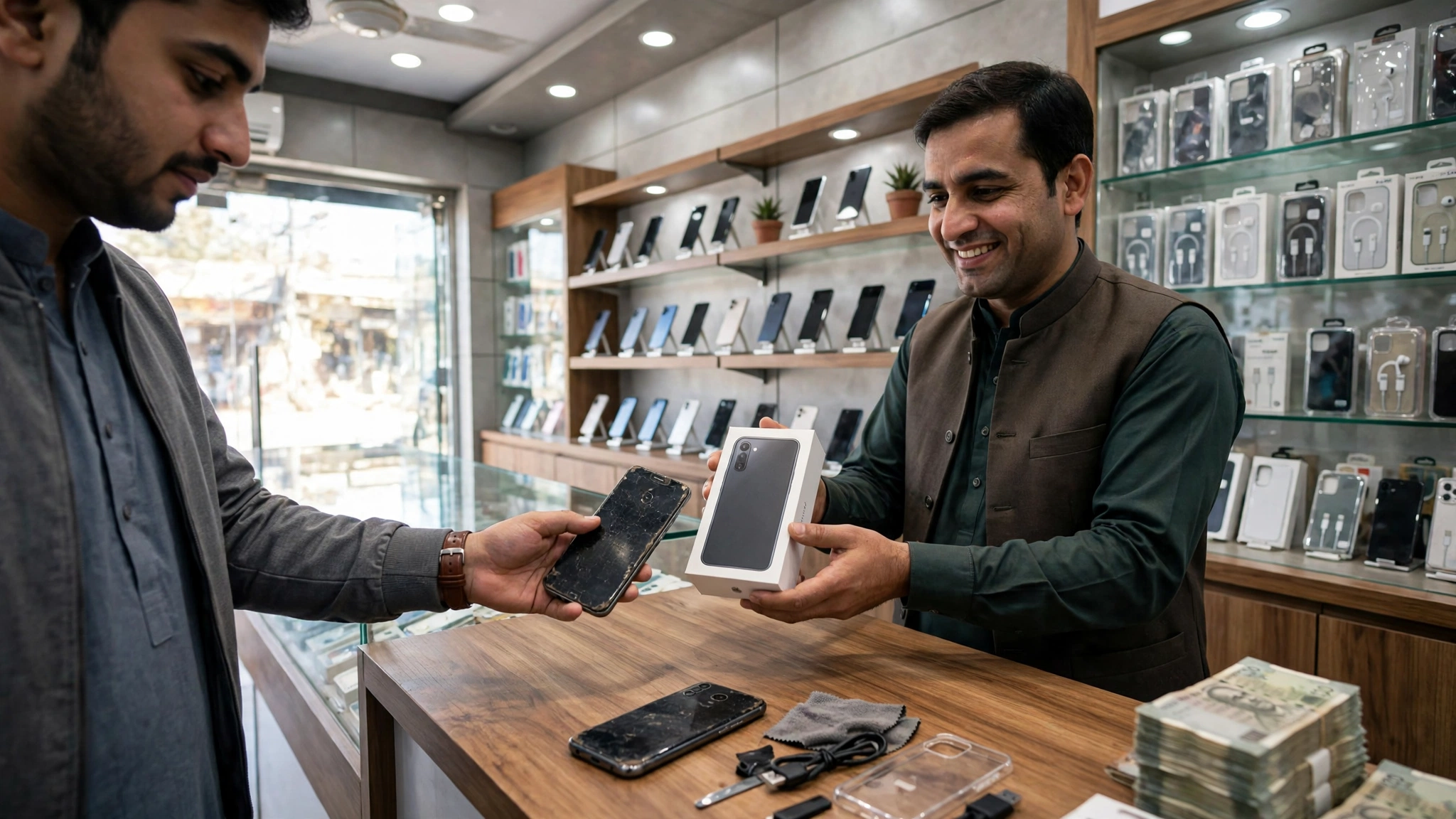
Shops move fast and can take phones that brand programmes reject, such as older models or ones with minor faults. The trade-off is that pricing is negotiable, so the number you get depends a lot on how well you know your phone’s worth. Always ask for a written receipt that lists the IMEI of the phone you hand over.
Selling Privately and Using the Cash
You can also sell your used phone on OLX, Facebook Marketplace or to someone you know, then use the cash for your upgrade. This usually gets the highest price, sometimes noticeably more than a trade-in. It also carries the most risk, because you are dealing with strangers, cash and meetups.
Which Route Gets the Best Value?
| Route | Typical value | Speed | Risk level |
|---|---|---|---|
| Brand trade-in (e.g. Samsung) | Fair, fixed by grading | Fast, same visit | Low |
| Mobile market or retailer exchange | Varies, negotiable | Fast | Medium |
| Private sale (OLX, Marketplace) | Usually highest | Slow | Higher |
If you value safety and speed, an official trade-in offer is hard to beat. If every rupee counts and you are careful, a private sale can pay more.
7 Smart Steps to Get the Best Phone Trade In Pakistan Deal
The difference between a weak offer and a good one often comes down to preparation. Follow these steps in order before any phone trade in Pakistan, whichever route you pick.
Step 1: Know Your Phone’s Real Market Value
Before you walk into any shop, find out what your exact model sells for. Search OLX and Facebook Marketplace for the same model, storage and condition, and note the range of asking prices. Then knock off 10% to 15%, since asking prices are usually higher than final sale prices.
This number is your anchor. A trade-in offer will normally come in below a private sale price, because the buyer takes on the work and risk of reselling. A gap is normal. A huge gap means you should get a second quote.
Step 2: Confirm Your PTA Status and IMEI
This is the step most people skip, and it matters more in Pakistan than almost anywhere else. A PTA approved phone is worth much more than a non-registered one, and a blocked phone is worth close to nothing.
To run an IMEI check:
- Dial *#06# to see your phone’s IMEI. Dual-SIM phones show two numbers.
- Make sure the IMEI on screen matches the one printed on the box.
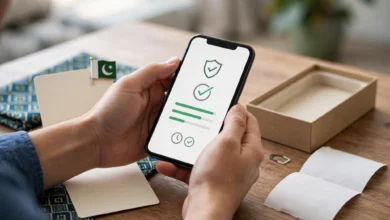
- Send each 15-digit IMEI by SMS to 8484, or check it on PTA’s DIRBS device verification portal.
- Keep a screenshot of the result to show the buyer.
A compliant result helps you get a better price. It also protects you, because it proves the phone you are handing over is legitimate.
Step 3: Back Up Everything
Your photos, chats and contacts matter more than the phone. Back up to Google or iCloud, export your WhatsApp chats, and copy anything important to a laptop. If you are moving to a new Samsung, Smart Switch can move most of your data directly. Check the backup actually finished before you move on.
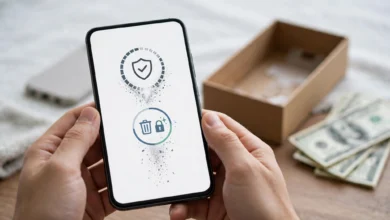
Step 4: Sign Out and Factory Reset
This step protects both you and the next owner.
- iPhone: turn off Find My, sign out of your Apple ID, then erase all content and settings
- Android: remove your Google account first, then do a factory reset
- Samsung: also remove your Samsung account, since it can lock the phone
- Log out of banking apps, JazzCash, Easypaisa and WhatsApp before the reset
If you skip the sign-out, the phone stays locked to your account after the reset. Most buyers, including brand programmes, will refuse a phone that is still locked, and they are right to.
Step 5: Remove Your SIM and Memory Card
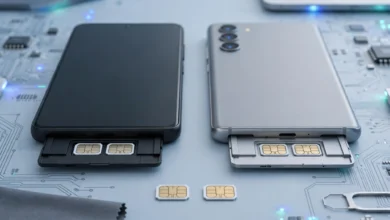
It sounds obvious, but SIM cards and microSD cards get left behind all the time. Your SIM is tied to your CNIC in Pakistan, so leaving it in someone else’s hands is a real risk. Take both out before the phone leaves your sight.
Step 6: Clean It Up and Gather the Extras
Condition grading drives trade-in value, and first impressions count. Wipe the screen, clean the ports gently, and remove old cases or stickers. Then gather:
- The original box with the matching IMEI
- The purchase receipt or warranty card
- The original charger and cable, if you still have them
A phone with its box and receipt reads as legitimate and well kept. Many shops in Pakistan pay noticeably more for a “complete box” set.
Step 7: Compare Quotes and Get It in Writing
Get at least two or three offers. Check the brand programme’s online estimate, ask a couple of shops, and compare both against your private sale anchor. When you agree on a deal:
- Ask for a written receipt that lists your phone’s model and IMEI, the agreed value, and the date
- Note the shop’s name, address and phone number
- Make sure the discount is applied on the new phone’s invoice, not promised for later
That paper trail matters. If your old phone ever turns up in a police case, your receipt shows exactly when and to whom you handed it over.
The Legal Side of Phone Trade In Pakistan: Real Cases and Red Flags
Most trade-ins go smoothly. But Pakistan’s used phone market has a well-documented problem with stolen and snatched phones, and the trade-in counter is one of the places they try to re-enter the market. Knowing how these schemes work helps you avoid becoming part of one, whether you are trading in or buying a used phone as part of your upgrade.
How Stolen Phones Get Back Into the Market
When a phone is reported stolen, PTA can block its IMEI so it stops working on Pakistani networks. Criminals get around this by changing the IMEI, often by copying the number of a cheap keypad phone or an older handset onto the stolen one. The phone then looks “clean” and gets sold again. Police and the FIA have uncovered this repeatedly:
- Saddar Mobile Market, Karachi (2017). Sindh Police’s Special Investigation Unit raided the market and arrested two shopkeepers who changed IMEI numbers of stolen phones for about Rs3,000 each. Investigators said they had done it for years, on thousands of phones.
- Fake traveller registrations (2019). The FIA’s cybercrime wing arrested people in Karachi and Gujranwala who used stolen passport details of international travellers to register smuggled phones on PTA’s system. The FIA warned shopkeepers, travel agents and buyers against using such data.
- Sheikhupura raid (2020). PTA and the FIA jointly raided an IMEI tampering setup in Sheikhupura, arrested the person running it and seized the equipment, as PTA reported in its press release on the Sheikhupura IMEI tampering raid.
- Bilal Colony, Karachi (2022). Police arrested four suspects, including a software engineer, linked to more than 100 street crimes. According to the police, the group bought snatched phones from robbers for Rs15,000 to Rs20,000, charged Rs1,000 to unlock blocked phones and Rs5,000 to change an IMEI, then resold them.
The pattern is clear. Every one of these tampered phones ended up in someone’s hands, often a buyer who had no idea. Tampering with a phone’s IMEI is a criminal offence in Pakistan, and handling a phone you know or suspect is stolen can drag you into a police case even if you paid for it.
Red Flags When You Trade or Buy a Used Phone
If your upgrade involves buying a used phone, or a shop offers you a used model in exchange, watch for these warning signs:
- The IMEI on screen does not match the box. Genuine phones show the same number in both places.
- The 8484 result shows a different model. PTA’s check returns the make and model registered to that IMEI. If you are holding an iPhone and the result says a keypad phone, the IMEI has been cloned.
- No box, no receipt, and a story. “Gift from abroad” or “cousin’s phone” with no paperwork is a common cover.
- The price is far below market. A flagship selling for half its going rate usually has a reason.
- The phone is still locked to someone’s account. An activation lock or Google lock means the seller is not the real owner, or has not cleared it.
- Pressure to close fast, in cash, somewhere quiet. Legitimate sellers do not mind you checking.
Staying Safe When You Sell Privately
Private sales carry their own risks for the seller. Fake payment screenshots, fake bank SMS alerts and “I will send an advance, please return the extra” tricks are common on classifieds sites. Keep these rules:
- Meet in a busy public place, ideally a bank or a mall with cameras, and bring someone along
- Confirm any bank transfer or wallet payment inside your own banking app, not from a screenshot or SMS
- Never hand over the phone before the money is confirmed
- Write a simple sale note with both names, CNIC numbers, the phone’s IMEI, price and date, and keep a copy
Non-PTA Phones and Trade-Ins
Non-registered phones are a grey area. Brand programmes and most legitimate shops either refuse them or pay far less, because they cannot be used on local networks without paying PTA tax. Be honest about your phone’s status. Passing off a non-PTA phone as approved is dishonest, and the buyer will find out with a single SMS.
Conclusion
A phone trade in Pakistan can knock a real chunk off the price of your next phone, as long as you prepare properly and stay on the right side of the law. Official programmes like Samsung’s offer a safe, quick route with fixed grading, mobile markets give you flexibility and room to negotiate, and private sales usually pay the most but carry the most risk. Whichever route you choose, know your phone’s market value, confirm its PTA status with an IMEI check on 8484, back up and sign out before a factory reset, gather the box and receipt, and get every deal in writing. The raids in Saddar, Sheikhupura and Bilal Colony show that stolen and tampered phones keep circulating, so a few minutes of checking protects both your money and your name. Done right, your phone trade in Pakistan becomes a fair discount on your upgrade with no trouble following you afterward.