Top Mental Health Resources and Helplines Available in Pakistan
Mental health helplines and services in Pakistan with verified numbers, hours and costs, the 2026 legal change and how to avoid illegal rehab centres.

Mental Health Help in Pakistan: 10 Trusted Helplines and Resources You Can Use Today
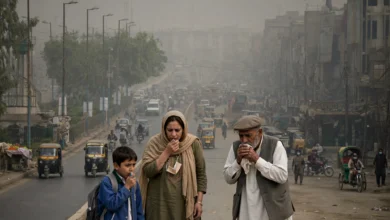
Mental health is still a hard subject to raise in many Pakistani homes. People worry about what relatives will say, whether a diagnosis will hurt marriage prospects, or whether they will simply be told to pray more and stop overthinking. So many people with mental health problems suffer quietly with anxiety, depression, trauma, addiction or thoughts of self-harm, not knowing where to turn.
Help does exist. Pakistan has free counselling helplines, a government health helpline with a mental health service, provincial mental health authorities, psychiatry departments in public hospitals and a growing number of licensed psychologists offering online sessions. The problem is that mental health information is scattered, numbers change, and some services are far smaller than their marketing suggests.
This guide brings together mental health resources in Pakistan with numbers and hours checked against recent sources. It is honest about the gaps too. There is currently no verified round-the-clock national crisis line, many services close in the evening, and the legal position on suicide attempts changed again in 2026.
We also look at a darker reality: illegal “rehab” centres where patients were tortured and held against their will. Knowing these cases helps families choose safe, licensed mental health care.
If you or someone near you is in immediate danger right now, call 1122 or 15, or go to the nearest hospital emergency department.
Why Mental Health Support Matters in Pakistan
Pakistan faces a large and largely hidden mental health burden. The World Health Organization has estimated that between 130,000 and 270,000 people attempt suicide in Pakistan every year. Depression and anxiety are common, especially among young people, women and those living through economic stress, displacement or violence.
Yet the country has very few psychiatrists and clinical psychologists for its population, and mental health services are thin, most of them concentrated in big cities. That is why mental health helplines, online counselling and community services matter so much. As the WHO fact sheet on mental health explains, mental health is a basic human right, and effective, affordable care is possible even where specialists are scarce.
Common Barriers to Getting Help
- Stigma and fear of being labelled “pagal”
- Family pressure to keep problems private
- Cost of private therapy and medicines
- Few services outside major cities
- Confusion about who is qualified and who is not
- Legal fears around self-harm and suicide attempts
- Fake healers and unqualified “experts” who make mental health problems worse
10 Trusted Mental Health Helplines and Resources in Pakistan
The mental health contact details below were checked against sources dated 2026. Always confirm hours before relying on a service in an emergency, because they can change.
1. Taskeen Health Initiative
Taskeen is a non-profit mental health organisation offering free emotional support and guidance.


- Phone: +92 316 827 5336
- Email: help@taskeen.org
- Hours: Monday to Saturday, 11 AM to 11 PM (closed Sundays)
- Cost: Free
- Note: Taskeen provides support and guidance, not formal diagnosis or clinical assessment.
It is one of the longest-running daily options, which makes it useful in the evening.
2. Rozan Counseling Help Line
Rozan is an Islamabad-based organisation with a long record of counselling on emotional health, violence against women and child sexual abuse.
- Toll-free: 0800-22-444
- Mobile: 0304-111-1741 (standard charges apply)
- Email: helpline@rozan.org
- Hours: Monday to Friday, 9:30 AM to 5 PM (shorter hours in Ramazan)
- Services: Phone, email, online and in-person counselling in Urdu and English
3. Sehat Tahaffuz 1166 and Humraaz
The federal government’s national health helpline 1166 has carried a mental health service called Humraaz since April 2023, alongside a Humraaz mobile app developed with the WHO and the Ministry of National Health Services.
- Phone: 1166
- Cost: Toll-free
- What to expect: Humraaz mainly connects callers to counsellors or hospitals rather than providing long counselling sessions on the call.
4. Umang Pakistan
Umang describes itself as a free mental health helpline and has partnered with Google, which shows its details at the top of search results for suicide-related searches in Pakistan. WHO materials also mention Umang as a mental health helpline launched in 2018.
- How to reach it: Use the contact details on Umang’s official website, umang.com.pk.
- Honest note: Independent directories checked in 2026 could not confirm round-the-clock availability, so call ahead to confirm hours.
5. Sindh Mental Health Authority
For people in Sindh, the provincial mental health authority lists these numbers:
- 021 111 117 642: Jinnah Postgraduate Medical Centre, Karachi
- 022 111 117 642: Sir Cowasji Jahangir Institute of Psychiatry, Hyderabad
- 021 9921 5720: Dr Ruth K. M. Pfau Civil Hospital, Karachi
Hours and costs are not always published, and these are standard landline numbers.
6. Public Hospital Psychiatry Departments
Government teaching hospitals in every major city have psychiatry outpatient departments where consultation fees are low or free. Examples include the Punjab Institute of Mental Health in Lahore, JPMC and Civil Hospital in Karachi, and the Sir Cowasji Jahangir Institute in Hyderabad.
Best for: People who need a mental health diagnosis, medication or long-term treatment and cannot afford private care.
7. Emergency Services
When there is immediate risk to life, do not wait for a helpline:
- 1122: Rescue and ambulance (provincial service)
- 15: Police
- 115: Edhi ambulance
- Hospital emergency departments in public and private hospitals
8. Support for Survivors of Violence
Domestic violence, harassment and abuse are major drivers of poor mental health, especially among women and children.
- 1043: Punjab Women Protection helpline
- Rozan helpline: Specialised counselling for violence against women and child sexual abuse
- Police 15: For urgent threats
9. Online Therapy and Telemedicine
Telehealth platforms and private practices now offer video and phone sessions with psychologists and psychiatrists. Online mental health care is helpful for people in smaller towns or those who prefer privacy. Fees vary widely, so ask about costs and qualifications before booking.
10. Licensed Private Psychologists and University Clinics
Private mental health professionals, including clinical psychologists and psychiatrists, are available in most cities. University psychology departments and teaching hospitals often run lower-cost clinics where supervised trainees see clients.
Check qualifications: Under the Allied Health Professionals Council Act 2022, psychologists and counsellors in Pakistan need a licence from the council. Psychiatrists are medical doctors registered with the Pakistan Medical and Dental Council.
Quick Reference Table
| Service | Contact | Hours | Cost |
|---|---|---|---|
| Taskeen | +92 316 827 5336 | Mon–Sat, 11 AM–11 PM | Free |
| Rozan | 0800-22-444 | Mon–Fri, 9:30 AM–5 PM | Free (toll-free line) |
| Sehat Tahaffuz / Humraaz | 1166 | Not published | Toll-free |
| Sindh Mental Health Authority | 021 111 117 642 | Not published | Standard call rates |
| Rescue | 1122 | 24/7 | Free |
| Police | 15 | 24/7 | Free |
| Edhi | 115 | 24/7 | Free |
A useful independent list is the TherapyRoute directory of Pakistan crisis lines, which says its numbers were checked in August 2026.
The Legal Reality: What the 2026 Ruling Means
For decades, Section 325 of the Pakistan Penal Code made attempted suicide punishable with up to a year in prison, a fine or both. In December 2022, Parliament repealed it, a move welcomed by mental health advocates who said the law stopped people from seeking care.
In May 2026, however, the Federal Shariat Court struck down the 2022 amendment and restored Section 325, as reported in Dawn’s coverage of the Federal Shariat Court ruling. The judgment also discussed Section 84 of the Penal Code, which exempts acts by people who, because of unsoundness of mind, cannot understand the nature of their act.
What This Means for Someone Seeking Help
- Calling a helpline, seeing a psychologist or visiting a psychiatrist is not a crime.
- Emergency medical treatment comes first. Anyone who has harmed themselves should be taken to a hospital straight away.
- Families should focus on getting medical care first, and seek legal advice separately if they are worried.
Mental health professionals continue to argue that treatment, not punishment, saves lives.
The Dark Side: Illegal Rehab Centres and Abuse
Families desperate to help a loved one with addiction or severe mental illness sometimes turn to unlicensed “rehab” centres. Several cases show how dangerous this can be.
The Aamir Chishti Hospital Case
In 2018, the Punjab Healthcare Commission (PHC), district administration and police raided Aamir Chishti Hospital in Lahore, a so-called rehab centre. Hundreds of people were recovered, with a report to the Supreme Court stating that patients had been tortured and told they were receiving “Chishti bailchay.” The court ordered the arrest of the clinic’s administrator. Earlier, the owners had broken the PHC’s seal and resumed operations illegally.
Guardian Home, Lahore
In January 2022, the PHC shut down an unregistered centre called Guardian Home near Ring Road, Lahore, and evacuated 133 people. The commission said they had been virtually imprisoned in subhuman conditions and repeatedly tortured.
A Pattern Across Punjab
- By early 2019, the PHC had raided 83 drug treatment and rehab centres, rescued 710 people and sealed dozens of facilities.
- In 2019, it rescued 38 patients from Panah Rehab in Lahore, which had no psychiatrists, no proper beds and no patient records.
- In 2022, it sealed an unregistered rehab in Bahawalpur where 16 people were kept in subhuman conditions while relatives believed they were being treated.
Red Flags in Any Mental Health or Rehab Centre
- No registration with the provincial healthcare commission
- No psychiatrist or qualified doctor on staff
- Families are not allowed to meet or call patients
- Chains, locked rooms or beatings described as “treatment”
- No written medical records or treatment plan
- Pressure to pay large sums upfront
How to Choose Safe and Ethical Mental Health Care
Good mental health care should be safe, legal and respectful. Before you choose a provider:
- Verify licences with the provincial healthcare commission, the Allied Health Professionals Council or the PMDC.
- Ask about qualifications, such as a degree in clinical psychology or psychiatry.
- Request a treatment plan and understand medication side effects.
- Visit facilities before admitting a family member.
- Respect consent and dignity. Except in genuine emergencies, adults should not be forced into treatment.
- Protect privacy. Ethical mental health professionals keep sessions confidential.
How Families and Friends Can Help
You do not need to be an expert to support someone’s mental health:
- Listen without judging or giving lectures.
- Take talk of self-harm seriously. Ask directly and calmly if they are thinking of hurting themselves.
- Help them contact a mental health helpline or doctor. Offer to sit with them while they call.
- Remove obvious dangers if someone is at immediate risk, and call emergency services.
- Stay in touch afterwards. Recovery takes time.
- Look after yourself too. Carers also need support.
Taking Care of Your Own Mental Health Every Day
Professional help matters, but daily habits support mental health as well. None of these replace treatment, but they make recovery easier:
- Sleep regularly and limit late-night scrolling.
- Move your body with walks or light exercise.
- Stay connected with people you trust.
- Limit alcohol, drugs and excessive caffeine.
- Find meaning in faith, hobbies or volunteering, alongside professional care when needed.
Conclusion
Getting help for mental health in Pakistan is more possible than many people think, with free and low-cost options such as Taskeen on +92 316 827 5336, Rozan’s toll-free line 0800-22-444, the government’s 1166 helpline with its Humraaz service, Umang, the Sindh Mental Health Authority, public hospital psychiatry departments, survivor support lines such as 1043, emergency numbers 1122, 15 and 115, online therapy and licensed private psychologists; at the same time, families should be honest about the gaps, including limited service hours, the May 2026 ruling that restored Section 325 on attempted suicide, and documented cases of illegal rehab centres where patients were tortured and detained, so the safest path is to confirm hours before calling, choose registered professionals and facilities, respect consent and dignity, seek emergency care immediately when life is at risk, and treat mental health as health that deserves the same care as any physical illness.