How Rising Petrol Prices Are Changing Car Buying Habits in Pakistan
Petrol prices in Pakistan hit a record Rs 458 in 2026. Here is how buyers are shifting to small cars, hybrids and EVs, and which fuel scams to avoid.
Petrol Prices in Pakistan: 7 Shocking Ways They Are Changing How People Buy Cars
Introduction
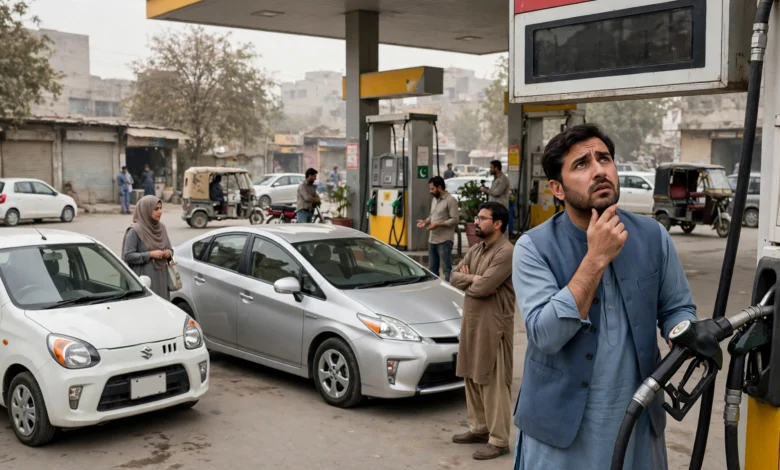
Petrol prices in Pakistan stopped being background noise in 2026. On 3 April, the government raised petrol to Rs 458.41 a litre, the biggest single jump in the country’s history, after war in the Gulf choked oil supply through the Strait of Hormuz. Prices have eased since, but as of 3 October 2026 a litre still costs Rs 392.76, and it now changes almost every few days.
When fuel gets this expensive, people don’t just complain at the pump. They change what they buy. Families who once saved for a 1300cc sedan are looking at an 800cc hatchback. Office workers who drove alone now ask about hybrids, plug-ins and small electric cars. Motorcycle sales stay strong because, for millions, two wheels are the only affordable way left to commute.
There is also a darker side. Every price spike in Pakistan brings out the same illegal behaviour: pumps hoarding stock before a hike, smuggled and adulterated fuel, and unsafe gas cylinders fitted in cars to save a few rupees. These practices cost buyers money and, in some cases, lives.
This article looks at how car buying habits in Pakistan are shifting, using real sales data, real enforcement cases and simple running-cost math. You’ll see which choices actually save money, which ones only look cheap, and what to avoid so a fuel crisis doesn’t turn into a bigger personal loss.
Petrol Prices in Pakistan: Where We Stand in October 2026
Petrol costs Rs 392.76 a litre as of 3 October 2026, about 14% below the April record but still more than double what drivers paid in early 2022. That gap is the main reason buying habits have changed.
| Date | Petrol price (Rs per litre) | What happened |
|---|---|---|
| 3 Oct 2026 | 392.76 | Second small rise in two days under the new frequent pricing system |
| 25 Apr 2026 | 393.35 | Rs 26.77 rise as crude climbed again on Gulf tensions |
| 11 Apr 2026 | 366.58 | Relief cut through a lower petroleum levy after public pressure |
| 3 Apr 2026 | 458.41 | All-time high after the Strait of Hormuz disruption |
| May 2022 | 179.88 | A then-record 20% hike when fuel subsidies were withdrawn |
Sources: daily notifications reported by Gulf News on the April 2026 surge and Pakistani business press for later revisions. Check the current rate before any big decision, because it now moves often.
Why Prices Swing So Much
Pakistan imports most of its oil, so three things decide what you pay at the pump:
- Global crude prices. When the Gulf conflict pushed Brent above $130 a barrel, local prices followed within days.
- The rupee. A weaker rupee makes every imported barrel more expensive.
- Taxes and the petroleum levy. The government uses the levy to meet IMF revenue targets, and it can cut it quickly for relief, as it did on 11 April.
The Shift to Frequent Price Changes
From July 2026, Pakistan moved away from the old fortnightly revision toward much more frequent price notifications. For buyers, this means one thing: you can no longer plan a car budget around a fixed fuel cost. That uncertainty pushes people toward cars that use less fuel in the first place.
7 Ways Petrol Prices in Pakistan Are Changing Car Buying Habits
The surprising part of 2026 is that people did not stop buying cars. PAMA-tracked sales of cars, jeeps and pickups reached 118,123 units from January to June 2026, roughly 35% higher than a year earlier, according to PakWheels’ mid-year market review. What changed is which cars they bought.
1. Downsizing to Small, Fuel-Efficient Cars
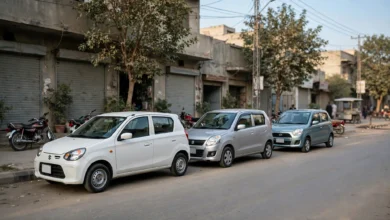
The Suzuki Alto sold 37,934 units in the first half of 2026, more than any other model by a wide margin. In April, the month of the record price hike, Alto sales jumped 66% and the Swift more than doubled compared with March.
The logic is simple. A small 660cc to 1000cc car returns far better mileage than a 1300cc sedan, costs less to insure, and is cheaper to repair. For many families, fuel-efficient cars in Pakistan are no longer a preference. They are the only option that fits the monthly budget.
2. Hybrids Moving From Luxury to Mainstream
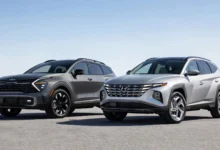
Hybrids used to be the choice of people who wanted to look modern. Now they are a running-cost decision. Locally assembled hybrids such as the Toyota Corolla Cross, Haval H6 HEV, Kia Sportage and Hyundai Tucson hybrids, along with imported Japanese hybrids like the Aqua and Prius, attract buyers who drive long distances every day.
What buyers are learning: a hybrid saves the most money in stop-start city traffic, where the electric motor does more of the work. On long, steady motorway drives the advantage shrinks.
3. Real Curiosity About EVs and Plug-In Hybrids
Electric vehicle sales grew 61% month on month in March 2026, while conventional car sales fell 9%. The base is still small. The locally assembled Honri-Ve, for example, sold only 20 to 50 units a month through mid-2026. But the first half of the year also brought launches such as the Chery Tiggo 8 PHEV, MG4 EV, XPENG models and GAC AION.
The main barriers remain upfront price, limited public charging outside big cities, and uncertainty about battery replacement costs. EV adoption in Pakistan is rising, but most buyers are still watching rather than buying.
4. Big SUVs Losing Some Shine
Large petrol SUVs had a great run between 2021 and 2025. In 2026 the picture is more mixed. PAMA data shows Haval and Tank sales fell from 2,720 units in June to 663 in July 2026. Part of that is seasonal, but it fits the wider move toward hybrids and smaller cars.
5. Total Running Cost Beats Sticker Price
Buyers now ask “how much will it cost me per month?” before “how much does it cost?”. Fuel average, service intervals, tyre sizes and insurance all enter the conversation. Car sellers who can show real monthly figures are winning trust.
6. Motorcycles and Electric Bikes as the Fallback
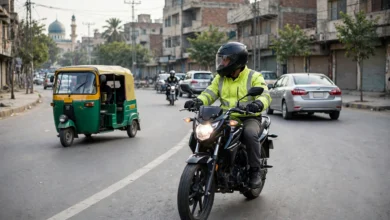
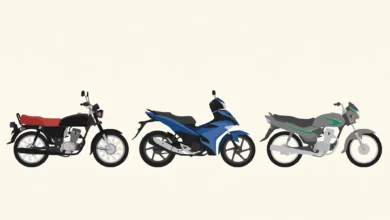
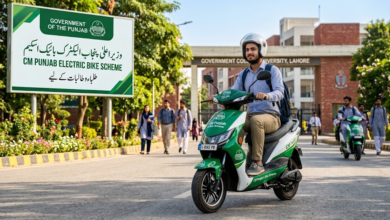
For millions of workers, the response to high petrol prices in Pakistan is not a different car but no car at all. A 70cc or 125cc motorcycle uses a fraction of the fuel, and electric scooters are slowly appearing in cities. Ride-sharing and carpooling with colleagues have also become more common.
7. Delaying Upgrades and Keeping Cars Longer
Many owners who planned to upgrade in 2026 simply waited. They keep their current car, service it properly and drive less. This keeps demand high in the used market for reliable, fuel-efficient models, which pushes their resale prices up.
The Dark Side: Illegal Practices That Rise With Petrol Prices in Pakistan
Every fuel shock in Pakistan creates a window for people to profit illegally, and ordinary drivers pay the price. Knowing these patterns helps you protect your money, your engine and your family.
Case 1: Hoarding Before Price Hikes
When a price increase is expected, some pump owners and distributors hold back stock so they can sell it at the higher rate a day or two later. In March 2026, OGRA warned that any premises storing fuel illegally would be sealed. In April, a joint OGRA and PERA raid on a filling station in Kharian on GT Road reportedly recovered about 600,000 litres of hoarded petrol kept in hidden tanks.
The problem kept returning. A July 2026 enforcement campaign identified more cases of hoarding and deliberate supply disruption, and the Prime Minister then ordered an overhaul of OGRA and a digital fuel tracking system covering everything from refineries to petrol pumps.
What it means for you: if a pump claims it has “no petrol” the night before a hike, report it to your district administration or OGRA rather than paying black-market rates elsewhere.
Case 2: Smuggled and Off-Spec Fuel
Smuggled Iranian petrol has been sold for years from roadside drums and unlicensed outlets, especially in Balochistan and along highways. It is cheaper because no duties are paid, but its quality is never checked. Off-spec fuel can damage fuel injectors, oxygen sensors and catalytic converters, and repair bills on a modern hybrid can wipe out years of fuel savings.
Buying smuggled fuel also funds criminal networks and costs the government tax revenue that would otherwise reduce the levy honest drivers pay.
Case 3: Short Measure and Adulteration at Pumps
When margins are under pressure, some stations cheat on quantity or mix lower-grade products into petrol. Signs include a meter that starts above zero, a car that suddenly knocks or loses power, or mileage that drops right after a fill.
Simple protection steps:
- Fill at busy, branded stations with visible certification.
- Watch the meter reset to zero before fuelling starts.
- Ask for a receipt every time.
- Note your fuel average for each tank so you can spot a bad fill quickly.
Case 4: Illegal LPG Cylinders in Cars
When petrol prices climb, some owners fit domestic LPG cylinders and cheap conversion kits in cars and vans. These cylinders are not designed for vehicles, are often placed inside the cabin, and have caused deadly fires and explosions in public transport vans over the years. Authorities have repeatedly ordered crackdowns on such kits.
No saving is worth this risk. If you want an alternative fuel, use only certified kits installed at licensed workshops, and keep the paperwork.
Case 5: Fraud in the Used Hybrid Market
High demand for hybrids has attracted dishonest sellers. Common tricks include rolled-back odometers, tampered auction sheets on imported cars, and cheap rebuilt hybrid batteries sold as original. A car that shows a great fuel average on a short test drive may still have a weak battery that fails months later.
Always verify auction sheets through a trusted service, scan the hybrid system with a diagnostic tool, and buy from sellers who allow a full inspection.
How to Buy a Car Smartly When Petrol Prices in Pakistan Keep Rising
The right car is the one whose total monthly cost you can carry for five years, not the one with the lowest sticker price. Here is a simple way to think about it.
Monthly Fuel Cost at Today’s Price
The table below assumes 1,500 km of driving a month at Rs 392.76 per litre. The fuel averages are typical real-world figures, not company claims, so your own numbers will vary.
| Vehicle type | Assumed average (km per litre) | Monthly fuel cost (Rs) |
|---|---|---|
| 125cc motorcycle | 45 | 13,092 |
| 660cc to 1000cc hatchback | 18 | 32,730 |
| Hybrid crossover or SUV | 16 | 36,821 |
| 1300cc petrol sedan | 12 | 49,095 |
| 2000cc petrol SUV | 9 | 65,460 |
The difference between a small hatchback and a large petrol SUV is more than Rs 32,000 a month, or almost Rs 4 lakh a year. That single number explains most of the market shift described above.
A Simple Checklist Before You Buy
- Work out your real monthly distance. Check your fuel receipts or app history for the last three months.
- Match the powertrain to your driving. Mostly city traffic favours a hybrid. Mostly motorway favours an efficient petrol car.
- Add every running cost. Fuel, insurance, tyres, service, token tax and parking all count.
- Check resale demand. Fuel-efficient models usually sell faster and hold value better when prices are high.
- Become a tax filer. Non-filers pay far more withholding tax on a new car, and filing is the simplest legal saving.
- Buy only from authorized dealers or verified sellers. Avoid paying on money or advance amounts to middlemen.
Driving Habits That Cut Your Fuel Bill
Even the most efficient car wastes fuel if driven badly. Keep tyres at the right pressure, avoid long idling with the AC running, accelerate smoothly, and remove extra weight from the boot. These habits alone can improve your fuel average by a noticeable margin, whatever you drive.
Petrol Prices in Pakistan: Frequently Asked Questions
What is the petrol price in Pakistan today?
As of 3 October 2026, petrol is Rs 392.76 per litre. Because petrol prices in Pakistan are now revised very often, check the latest official notification before you plan a long trip or a big purchase.
Is a hybrid worth it at current petrol prices in Pakistan?
For someone driving 1,500 km or more a month, mostly in city traffic, a hybrid usually pays back its higher price within a few years. For low mileage or mostly motorway driving, a small efficient petrol car often makes more financial sense.
Is it safe to buy cheaper fuel from roadside sellers?
No. Roadside fuel is often smuggled and never quality tested. It can damage your engine and sensors, and buying it supports illegal networks.
Are electric cars practical in Pakistan yet?
They are practical for buyers in big cities with home charging and short daily commutes. Outside major cities, limited charging and high upfront prices still hold most people back.
Conclusion
Rising petrol prices in Pakistan, from a then-record Rs 179.88 in 2022 to an all-time high of Rs 458.41 in April 2026 and around Rs 392 a litre today, have reshaped how people buy cars: sales did not collapse, but buyers moved toward small fuel-efficient hatchbacks like the Alto and Swift, took hybrids seriously as a running-cost tool, started watching EVs and plug-ins closely, cooled on big petrol SUVs, and began judging every car by its monthly cost rather than its sticker price, while many simply kept their old cars longer or switched to motorcycles; at the same time, each price spike exposed illegal practices such as fuel hoarding before hikes, smuggled and off-spec petrol, short measure at pumps, deadly LPG cylinder conversions and fraud in the used hybrid market, so the smartest response is to calculate your real running costs, buy only through authorized and verified channels, refuel at trusted stations, report hoarding when you see it, and choose a car that will stay affordable even if fuel prices climb again.
Keywords