How to Get Your Vehicle Registered Online in Punjab
Online vehicle registration in Punjab for 2026: dealer registration, smart cards, transfers, token tax and the fraud risks owners must avoid.
Online Vehicle Registration in Punjab 2026: 7 Essential Steps and Costly Mistakes to Avoid
Introduction
Online vehicle registration in Punjab has changed more in the last two years than in the previous decade. Paper registration books have given way to smart cards and downloadable e-Registration Cards, token tax can be paid from a phone, and since July 2026 the Excise department has ordered that every new vehicle bought on a Punjab CNIC must be registered by the dealer before it is handed over. The days of driving home on an “Applied For” plate are ending.
For most people, that is good news. Fewer trips to crowded Excise offices mean less time lost and fewer chances for middlemen to charge extra. But the shift online has also created new confusion. Dozens of websites use names like “MTMIS Punjab” and look official without being government portals. Some describe outdated steps, some push paid services, and a few collect personal data.
This guide explains how the current system actually works, step by step, for new registrations, ownership transfers, smart cards, number plates and token tax. It points you to the official channels and tells you what you still need to do in person, such as biometric verification.
It also looks honestly at the system’s past. Punjab’s registration records have been abused before, through fake registrations of smuggled and stolen vehicles and forged documents. Knowing how those schemes worked will help you protect your own vehicle and avoid buying someone else’s problem.
How Online Vehicle Registration in Punjab Works in 2026
The Punjab system is a mix of online services and in-person steps. Understanding which part happens where saves time and protects you from paying for things that should be free.
The Official Channels
- MTMIS Punjab (mtmis.excise.punjab.gov.pk): the Excise department’s official portal for vehicle verification, application tracking and the e-Registration Card. You can also verify a vehicle by sending its registration number by SMS to 8785.
- ePay Punjab: the government’s official app and portal for paying token tax and other provincial dues.
- Excise at Your Doorstep: a service launched with the “Dahleez” app that lets an Excise official visit your home for registration or transfer, first introduced in Lahore with plans for wider rollout.
- Excise helpline 1035: the department’s helpline for queries and complaints.
A warning about lookalike websites: many sites use “MTMIS” or “Punjab” in their names and copy the look of government pages. They are not official. Always check that the website address ends in gov.pk before entering personal details or paying anything.
The Big 2026 Change: Dealer Registration Before Delivery
In July 2026, Punjab’s Director General Excise, Umar Sher Chatha, ordered that every new vehicle bought on a Punjab CNIC must be registered before it is delivered to the buyer. According to The Nation’s report on the directive, authorized dealers are being licensed under the Dealer Vehicle Registration System (DVRS) to complete registration at the showroom. At the time, 102 dealers across Punjab already held DVRS licences.
Reports at the time said dealers charged a service fee of Rs 2,000 per car and Rs 500 per motorcycle, with increases under consideration. Ask your dealer for a written breakdown of every charge.
The Punjab Finance Bill 2026 also proposed making dealers official collection agents for registration fees and taxes, with heavy penalties for delivering unregistered vehicles. That would effectively end the use of temporary “Applied For” number plates.


Smart Cards and the e-Registration Card
Punjab has replaced the old paper registration book with a chip-based smart card, and the Excise department lists the smart card fee at Rs 1,300. Owners can also download a digital e-Registration Card through the official Excise channels, which serves as proof of registration while the physical card is in the post.
Online Vehicle Registration in Punjab: 7 Essential Steps for a New Vehicle
For most new cars and motorcycles bought in Punjab, registration now happens at the dealership. These seven steps show what to do before, during and after the sale so that everything is done correctly and in your name.
Step 1: Check Your Tax Status
Before you buy, check whether you are on the FBR’s Active Taxpayers List. Withholding tax at registration is much higher for non-filers, often three times the filer rate on popular cars. Becoming a filer before the purchase can save you thousands, or even lakhs, of rupees.
Step 2: Choose an Authorized, DVRS-Licensed Dealer
Buy only from the manufacturer’s authorized dealer, and ask whether the dealership holds a DVRS licence. A licensed dealer can register the vehicle on the spot. If a showroom offers to deliver a new vehicle without registration, treat that as a red flag, because the Excise department has ordered that this should not happen for vehicles bought on a Punjab CNIC.
Step 3: Prepare Your Documents
Keep these ready before the sale:
- Your original CNIC, since registration is done in the buyer’s name
- The sale invoice and sales certificate from the dealer
- The manufacturer’s certificate or, for imported vehicles, customs clearance documents
- Your filer status proof, if applicable
Make sure your name, CNIC number and address are spelled exactly as on your CNIC. Mistakes here are difficult to fix later.
Step 4: Pay Fees and Taxes Through Official Channels
Registration fees, token tax and withholding tax should be paid through official government payment channels, such as a PSID challan through ePay Punjab or a bank, or collected by the licensed dealer with a proper receipt. Never hand cash to an agent who promises to “handle it.”
Step 5: Complete Biometric Verification
Biometric verification links the vehicle to the owner’s fingerprints and CNIC. It is a key protection against fraudulent registrations and transfers. Depending on the setup, it is done at the dealership, at the Excise office or during a doorstep visit.
Step 6: Receive Your Registration Number and Plates
Once registration is complete, you receive your registration number and official number plates. Under the 2026 rules, you should not leave the showroom on an “Applied For” plate. Keep every receipt and the invoice with your vehicle file.
Step 7: Verify Online and Download Your e-Registration Card
Within a few days, check your vehicle on MTMIS Punjab using the registration number. Confirm that the owner’s name, engine number, chassis number and colour are correct. Download the e-Registration Card through the official Excise channel and use the Application Tracking option to follow the delivery of your physical smart card.
What If Your Vehicle Is Not Covered by a Dealer?
If you bought an imported vehicle or a vehicle from a dealer without a DVRS licence, you will need to register at the Motor Registration Authority in your district or use the doorstep service where available. The same documents, official payments and biometric verification apply.
Transfers, Token Tax and Verification After Online Vehicle Registration in Punjab
Registration is not a one-time event. Ownership transfers, annual token tax and regular verification keep your records clean and your vehicle legal.
Transferring Ownership When You Buy or Sell
When a used vehicle changes hands, the transfer must be recorded with the Excise department. The key points are:
- Both buyer and seller should be present for biometric verification, or use the doorstep service where it is available.
- Bring original documents, including the smart card or registration book, CNICs of both parties and the previous transfer papers.
- Pay the transfer fee and any pending token tax through official channels.
- Avoid “open letter” deals, where a signed transfer letter is passed from hand to hand without registering the new owner. Open letters make it easy to pass on stolen, financed or disputed vehicles, and the registered owner remains legally responsible for anything the vehicle is used for.
After the transfer, check MTMIS to confirm the new owner’s name appears correctly, and download the updated e-Registration Card.
Paying Token Tax Online
Token tax is the annual or lifetime tax on your vehicle. In Punjab, you can check and pay it through the official ePay Punjab app or website using your registration number. Late payment adds penalties, and unpaid token tax can hold up a future sale or transfer. Keep the payment receipt in your vehicle file.
Number Plates
Only official number plates issued by the Excise department are legal. Fancy fonts, tinted covers, missing plates and temporary “Applied For” plates are all grounds for fines. With dealer registration now mandatory for most new vehicles, official plates should come with the vehicle at delivery.
Verifying Your Vehicle Regularly
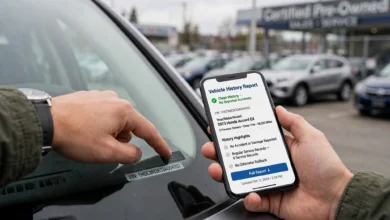
It is a good habit to check your vehicle on MTMIS once or twice a year, and always before selling. Verification helps you spot errors in your record, confirm that token tax is paid and make sure no unauthorized transfer has been attempted. For buyers of used vehicles, it is the first and most important check before any money changes hands.
Why Online Vehicle Registration in Punjab Needs Your Vigilance
Digital records are only as honest as the people who enter them. Punjab’s registration system has been abused before, sometimes with help from inside the department. These cases explain why every check in this guide matters.
Case 1: Thousands of Fake Registrations
Punjab’s Anti-Corruption Establishment uncovered a large vehicle registration scam involving officials of the Punjab Excise department. According to PakWheels’ report on the scam, investigators found fake registrations of more than 7,000 smuggled, used and stolen vehicles, many based on fake army auction papers, with around 4,000 using fake registration vouchers. Most were buses and trucks, but the method, entering forged documents into official records, can be used for any vehicle.
What it teaches: an entry on the system is not automatically proof that a vehicle is legitimate. Physical checks of engine and chassis numbers and the full document history still matter.
Case 2: Stolen Cars Given Genuine Identities
A Dawn investigation into organized car theft described how stolen vehicles were given the engine and chassis numbers of genuine cars of the same make, model and colour, with the real work of making them look legitimate done inside Excise offices. The remade cars were then sold through showrooms in Islamabad and Punjab as genuine stock.
What it teaches: biometric verification, matching physical numbers and checking theft records protect buyers far more than a registration document alone.
Case 3: Fake Documents Discovered Only at Transfer
The FIA once broke up a group selling non-custom-paid and stolen cars through OLX. One buyer only discovered the documents were fake when he visited the Excise office to transfer the car. By then his money was gone.
What it teaches: verify the registration online and complete the transfer before paying in full, not after.
Case 4: The “Applied For” Culture
For years, buyers drove new vehicles out of showrooms on temporary “Applied For” plates, and many never completed registration. Unregistered vehicles avoid tax and are harder to trace if used in crime. This is exactly why Punjab moved in 2026 to require registration before delivery.
Scams to Watch for Today
- Lookalike websites that copy the MTMIS design, charge for free services or collect CNIC details.
- Touts outside Excise offices offering to “speed up” registration or transfers for cash. Paying them encourages the same corruption that made fake registrations possible.
- Sellers who refuse biometric transfer and push open letter deals.
- Unexplained dealer charges added to invoices without a clear breakdown.
If you encounter corruption or fraud, report it to the Excise helpline, the Anti-Corruption Establishment Punjab or the FIA, depending on the case.
Documents, Fees and Common Mistakes in Online Vehicle Registration in Punjab
This section brings the practical details together so you can prepare in one go.
Documents Checklist
| Situation | Documents you usually need |
|---|---|
| New locally assembled vehicle | Original CNIC, dealer sale invoice and sales certificate, manufacturer’s certificate |
| New imported vehicle | Original CNIC, customs clearance documents, bill of entry, purchase documents |
| Ownership transfer | Smart card or registration book, CNICs of buyer and seller, previous transfer papers, token tax receipts |
| Lost smart card | CNIC, police report or affidavit as required by Excise, duplicate card fee |
Requirements can change, so confirm the latest list on the official Excise website or through the helpline before visiting.
Fees to Expect
- Registration fee and number plate fee, set by the Excise department according to vehicle type and engine size
- Token tax, paid annually or as a lifetime amount depending on the vehicle and your choice
- Withholding tax, collected at registration, much higher for non-filers
- Smart card fee, listed by Excise at Rs 1,300
- Dealer service fee under DVRS, reported in 2026 at Rs 2,000 for cars and Rs 500 for motorcycles, with increases under consideration
Always ask for a written breakdown and keep official receipts. If the total seems inflated, ask which amounts are government fees and which are dealer charges.
Common Mistakes to Avoid
- Using unofficial websites that look like MTMIS but are not government portals.
- Accepting delivery without registration or leaving the showroom on an “Applied For” plate.
- Letting spelling errors slip in your name, CNIC number or address on the invoice.
- Paying agents in cash instead of through official challans or the licensed dealer.
- Buying on an open letter without completing a proper biometric transfer.
- Ignoring token tax until penalties build up or a sale is blocked.
- Not checking MTMIS after registration to confirm every detail is correct.
Conclusion: Getting Online Vehicle Registration in Punjab Right
Online vehicle registration in Punjab is simpler in 2026 than ever before: new vehicles bought on a Punjab CNIC must now be registered by DVRS-licensed dealers before delivery, smart cards and downloadable e-Registration Cards have replaced paper books, token tax can be paid through ePay Punjab, and MTMIS lets anyone verify a vehicle or track an application from home. The seven essential steps are to check your filer status, buy from a licensed authorized dealer, prepare accurate documents, pay only through official channels, complete biometric verification, collect your official plates and verify your record online. At the same time, the system’s history of fake registrations, stolen vehicles given genuine identities and forged documents shows that convenience must go hand in hand with caution, so use only gov.pk websites, avoid touts and open letter deals, insist on biometric transfers and check every detail on MTMIS before you pay or drive away.
Keywords: