Top 2026 Software Updates You Shouldn’t Ignore
: Software updates in 2026 that protect your PC, phone, and data, with key deadlines and real cases where skipped patches led to costly breaches

Software Updates in 2026: 9 Critical Updates You Shouldn’t Ignore to Stay Safe
.Introduction
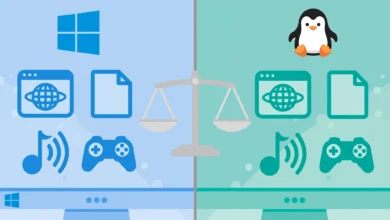
Software updates in 2026 are not just about new emojis and redesigned menus. This year brings a cluster of real deadlines that decide whether your computer and phone keep getting security fixes. Windows 11 version 24H2 Home and Pro stopped receiving updates on October 13. Microsoft’s original Secure Boot certificates, which help verify that your PC starts with trusted software, began expiring in June, with another due on October 19. Windows 10 users have a little more time, but only if they enrolled in Microsoft’s extended update program.
Most people click “Remind me later” because updates feel like an interruption. Attackers count on that. Many of the most damaging cyberattacks in recent memory did not rely on clever new tricks. They used security holes that already had a fix, on systems where nobody installed it.
The history is clear. The 2017 Equifax breach exposed data on roughly 147 million people after a known flaw went unpatched. WannaCry ransomware spread across more than 150 countries the same year by targeting Windows computers that had skipped an available update. Spyware sold to governments has exploited phone vulnerabilities until Apple and others rushed out emergency patches. And criminals now send fake “update” pop-ups to trick people into installing malware.
This guide lists the critical software updates you should not ignore in 2026, the deadlines that matter for home users and small businesses, real cases that show what skipping updates costs, and a simple routine to stay protected without breaking your devices.
Why Software Updates in 2026 Matter More Than Ever
Every app and operating system has bugs. Some of those bugs are security vulnerabilities that let attackers run code, steal data, or take control of a device. When a company finds and fixes one, it releases a security patch.
The Patch Race
Once a patch is released, attackers can study it to understand the flaw, then target anyone who has not installed it yet. That means the period right after a patch comes out is often the most dangerous time to delay. Some vulnerabilities are already being exploited before the fix exists. These are called zero-day exploits, and vendors usually issue emergency updates for them.
Types of Updates You Will See
- Security updates: fix vulnerabilities. These are the most important.
- Feature updates: add new functions and often reset the support clock, as with yearly Windows 11 versions.
- Firmware and BIOS updates: update the low-level software in your hardware, including routers and laptops.
- App updates: fix bugs and security problems in browsers, messaging apps, and office tools.
- Certificate and trust updates: refresh the digital certificates devices use to verify trusted software.
What “End of Support” Really Means
When software reaches end of support, it keeps working, but the developer stops fixing new security holes. Every vulnerability discovered after that date stays open forever on that version. That is why running unsupported software is one of the biggest avoidable risks for home users and businesses.
The Cost of Waiting
- Higher risk of ransomware, data theft, and account takeovers.
- Apps and websites gradually stop supporting older systems.
- Businesses may break data protection rules if they knowingly run unpatched systems that hold customer data.
- Insurance claims can be harder after a breach caused by an ignored update.
9 Critical Software Updates in 2026 You Shouldn’t Ignore
1. Move Off Windows 11 Version 24H2 (Home and Pro)
Windows 11 24H2 Home and Pro reached end of updates on October 13, 2026, according to Microsoft. PCs still on that version no longer receive monthly security fixes. Enterprise and Education editions of 24H2 are supported until October 12, 2027.


What to do: open Settings > System > About to check your version, then go to Settings > Windows Update and install version 25H2 or 26H2. Because these versions share the same foundation as 24H2, the upgrade is a small enablement package rather than a full reinstall, as Windows Central explains.
2. Install the Secure Boot Certificate Updates
Microsoft’s original Secure Boot certificates from 2011 are expiring this year. According to Microsoft’s support guidance:
- Microsoft Corporation KEK CA 2011 expired June 24, 2026.
- Microsoft UEFI CA 2011 expired June 27, 2026.
- Microsoft Windows Production PCA 2011, used to sign the Windows boot loader, expires October 19, 2026.
PCs will still start after these dates, but devices that never receive the new 2023 certificates may miss future boot-level security protections.
What to do: keep Windows Update on, install the latest cumulative updates, and check your PC maker’s support site for BIOS or firmware updates, especially on older machines.
3. Enroll in Windows 10 Extended Security Updates if You Must Stay
Windows 10 support ended in October 2025. Microsoft’s consumer Extended Security Updates (ESU) program now provides security fixes for eligible Windows 10 version 22H2 PCs until October 12, 2027, after Microsoft extended it in 2026.
What to do: if your PC cannot run Windows 11, enroll in ESU from Windows Update, and use the extra year to plan a replacement or a move to another supported system.
4. Update to iOS 27 or Keep Installing iOS Security Patches
Apple released iOS 27 in September 2026. Despite rumors, Apple kept every iPhone that ran iOS 26, including the iPhone 11 series, on the supported list. Some features, especially Apple Intelligence, require newer models.
What to do: go to Settings > General > Software Update, turn on Automatic Updates, and enable Security Responses and System Files so urgent fixes install quickly.
5. Keep Android Security Patches Current
Android phones receive monthly security patches from the phone maker and separate Google Play system updates.
What to do: check Settings > Security & privacy > Updates (names vary by brand). If your phone no longer receives security patches at all, plan an upgrade, because it is exposed to every new vulnerability.
6. Update Your Web Browser Every Time It Asks
Browsers like Chrome, Edge, Firefox, and Safari face constant attacks, and vendors regularly ship emergency fixes for actively exploited zero-days.
What to do: restart the browser when it shows an update prompt, and only update from the browser’s own settings, never from a website pop-up.
7. Update Your Router and Smart Devices
Home routers, cameras, and smart TVs often run outdated firmware for years. Attackers target them to spy on traffic or build botnets.
What to do: log in to your router’s app or admin page, install firmware updates, change the default password, and replace routers that no longer receive updates.
8. Keep Messaging, Banking, and Wallet Apps Updated
Apps like WhatsApp, banking apps, and mobile wallets hold your most sensitive data. Updates often fix security issues and add fraud protections.
What to do: turn on automatic app updates in Google Play or the App Store, and delete apps you no longer use.
9. Replace Unsupported Office and Business Software
Office 2016 and Office 2019 reached end of support in October 2025, so they no longer receive security fixes. Older accounting tools, server software, and plugins can carry the same risk.
What to do: list the software your household or business relies on, check each product’s support dates, and plan upgrades for anything already out of support.
Key Software Update Deadlines for 2026 and 2027
This table collects the dates that matter most for everyday users and small businesses. Always confirm dates on the vendor’s official lifecycle page, since they can change.
| Date | What happens | Who is affected | Action |
|---|---|---|---|
| October 14, 2025 | Windows 10 and Office 2016/2019 end of support | Windows 10 and older Office users | Upgrade, or enroll Windows 10 in ESU |
| June 24, 2026 | Microsoft KEK CA 2011 Secure Boot certificate expires | Windows PCs with Secure Boot | Install Windows and firmware updates |
| June 27, 2026 | Microsoft UEFI CA 2011 Secure Boot certificate expires | Windows PCs with Secure Boot | Install Windows and firmware updates |
| September 2026 | iOS 27 released | iPhone 11 and newer | Update, or keep installing iOS security patches |
| October 13, 2026 | Windows 11 24H2 Home and Pro end of updates | Home and Pro PCs on 24H2 | Upgrade to 25H2 or 26H2 |
| October 19, 2026 | Windows Production PCA 2011 certificate expires | Windows PCs with Secure Boot | Confirm Secure Boot updates installed |
| October 12, 2027 | Windows 10 consumer ESU ends; Windows 11 25H2 Home and Pro and 24H2 Enterprise end | Windows 10 ESU users and older Windows 11 versions | Move to a supported Windows version |
How to Check Your Current Versions
- Windows: Settings > System > About, then look at Edition and Version.
- iPhone: Settings > General > About.
- Android: Settings > About phone, then Android version and Android security update date.
- Mac: Apple menu > About This Mac.
- Browser: open the browser’s Help or About page, which also triggers an update check.
If your Android security update date is many months old, or your Windows version is out of support, that device should be at the top of your to-do list.
Reality Check: What Happened When Updates Were Ignored or Abused
The cases below show both sides of the update story: the damage done when patches were skipped, and the ways criminals have abused updates themselves.
Equifax: One Missed Patch, 147 Million People Affected
In March 2017, a fix was released for a serious flaw in Apache Struts, web software used by credit bureau Equifax. Equifax did not patch one of its affected systems in time. Attackers exploited the flaw from May to July 2017 and stole personal data, including names and Social Security numbers, belonging to roughly 147 million people.
In 2019, Equifax agreed to a settlement with the US Federal Trade Commission, the Consumer Financial Protection Bureau, and states worth up to around $700 million, including funds for affected consumers.
The lesson: a patch that sits uninstalled is worth nothing. Businesses need a clear process to apply critical updates quickly.
WannaCry: Ransomware That Fed on Unpatched Windows
In May 2017, the WannaCry ransomware spread to hundreds of thousands of computers in more than 150 countries. It used a Windows vulnerability that Microsoft had patched two months earlier. Hospitals in the UK’s National Health Service were badly hit, with appointments canceled and ambulances diverted. US and UK authorities later attributed the attack to North Korean hackers.
The lesson: most victims were running systems that had missed an available update, or old versions of Windows that were no longer supported.
Pegasus Spyware and the WhatsApp Lawsuit
In 2019, NSO Group’s Pegasus spyware exploited a vulnerability in WhatsApp’s calling feature to infect about 1,400 phones belonging to journalists, lawyers, activists, and officials. The attack was “zero-click,” meaning targets did not even need to answer the call. WhatsApp patched the flaw and sued.
In May 2025, a US federal jury ordered NSO to pay WhatsApp about $168 million in damages, after a judge had already ruled that NSO violated US anti-hacking laws, as CyberScoop reported. NSO said it would pursue further legal options.
The lesson: some of the most dangerous attacks target phones directly, and the only defense ordinary users have is installing app and system updates as soon as they arrive.
NotPetya: When the Update Itself Was the Attack
In June 2017, attackers compromised the update system of M.E.Doc, an accounting program widely used in Ukraine, and pushed malware disguised as a normal software update. The NotPetya malware spread worldwide and caused billions of dollars in damage to companies including shipping giant Maersk. Western governments attributed the attack to Russian military hackers.
The lesson: update systems are valuable targets. Software makers must secure them, and organizations should segment networks so one compromised tool cannot take down everything.
Fake Update Pop-Ups
One of the most common tricks today is a fake message claiming your browser, Flash player, or “security software” needs an update. Clicking downloads malware or a remote access tool. Real browser updates happen inside the browser’s own settings, not through a pop-up on a random website.
Bad Updates Happen Too
Updates are not perfect. In July 2024, a faulty update from security company CrowdStrike crashed millions of Windows computers worldwide, grounding flights and disrupting hospitals. It was not an attack, but it shows why organizations test updates in stages and keep backups.
What These Cases Teach
- Most major breaches used flaws that already had fixes.
- Unsupported software is a permanent open door.
- Install phone and app updates quickly, especially emergency security fixes.
- Only accept updates from official settings and app stores.
- Back up before major updates, and roll out business updates in stages.
A Safe Routine for Software Updates in 2026
You do not need to be an IT expert to stay updated. A simple routine covers most risks.
For Home Users
- Turn on automatic updates for Windows, macOS, iOS, Android, and your browser.
- Turn on automatic app updates in Google Play, the App Store, and the Microsoft Store.
- Back up before major updates, using cloud backup or an external drive.
- Restart regularly. Many updates only finish installing after a restart, so do not leave your PC or phone running for weeks.
- Check monthly. Once a month, open Windows Update, your phone’s software update screen, and your router’s app to confirm everything is current.
- Remove software you no longer use, especially old browsers, plugins, and apps that have not been updated in years.
- Replace devices that no longer get security updates, including old routers, phones, and computers.
For Small Businesses
- Keep an inventory of every computer, phone, router, and important application, including version numbers.
- Track end-of-support dates in a simple spreadsheet with reminders a few months ahead.
- Prioritize critical patches, especially for internet-facing systems like websites, VPNs, email servers, and remote access tools.
- Test before wide rollout. Update a few machines first, then the rest within days, not months.
- Keep tested backups, including at least one offline copy, so a bad update or ransomware attack does not stop the business.
- Use official update channels only, and train staff to ignore update pop-ups on websites or in emails.
- Follow trusted security advisories. The US Cybersecurity and Infrastructure Security Agency’s Known Exploited Vulnerabilities catalog lists flaws that attackers are actively using, which helps you decide what to patch first.
How to Spot a Fake Update
- The update prompt appears on a website rather than in your system settings.
- It asks you to download a file to “update” your browser.
- It arrives by email, SMS, or social media with a link.
- It creates urgency, such as “Your device is infected, update now.”
- Someone on the phone asks you to install software to “fix” an update problem.
If you are unsure, close the page and go directly to your device’s update settings instead.
What to Do if an Update Causes Problems
- Restart once more, since some issues clear after a second reboot.
- Check the vendor’s support site for known issues and fixes.
- Use built-in rollback options, such as Windows’ “Go back” feature, if a feature update breaks something critical.
- Restore from backup as a last resort, then retry the update after a fix is released.
- Avoid permanently disabling updates. Temporarily pausing is fine, but staying unpatched is far riskier than a short-term glitch.
FAQs About Software Updates in 2026
What happens if I keep using Windows 11 24H2 Home or Pro?
Your PC will keep working, but since October 13, 2026 it no longer receives monthly security updates. Upgrade to version 25H2 or 26H2 through Windows Update to stay protected.
Do I need to do anything about the Secure Boot certificate expiry?
Most Windows PCs receive the new certificates automatically through Windows Update. Keep updates on, and check your PC maker’s website for BIOS or firmware updates, especially on older devices.
Is Windows 10 still safe to use in 2026?
Only if your PC is enrolled in Microsoft’s Extended Security Updates program, which now runs until October 12, 2027 for eligible consumer PCs. Without ESU, Windows 10 no longer receives security fixes.
Does my iPhone get iOS 27?
Apple kept every iPhone that supported iOS 26 on the iOS 27 list, including the iPhone 11 series. Some new features need newer models, but security updates still reach supported devices.
Are automatic updates safe?
For most people, yes. Automatic updates install security fixes quickly, which matters more than the small risk of a buggy update. Keep backups so you can recover if something goes wrong.
Conclusion
Software updates in 2026 come with real deadlines that affect everyday users: Windows 11 24H2 Home and Pro stopped receiving updates on October 13, Microsoft’s Secure Boot certificates began expiring in June with another due on October 19, Windows 10 users can stay protected only through ESU until October 2027, iOS 27 arrived in September with support for the iPhone 11 and newer, and browsers, routers, Android phones, messaging apps, and older Office versions all need regular attention. The cases covered here, from the Equifax breach that exposed about 147 million people through one unpatched flaw and WannaCry’s spread through unpatched Windows PCs to the Pegasus spyware attack on WhatsApp users and the NotPetya malware hidden in a fake software update, show that ignoring updates is rarely harmless and that only official update channels can be trusted. Turn on automatic updates, check your versions monthly, back up before major changes, replace devices that no longer receive patches, and treat every unexpected update pop-up with suspicion, and you will close the doors attackers rely on most.