What Is Generative AI and Why Does It Matter for Pakistan
Generative AI explained in plain terms: how it works, where Pakistan stands, jobs at risk, deepfake threats, and the rules the country still needs
Generative AI Explained: 7 Powerful Reasons It Matters for Pakistan and the Serious Risks Ahead
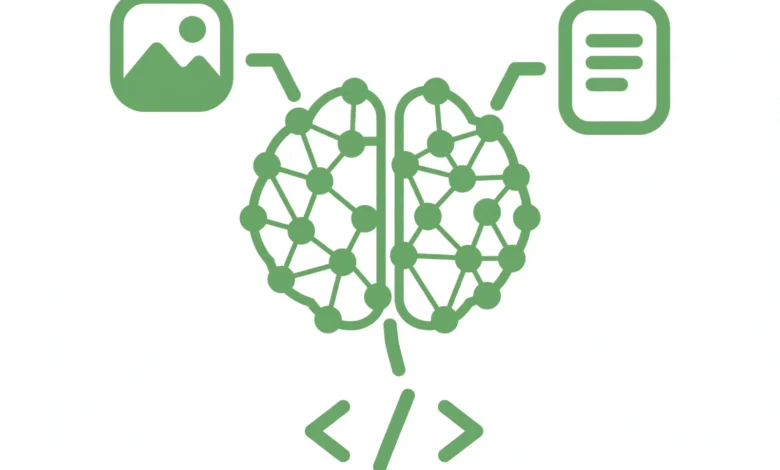
Generative AI is the technology behind tools like ChatGPT, Gemini, and Claude, and it has reached Pakistan faster than almost any technology before it. University students use it to understand difficult topics. Freelancers use it to write code and content for foreign clients. Shopkeepers use it to write product descriptions in Roman Urdu. And, unfortunately, scammers use it to clone voices and create fake videos of politicians.
Most Pakistanis have now heard the term, but many aren’t sure what it actually means. Is it the same as a search engine? Does it “think”? Can it be trusted? And why do government ministers, software companies, and the World Bank keep talking about it?
These questions matter because generative AI affects Pakistan in very practical ways. It is changing which jobs are available to young graduates, how the IT export sector earns dollars, how elections are fought, and how families get scammed. It also raises hard questions about privacy, copyright, and misinformation in a country that still lacks a full data protection law.
This article explains generative AI in plain language, without hype. We’ll cover how it works, where it’s already being used in Pakistan, the real opportunities it creates, and the risks that come with it, including real cases of misuse at home and abroad. By the end, you should have a clear, balanced picture of what this technology is and why it matters for Pakistan’s future.
What Is Generative AI?
What is generative AI? In simple terms, it’s a type of artificial intelligence that creates new content: text, images, audio, video, or computer code. Older AI systems mostly analysed or classified things, like detecting spam or recognizing faces. Generative AI produces something new in response to a request, usually called a prompt.
A Simple Way to Think About It
Imagine someone who has read millions of books, articles, and websites. They don’t memorize everything word for word, but they learn patterns: how sentences are built, how ideas connect, and how different types of writing sound. Ask them to write a wedding invitation or explain inflation, and they produce something new based on those patterns.
That’s roughly what large language models do. They’re trained on enormous amounts of text, then generate responses by predicting what words should come next.
Common Types of Generative AI
- Text: ChatGPT, Claude, Gemini, and Microsoft Copilot write articles, emails, summaries, and answers.
- Images: Tools like Midjourney and DALL-E create pictures from text descriptions.
- Audio: Voice tools generate speech, music, and cloned voices.
- Video: Newer tools create short video clips from text or images.
- Code: Coding assistants write and fix software.
How Generative AI Actually Works
You don’t need to be an engineer to understand the basics.
Step 1: Training on Huge Amounts of Data
Developers feed the model massive collections of text, images, or audio from books, websites, and other sources. The model learns statistical patterns in this data.


Step 2: Learning to Predict
For text models, the core task is predicting the next word in a sentence. Repeated billions of times, this simple task produces surprisingly capable systems that can write, summarize, translate, and reason through problems.
Step 3: Fine-Tuning and Safety Training
After initial training, companies refine models to follow instructions, be more helpful, and refuse harmful requests. This is why chatbots usually decline to help with things like making weapons.
Step 4: Responding to Your Prompt
When you type a question, the model generates a response word by word based on what it learned. It doesn’t look up a fixed answer in a database, which is why answers can vary and sometimes be wrong.
Why It Sometimes Gets Things Wrong
Because generative AI predicts likely text rather than checking facts, it can produce confident but false statements. These are called AI hallucinations. A chatbot might invent a statistic, misquote a law, or cite a book that doesn’t exist. This is one of the most important things for users to understand.
Generative AI Examples in Everyday Pakistani Life
Here are practical generative AI examples already common in Pakistan.
Education
- Students use chatbots to explain physics or accounting concepts in simple language.
- Teachers generate quiz questions and lesson plans.
- Exam candidates for CSS and other competitive tests use AI to practise essays.
Freelancing and Business
- Freelancers use AI to write code, content, and proposals for international clients.
- Small businesses create social media posts, product descriptions, and ads.
- Customer service teams draft replies faster.
Media and Communication
- Newsrooms use AI for transcription, translation between English and Urdu, and headline drafts.
- YouTubers and TikTokers create scripts, thumbnails, and voiceovers.
Government Services
Pakistani provinces are also experimenting with AI. In Punjab, Chief Minister Maryam Nawaz Sharif launched what she called Pakistan’s first provincial AI intelligence hub at the headquarters of the Punjab Enforcement and Regulatory Authority. In Sindh, the chief minister led a Google Gemini AI training session for cabinet members and senior officers. These examples mix generative AI with other forms of AI, but they show how quickly government interest has grown. 24newshdenergyupdate
7 Reasons Generative AI Matters for Pakistan
Why should Pakistan pay special attention to generative AI in Pakistan? Here are seven reasons.
1. It Is Reshaping the IT Export Sector
The IT sector is one of Pakistan’s most important sources of foreign exchange. State Bank data shows IT and IT-enabled services receipts reached $4.6 billion in FY2025-26, up about 21% from the previous year, making it the largest services export category. tribune
Generative AI is part of the reason for both growth and disruption. Software houses deliver work faster using AI coding tools, and some are now selling AI services like chatbots and automation to foreign clients.
2. It Is Changing Which Jobs Exist
This is the most personal impact for young Pakistanis. According to P@SHA, entry-level hiring at major technology companies has dropped by around 25 percent, while employment among developers aged 22 to 25 has fallen by nearly 20 percent since 2024. Basic writing and translation work fell 32% year-on-year as clients switched to AI tools. propakistanitribune
At the same time, demand is rising for people who can build, integrate, and manage AI systems. The job market isn’t disappearing. It’s shifting, and fast.
3. It Could Widen or Narrow Inequality
Generative AI can give a student in a small town access to explanations and tutoring that used to require expensive academies. But it also requires internet access, electricity, English skills, and often paid subscriptions. If only urban, English-speaking, well-off Pakistanis benefit, the gap will grow.
4. Pakistan Faces Higher Risks Than Many Countries
The World Bank has flagged Pakistan specifically. Its World Development Report 2026 says Pakistan is among the countries in its region that are especially vulnerable because of high youth unemployment and limited private-sector job creation, with educated young people facing the greatest risks as AI automates knowledge-intensive tasks. brecorder
5. It Can Help Solve Real Local Problems
Used well, generative AI could help with problems Pakistan has struggled with for decades:
- Explaining government procedures in Urdu and regional languages.
- Supporting overworked doctors and health workers with summaries and translations.
- Helping farmers get crop and weather advice in simple language.
- Making legal information more accessible to ordinary citizens.
6. It Is Now a National Policy Priority
The government has made AI central to its economic plans. During Indus AI Week in February 2026, Prime Minister Shehbaz Sharif outlined a plan to invest $1 billion in artificial intelligence by 2030, including scholarships and workforce training. The IT Minister has said the National AI Policy 2025 aims to create 3 million AI-related jobs by 2030. You can follow official updates from the Ministry of IT and Telecom. arabnewspropakistani
7. It Threatens Trust in Information
In a country with polarized politics, heavy social media use, and uneven digital literacy, generative AI makes it easy to create fake news, fake audio, and fake videos. This may be the most serious long-term risk for Pakistan’s democracy and social stability.
Urdu AI: Where Pakistan Stands
Language is a major issue for generative AI in Pakistan.
What Works Now
- English performance is strong across major tools.
- Urdu AI capabilities have improved a lot, especially for text translation and summaries.
- Roman Urdu is often understood reasonably well.
What Still Needs Work
- Natural spoken Urdu voice interaction.
- Regional languages like Punjabi, Sindhi, Pashto, Saraiki, and Balochi.
- Cultural context, humour, poetry, and religious sensitivity.
Pakistani universities, startups, and researchers have a real opportunity here. Building strong AI for local languages is a problem global companies may not prioritise, and it could make generative AI useful to tens of millions more people.
The Risks: Real Cases of Generative AI Misuse
Understanding the risks requires looking at what has already happened. These examples come from Pakistan and around the world.
Deepfakes in Pakistani Politics
Deepfakes have already reached Pakistan’s political scene. During the February 2024 general election, fake audio and video clips circulated online, including clips appearing to show political figures urging voters to boycott the election. Separately, Punjab’s Information Minister Azma Bukhari was targeted with a sexually explicit deepfake video in 2024 and took the matter to the authorities and courts.
Lesson: Generative AI makes it cheap to fabricate evidence against anyone, especially women in public life.
AI Voice Cloning Scams
Pakistani families have long faced fake kidnapping and “your son has been arrested” calls. Generative AI voice tools make these scams far more convincing by copying a relative’s voice from short clips posted on social media or shared as voice notes.
Globally, the danger is clear. In 2024, an employee at engineering firm Arup’s Hong Kong office was reportedly tricked into transferring around $25 million after a video call with deepfakes of the company’s CFO and colleagues.
Fake E-Challan and Phishing Messages
Generative AI helps scammers write polished, official-sounding messages quickly. In Pakistan, Karachi Traffic Police warned citizens about a surge in fake SMS messages posing as traffic challans and asking for payment through EasyPaisa. As AI improves, such messages become harder to distinguish from real ones. geo
Fabricated Legal Citations
In the 2023 US case Mata v. Avianca, lawyers submitted a court filing citing cases that ChatGPT had completely invented. The judge fined them $5,000. Similar incidents have since happened in other countries. For Pakistani students, lawyers, and journalists, the lesson is that AI output must always be checked.
Copyright Violations
Generative AI has triggered major copyright battles. The New York Times sued OpenAI and Microsoft in 2023, claiming its articles were used without permission. In 2025, Anthropic agreed to a $1.5 billion settlement with authors after a US judge ruled that downloading pirated books from online “shadow libraries” wasn’t protected, even though training on lawfully obtained books was treated differently.
AI copyright issues matter for Pakistani creators too, from writers and artists to news organizations whose content may be used without payment.
Privacy Violations and Data Leaks
Italy’s data protection authority fined OpenAI €15 million in late 2024 over how it handled personal data when training ChatGPT. In 2023, Samsung restricted employee use of generative AI after staff reportedly pasted confidential source code into ChatGPT.
In Pakistan, where major data breaches like the NADRA leak have already happened, users should be very careful about pasting CNIC numbers, bank details, medical records, or client data into public AI tools.
AI-Generated Fake Reviews
In 2024, the US Federal Trade Commission took action against AI writing tool Rytr, alleging its review generator let users create large numbers of fake customer reviews. Fake reviews are a known side business in parts of the freelance economy, and AI makes them faster and more legally risky.
What the Law Says in Pakistan
Pakistan’s legal framework for AI regulation is still developing.
Existing Laws That Apply
- PECA 2016 covers electronic fraud, forgery, identity misuse, cyberstalking, and sharing manipulated images or videos that harm someone’s dignity. Deepfakes and voice cloning scams can fall under these provisions.
- The Pakistan Penal Code covers cheating by impersonation, extortion, and defamation, whether or not AI is involved.
- Copyright Ordinance 1962 protects creative works, though it wasn’t written with AI in mind.
The 2025 Changes
The 2025 amendments to PECA created new offences related to spreading false information online. Supporters say this helps fight AI-driven misinformation. Journalists and rights groups argue the definitions are vague and could be used against legitimate reporting.
What’s Still Missing
- A comprehensive, enforced data protection law with an independent regulator.
- Clear rules on labelling AI-generated content, especially political ads.
- Guidance on copyright and AI training data.
- Specific protections against non-consensual deepfakes.
International frameworks like the OECD AI Principles offer useful models for trustworthy AI that Pakistan can draw on as it develops its own rules.
How to Use Generative AI Responsibly
Whether you’re a student, professional, or business owner, a few principles will keep you safe and effective.
For Individuals
- Verify facts. Check important information against reliable sources.
- Protect personal data. Don’t paste CNIC numbers, passwords, or financial details into chatbots.
- Be honest. Follow your university’s or employer’s rules on AI use.
- Question shocking content. Treat viral audio and video with caution, especially during elections.
- Set a family code word to protect against voice cloning scams.
For Students
- Use AI to understand concepts, not to write assignments for you.
- Follow HEC and university plagiarism policies.
- Build real skills alongside AI use, because employers test what you can actually do.
For Businesses
- Create a clear AI policy for staff.
- Don’t feed confidential client data into public tools.
- Disclose AI use to clients where relevant.
- Review all AI output before it reaches customers.
- Use licensed tools, not shared or pirated accounts.
For Journalists and Content Creators
- Label AI-generated images and audio clearly.
- Never fabricate quotes, sources, or people.
- Verify viral content before sharing, and avoid amplifying deepfakes while debunking them.
AI Jobs Pakistan: How to Prepare
With AI jobs Pakistan shifting quickly, preparation matters.
Skills in Growing Demand
- AI integration and automation.
- Data engineering and analysis.
- Cloud computing and cybersecurity.
- Prompt design combined with domain expertise.
- AI output review, editing, and quality control.
- Urdu and regional-language AI development.
Practical Steps
- Take free courses from reputable providers like Google, Microsoft, and Harvard’s CS50.
- Use AI tools daily in your studies or work to become fluent.
- Build projects that solve Pakistani problems, like Urdu chatbots or farm advice tools.
- Combine AI with a specialty such as finance, health, law, or agriculture.
The Future of Generative AI in Pakistan
Looking ahead, several trends seem likely:
- More AI in government services, from traffic enforcement to health and education.
- Better Urdu support in mainstream AI tools.
- Continued pressure on entry-level jobs, alongside new roles for AI-skilled workers.
- More deepfake incidents, especially around elections.
- Growing demand for regulation, including data protection and AI labelling rules.
Pakistan doesn’t need to build the world’s biggest AI models to benefit. It needs skilled people, reliable internet and electricity, sensible laws, and a public that understands both the power and the limits of these tools.
Conclusion
Generative AI is technology that creates new text, images, audio, video, and code by learning patterns from huge amounts of data, and it matters for Pakistan because it is reshaping the IT export sector, changing which jobs young graduates can get, attracting major government investment through the $1 billion AI plan and the National AI Policy, and offering real solutions in education, health, agriculture, and public services. It also brings serious risks, as shown by deepfakes in the 2024 election, the targeting of Azma Bukhari, voice cloning scams, fake e-challan messages, fabricated legal citations, copyright lawsuits, privacy fines, and fake reviews. Pakistan’s success with generative AI will depend on building practical skills, improving Urdu and regional-language support, passing strong data protection and deepfake laws, and teaching citizens to use these tools honestly, verify what they see, and protect their personal information.