Chinese Car Brands in Pakistan: 7 Powerful Reasons They’re Winning Buyers Fast
Chinese car brands in Pakistan are rising fast. Here's why buyers are switching, what it means for prices, and which models lead the shift.
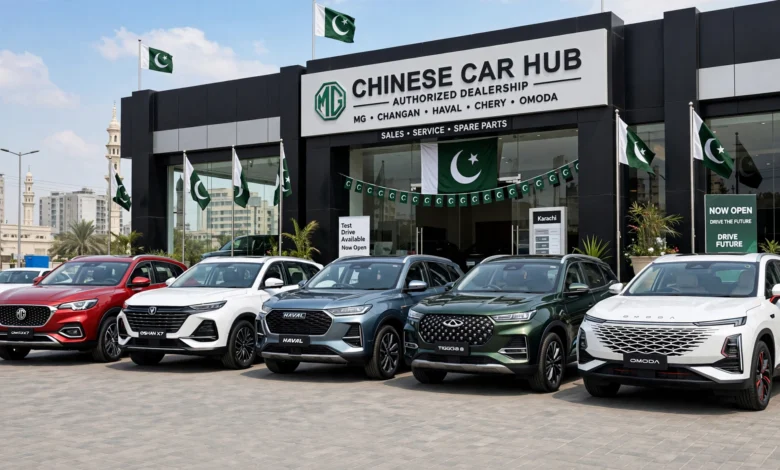
For decades, Pakistan’s car market ran on a short list of names, mostly Japanese, with a handful of Korean and American badges scattered in between. That’s changed quickly. Chinese car brands in Pakistan have gone from a niche curiosity to a real force on the road, and dealerships in Lahore, Karachi, and Islamabad are seeing buyers cross-shop names like MG, Haval, Changan, and DFSK against the usual Toyota and Suzuki lineup.
This shift didn’t happen by accident. Rising prices on established brands, long waiting periods, and outdated technology in older models opened a door, and Chinese automakers walked right through it. They arrived with better infotainment systems, more standard safety features, and pricing that undercut the competition in several segments.
This article looks at why Chinese automobiles in Pakistan are gaining ground so quickly, what’s driving buyer confidence, the challenges these brands still face, and where the market seems to be heading. Whether you’re a first-time car buyer weighing your options or just curious about the shift happening on Pakistani roads, this breakdown covers the real reasons behind the trend, not just the marketing pitch.
1. Competitive Pricing That Actually Makes Sense
Price is the first thing most Pakistani buyers look at, and it’s the biggest reason Chinese car brands in Pakistan are pulling ahead. Many Chinese models enter the market with pricing that sits below comparable Japanese or Korean vehicles, while still offering a longer features list.
A few reasons this pricing works out in the buyer’s favor:
- Lower production costs in China get passed down through competitive local pricing, especially for locally assembled models.
- Fewer middlemen markups, since several Chinese brands entered Pakistan through joint ventures that assemble cars locally rather than importing fully built units.
- Bundled features like touchscreen infotainment, reverse cameras, and keyless entry that would cost extra as add-ons on older Japanese models.
For a buyer comparing a compact SUV from a legacy brand against something like a Haval Jolion or an MG ZS, the price gap combined with the added features makes the decision easier than it used to be.
2. Technology and Features Buyers Didn’t Expect
Pakistani car buyers have long associated affordable vehicles with bare-bones interiors and minimal tech. Chinese car manufacturers flipped that expectation. Even mid-range models now ship with features that used to be reserved for premium trims elsewhere.
Common upgrades buyers notice right away:
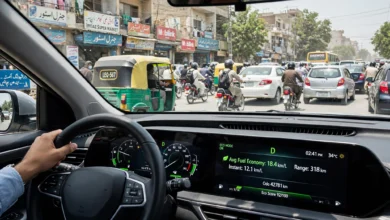
- Large touchscreen displays with Android Auto and Apple CarPlay support
- Digital instrument clusters instead of analog dials
- Panoramic sunroofs, even on smaller SUVs
- Advanced driver-assistance features like lane-keep assist and blind-spot monitoring on select trims
- Better sound insulation and interior finishing than older-generation competitors
This tech-forward approach appeals strongly to younger buyers who are used to smartphones and connected devices and expect their car to keep pace. It’s a generational shift in expectations, and Chinese brands read that shift correctly before some of the older, more established names did.
3. A Wider Range of Body Styles and Segments
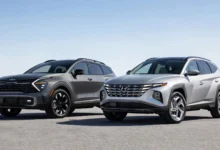
One thing that stands out about the rise of Chinese cars in Pakistan is how quickly these brands filled gaps that legacy manufacturers left open. For years, if you wanted an affordable compact SUV or crossover in Pakistan, your options were limited. Chinese brands moved into that space aggressively.
Segments where Chinese automakers have made the biggest dent:
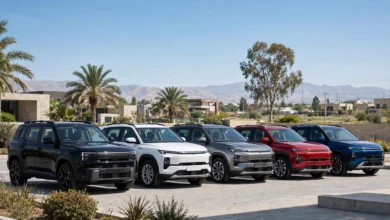
- Compact and mid-size SUVs – models like the Haval H6 and Jolion, and MG ZS, gave buyers SUV styling and space without the price tag of a full-size vehicle.
- Sedans with premium styling – the MG 5 and Changan Alsvin brought sharper design language to a segment that had gone stale.
- Pickup trucks and commercial vehicles – brands like DFSK and JAC have targeted small business owners looking for practical, budget-friendly load carriers.
By spreading across these segments instead of competing in just one lane, Chinese brands built broader brand recognition faster than a single hit model could have managed alone.
4. Local Assembly and Government Investment Policies
Pakistan’s Auto Industry Development and Export Policy opened the door for new entrants to set up local assembly plants, and several Chinese automotive companies took advantage of it. Local assembly matters for a few practical reasons:
- It reduces import duties, which keeps final retail prices lower.
- It creates local jobs and supply chain relationships, which builds goodwill.
- It shortens delivery times compared to fully imported vehicles.
- It allows for gradual localization of parts, which can lower long-term maintenance costs.
Companies like MG (through JW Forland’s Pakistani partnership) and Changan (through Master Motors) set up local assembly operations rather than treating Pakistan as a pure export market. That decision signals a longer-term commitment, and Pakistani buyers have responded to that signal with more trust than they might extend to a brand simply importing finished units and hoping for sales.
5. Aggressive Marketing and Dealer Experience
Chinese car brands didn’t just build competitive cars, they built competitive dealerships. Showrooms for brands like MG and Haval often mirror the polished, modern retail experience buyers associate with premium international brands, complete with digital displays, transparent pricing boards, and staff trained specifically on the brand’s tech features.
This matters more than it sounds. A big part of why some buyers stayed loyal to older Japanese brands for so long wasn’t just the car itself, it was trust built through decades of dealer relationships and known service networks. Chinese brands understood they needed to close that trust gap quickly, so they invested heavily in:
- Social media campaigns targeting younger, tech-savvy buyers
- Test drive events and mall displays to build brand familiarity
- Transparent online pricing tools so buyers could configure and price cars before visiting a showroom
- Warranty programs that often extend beyond what legacy brands historically offered in Pakistan
6. Resale Value Concerns Are Fading
Resale value used to be the strongest argument against buying a Chinese car in Pakistan. Buyers worried that unfamiliar brands would lose value quickly or become hard to sell secondhand. That concern hasn’t disappeared entirely, but it’s fading as more of these vehicles hit the used car market and hold up reasonably well.
A few factors are helping resale confidence grow:
- Wider spare parts availability as local assembly matures and more service centers open.
- Growing used car listings showing that Chinese models are actually selling, not just sitting unsold.
- Word of mouth from early adopters who report fewer mechanical issues than expected.
As the used car ecosystem for these brands matures, the resale gap between Chinese and Japanese vehicles is expected to narrow further, which removes one of the last major hesitations buyers had.
7. Timing Couldn’t Have Been Better
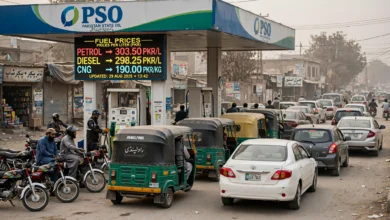
Currency devaluation and rising import costs hit Pakistan’s auto sector hard over the past few years, pushing prices on established brands into territory many middle-class buyers simply couldn’t afford anymore. That price pressure created an opening, and Chinese car companies stepped into it at exactly the right moment.
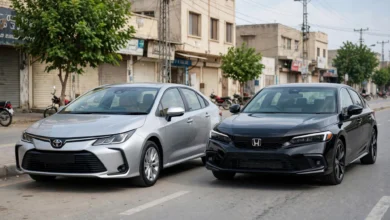
Buyers who might have waited years to save for a Corolla or a Civic suddenly found SUVs and sedans from Chinese brands sitting in a similar price bracket, sometimes lower, with more standard features included. When your budget and your options change at the same time, brand loyalty tends to take a back seat to practical decision-making.
Challenges Chinese Car Brands Still Face in Pakistan
It’s not all smooth driving. A few real obstacles remain before these brands can fully match the market share of long-established players:
- Service network density is still smaller than Toyota, Honda, or Suzuki, especially outside major cities.
- Spare parts pricing can be higher for certain components not yet localized.
- Brand trust built over decades doesn’t disappear overnight, and some buyers remain cautious until they see more long-term durability data.
- Fluctuating import costs for components still affect final pricing, since full localization takes years to achieve.
These are solvable problems, and most Chinese automakers are actively investing in expanding service coverage and parts availability. According to industry data tracked by the Pakistan Automotive Manufacturers Association, new entrants have steadily increased their production and assembly capacity over recent years, which points to a long-term commitment rather than a short-term push.
What This Means for Pakistani Car Buyers
For everyday buyers, the growth of Chinese brands has already changed the negotiating table. Legacy manufacturers have had to respond with updated features, better financing offers, and in some cases, price adjustments to stay competitive. That competition benefits buyers directly, regardless of which brand they end up choosing.
If you’re considering a Chinese car brand for your next purchase, a few practical tips can help:
- Check local service center coverage in your city before committing.
- Compare total cost of ownership, not just the sticker price, including insurance and expected maintenance.
- Read recent owner reviews rather than relying only on showroom pitches.
- Ask about warranty terms, since coverage periods vary noticeably between brands.
- Test drive multiple models in the same segment before deciding, since features and driving feel differ more than expected.
Industry coverage from outlets like Reuters’ autos and transportation desk has tracked similar patterns of Chinese automotive expansion across emerging markets, which suggests Pakistan’s experience is part of a broader regional trend rather than an isolated case.
Conclusion
The rise of Chinese car brands in Pakistan comes down to a simple combination of better timing, sharper pricing, and features buyers didn’t expect at that price point. Names like MG, Haval, Changan, and DFSK moved into gaps that legacy automakers left open, backed that move with local assembly investment, and built dealer experiences designed to earn trust quickly rather than waiting decades to earn it the old way.
Challenges around service coverage and long-term resale confidence still exist, but they’re shrinking as these brands mature in the local market. For Pakistani car buyers, the end result is more choice, more competitive pricing across the board, and a market that finally has to work harder to earn their loyalty.