Punjab Electric Bike Scheme 2026 Phase II: Application, Eligibility & Benefits
Punjab Electric Bike Scheme 2026 Phase II: complete guide to application, eligibility criteria, required documents, and benefits for applicants.
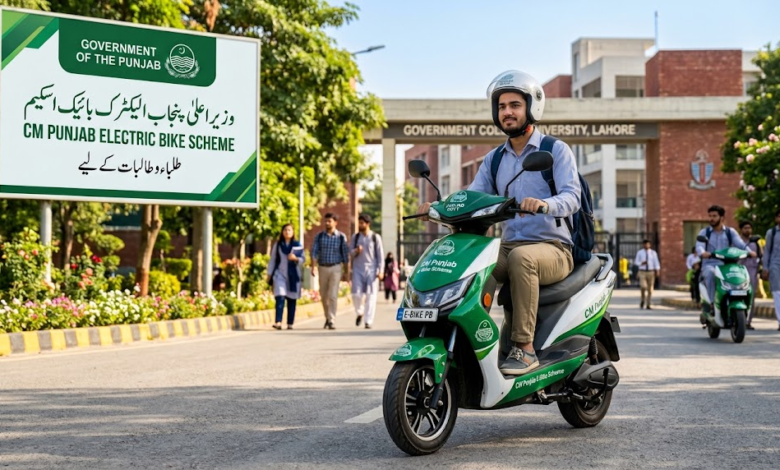
The Punjab Electric Bike Scheme 2026 has entered its second phase, giving another large group of students and young commuters across Punjab the chance to own an electric bike at little to no upfront cost. If you missed Phase I or you’re just hearing about this initiative, this guide walks you through everything: how the Punjab Electric Bike Scheme works, who can apply, what documents you need, and what the whole process looks like from registration to bike delivery. The scheme is part of the Punjab government’s broader push toward cleaner transport and reduced fuel dependency, and Phase II builds directly on lessons learned from the first rollout, meaning a smoother application process and clearer eligibility rules this time around.
Electric bikes have quickly become one of the most talked-about transport solutions in Pakistan, largely because of rising petrol prices and growing concerns about air quality in cities like Lahore, Faisalabad, and Multan. The Punjab government electric bike scheme aims to put thousands of e-bikes into the hands of students and low-income commuters, cutting their daily transport costs while reducing emissions. Phase II expands the applicant pool, adjusts some of the eligibility criteria, and (based on early announcements) increases the number of units available for distribution.
Below, we break down the application process, eligibility criteria, required documents, benefits, and answers to common questions so you can decide whether to apply and how to do it correctly.
What Is the Punjab Electric Bike Scheme?
The Punjab Electric Bike Scheme is a government-backed initiative designed to distribute subsidized or interest-free electric bikes to eligible residents of Punjab, with a strong focus on students enrolled in public sector colleges and universities. The scheme is run through an official online portal, where applicants register, submit documents, and track their application status.
Phase I of the scheme, launched earlier, was well received but also came with its share of criticism over server load, unclear eligibility verification, and delays in bike delivery. Punjab Electric Bike Scheme 2026 Phase II was designed to address these issues, with the provincial government reportedly streamlining the digital application system and tightening verification procedures to reduce fraudulent applications.
The core idea remains the same: reduce the financial burden of daily commuting for students and young professionals while supporting Punjab’s environmental goals. Electric bikes distributed under the scheme typically come with a battery-powered motor, a decent range per charge, and lower running costs compared to petrol-powered motorcycles.
Why the Government Is Pushing Electric Bikes
A few factors are driving this policy:
- Rising fuel costs have made daily commuting expensive for students and low-income families.
- Air quality concerns, particularly in major Punjab cities, have pushed policymakers toward electric mobility.
- Import bill pressure from fuel-based vehicles has made local, electric-first transport more attractive from an economic policy standpoint.
- Youth-focused welfare programs have become a political priority, and subsidized transport is a visible, tangible benefit for students.
Punjab Electric Bike Scheme 2026 Phase II: Key Highlights
Here’s a quick summary of what sets Phase II apart from the earlier rollout:
- Expanded applicant pool — more universities and colleges are reportedly included this round.
- Revised eligibility criteria — income thresholds and academic requirements have been adjusted based on Phase I feedback.
- Improved online portal — the application system has reportedly been upgraded to handle higher traffic and reduce technical glitches.
- Faster verification — biometric and document verification steps have been streamlined.
- Wider geographic coverage — applicants from more districts across Punjab are expected to be eligible.
Because government schemes are updated frequently, always cross-check the latest numbers and dates directly on the official portal before you apply.

Eligibility Criteria for Punjab Electric Bike Scheme 2026 Phase II
Eligibility is the first thing you should confirm before starting your application. While exact criteria can shift slightly between phases, the general eligibility criteria for the Punjab Electric Bike Scheme typically include the following.
1. Domicile Requirement
Applicants must hold a valid Punjab domicile. This is non-negotiable since the scheme is a provincial initiative funded and managed by the Government of Punjab.
2. Age Limit
Most applicants need to fall within a specific age bracket, generally aligned with typical undergraduate and postgraduate student ages. Younger applicants outside the standard student age range are usually not eligible unless they meet an alternate category (such as working professionals in specific income brackets, if that category is included in Phase II).
3. Educational Enrollment
A large portion of available bikes under this scheme are reserved for:
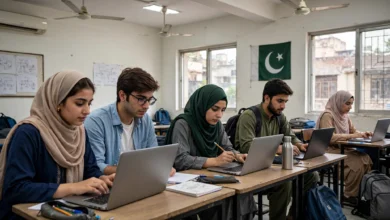
- Students currently enrolled in public sector colleges and universities in Punjab.
- Students pursuing intermediate, undergraduate, or postgraduate degrees.
- In some cases, students enrolled in technical and vocational institutes.
Private university students may or may not qualify depending on the specific rules published for Phase II, so this is worth double-checking directly on the portal.
4. CNIC / B-Form Requirement
Applicants need a valid CNIC (for those 18 and above) or a B-Form (for younger applicants, if the scheme allows for that category). This is used for identity verification and to prevent duplicate applications.
5. Income or Financial Need Criteria
Some phases of the scheme prioritize applicants from lower-income households. If Phase II retains this structure, you may need to submit documentation related to household income, especially if bikes are being distributed on a subsidized or need-based basis rather than a flat first-come-first-served model.
6. One Application Per Household
To prevent misuse, most versions of this scheme restrict applications to one per household or one per CNIC family tree, so multiple siblings applying separately may face rejection during verification.
How to Apply for Punjab Electric Bike Scheme 2026 Phase II
The application process is entirely online through the official Punjab government portal. Here’s the general step-by-step flow you can expect.
Step 1: Visit the Official Portal
Go to the official Punjab Electric Bike Scheme website. Avoid third-party sites or unofficial links circulating on social media, as these can lead to scams or data theft. Always confirm you’re on a government-verified domain before entering any personal information.
Step 2: Create Your Account
You’ll typically need to register using your CNIC number, a valid mobile number, and an active email address. Some phases also require OTP verification through SMS.
Step 3: Fill Out the Application Form
The form usually asks for:
- Full name (as per CNIC)
- CNIC number
- Domicile details
- Educational institution name and enrollment proof
- Contact information
- Household income details (if applicable)
Step 4: Upload Required Documents
Commonly required documents include:
- CNIC copy (front and back)
- Domicile certificate
- Student enrollment certificate or admission slip
- Passport-sized photograph
- Proof of household income (if the scheme requires it)
- B-Form (for applicants under 18, if applicable)
Step 5: Submit and Track Application
Once submitted, applicants usually receive a tracking ID or reference number. This can be used to check application status on the portal. Keep this ID safe, since you’ll likely need it at multiple stages of the process, including the final verification and bike collection steps.
Step 6: Verification Process
After submission, the government typically runs a verification process that may include:
- Cross-checking CNIC and domicile records with NADRA.
- Confirming educational enrollment with the relevant institution.
- Household income verification, if income-based prioritization is part of Phase II.
Step 7: Selection and Notification
Selected applicants are usually notified via SMS or email, along with instructions on the next steps, such as biometric verification at a designated center or bike collection details.
Benefits of the Punjab Electric Bike Scheme
The benefits of Punjab Electric Bike Scheme go beyond just getting a free or subsidized vehicle. Here’s what applicants stand to gain.
Lower Daily Commuting Costs
Electric bikes cost significantly less to run than petrol motorcycles. With fuel prices remaining a major household expense in Pakistan, switching to an electric bike can meaningfully cut monthly transport spending, particularly for students commuting daily to campus.
Environmental Impact
Every electric bike on the road instead of a petrol-powered one contributes to lower emissions. For a province dealing with serious air quality issues, particularly during winter smog season, mass adoption of electric two-wheelers is a meaningful, if incremental, step toward cleaner air.
Financial Relief for Students
For students from low-income households, transportation is often a hidden barrier to consistent attendance and academic performance. Reducing or eliminating this cost through a subsidized or interest-free scheme directly supports better educational outcomes.
Reduced Maintenance Costs
Electric bikes generally require less maintenance than petrol bikes, since they don’t need oil changes, have fewer moving parts, and typically come with warranties covering the battery and motor for an initial period.
Support for Local EV Adoption
Government-backed distribution at scale helps build local demand for electric vehicle infrastructure, including charging stations and battery servicing networks, which benefits the broader EV ecosystem in Punjab over time.
Common Challenges Applicants Should Know About
No large-scale government scheme rolls out without hiccups, and it’s worth going in with realistic expectations.
- Portal traffic: High demand can slow down or crash application portals during peak submission periods, especially in the first few days after applications open.
- Document mismatches: Small errors, like a mismatched name spelling between your CNIC and enrollment certificate, can delay or reject your application.
- Verification delays: Cross-checking with NADRA and educational institutions takes time, and applicants sometimes wait weeks for status updates.
- Limited units: Even in Phase II, the number of bikes available is finite, so not every eligible applicant will necessarily receive one, particularly if demand outpaces supply.
Being proactive, applying early, and double-checking every document before submission are the simplest ways to avoid unnecessary setbacks.
Tips to Improve Your Chances of Selection
- Apply as early as possible once the portal opens for Phase II.
- Double-check that your CNIC and domicile details are current and error-free.
- Make sure your educational enrollment certificate is recent and clearly states your current program and institution.
- Keep your contact information active and check it regularly for SMS or email updates.
- Avoid submitting duplicate applications, as this can flag your entry for rejection during verification.
Frequently Asked Questions
Is the Punjab Electric Bike Scheme only for students?
Most of the available units are reserved for students at public sector institutions, though some phases include categories for young professionals or low-income commuters. Check the current Phase II criteria to confirm.
Do I need to pay anything to apply?
The application itself should be free. Be cautious of anyone asking for payment to “guarantee” a bike, as this is almost certainly a scam.
How long does verification take?
This varies depending on portal traffic and the volume of applications, but it can take anywhere from a few weeks to a couple of months.
Can I apply if I already applied in Phase I but wasn’t selected?
In most cases, yes. Phase II is typically open to new applicants as well as those who weren’t selected in the previous phase, though you may need to submit a fresh application rather than relying on old records.
What happens after I’m selected?
Selected applicants generally go through a final verification step, often including biometric confirmation, before being scheduled to collect their electric bike from a designated distribution point.
For readers interested in national-level clean transport policy, sources like the International Energy Agency offer detailed data on how electric two-wheeler adoption is reshaping urban mobility globally. If you want to compare Punjab’s approach with federal-level EV policy in Pakistan, the Ministry of Climate Change publishes relevant updates on national environmental initiatives.
Conclusion
The Punjab Electric Bike Scheme 2026 Phase II represents a continued effort by the Punjab government to make electric mobility accessible to students and young commuters while addressing rising fuel costs and environmental concerns. By understanding the eligibility criteria, preparing the right documents in advance, and applying early through the official portal, applicants can significantly improve their chances of being selected. As with any large-scale government initiative, patience and attention to detail during the application and verification process go a long way, and staying updated through official channels remains the best way to avoid confusion or misinformation.