How to Save Fuel While Driving in Pakistani Traffic
Save fuel while driving in Pakistani traffic with these practical, tested habits that cut petrol costs without changing your car.
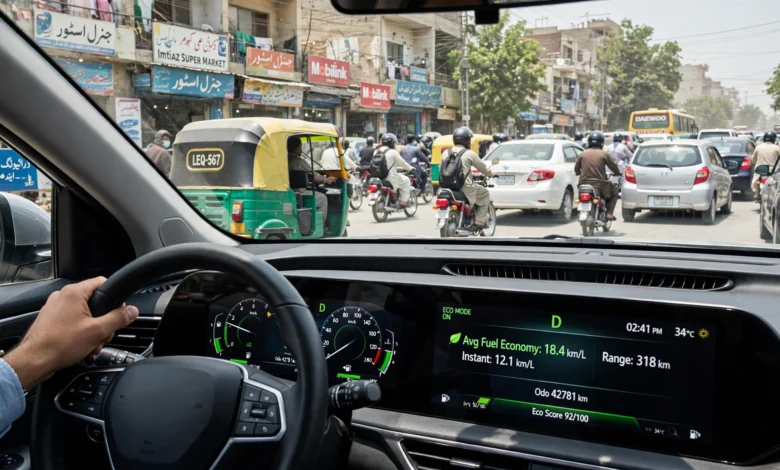
Save fuel while driving in Pakistani traffic is something almost every car owner in Karachi, Lahore, or Islamabad thinks about at least once a week, usually right after filling the tank. Petrol prices in Pakistan have climbed so often over the past few years that even a small drop in mileage feels like a real hit to the monthly budget. The good news is that you don’t need a hybrid car or an expensive tune-up to fix this. Most fuel waste happens because of habits picked up over years of stop-and-go city driving, not because of the car itself.
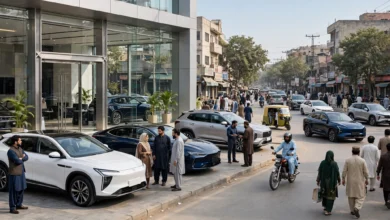
Pakistani roads come with their own set of challenges. Signal-free corridors that aren’t actually signal-free, motorcycles weaving between lanes, sudden braking near speed breakers, and traffic jams that stretch for no obvious reason. All of this adds up to more fuel burned per kilometer than you’d expect. The trick is learning to drive with the traffic rather than against it, and making a few small adjustments to how you use the accelerator, brakes, and gears.
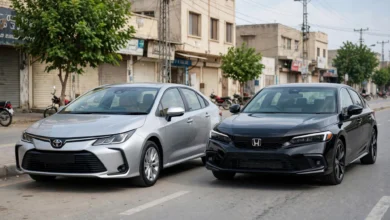
In this article, we’ll go through practical, realistic ways to save fuel on Pakistani roads, from driving technique to vehicle maintenance to route planning. None of these tips require spending money upfront, and most of them will start showing results within your first tank. Whether you drive a Suzuki Mehran, a Toyota Corolla, or a Honda Civic, the same basic principles apply.
Why Fuel Efficiency Matters More in Pakistan
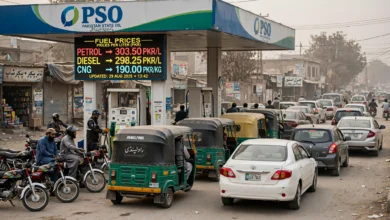
Fuel efficiency isn’t just a nice-to-have in Pakistan, it’s closely tied to household budgets. With petrol prices fluctuating based on international oil rates and currency devaluation, a car that used to cost Rs. 3,000 a week to run can suddenly cost Rs. 4,500. That difference matters a lot for a middle-class family or a daily commuter.
On top of the financial side, there’s the traffic problem itself. Cities like Karachi and Lahore have some of the densest urban traffic in South Asia, and idling in that traffic for long stretches burns fuel without covering any distance at all. According to data from Pakistan’s Oil and Gas Regulatory Authority (OGRA), fuel consumption patterns in urban centers are significantly higher per kilometer than on open highways, largely due to congestion and stop-start driving.
Understanding this connection between traffic behavior and fuel usage is the first step toward actually fixing it.
Driving Habits That Help You Save Fuel While Driving in Pakistani Traffic
1. Avoid Sudden Acceleration
Flooring the accelerator every time the traffic ahead moves is one of the biggest reasons drivers burn extra petrol. Rapid acceleration forces the engine to consume more fuel than a gradual, steady increase in speed. In heavy traffic, where you’re constantly starting and stopping, this adds up fast.
Instead, try to accelerate smoothly and gently. Think of it as easing into your speed rather than jumping to it. This single change alone can improve mileage by a noticeable margin over a week of city driving.
2. Anticipate the Traffic Ahead
Pakistani traffic is unpredictable, but there are patterns you can learn to read. Watching brake lights two or three cars ahead, noticing when a signal is about to turn red, or spotting a speed breaker before you’re on top of it lets you slow down gradually instead of braking hard.

Hard braking wastes the energy your engine just spent accelerating. Coasting toward a stop instead of braking late saves fuel and reduces wear on your brake pads too.
3. Maintain a Steady Speed
Constant speeding up and slowing down, sometimes called “traffic surging,” is extremely fuel-inefficient. Once you’re at a comfortable cruising speed, try to hold it as long as the road allows. This is easier on highways but even in city traffic, leaving a bit more gap between you and the car ahead lets you maintain a steadier pace instead of constantly adjusting.
4. Shift Gears at the Right Time (Manual Transmission)
If you drive a manual car, which is still common in Pakistan, shifting gears at the correct RPM matters a lot. Revving too high before shifting up wastes fuel. As a general rule, shift up around 2,000 to 2,500 RPM for petrol engines. Driving in a higher gear at a lower RPM, when the road allows it, uses less fuel than staying in a lower gear longer than necessary.
5. Turn Off the Engine During Long Waits
Pakistani traffic often includes long waits at railway crossings, toll plazas, or extended red signals. If you expect to be stationary for more than 30 to 40 seconds, turning off the engine and restarting it uses less fuel than idling. Modern fuel-injected engines don’t need extended warm-up time before starting to move, so this habit is worth building.
6. Reduce Unnecessary Idling
Idling in the parking lot, at the petrol pump, or while waiting for someone outside a shop burns fuel for zero distance covered. If you know you’ll be stationary for a while, switch off the engine. Over weeks and months, this adds up to a meaningful amount of saved petrol.
Vehicle Maintenance Tips to Improve Fuel Economy
7. Keep Tyres Properly Inflated
Underinflated tyres increase rolling resistance, which forces the engine to work harder and burn more fuel to maintain the same speed. Check your tyre pressure at least once a month, especially during Pakistan’s hot summers when pressure can fluctuate with temperature. Your car’s recommended pressure is usually listed on a sticker inside the driver’s door or in the owner’s manual.
8. Get Regular Engine Tune-Ups
A poorly tuned engine, dirty spark plugs, or a clogged air filter can quietly reduce your mileage without any obvious warning signs. Getting your car serviced on schedule, roughly every 5,000 to 10,000 kilometers depending on the manufacturer’s recommendation, keeps the engine running at its intended efficiency.
9. Use the Recommended Engine Oil
Using the wrong grade of engine oil increases internal friction, which means the engine has to work harder. Stick to the oil grade recommended by your car’s manufacturer rather than whatever is cheapest at the local garage.
10. Check and Replace the Air Filter
A dirty air filter restricts airflow to the engine, disturbing the air-fuel mixture and reducing efficiency. This is a cheap and simple fix, most air filters cost a few hundred rupees and can be checked or replaced at any local workshop.
11. Avoid Carrying Unnecessary Weight
Extra weight in the trunk, whether it’s tools, old bags, or things you forgot to take out, makes the engine work harder to move the car. This has a bigger effect than most people realize, especially in stop-and-go traffic where the car is constantly accelerating from a stop.
Route and Timing Strategies for Pakistani Roads
12. Plan Routes to Avoid Peak Congestion
Traffic in cities like Lahore and Karachi tends to peak between 8:30 to 10:00 AM and again from 5:00 to 7:30 PM. If your schedule allows any flexibility, shifting your commute by even 30 minutes can mean the difference between a smooth drive and sitting in a jam that eats through half a tank.
Apps like Google Maps show real-time congestion data for most major Pakistani cities and can help you pick a less crowded route, even if it’s slightly longer in distance. A route with steady movement often uses less fuel than a shorter route full of stop-and-go traffic.
13. Use Signal-Free Corridors When Possible
Cities like Karachi have invested in signal-free corridors specifically to reduce the number of stops drivers make. Using these routes, when they align with your destination, reduces the number of times you have to brake and accelerate, which directly helps you save fuel.
14. Combine Errands Into a Single Trip
Multiple short trips throughout the day, especially with a cold engine each time, use more fuel than one longer trip covering the same total distance. A cold engine runs less efficiently for the first few kilometers. Planning your errands, grocery runs, school pickups, and other stops into a single loop cuts down on this wasted fuel.
15. Use Air Conditioning Wisely
Running the AC constantly at full blast, especially in slow traffic, increases engine load and fuel consumption. In heavy traffic at low speeds, using the AC on a moderate setting rather than maximum cooling, and turning it off during very short stops, can make a noticeable difference over the course of a month. At highway speeds, using the AC is generally more efficient than rolling down the windows, since open windows increase aerodynamic drag.
Additional Factors That Affect Fuel Consumption in Pakistan
Fuel Quality
Not all petrol pumps in Pakistan deliver consistent fuel quality. Buying from reputable, well-known stations rather than unfamiliar or unusually cheap outlets reduces the risk of contaminated or diluted fuel, which can affect combustion efficiency and, over time, engine health. The Hydrocarbon Development Institute of Pakistan (HDIP) periodically monitors fuel quality standards across the country, and sticking to established brands is generally the safer choice.
Driving in Extreme Heat
Pakistan’s summer heat affects fuel efficiency in a few ways: tyre pressure changes, engines run slightly less efficiently at very high ambient temperatures, and AC usage increases. Being aware of these seasonal factors helps you adjust expectations and maintenance schedules accordingly, particularly checking tyre pressure and coolant levels more frequently between April and August.
Traffic Rule Awareness
Following basic traffic rules, staying in your lane, not weaving unnecessarily, and respecting speed limits, indirectly helps fuel efficiency. Constant lane changes to gain small advantages in traffic usually mean more braking and accelerating, which burns more fuel than simply staying in a steady lane and moving with the flow.
Quick Checklist to Save Fuel While Driving in Pakistani Traffic
Here’s a short list you can keep in mind before your next drive:
- Accelerate gently, avoid flooring the pedal
- Watch traffic ahead and brake gradually
- Maintain steady speed where possible
- Shift gears at the right RPM (manual cars)
- Turn off the engine during long waits
- Keep tyres properly inflated
- Service your car and change air filters on schedule
- Use the correct engine oil grade
- Remove unnecessary weight from the car
- Plan routes and timing to avoid heavy congestion
- Combine multiple errands into one trip
- Use AC moderately, not on maximum in slow traffic
Conclusion
Saving fuel while driving in Pakistani traffic doesn’t require a new car or expensive upgrades, it mostly comes down to changing daily habits and staying on top of basic maintenance. Smooth acceleration, steady speeds, proper tyre pressure, timely servicing, and smarter route planning can collectively make a real difference in your monthly fuel bill.
Given how often petrol prices shift in Pakistan, these small, consistent changes are one of the few things drivers can actually control. Start with two or three tips from this list, build them into habits, and you’ll likely notice the difference by your next fill-up.